








Introduction:Yirgacheffe is often the first choice for many coffee beginners exploring specialty coffee. Its bright floral notes and refreshing citrus acidity leave a lasting impression. This article will take an in-depth look at this classic washed Ethiopian coffee bean—covering its origin background, detailed steps of the washed processing method, specific pour over brewing suggestions, and flavor profile—to help you master how to brew a clean, balanced, and layered cup of Yirgacheffe at home.
Yirgacheffe has always held a unique place in the hearts of coffee enthusiasts. This classic Ethiopian coffee bean is renowned for its prominent floral notes and citrus acidity, with a bright and refreshing flavor reminiscent of a gentle breeze wafting through a morning garden. Many first-time tasters of specialty coffee are amazed by its distinctive drinking experience—not heavy or bitter like traditional coffee, but rather lively with lemon-like acidity and delicate floral aromas.
The name Yirgacheffe originally means "let us settle by the swamp," highlighting the close relationship between its growing environment and water resources. This region was originally a natural wetland, located at the heart of Ethiopia’s coffee genetic treasure trove. Initially part of the Sidamo region, it was later designated as a separate Yirgacheffe producing area due to its highly distinctive citrus and floral characteristics. Today, it has become one of the most representative names in the global specialty coffee market.
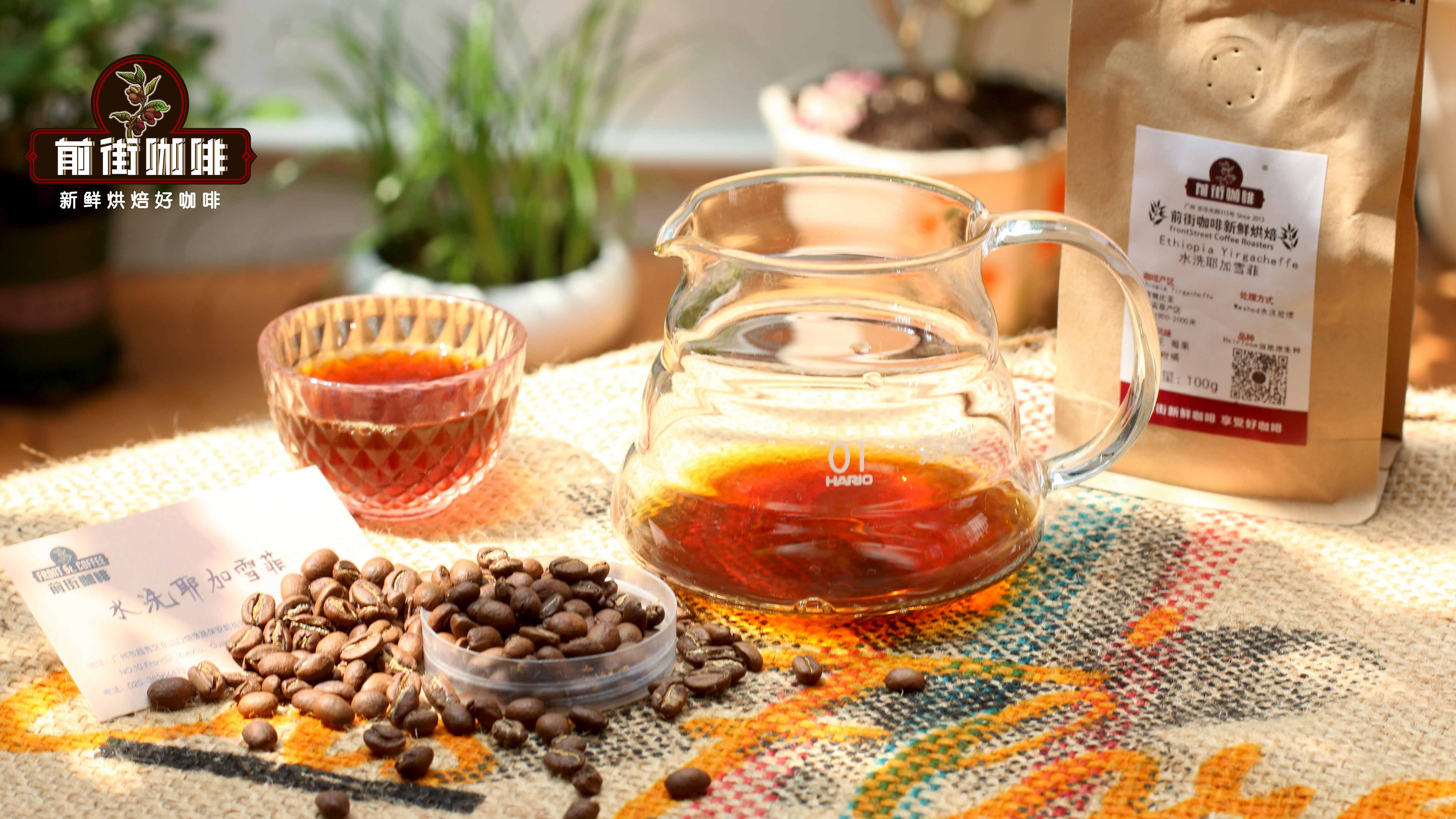
When discussing the unique flavors of Yirgacheffe, its commonly used washed processing method must be mentioned. Washed processing is a method that uses water and fermentation to remove the outer layers of the coffee fruit (such as pulp and mucilage), effectively highlighting the cleanliness and acidity inherent in the coffee beans. This method relies on a stable water supply and meticulous craftsmanship, so it is commonly found in high-quality producing regions across Africa and Central and South America.
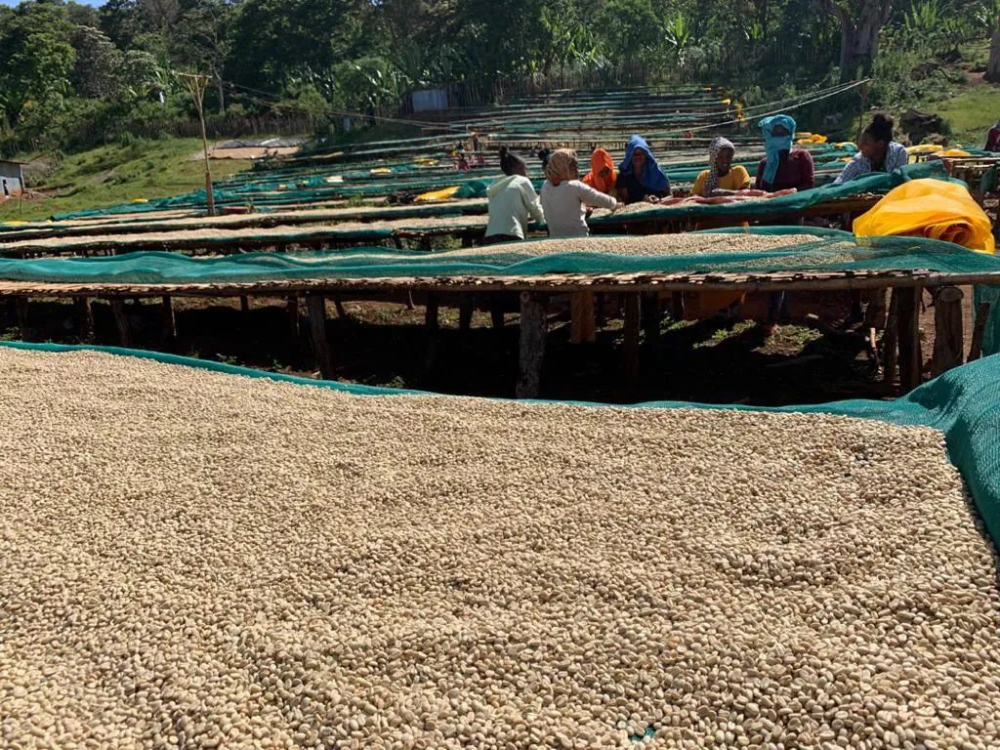
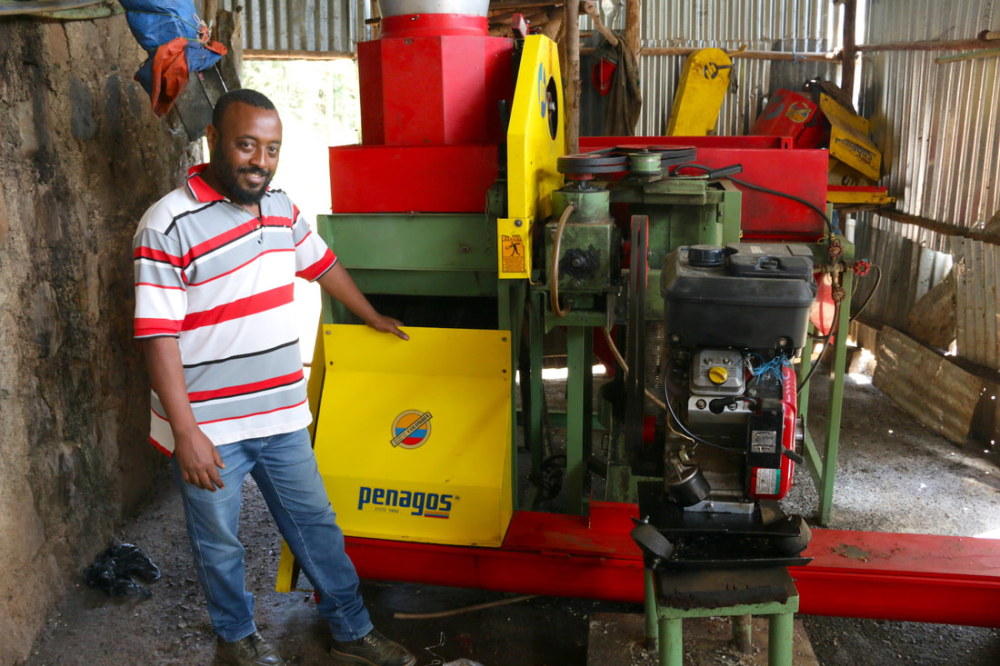
The washed process generally consists of the following main steps: First, freshly harvested coffee cherries are initially washed and floated to remove unripe or defective beans; then a pulper is used to remove the outer skin and some of the pulp; next, the beans enter the fermentation stage, where the mucilage is naturally broken down under controlled conditions, typically taking 18 to 36 hours depending on water temperature; after fermentation, the beans are washed again to remove residual mucilage; finally, the parchment-covered green coffee beans are evenly spread out and sun-dried for several days until the moisture content drops to around 11–12%, after which they can be stored or exported.
The advantage of the washed process lies in its ability to enhance the clarity and consistency of the coffee. The acidity is bright without being overly sharp, often featuring distinct citrus, floral, and light fruity notes, making it ideal for those who prefer a clean and refreshing taste. Additionally, because unnecessary impurities are removed, washed beans are easier to control during roasting and brewing, and are well suited for pour over or filter brewing methods.
Taking Yirgacheffe as an example, many washed beans produced in this region exhibit a very high level of quality consistency—delicate acidity, often accompanied by honey-like aftertastes, a full-bodied nuttiness, and lingering notes akin to green or oolong tea. The mouthfeel is refreshing yet layered. If you want to brew a representative cup of Yirgacheffe flavor at home, it is recommended to choose washed beans roasted to a medium-light degree. This roast level preserves more of the original flavors and acidity while allowing the coffee's aroma to be more expressive.
For actual pour over brewing, the following parameters are recommended to achieve optimal extraction: the grind size should be medium-fine (similar to fine sugar), such as setting the Hario Mini Mill Slim to 3.5 if using that grinder; water temperature should be controlled ataround 90°C. This temperature helps to highlight the acidity while avoiding over-extraction that could lead to woody or astringent notes. In terms of specific operation, start by pouring 25 grams of hot water for a 30-second bloom to activate the coffee grounds; then continue pouring at a steady rate until reaching 120 grams for the first pour, with a total brew water volume of around 226 grams, and a total brew time kept to about2 minutes and 5 seconds, to achieve a balanced and bright cup profile.
The V60 dripper, with its wide opening and unique spiral ribs, promotes airflow and filtration speed, helping to clearly present acidity and aroma, making it a classic choice for pour over Yirgacheffe. If you prefer a fuller body, you can also try the Kalita Wave three-hole flat-bottom dripper, whose stable flow rate yields a rounder and smoother mouthfeel.
In terms of flavor, washed Yirgacheffe often showcases pronounced lemon and citrus acidity, delivering a fresh and clean taste with subtle floral notes and a natural sweetness akin to cane sugar. The finish typically reveals a mellow and refined aftertaste reminiscent of oolong tea. Overall, it presents a clean, vibrant, and multi-layered cup that authentically reflects the terroir of the region—a true classic representation.
The above content is compiled by CoffeeHunters, a coffee news website.


