







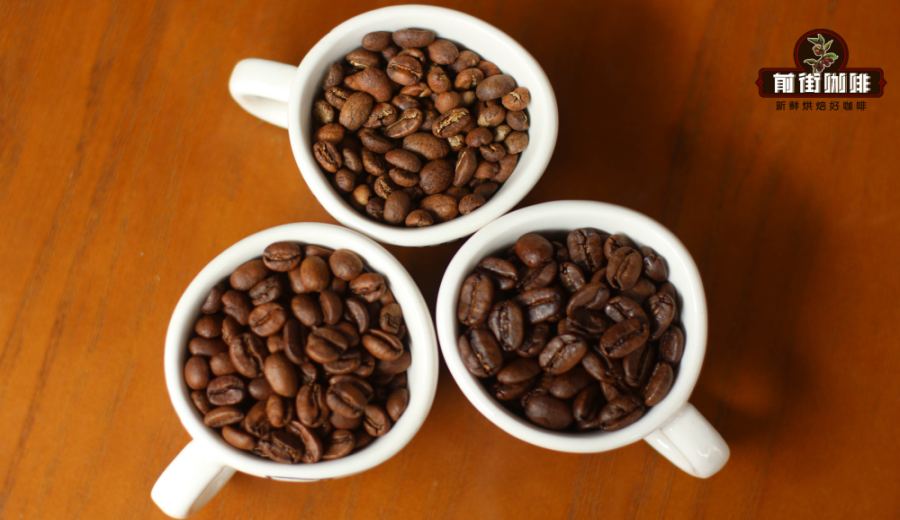
Introduction:Dark roast coffee is often misunderstood as being solely bitter and burnt, but in fact, with the right brewing method, it can also showcase rich chocolate, caramel, and captivating aftertastes. This article will delve into how to effectively extract the bold flavors of dark roast coffee by adjusting grind size, water temperature, brew ratio, and pouring techniques—while avoiding over-extraction and bitterness. Whether you’re a beginner or an advanced coffee enthusiast, you’ll find practical guidance here.
Many coffee lovers hold biases against dark roast beans, thinking they only have a single note of burnt bitterness and fail to deliver the floral and fruity profiles expected from specialty coffee. But in reality, with proper pour-over techniques, dark roast beans can also exhibit a rich and balanced mouthfeel, especially their intense chocolate and caramel aromas along with a long-lasting finish. Below, we’ll break down how to unlock the potential of dark roast coffee—from grind size, water temperature, brew ratio to pouring skills—and provide clear parameters and operational tips using classic dark roast beans as examples.
Before going further, let’s first revisit a few core factors that influence pour-over coffee: roast level, water temperature, coffee grind size, and brew ratio. Light to medium roasts typically feature pronounced fruit acidity and floral notes, while dark roasts present a heavier profile of chocolate, caramel, and nuttiness. Understanding these differences is the first step in adjusting your brewing strategy.
Dark roast coffee beans are relatively loose in structure and absorb water more quickly. The coffee bed tends to swell and float on the surface when water is poured, which makes it easier to release off-flavors during extraction. As such, if the brewing parameters aren’t adjusted properly, over-extraction is likely to occur, resulting in a bitter and unpleasant cup. It’s recommended to choose dark roast beans with a solid texture and distinct flavor layers, as this helps improve overall extraction performance.
When it comes to choosing grind size,it is recommended to use a coarseness similar to coarse sugar. Due to the long roasting time and high heat, the internal structure of dark roast beans becomes quite fragile. Grinding too finely significantly increases the contact area between coffee grounds and water, accelerating the release of bitterness and impurities. In contrast, a moderately coarse grind slows down the extraction rate, allowing flavor compounds to be released more steadily. It also helps control the overall brewing time, preventing overly sharp bitterness caused by early-stage over-extraction.
Water temperature control is equally crucial.It is recommended to maintain the water temperature between 86–88°C. Compared to the commonly used 90°C+ for light to medium roasts, a slightly lower temperature slows the extraction rate, helping suppress the release of excessive bitter compounds while preserving the boldness and sweetness unique to dark roast beans. Too high a temperature can make flaws and burnt notes in dark roasts more apparent, so precise temperature control is one of the keys to successful brewing.
Regarding brew ratio,it is recommended to use a ratio between 1:14 and 1:15. This range extracts sufficient strength, allowing the full body and lingering finish of dark roast beans to shine. If the ratio is too light, not only does the overall flavor complexity decrease, but bitterness can become harsh and overly prominent, sometimes accompanied by unpleasant roasted notes. Slightly increasing the brew ratio can result in a smoother mouthfeel and extend the expression of sweetness and aftertaste.
For pouring techniques, it is advised to usea gentle and slow circular pouring methodto minimize direct impact on the coffee bed. After the bloom, pour slowly from the inside out and then from the outside in at a lower water stream height. This promotes even extraction and prevents over-extraction of off-flavors from medium to dark roasts due to excessive agitation. Focus on controlling the speed of water flow and its interaction with the coffee layer, minimizing unnecessary stirring, and allowing flavors to naturally release through immersion.
If you want to enhance the richness even further, you can try the so-called “volcano pour” technique—pouring water concentrated in the center of the coffee bed, about the size of a coin. In the first half, fully extract the core flavors without disrupting the coffee bed structure; in the second half, distribute the water evenly to avoid over-extracting the center while also diluting and balancing the flavor. This method suits coffee enthusiasts who seek a bold taste and are willing to spend time on meticulous brewing.
Taking a classic dark roast bean as an example,the recommended parameters are as follows: use a KONO filter, water temperature 86°C, grind size around EK43s setting 10.5 (equivalent to 75% passing rate through a No. 20 sieve in the Chinese standard), brew ratio 1:15, total brew time around 1 minute and 50 seconds. This combination balances strength and clarity, ideal for highlighting the chocolate and caramel characteristics of dark roast beans.
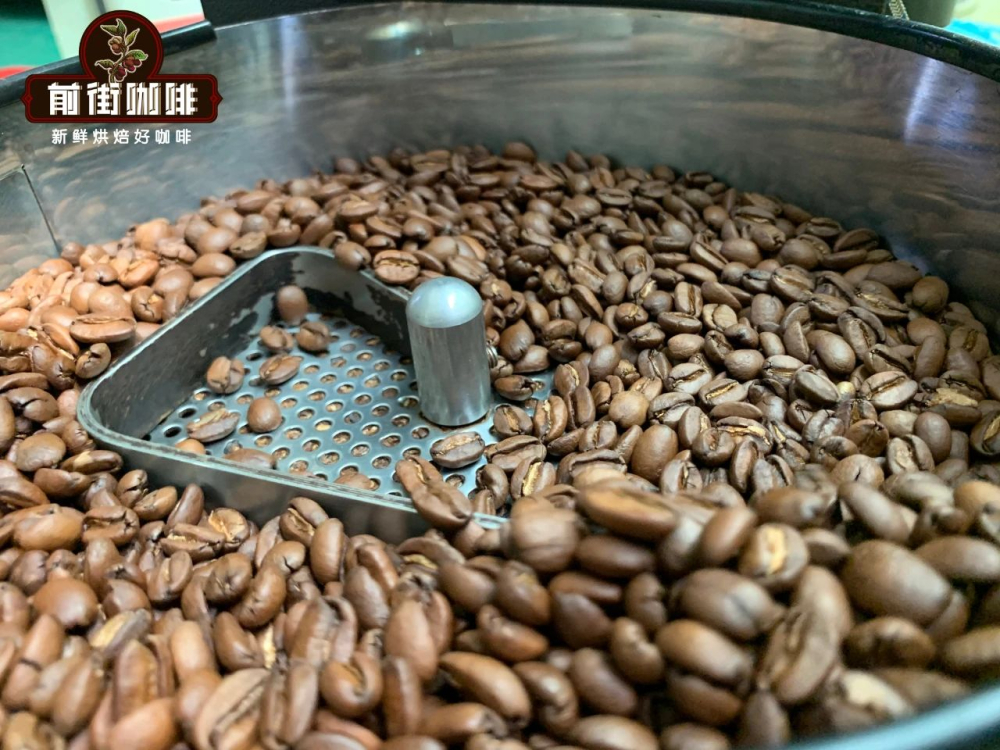
In specific practice, you can use 15 grams of coffee, blooming with 30 grams of water for 25 seconds; then slowly pour water in the center to reach 125 grams for the first pour. When the water level drops by about two-thirds, pour again to 225 grams to complete the extraction. This approach effectively avoids over-extraction while bringing out the rich sweetness and full-bodied aftertaste of the dark roast beans.
The final brewed dark roast coffee usually has a bold mouthfeel. Upon tasting, you’ll immediately notice a distinct chocolatey sweetness, complemented by subtle fruity acidity, with the finish highlighted by a long-lasting caramel aftertaste. This flavor profile is the unique charm that dark roast coffee can deliver with precise brewing.
The above content is compiled by CoffeeHunters, a coffee news website.


