








Introduction:For beginners just getting into pour over coffee, the wide variety of single-origin coffee beans can often be overwhelming when it comes to choosing. Based on actual flavor profiles, this article categorizes common single-origin beans into five major types: those with prominent floral and fruity notes, those with distinct fermentation characteristics, those with balanced flavors, those with wine-like aromas, and those with high body. It also delves into the classic producing regions and bean varieties that represent each type, while analyzing how different processing methods influence flavor. Additionally, practical recommendations on grind size, water temperature, and brewing time for pour over are provided to help you find the beans that best suit your taste.
With the rise of specialty coffee culture, pour over has become a daily enjoyment for many coffee enthusiasts. However, facing the numerous single-origin beans available on the market with varying origins and processing methods, beginners often feel at a loss. Baristas, through long-term customer service, have observed that the flavor characteristics of different regions can generally be grouped into five types: those excelling in floral and fruity aromas, those with noticeable fermentation notes, those with overall balanced flavors, those with wine-like aromatic qualities, and those with a rich and full-bodied mouthfeel. Understanding these categories can help you choose your desired beans with more direction.
The so-called regional flavor refers to the unique flavor profile formed by the combined influence of multiple factors such as the altitude, climate conditions, soil characteristics, planted varieties, and post-harvest processing methods of the coffee-growing region. The most commonly seen single-origin beans in the general consumer market mostly belong to the Arabica species, which can be further subdivided into varieties such as Typica and Bourbon. These innate and acquired conditions intertwine to create diverse expressions of coffee in terms of aroma, acidity, sweetness, and body.
< >
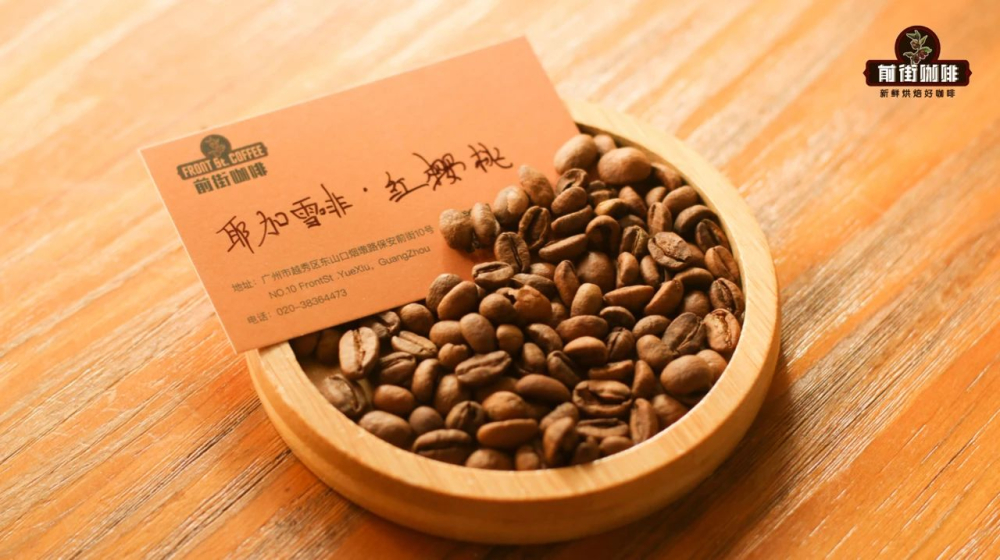
Floral & Fruity Prominent Type: Ethiopia Yirgacheffe Red Cherry Natural
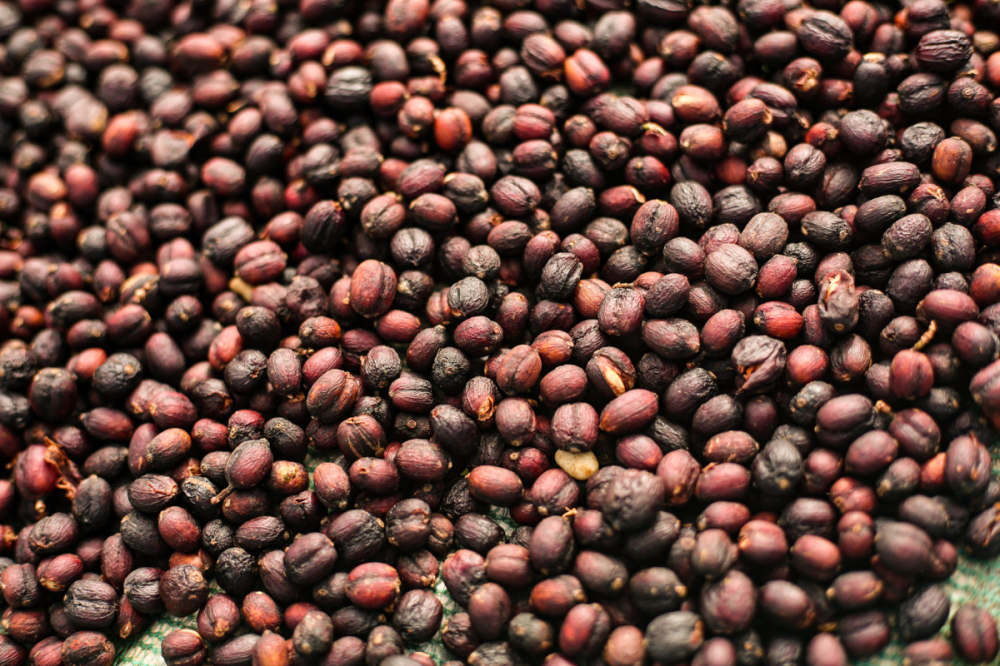
When it comes to the most representative floral and fruity flavor region, none surpasses Ethiopia’s Yirgacheffe. The coffee produced in this area often features pronounced citrus and lemon notes, accompanied by delicate floral aromas. Among them, the Kurume variety unique to Yirgacheffe is a group of varieties that have evolved over time to adapt to the special environment and is also a microcosm of the region’s flavor. Local producers mostly use the washed method to maintain a clear acidity, but the natural (sun-dried) processing method has become increasingly popular recently, bringing out richer sweetness and ripe fruit flavors.
This Red Cherry Natural coffee comes from highlands at an altitude of 1800–2200 meters and is made from Ethiopian native varieties using the natural processing method, resulting in flavors of lemon, licorice, berries, and sweet orange. It has a high sweetness level with an aftertaste that carries notes of black tea and caramel. It should be noted that Ethiopia’s coffee varieties are extremely diverse, and to protect varietal genetics, the government often refers to them collectively as “native varieties,” which actually hold significant genetic value. In recent years, new varieties with numerical names have gradually appeared in COE competitions.
< >
Fermentation-Prominent Type: Costa Rica Honey Process Strawberry Sugar Geisha Blend
The Tarrazú region of Costa Rica is known for producing high-quality, high-acidity, and aromatic coffee. The recently emerged honey process (Honey Coffee), improved from Brazil’s pulped natural method, is characterized by retaining the mucilage layer of the coffee fruit and allowing sugar to fully penetrate the bean through sun exposure, enhancing sweetness and aroma. While this method can bring out intense fruitiness and a full body, it also carries high risks, as slight mishandling can easily lead to over-fermentation or mold.
The Strawberry Sugar Geisha Blend from Mirasol Estate is grown at an altitude of 1700 meters and combines varieties such as Geisha, ET47, SL28, and MACIO. It uses the raisin honey process, which retains 100% mucilage and involves zero water washing — placing extremely high demands on timing and technique. This bean offers flavors of jasmine flower, raisin fermentation aromas, gentle fruit acidity, and an almond-like sweetness in the aftertaste, making it highly suitable for drinkers who enjoy a combination of fruitiness and sweetness.
< >
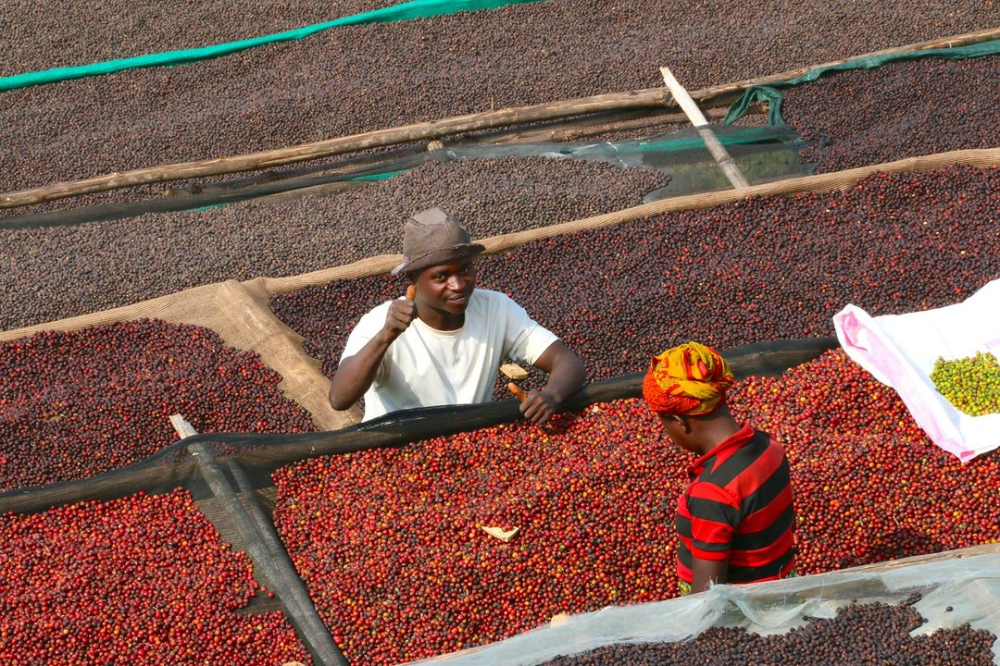
Balanced Flavor Type: Brazil Queen Estate Yellow Bourbon
As the world’s largest coffee-producing country, Brazil’s coffee flavors have a highly distinctive profile. Primarily consisting of the Bourbon variety, grown on highland plains and managed through large-scale mechanization, Brazilian coffee tends to have stable and consistent flavors. Brazilian coffee typically exhibits low acidity, high body, and pronounced notes of nuts and chocolate.
The Yellow Bourbon from Queen Estate is grown in the Mogiana region at an altitude of 1400–1900 meters, using the pulped natural (semi-washed) processing method. This method falls between natural and washed processes: the fruit skin and pulp are first removed, then some mucilage is retained and the beans are directly sun-dried, helping improve cleanliness and consistency in ripeness. Its flavor characteristics include rich nut and dark chocolate aromas, along with the sweetness of fermented fruits and a hint of lemon note, delivering an overall rounded and layered mouthfeel.
< >
Wine-Like Aroma Type: Colombia Sidra
Anaerobic fermentation is an innovative technique where fermentation takes place in a low-oxygen or oxygen-free environment. Compared to traditional natural fermentation, it allows for more precise control over variables such as temperature, time, and pH, thereby guiding specific aromas and flavor profiles. This method often imparts rich fruitiness and wine-like aromatic characteristics to the coffee.
Colombia’s Sidra coffee is a prime example of anaerobic fermentation, often featuring complex aromas such as passion fruit, grape, apricot, and dried fruit. It achieves a well-balanced acidity and sweetness with distinct layers, making it highly suitable for coffee lovers who enjoy the interplay of wine-like and fruity notes. Although this processing method can elevate flavor expression, it also demands very high control over the production process, making it a choice for advanced coffee tasting.
Higher Body Type: Indonesia PWN Golden Mandheling
Among Asian producing regions, the Mandheling coffee from Sumatra, Indonesia, is renowned for its rich and full-bodied mouthfeel. The region’s humid and rainy monsoon climate, fertile volcanic soil, and historically disease-resistant varieties (grown in response to leaf rust) contribute to its unique flavor profile. The wet hulling (Giling Basah) process, unique to the area, enables quick drying of the beans in a rainy environment, though it can also lead to a relatively higher defect rate.
The PWN Golden Mandheling is selected from Sumatra at an altitude of 1100–1600 meters, with the Ateng variety, processed using the wet hulling method. It presents flavors of rich nuts, caramel, chocolate, and spices, with a long-lasting and balanced full body. Exported by the well-known Indonesian PWN coffee company, this bean is recognized in the market as a high-quality representative. Though there may be slight brand differences compared to Japan’s “Gold Top Mandheling,” the flavor performance is similar — both are classic choices for Mandheling enthusiasts.
< >
Practical Pour Over Parameter Recommendations
For different flavor types of coffee beans, it is recommended to use different pour over equipment and parameter settings. For example, beans with prominent floral and fruity notes or noticeable fermentation characteristics, such as Ethiopia Yirgacheffe Red Cherry Natural and Strawberry Sugar Geisha Blend, are recommended to use a V60 filter, with a grind size of about EK43s setting 10 (80% passing through a #20 sieve), water temperature controlled at 90–91°C, a coffee-to-water ratio of 1:15, and a three-stage extraction with a total brew time of about 1’55” to 2’00”. For higher-body beans like Mandheling and Brazilian Yellow Bourbon, it is suggested to switch to a Kono filter, adjusting the grind size to EK43s setting 11 (75% passing rate), slightly lowering the water temperature to 88–89°C, maintaining the same 1:15 coffee-to-water ratio, and controlling the three-stage extraction time between 2’05” and 2’15”.
If you don’t have a sieve at home, you can also judge grind coarseness by observing the flow speed during brewing: fast water flow indicates a grind that is too coarse, while slow flow may mean it’s too fine. Mastering these basic parameters and techniques will allow you to more accurately extract the unique flavors of each coffee bean.
< >
The above content is compiled by CoffeeHunters, a coffee news website.


