







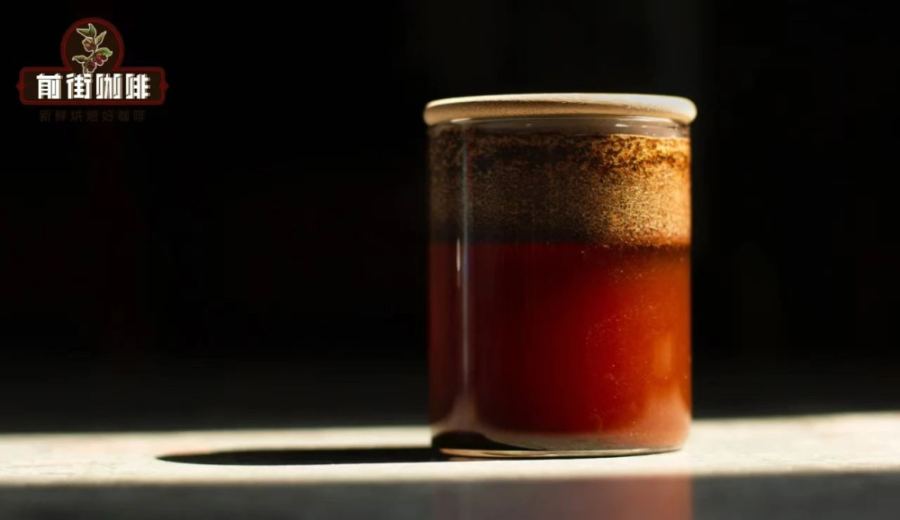
Introduction:Cold brew coffee, known for its simplicity and high tolerance to brewing errors, has become the go-to choice for many coffee enthusiasts when making iced coffee at home. However, to brew a cup of cold brew with balanced flavor and distinct layers, three key parameters—coffee-to-water ratio, grind size, and steeping time—are crucial. This article will delve into their impact on flavor and provide practical parameter suggestions along with flavor reference profiles, helping you easily master the brewing essentials of cold brew coffee.
Cold brew is extracted through low-temperature, long-duration immersion. Compared to pour over or espresso, it demands less technical skill and equipment. Even without professional gear at home, you can still make a refreshing glass of iced coffee. However, to achieve the ideal flavor profile, several core parameters must be taken into account: coffee-to-water ratio, grind coarseness, and steeping duration. These factors influence each other, and any imbalance may result in a flat, thin-tasting brew, or even one with noticeable bitterness.
Based on multiple experiments and tastings, it is recommended that thecoffee-to-water ratio for cold brew be controlled between 1:12 and 1:13. This range achieves a good balance between strength and smoothness. If the ratio exceeds 1:13—for example, using too much water to brew a small amount of coffee—the overall flavor may turn out diluted and lack complexity. Conversely, a ratio below 1:12 results in higher coffee concentration, often leading to a heavy mouthfeel and poor drinkability.
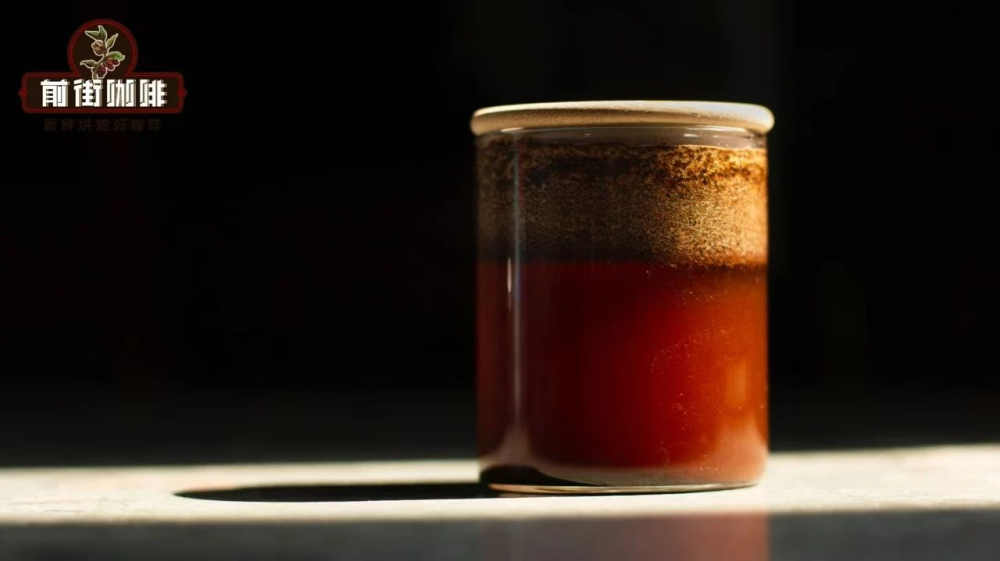
Grind size is another critical factor affecting cold brew flavor. Cold brew is an immersion-style extraction process that takes place in a low-temperature environment over an extended period, which is quite different from high-temperature, fast-extraction methods such as pour over or espresso. In cold brew,the grind size should be close to that of pour over—ideally with a 20-mesh sieve passing rate of 70% to 85%. This particle size ensures even extraction while avoiding both over- and under-extraction.
Why not grind too fine? Because the cold brew process can last several hours or even over twenty hours. If the coffee is ground too finely, it tends to clump and settle at the bottom, preventing the cold water from evenly contacting all coffee particles. This not only reduces extraction efficiency but may also lead to localized over-extraction, negatively affecting the overall flavor. Therefore, choosing a medium-coarse grind similar to that of pour over better leverages the stability of cold brew.
As for steeping time, the general recommendation is8 to 24 hours. The duration directly determines how much soluble material is released from the coffee, thereby influencing flavor intensity and layering. Too short a steeping time (below 8 hours) means that the coffee’s acidity and aromatic compounds haven’t been fully extracted, resulting in a beverage that might taste like flavored water with little character. Steeping beyond 24 hours can extract excessive woody or nutty off-flavors, making the coffee taste bitter and heavy.
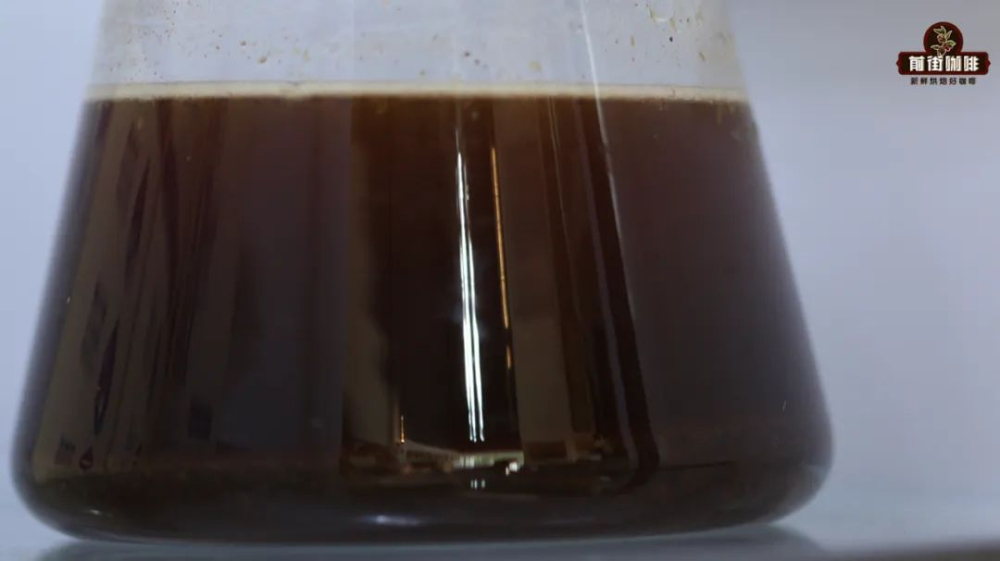
So, what flavor differences can occur within the 8 to 24-hour window? Since cold brew takes place at low temperatures (around 4–10°C), the extraction process is slow, and hourly changes are relatively subtle compared to pour over or espresso. Nevertheless, the following trends can still be clearly observed:
- Steeped for 8 hours: The flavor tends to be bright and refreshing, with lively acidity—ideal for those who prefer a clean taste. It often showcases light citrus or berry-like notes.
- Steeped for 16 hours: This is the golden window for balanced flavor, offering a mix of acidity and sweetness, a rounded mouthfeel, and more complex layers—suitable for most palates.
- Steeped for 24 hours: The flavor becomes richer and more intense, with a blend of bitterness and sweetness, often presenting caramel, nutty, or woody tones—ideal for those who enjoy deeper profiles.
By combining grind size (based on a 20-mesh sieve passing rate of 70%–85%, divided into coarse, medium, and fine) with steeping time (divided into short, medium, and long durations), the following practical brewing combinations are recommended:
- Coarse grind + long steeping time (e.g., 20–24 hours): The easiest and most forgiving combination, suitable for beginners or those short on time. Just refrigerate and filter after the set time.
- Medium-fine grind + medium steeping time (e.g., 12–16 hours): Reduces total brewing time while retaining a refreshing taste—ideal for users seeking both efficiency and flavor.
- Fine grind + short steeping time (not recommended): Prone to over-extraction and sediment issues. Unless carefully controlled, this combination carries higher flavor risks.
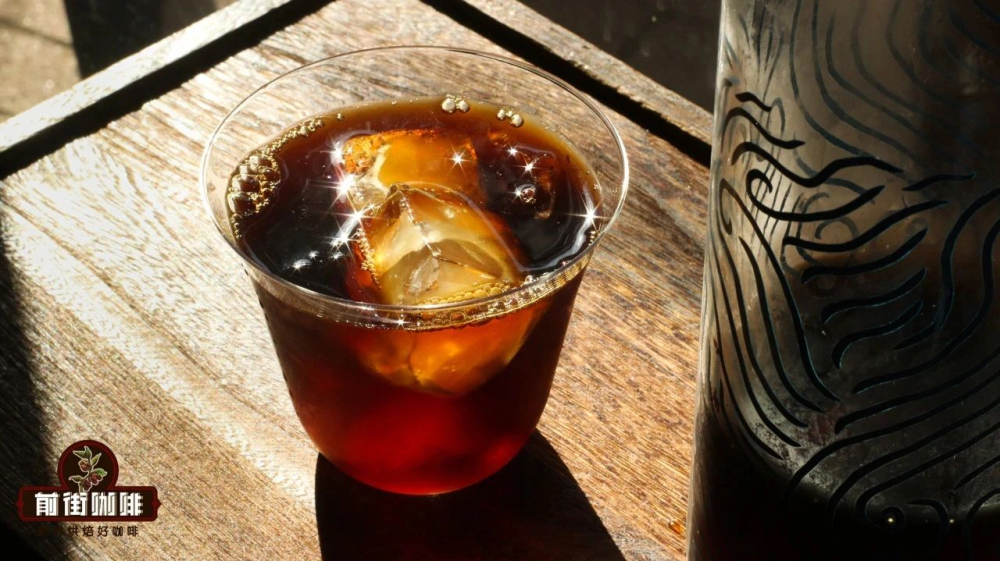
For actual brewing, it is recommended to use light to medium roasted coffee beans, which typically feature bright acidity and fruity aromas, making them well-suited to showcasing the refreshing qualities of cold brew. Use about 40 grams of coffee beans, ground to a coarseness where 85% passes through a 20-mesh sieve. Place the grounds in a clean, airtight container, add 480 milliliters of cold water, stir gently to ensure even saturation, then cover and refrigerate.
A general recommendation is to steep for 12 hours, after which you can filter out the grounds and enjoy. For a rounder flavor, you may also refrigerate the filtered coffee liquid for an additional 4 hours to allow further flavor integration. The resulting cold brew usually offers a gentle balance of sweet and sour notes, possibly accompanied by berry, floral, or citrus undertones, with a finish often featuring nutty or candied sweetness. Overall, it presents a refreshing and layered drinking experience.
The above content is compiled by CoffeeHunters, a coffee news website.


