







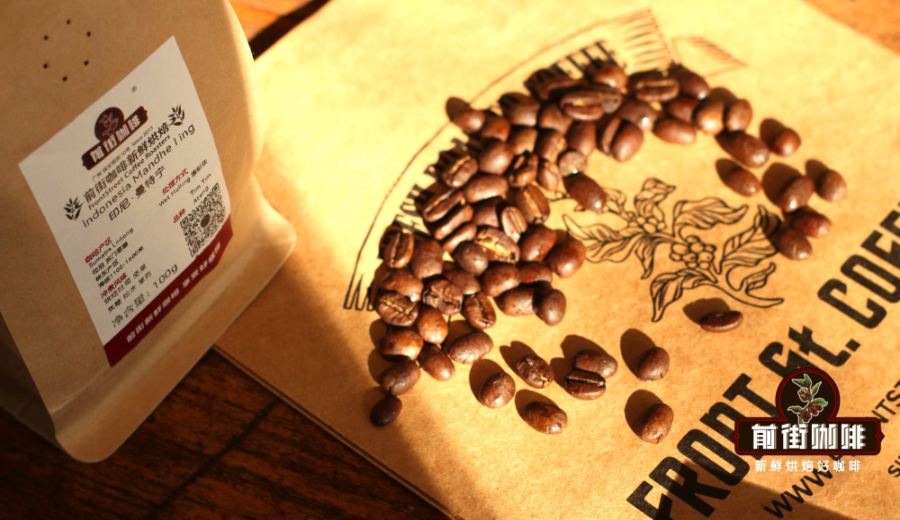
Introduction:Indonesian Mandheling is renowned for its rich herbal aroma and full-bodied flavor, making it a top choice for many coffee beginners exploring dark-roast beans. This article delves into the distinct characteristics of various Mandheling profiles within the family—such as Lintong, Golden, Tiger, and aged Mandheling—and provides a detailed breakdown of a well-known coffee brand’s espresso extraction parameters and practical workflow for Mandheling. From grind size and dose to brew time, we’ll guide you step-by-step through mastering the key techniques. Additionally, we trace the origins of the name “Golden Mandheling” and explore how the associated company, through rigorous selection and trademark registration, has established it as synonymous with premium Mandheling.
When it comes to Indonesian coffee, many people first think of Mandheling. This coffee, originating from Sumatra, is celebrated for its bold herbal notes and low acidity, shaping the classic image of Indonesian coffee. Overall, Indonesian coffees are full-bodied, often exhibiting caramel sweetness and hints of syrupiness, with occasional subtle earthy undertones in the aftertaste.
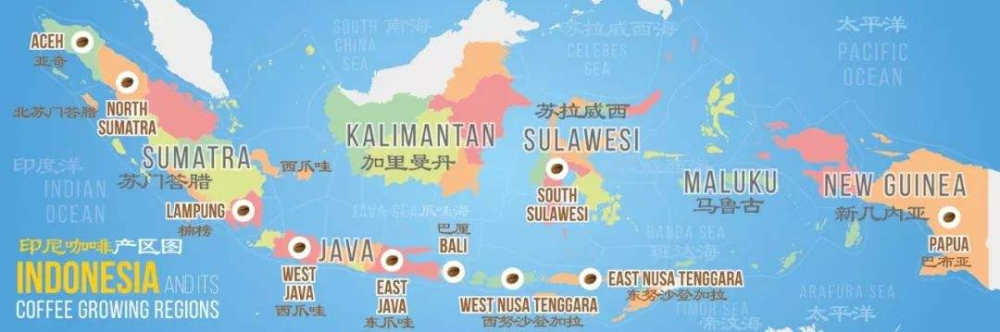
Comprising over 17,000 islands, Indonesia is predominantly situated along the volcanic belt near the equator. The region features a tropical rainforest climate with abundant rainfall, and its volcanic soils are rich in minerals—providing ideal conditions for coffee cultivation. Among these, Java, Sumatra, and Sulawesi are regarded as the most suitable areas for growing high-quality coffee.
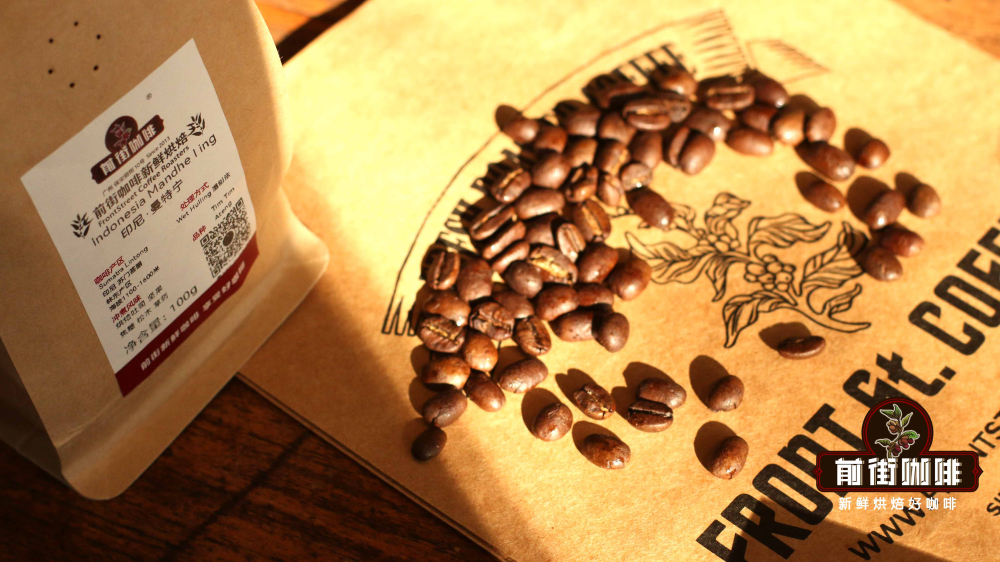
The so-called Mandheling coffee is primarily grown on the island of Sumatra in Indonesia, hence it is also referred to as “Sumatran coffee.” These beans are mainly cultivated at elevations between 750 and 1,500 meters in highland mountainous regions, making Sumatra one of the few Indonesian regions where Arabica varieties dominate. Particularly in the Takengon and Sidikalang areas, the quality of Mandheling is especially outstanding. Even higher elevations (around 1,800 to 1,900 meters), with fertile soil and proximity to lakes, often yield even more refined and premium-grade Mandheling.
The standout features of Mandheling coffee lie in its intense aroma, bold body, and strong flavor profile—especially its unique herbal and spicy notes—which make it a popular entry point for many beginners trying single-origin pour-over brews. Even novice drinkers can easily discern its distinctive character. Beyond pour-over, Mandheling also performs exceptionally well as an espresso or when brewed with a moka pot, showcasing the rich crema and robust layers characteristic of dark roasts.
Below are the recommended espresso extraction parameters for Mandheling from a well-known coffee brand: use a 20g coffee dose, aiming to extract 35g of espresso with a brew time of 25 to 30 seconds. The grind size can be set to -2 on the Galileo grinder (adjusted based on actual extraction time).
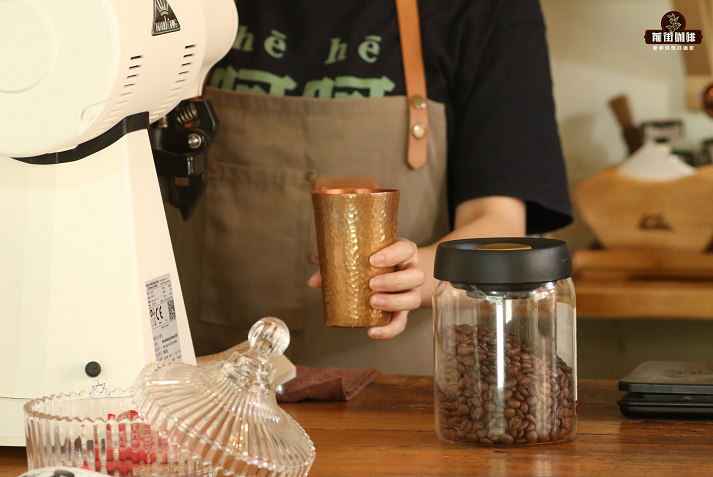
In practice, start by thoroughly drying the portafilter basket, then grind approximately double the dose (about two portions) and weigh it on a scale to fine-tune it to exactly 20g. Next, use a distribution tool to evenly spread the coffee grounds, then tamp firmly to ensure stable water flow and even pressure during extraction.
Before starting extraction, first run water through the group head to rinse away any leftover coffee grounds and preheat it. Then gently lock in the portafilter and begin extraction. When the scale shows around 40g of espresso extracted within a time frame of 28 to 33 seconds, stop the extraction to complete a standard Mandheling SOE shot. For a cold drink option, add ice water to make a Mandheling SOE Americano; for a hot drink, adjust to personal taste by adding 80°C hot water.
To prepare a Mandheling SOE hot latte, use a 1:6 coffee-to-milk ratio. Pour 40g of espresso into a preheated cup, then steam 240g of milk using an espresso machine until the milk is velvety with a temperature between 50–65°C, and finally combine it evenly with the espresso for a well-balanced Mandheling latte.
Within a well-known coffee brand’s bean menu, Mandheling is offered in several versions, including Lintong Mandheling, Golden Mandheling, Tiger Mandheling, and Aged Mandheling. Among them, Lintong Mandheling and Golden Mandheling are the two most popular flagship offerings.
As an entry-level option, Lintong Mandheling comes from the Lintong mountainous region in north-central Sumatra, near Lake Toba, which is why it is also called Lintong Mandheling. These beans are processed using the traditional wet-hulled method locally and roasted to a medium-dark level. This approach not only highlights chocolate, nut, and buttery aromas through caramelization but also retains distinctive notes of spices, herbs, and cedar, resulting in a pronounced flavor profile and excellent value—making it highly suitable for everyday drinking.
Another highly acclaimed option is Golden Mandheling, sourced from Lake Tawar in the Gayo Mountains of northwestern Sumatra, and exclusively purchased and carefully selected by Pwani Coffee Company (abbreviated as PWN). PWN holds a prestigious reputation in Indonesia’s coffee industry, monopolizing the supply of green beans from the region’s highest-quality producing areas, and Golden Mandheling is its flagship product.
After procurement, these coffee beans undergo three rounds of manual hand-picking and one round of mechanical screening, with only plump, flawless, and uniformly shaped beans selected. Only those that pass all stringent quality checks can bear the name “Golden Mandheling.” The associated company has registered this name as a trademark—in other words, only Golden Mandheling produced by this company is considered authentic. The actual production volume of this bean is limited, and each bag of Golden Mandheling green beans sold by the well-known coffee brand bears the company’s anti-counterfeiting label and certification, ensuring authenticity and traceability of quality and origin.
The above content is compiled by CoffeeHunters, a coffee news website.


