







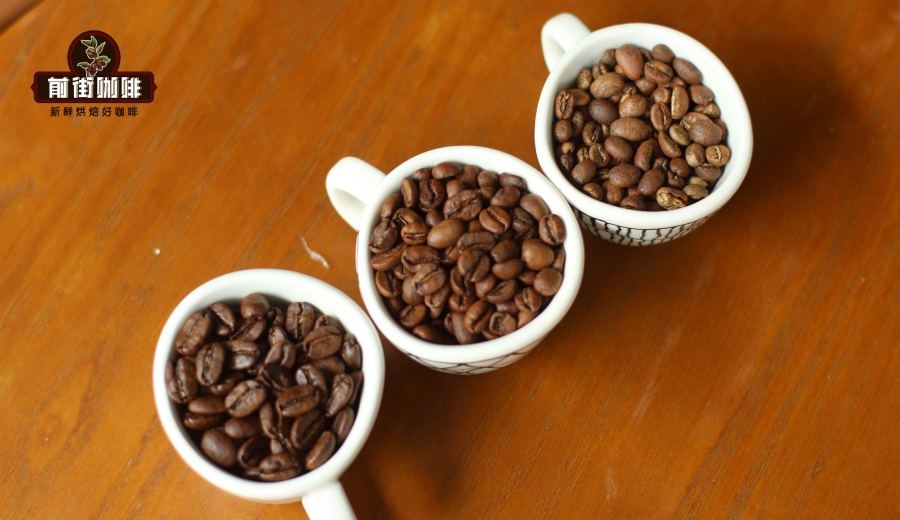
Introduction:Dark roasted coffee beans are beloved for their rich caramel aroma and bold flavor, but improper extraction can easily result in bitterness overpowering sweetness. This article will delve into the flavor characteristics of dark roast coffee and introduce a common Japanese pour-over technique known as high-concentration low-extraction. It will help you bring out the unique aftertaste and complexity of dark roasts by using appropriate coffee-to-water ratios, water temperatures, and grind sizes. Practical brewing suggestions and parameters are also provided, making it ideal for coffee enthusiasts looking to brew high-quality dark roast pour-overs at home.
Dark roasted coffee beans, subjected to prolonged high-temperature treatment, undergo more pronounced caramelization, often emitting intense aromas of caramel, nuts, and dark chocolate, along with a fuller body and smoother mouthfeel. However, many people brewing dark roast beans at home often encounter issues such as excessive bitterness and lack of lingering sweetness. This is usually due to over-extraction or improper coffee-to-water ratios.
In fact, with the right extraction techniques, dark roast coffee can also showcase rich sweetness and a long finish. This article will use practical examples to guide you through using the “high-concentration low-extraction” method to brew a dark roast coffee that is bold yet not bitter, with a distinct aftertaste. Detailed parameters and steps are provided to help you easily replicate professional-level flavors at home.

Before discussing brewing techniques, let’s first revisit the basic classifications of coffee roasting. Although the professional field divides roast levels into as many as eight stages, for general consumers, it’s usually sufficient to distinguish between light, medium, and dark roasts. The hallmark of dark roast coffee lies in its longer roasting time, darker bean color, glossy surface, and often pronounced aromas of caramel, wood, and smoke. These beans are generally full-bodied and suited for those who prefer a bold flavor profile.
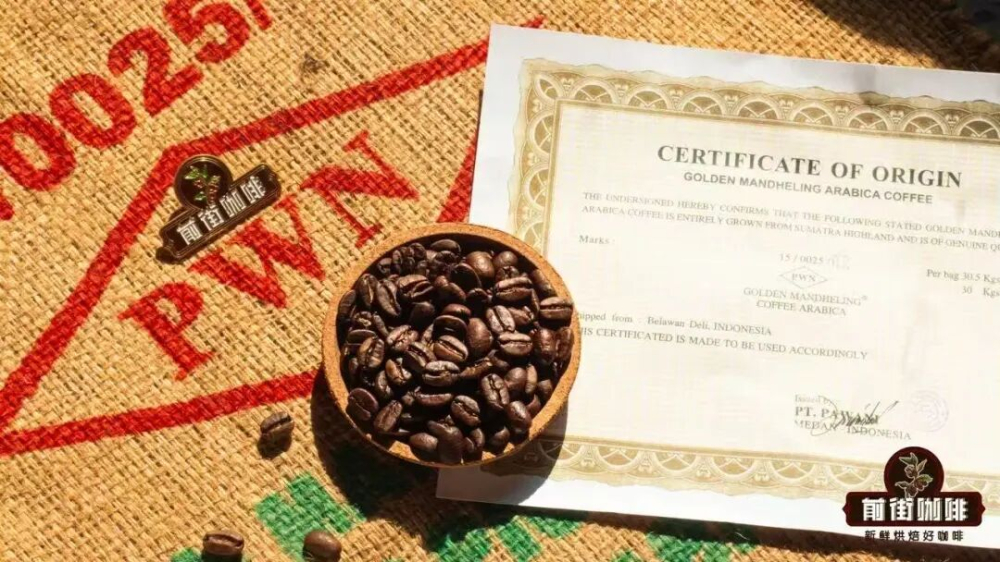
Due to the high degree of roasting, the internal compounds of dark roast beans undergo dramatic changes, with some of the original fruit acids and floral-fruity notes transformed into deeper sweetness and spicy undertones. Additionally, more coffee oils are released during the dark roasting process, which helps enhance the overall smoothness and body of the cup. Common examples in the market include Golden Mandheling, commercial-grade espresso blends, or high-quality Blue Mountain No.1, all of which represent the dark roast flavor profile.
For those new to dark roast coffee, selecting the right beans and brewing method is especially important. It’s recommended to choose beans based on personal taste preferences, brewing equipment, and desired flavor direction, or to consult experienced baristas or retailers to more accurately find your ideal dark roast coffee.
So, how should dark roast coffee grounds be brewed to bring out the best flavor without being too bitter or astringent? The key lies in adjusting the coffee-to-water ratio and extraction strategy. Many Japanese pour-over masters adopt the concept of “high-concentration low-extraction,” which means increasing the coffee-to-water ratio to achieve slightly higher concentration, while controlling extraction time and water temperature to reduce over-extraction and the resulting bitterness, thereby making sweetness and aftertaste more pronounced.
However, some people attempting high-concentration low-extraction for the first time may, due to an overly high coffee-to-water ratio, find that the later stages of flavor are not fully released. Although bitterness is suppressed, the overall complexity and contrast may decrease, making the aftertaste less prominent. Therefore, finding the right balance is crucial.

To fully showcase the aroma and layers of dark roast coffee, it’s recommended to use freshly ground coffee and brew it immediately after grinding to prevent aroma loss. Below is a set of practically tested and effective parameters for dark roast pour-over, using Jamaican Blue Mountain No.1 as an example, suitable for those seeking a rich and sweet aftertaste.
Coffee dose:15 grams
Coffee-to-water ratio:1:14
Water temperature:89°C
Grind size:Approximately 10.5 on the Ek43 grinder, equivalent to 70%–75% passing rate through a #20 sieve
Filter cone:Kono
Total extraction time:Approximately 2 minutes and 03 seconds
This time, the coffee-to-water ratio is adjusted to 1:14, which is more approachable compared to the previously tested 1:13. If it still feels too strong, you can add an extra 15 to 30 milliliters of hot water for bypass dilution. Begin with a 30-second bloom using about 30 milliliters of hot water to release carbon dioxide from the coffee grounds and lay the foundation for subsequent extraction.
After the bloom, pour approximately 100 milliliters of hot water in a slow, steady stream with a wide circular motion. Once it has drained, switch to a small, slow stream and pour another 80 milliliters in a tighter circle. The smaller stream helps extend the extraction time, allowing sweet compounds to be released more fully, while avoiding over-extraction and bitterness.
The entire extraction process is controlled to around 2 minutes. The combination of time and flow rate effectively enhances body and sweetness while suppressing unwanted off-flavors. The finished coffee offers a layered profile of dark chocolate, nuts, and spices upon entry, followed by a gradually emerging sweetness, such as the soft aftertaste of maple syrup and cream, leaving a memorable impression.
In summary, although dark roast coffee has an intense flavor, using the right coffee-to-water ratio and gentle extraction methods—such as high-concentration low-extraction—can effectively enhance sweetness and aftertaste while reducing bitterness. We hope the parameters and process provided in this article will help you brew a bold, sweet, and satisfying dark roast pour-over at home, offering a richer coffee experience.
The above content is compiled by CoffeeHunters, a coffee news website.


