







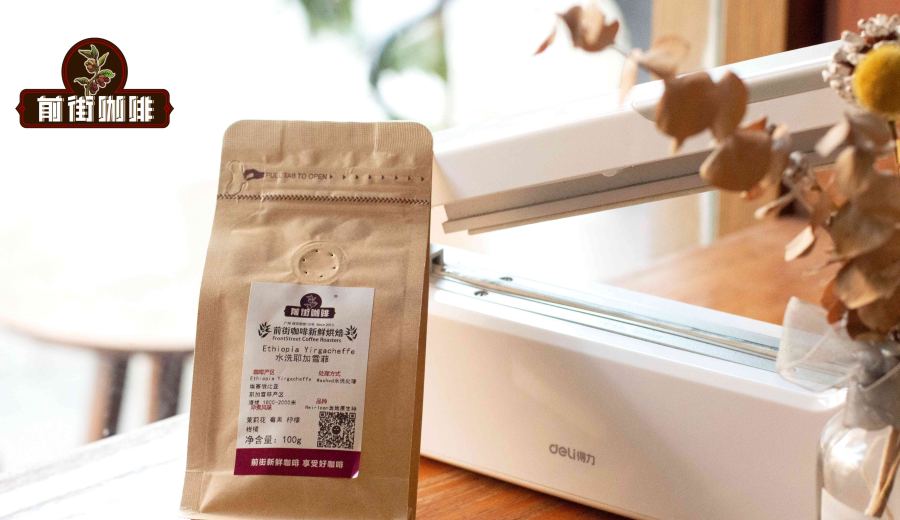
Introduction:Want to understand the unique flavors and pour over tips of the Yirgacheffe Gudina washed coffee beans? This article takes an in-depth look at this high-altitude Ethiopian coffee bean, covering everything from the regional background and washed processing method, to practical V60 brewing settings and a three-stage pouring technique. Learn the key skills for light to medium roast pour overs, improve extraction stability, and enhance flavor complexity.
Yirgacheffe is renowned for its bright citrus, lemon, berry acidity, and delicate floral notes, making it a typical high-altitude Arabica region well-suited for light to medium roasts and pour over brewing. Using the washed beans from the Yirgacheffe Gudina Cooperative as an example, this article details the regional characteristics, washed processing procedures, and offers practical pour over parameters using a V60 filter with 92°C water and a 1:15 coffee-to-water ratio. It also explains the specific operations for the three-stage blooming and pouring process, enabling even beginners to consistently extract coffee with clear fruity acidity and tea-like qualities.
The Yirgacheffe region is located in southern Ethiopia and is home to over forty coffee-producing cooperatives. Many micro-regions, such as Kochere, Guji, and Gedeb, are known for producing distinct coffees thanks to their unique terroir. Among these cooperatives, the Gudina Cooperative has gradually become a focal point for specialty coffee enthusiasts due to its consistent quality and vibrant fruitiness. The cooperative is situated in the Wolkite area, at the southeastern edge of Yirgacheffe. It was originally part of the Wolkite Cooperative under the Yirgacheffe Coffee Farmers Cooperative Union (YCFCU), until it became independent in 2012 and was officially named the Gudina Cooperative. With around 300 farmer members—most of whom have extensive planting and processing experience—the region’s altitude ranges between 1,900 and 2,300 meters, making it highly suitable for cultivating high-altitude coffee varieties.
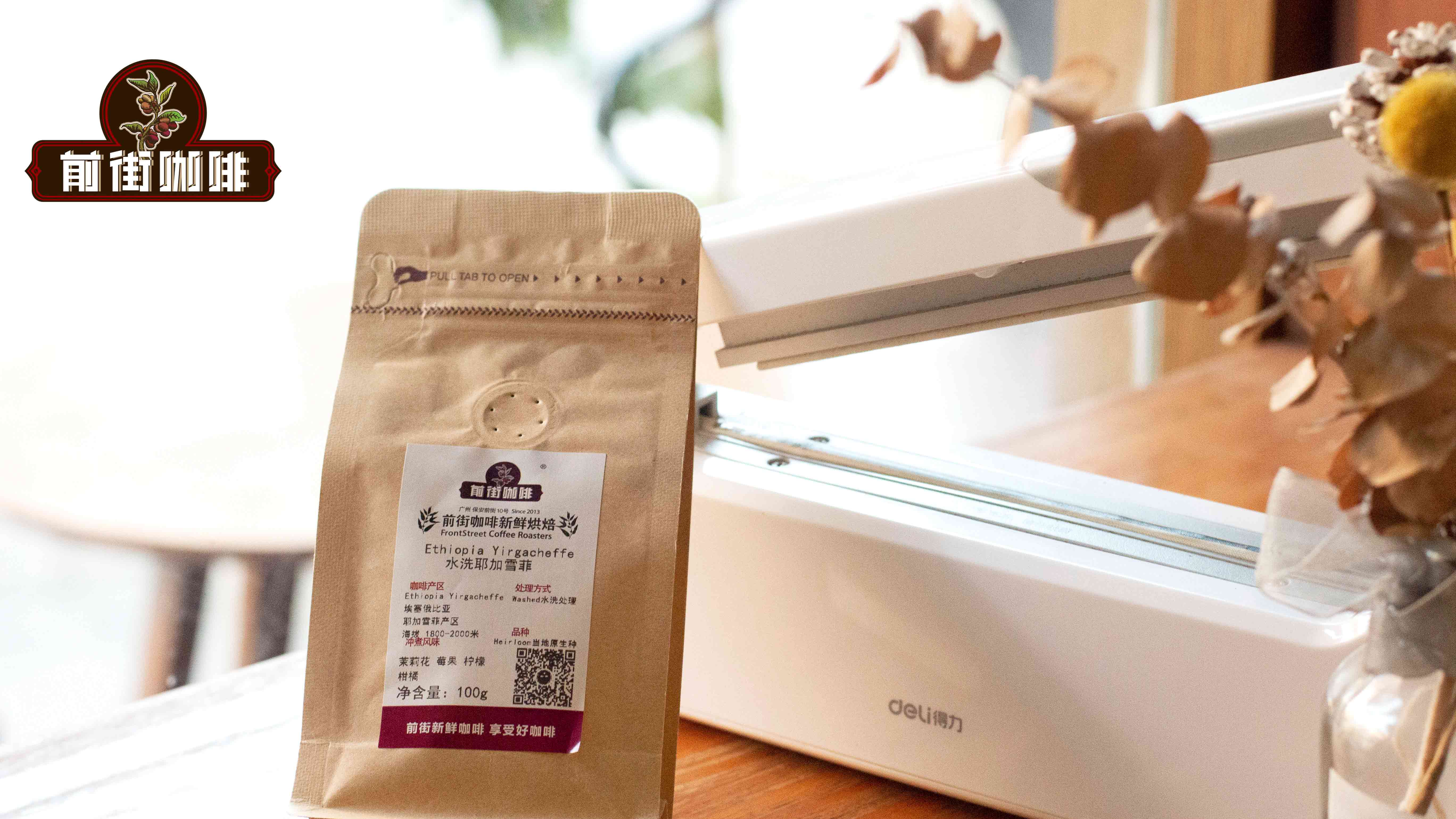
As one of the earliest individually designated village areas, Gudina Village inherits mature and stable coffee production techniques from the Wolkite Cooperative. The cooperative employs both washed and natural traditional processing methods, with the washed process being particularly popular in the market for highlighting clean, bright acidity and floral-fruity profiles. The Yirgacheffe Gudina washed beans are of the Heirloom variety, Grade 1, and often exhibit layers of berry, cream, honey, and citrus flavors. They offer a refreshing taste with a distinct juicy sensation, making them a top choice for pour over enthusiasts.
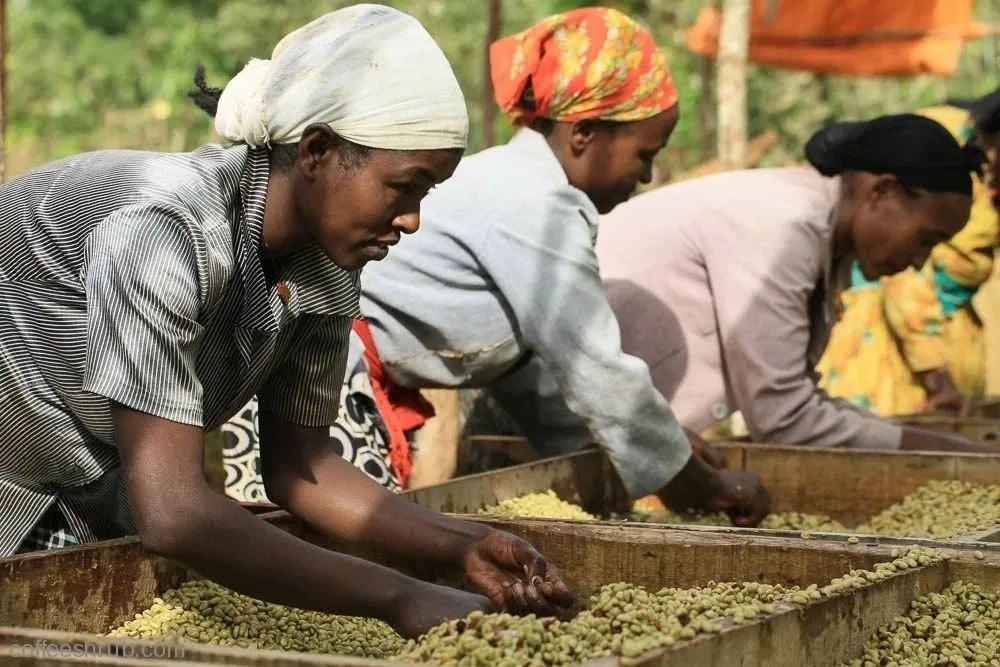
The processing of these coffee beans follows traditional washed methods. First, a pulper is used to remove the skin and pulp of the coffee cherries. The resulting mucilage-covered parchment beans are then placed in fermentation tanks for 18 to 36 hours. The fermentation time is adjusted according to local temperature and humidity to ensure the mucilage layer is fully broken down. After fermentation, the parchment beans enter washing channels, where they are brushed and rinsed with water for about 30 to 60 minutes. This stage not only cleans the bean surface but also uses the flow rate and water density to sort and remove lower-quality beans.
Once washed in the channels, the parchment beans are moved to African-style raised beds for drying over approximately 14 days. During drying, the beans are turned evenly to ensure a steady decline in moisture content. After drying, the parchment beans are first stored in the processing facility’s warehouse and then sent to a dry mill before export. At the mill, they undergo multiple processes including hulling, foreign matter removal, silver skin polishing, gravity sorting, and color sorting to ensure consistent quality of each bean before packaging and export.
For brewing this Yirgacheffe Gudina washed coffee, it is recommended to use a Hario V60 filter, with 92°C water, 15 grams of coffee grounds, and a 1:15 coffee-to-water ratio (approximately 225 ml total water). The grind size should be medium-fine, with an 80% passing rate through a Chinese standard No. 20 sieve—roughly similar to the coarseness of fine sugar. This helps balance flavor extraction and ensures a smooth mouthfeel. If using an EK43s grinder, it is suggested to set the grind to around 10, though fine-tuning may be needed based on actual extraction results.
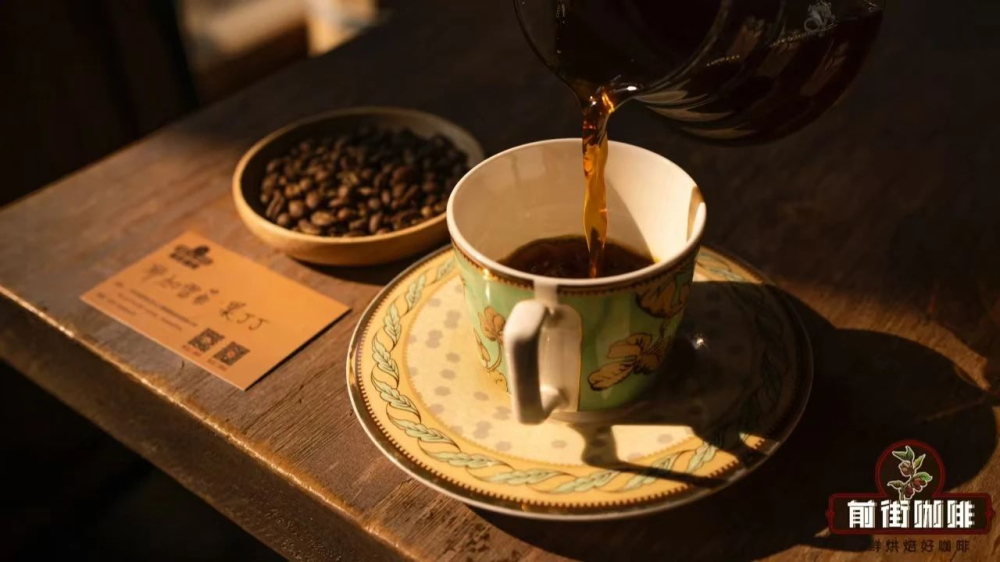
In practice, a three-stage pouring method is recommended to achieve even extraction and enhance flavor complexity. For example, using 15 grams of coffee and a total of 225 ml of water, the three pours can be distributed as follows: the first pour is 30 ml for a 30-second bloom, the second pour is 95 ml, and the third pour is 100 ml. Here’s how it works: first, wet the filter paper and place it in the V60, then add the 15 grams of ground coffee, gently shake to level, and reset the scale. For the first pour, use a thin stream to pour 30 ml of water in a circular motion from the center outward, starting the timer and allowing the coffee to bloom for about 30 seconds to ensure even saturation. Next, switch to a slightly larger stream and steadily pour the second 95 ml, aiming to reach a cumulative 125 ml by around 55 seconds. This pour should be vertical and even to help lift the coffee bed. Finally, when the liquid level drops to about half, use a small stream to pour the third 100 ml in small circles, controlling the pour area to avoid disrupting the coffee bed structure. The total dripping time should be around 2 minutes. After brewing, give the coffee a gentle swirl before enjoying.
Please note that the above parameters and pouring distribution are only recommendations. You may adjust them based on personal taste preferences, bean freshness, and grinder characteristics. For instance, if you prefer brighter acidity, you can slightly increase the water temperature or shorten the brew time. If you prefer a fuller body, you might reduce the water temperature or extend the total brew time. Pour over brewing is essentially a repeatable experimental process. Understanding how each parameter affects flavor will help you gradually develop your own brewing routine.
The above content is compiled by CoffeeHunters, a coffee news website.


