







Introduction:Choosing the right coffee beans for pour over often gives enthusiasts a headache, especially when faced with a dazzling array of options. This article starts with flavor preferences to guide you through the bean selection logic: whether you’re drawn to floral notes, fruity aromas, or rich body, you’ll be able to find corresponding regions and representative beans. It also analyzes how grind freshness affects flavor, introduces how professional roasters strictly control freshness, and offers practical advice on the taste differences brought by various roast levels—helping you pinpoint your ideal pour over coffee.
When walking into a café or browsing an online platform, many beginners often face choice paralysis with dozens of coffee bean options—what kind of beans are truly best for pour over? The key lies in first clarifying your own flavor preferences. If you enjoy bright floral or vibrant fruity notes, consider single-origin beans with light to medium roasts; if you prefer a rich and full-bodied taste, try carefully selected medium to dark roast beans. Once you understand your taste tendencies, you can then filter options based on regional characteristics and roast levels, avoiding blind purchases.
The charm of pour over coffee lies in its inclusiveness toward beans. Unlike the moka pot, which struggles to showcase layers due to its short extraction time, pour over can fully highlight the unique aromas, flavors, and texture details of beans from different regions. For example, if you love pronounced floral notes, try washed Yirgacheffe from Ethiopia; for those pursuing a rich body, Indonesian Mandheling is worth a shot; if you want a balanced and harmonious flavor, Brazilian Cerrado is a great choice.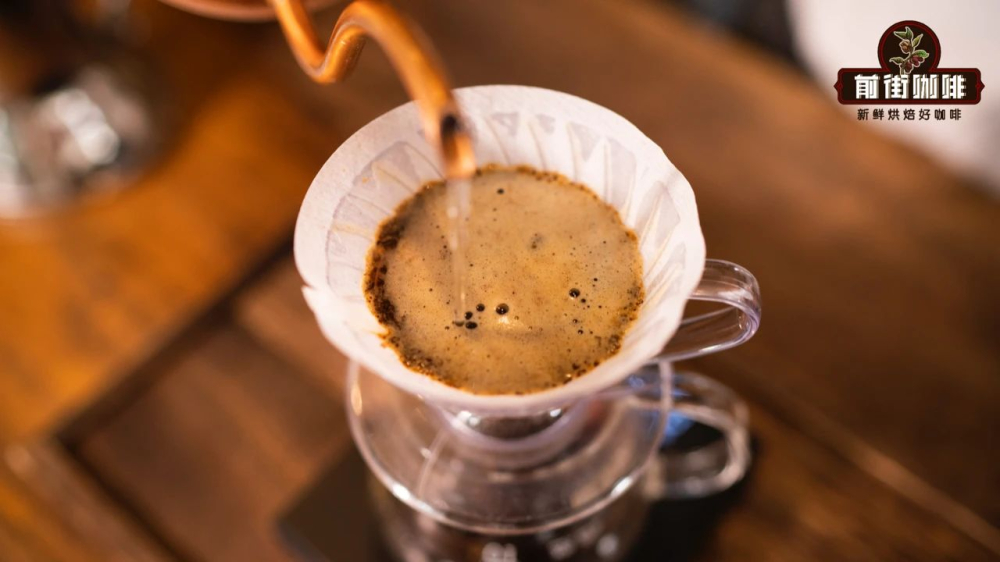
It’s particularly important to note that coffee bean freshness directly impacts flavor performance. Once ground into powder, the surface area exposed to air increases dramatically, accelerating oxidation and causing aromatic compounds to dissipate quickly. Therefore, unless you’re out and unable to carry whole beans, it’s recommended to grind and brew fresh to fully experience the coffee’s essence. Professional roasters usually strictly control freshness—for instance, some only ship beans roasted within the last five days to ensure customers receive them at their optimal drinking window.
Do you lean more toward floral-dominant notes, or bold and rich flavors? If you prefer the former, focus on Ethiopian Huila or Panamanian Geisha. Among them, a well-known estate Geisha from the Baru region in southwestern Panama offers elegant aromas of jasmine, rose, and bergamot, with acidity layers becoming even richer as it cools—offering a uniquely flavorful experience. If you enjoy bold tastes, island-region coffee beans are an ideal choice—these areas are often shrouded in light mist, helping the beans develop multi-layered aromas and a rich body. For example, Jamaican Blue Mountain, with its moderate acidity blended with hints of wine-like notes and nuttiness, is highly favored by seasoned coffee enthusiasts.
For those who prefer a heavier mouthfeel, Indonesian Mandheling or Peruvian coffee are worth trying. Mandheling is processed using the unique wet-hulled method, giving it low acidity, a rich body, and woody undertones; Peruvian coffee, on the other hand, is known for its balanced acidity and sweetness with a soft body. It’s worth noting that each type of coffee bean has its optimal roast level—if the beans naturally have bright citrus fruit notes, too dark a roast can easily mask these characteristics. So when purchasing, don’t hesitate to ask the shop for advice and choose a roast depth that matches the bean’s traits.
Roast level is another key factor influencing the flavor of pour over coffee. Light roast preserves the original fruit acidity and fruity aromas of the coffee cherry to the greatest extent, suitable for those who enjoy bright profiles; medium roast balances acidity and body, offering a richer flavor layer; dark roast brings more intense bitterness and caramel notes, ideal for drinkers who prefer a heavier taste. But remember, there’s no absolute “best roast level”—for example, if a bean’s standout trait is citrusy notes, an overly dark roast may make it taste one-dimensional. It’s recommended to adjust according to personal taste preferences and consult professional roasters’ suggestions to find your perfect roast style.
In summary, selecting pour over coffee beans requires considering flavor preferences, regional characteristics, and roast levels. From bright floral notes to rich chocolate tones, from the lively acidity of light roasts to the bold caramel depth of dark roasts—as long as you grasp the basic principles and pay attention to freshness, even beginners can easily find their ideal beans and enjoy the pure pleasure of pour over coffee.
The above content is compiled by CoffeeHunters, a coffee news website.


