







Introduction:Dive deep into the Hua Kui Natural G1 coffee beans from the Guji Hambella region in Ethiopia’s Sidamo zone. From its origin, processing details to the meaning behind its vintage numbering, this article offers a comprehensive analysis of its unique fruity profile and flavor evolution. Practical brewing recommendations for medium-light roast pour over and iced pour over are provided, including V60 filter use, water temperature control, grind size, and pulse pouring techniques, helping you fully highlight the berry aroma and juice-like mouthfeel of Hua Kui beans.
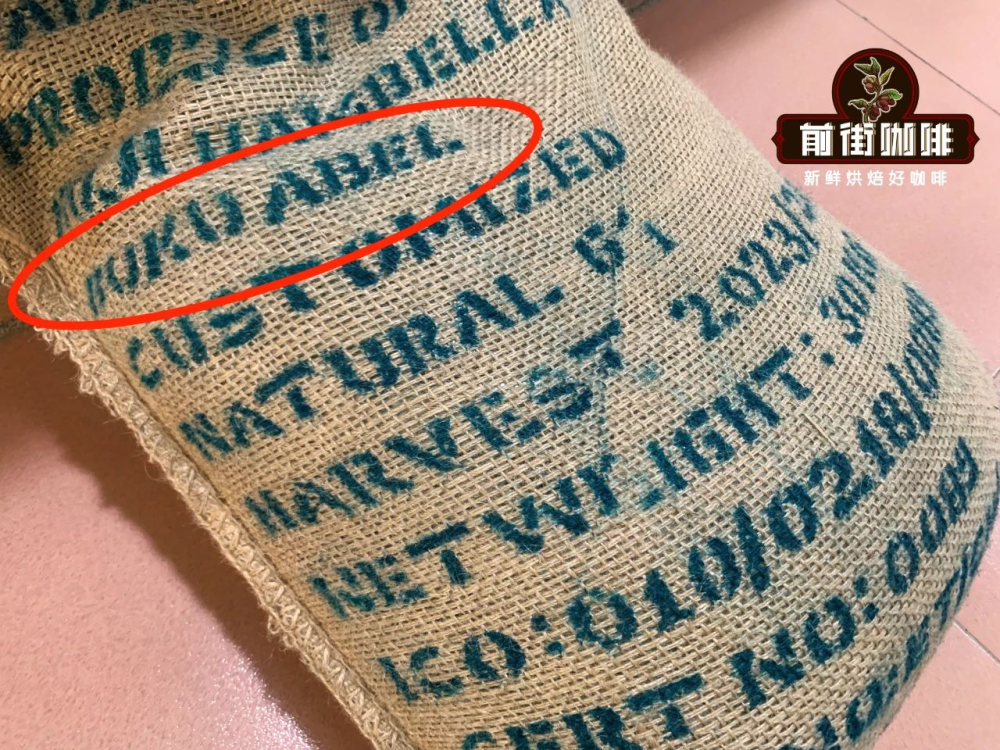
The name “Hua Kui” is exclusive to the Natural G1 grade coffee beans produced in the Guji Hambella region of Ethiopia’s Sidamo zone. Unlike most coffees named after variety or origin, Hua Kui is akin to the version iterations of tech products—each year it debuts in a new “X.0” format, reflecting that season’s flavor characteristics and differences. This article will take you from the source of Hua Kui—the Buku Abel washing station—to understand its development, as well as this coffee bean’s captivating floral and tropical fruit flavor combination, and offer practical pour over and iced pour over tips even beginners can follow.
The Origin of Hua Kui and Its Producing Region
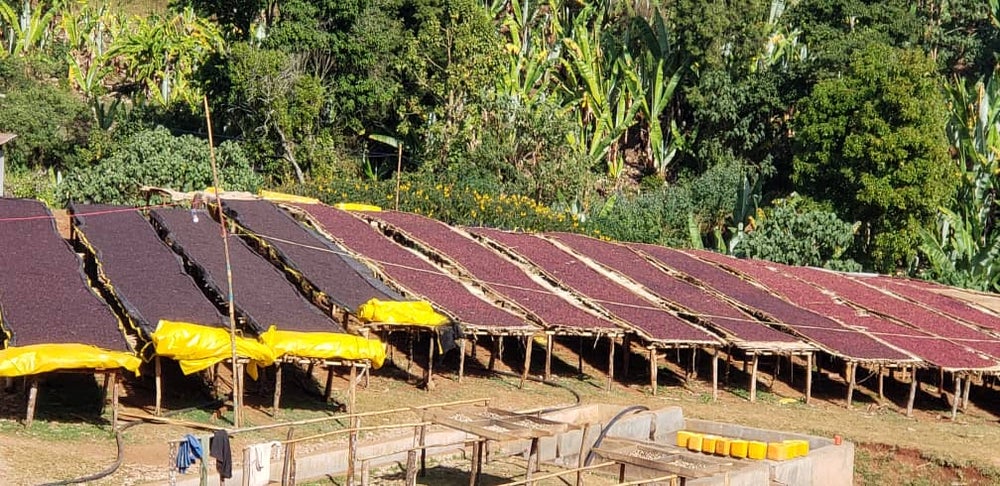
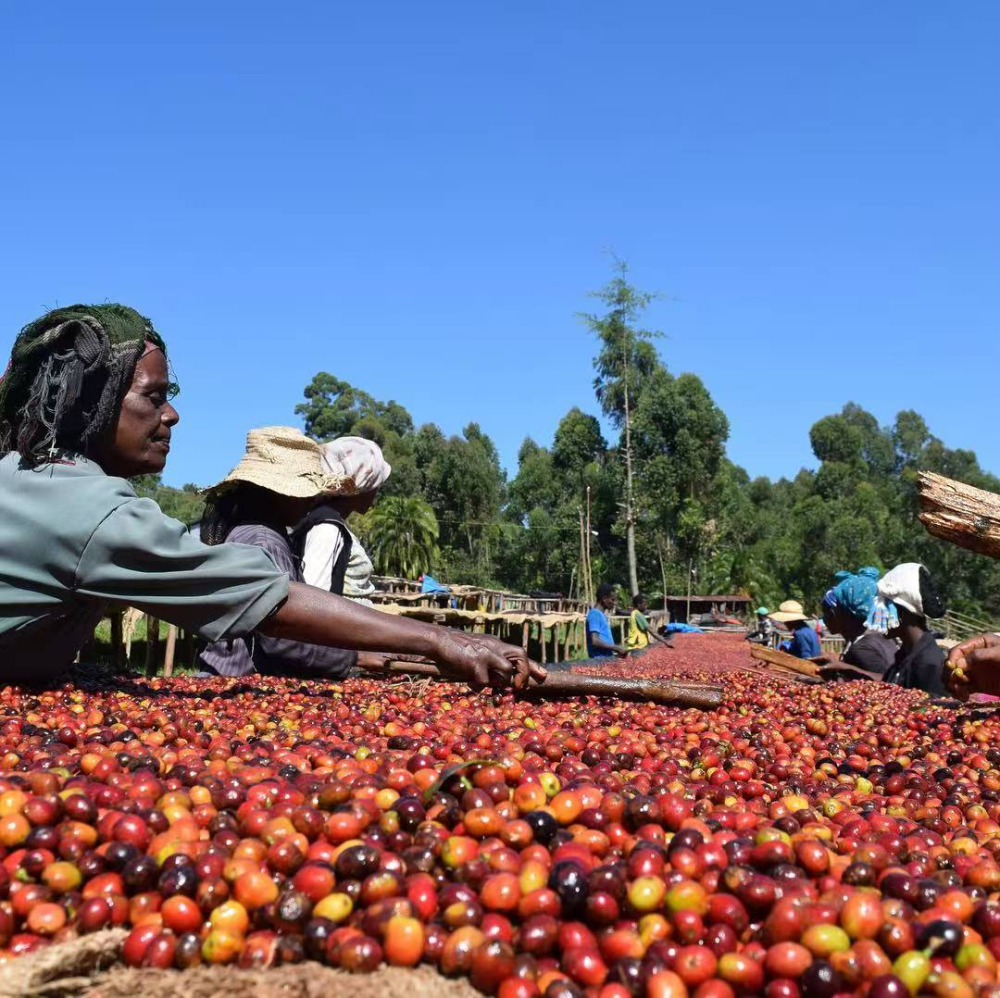
Before earning the marketable name “Hua Kui,” these beans were simply Natural G1 grade coffee produced by the Buku Abel washing station in the Hambella region. Hambella, located within the Guji area of Ethiopia’s Sidamo zone, is renowned for its high altitude and rich fruity aromas. Buku Abel was the first washing station to process these beans, carefully selecting red coffee cherries grown by local farmers—only those with sugar content above 30—and conducting around 18 days of sun drying on African beds under meticulous management. With large day-night temperature variations, farmers shade the cherries at noon and cover them at night to prevent rain, ensuring even drying. The final green beans maintain a stable moisture content of around 13%.
As Hua Kui gained international acclaim after winning in 2017, market demand grew rapidly, and the original washing station’s capacity could no longer keep up. To address this, DW Company (the exporter and processor of Hua Kui) established multiple specialized processing stations in the Hambella Wamena Wereda area, including in villages such as Buku Saysay, Haro Soresa, Tirtiro Goye, and Seke Bokosa—all concentrated within the core producing town of Dimtu. At the time, it was reported that DW Company’s annual “Hua Kui” production had reached several thousand tons. Due to the expanded harvesting scope, even if cherries came from neighboring villages, as long as they underwent sun drying at these five processing stations, they could be exported under the name “Hambella G1” and collectively referred to as “Hua Kui.”
The Flavor Evolution and Version Numbering of Hua Kui
Many people, upon first hearing “Hua Kui,” intuitively associate it with intense floral notes. However, its flavor profile leans more towards the layered richness of tropical fruits—especially creamy strawberry, mango, jackfruit, citrus, and blueberry—this being the very reason it stood out in the TOH competition. Yet, due to yearly variations in climate, soil, and processing details, the actual flavor of Hua Kui also changes slightly. Starting from 2018, even beans from the same producing region and station have shown differences in taste and body compared to the original.
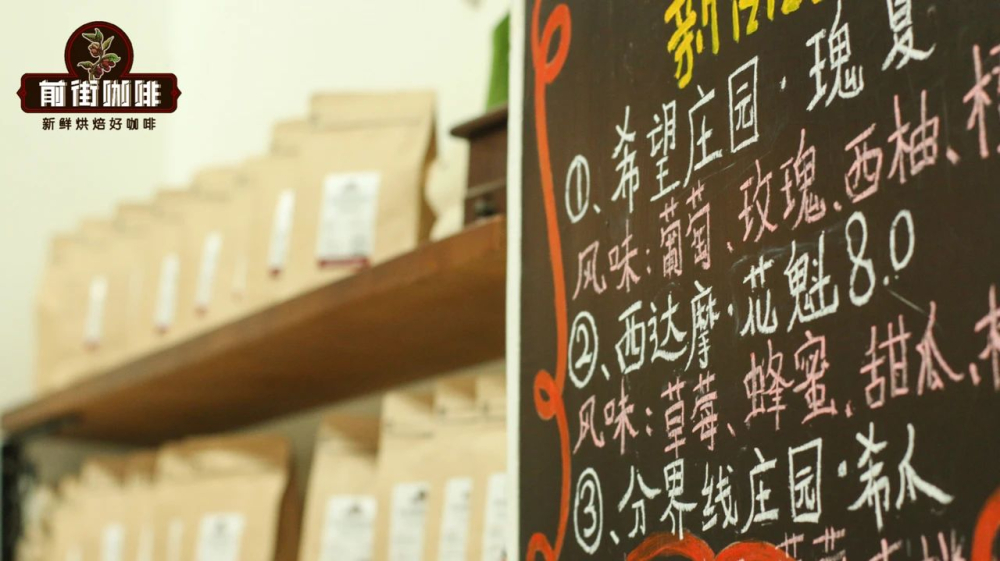
To distinguish products from different years, domestic green bean traders have used 2017 as the base year, adding an X.0 version number to subsequent batches. For example, 2018 became “Hua Kui 2.0,” 2019 saw the launch of “Hua Kui 3.0 and 3.1,” up to the recently released “Hua Kui 7.0.” This numbering system allows consumers to clearly identify which harvest season their Hua Kui belongs to, and also helps anticipate the flavor profile of specific vintages.
Hua Kui 2025 New Season: Flavor & Basic Info
Origin: Ethiopia Sidamo Guji Zone
Elevation: 2250~2350 meters
Variety: Local landrace
Processing Method: Natural
Flavor Profile: Prominent floral base, accompanied by intense fruitiness of jackfruit, dried fruit, apricot, and others, overall showcasing high juiciness and sweetness.
Pour Over Brewing Recommendations (Medium-Light Roast)
To fully express Hua Kui’s delicate fruitiness and sweet-tart layers, it is recommended to use a medium-light roast (slightly adjusted by batch) and brew with a V60 filter using the following parameters:
• Dose: 15g
• Coffee-to-water ratio: 1:15
• Water temperature:90°C
• Grind size: Medium-fine (about 80% through a Chinese standard No. 20 sieve, roughly the coarseness of fine sugar)
• Total brew time: Approximately 2 minutes 10 seconds
The specific steps are: start with a 30g bloom for 30 seconds, then pour 95g of water (total ~125g), aiming for about 1 minute; when the water level drops to 2/3 of the coffee bed, pour the final 100g (total ~225g), finishing pouring around 1 minute 35 seconds. After dripping finishes (~2 minutes 10 seconds), remove the filter and enjoy a bright, distinctive Hua Kui pour over.
Hua Kui 8.0 Iced Pour Over Tutorial
If you prefer a refreshing taste, try the iced pour over version—using ice to cool and moderate stirring to bring out a richer juiciness. Recommended parameters are as follows:
• Dose: 15g
• Coffee-to-water ratio: 1:11 (total hot water 160g)
• Ice cubes: 75g (pre-added to the server)
• Grind size: Fine sugar coarseness (approximately 9.5 on EK43s / 22 on C40)
• Brew time: About 1 minute 55 seconds to 2 minutes 5 seconds
Operation: place ice cubes in the server first, then add coffee grounds. First pour 30g of hot water for a 30-second bloom; after 30 seconds, pour 90g of hot water with a slightly stronger stream and stir 5 times gently, let the coffee drip; finally pour 45g of hot water with a small stream until dripping completes. The resulting iced Hua Kui features bright yellow stone fruit aromas, balanced sweet-tart flavors, and a refreshing mouthfeel—like a chilled grape juice, incredibly enticing.
The above content is compiled by CoffeeHunters, a coffee news website.


