







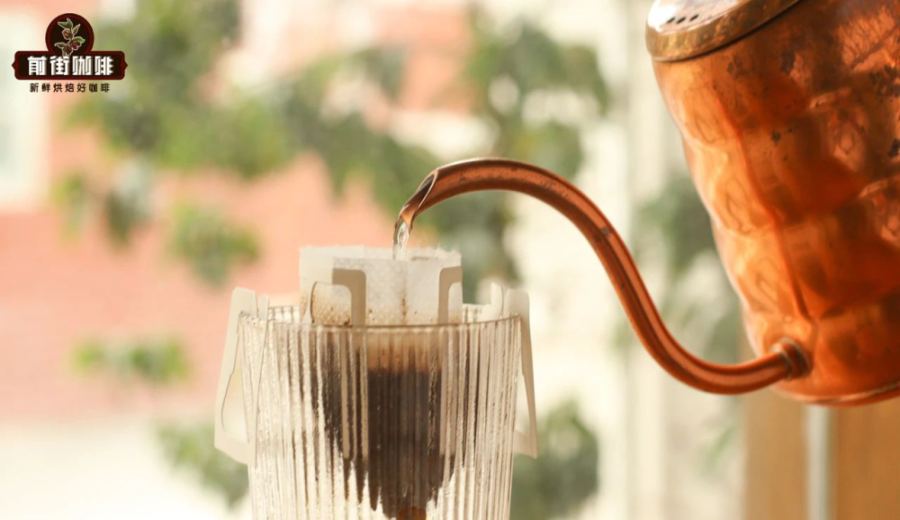
Introduction:Tired of the sour and astringent taste in coffee and looking for a rich yet smooth drip bag coffee? This article will guide you through three key aspects—roast level, origin characteristics, and flavor descriptions—to help you find the most suitable acid-free option for your taste. It also explains the correct brewing method for drip bags, including water temperature, water volume, and flow rate control, so you can brew a balanced, rich, and aromatic coffee experience at home or in the office.
Many coffee enthusiasts are enchanted by the captivating aroma of coffee but tend to shy away from its acidity. If you're one of them, then an "acid-free and rich-bodied" drip bag coffee is your ideal choice. To select this type of drip bag, focus on three key elements: roast degree, origin, and flavor profile. Mastering these will allow you to more accurately choose a coffee that suits your taste.
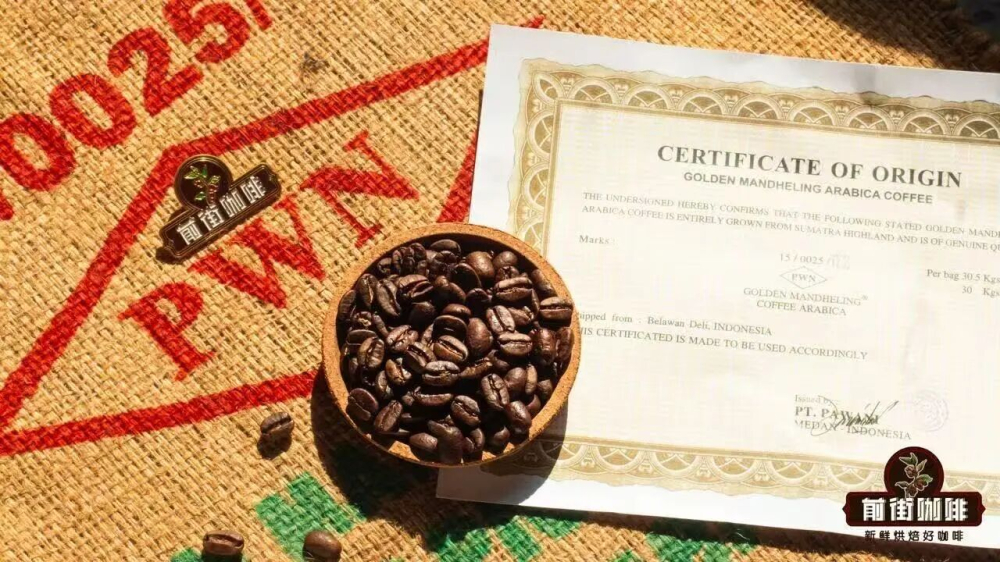
First,Roast Levelis the core factor that affects the sweetness, acidity, and body of coffee. Generally speaking, light roasted coffee tends to be more acidic with pronounced fruity notes, making it unsuitable for those seeking a rich-bodied taste. It’s recommended to choosemedium-dark roasteddrip bags. This level of roasting effectively reduces acidity while bringing out deeper flavors such as caramel, chocolate, and nuts, resulting in a more intense taste. Common medium-dark roast beans, such as Indonesian Mandheling or Brazilian Red Bourbon, are great entry-level choices.
Secondly,Originis also a crucial factor influencing the character of coffee. Coffee beans from different regions exhibit distinctly different flavor profiles due to variations in climate, soil, and processing methods. For example, African beans (such as those from Ethiopia and Kenya) often feature prominent floral, fruity acidity, and juicy sensations; Central American coffees (like those from Guatemala and Costa Rica) typically have caramel and nutty tones; while South American and Asian origins, such as Brazil, Indonesia, and Yunnan, usually offer richer, lower-acid flavors with chocolatey or woody notes—making them better suited for drinkers who prefer a mellow taste.
Thirdly,Flavor Descriptionscan quickly help you determine whether a drip bag coffee meets your expectations. Many brands indicate the expected flavor notes on the product packaging, such as dark chocolate, roasted nuts, or creamy peanuts. These descriptions help you easily filter out options that are not acidic and have balanced flavors. Especially for beginners in coffee, flavor labeling is the most intuitive reference.
Below are several beginner-friendly drip bag options with rich and mellow flavors. All these products are freshly roasted and come with fast shipping services to ensure you receive coffee at its peak flavor.
• Indonesian Mandheling G1 Drip Bag: Medium-dark roasted, with flavor notes of spice, dark chocolate, and roasted nuts. It has a high body and a well-balanced bitter-sweet profile, suitable for those who enjoy a strong taste.
• Brazilian Cerrado Red Bourbon Drip Bag: Medium roasted, featuring noticeable creamy aroma and nutty tones. It has a smooth texture without sourness, perfect for those seeking a balanced flavor.
• Yunnan Small Bean Drip Bag: Medium roasted, presenting aromas of nuts, herbs, and chocolate, with a mild tea-like aftertaste. The overall flavor is gentle and layered with clear complexity.
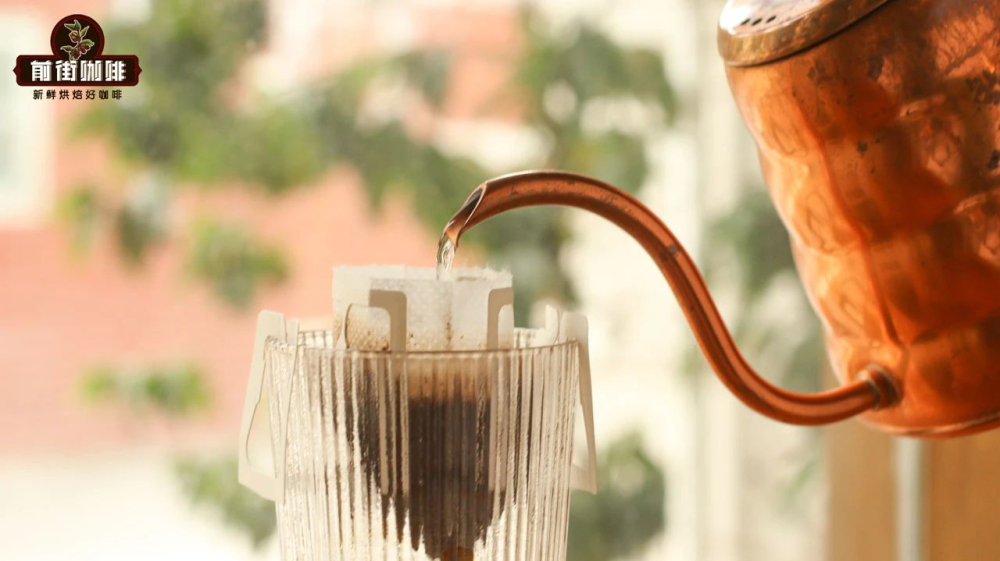
However, to fully extract the essence of coffee from a single drip bag, choosing the right beans is not enough—the correct brewing techniqueis equally crucial. Water volume, water temperature, pouring method, and flow rate all directly impact the final flavor outcome.
Taking the common 10-gram drip bag coffee as an example, it is recommended to use about 150 gramsof hot water. This amount can bring out the rich body of the coffee without being overly intense. If you prefer a stronger taste, you can adjust the water volume between 120 to 180 grams based on personal preference. It’s generally advised to first pour about 30–50 grams of hot water for pre-wetting, let it sit for around 10 seconds to allow the coffee grounds to fully bloom, then continue pouring until the target volume is reached. You may pour in stages to maintain a stable flow rate.
Regardingwater temperature,the recommended range is 88 to 93°C.If you’re using a kettle with temperature control, you can set it precisely within this range. If using standard hot water from a water dispenser, wait about 30 seconds to 1 minute to let the water cool slightly to the appropriate temperature before brewing. A stable water temperature ensures even extraction and helps avoid over-extraction or under-extraction.
Additionally, it’s important to note that drip bag coffee is different from regular tea—it must not be re-brewed.The first brew extracts most of the soluble substances, and a second brew will only release bitter and astringent impurities, resulting in a very unpleasant taste. Additionally, the flow rate slows down, negatively affecting the overall experience.
By mastering the above bean selection and brewing techniques, you can easily enjoy a rich, acid-free, and well-balanced pour over-grade drip bag coffee, whether at home or in the office.
The above content is compiled by CoffeeHunters, a coffee news website.


