








Introduction:Arabica coffee beans are the mainstream of specialty coffee worldwide, but do you know the differences between Typica, Bourbon, Catimor, and Ethiopian heirloom varieties? This article delves into the origins, plant characteristics, suitable processing methods, and unique flavor profiles of these classic varieties to help you choose coffee beans that better suit your taste.
Walk into any specialty coffee shop, and you’ll almost always hear the keyword “Arabica.” But what exactly does “Arabica” mean? What classic varieties fall under this category, and what unique flavor characteristics do they each have? Starting from the basic classification of the world’s three major commercial coffee varieties—Arabica, Robusta, and Liberica—this article focuses on analyzing the origins, plant traits, and cup flavors of notable Arabica family members such as Typica, Bourbon, Catimor, and Ethiopian heirloom varieties (often referred to as heritage or boutique varieties). This will help you better understand the meaning behind the labels when making your selection.

In the global market, “100% Arabica” is almost the standard entry point for specialty coffee. However, this label actually covers a wide range—from high-altitude, premium beans to affordable commercial beans—all of which may carry this name. Arabica coffee originated in Ethiopia and is the most widely cultivated coffee variety in the world, accounting for about 60% of global production. In contrast, Robusta is known for its high yield and strong disease resistance, but it generally has a heavier body, lower acidity, and often exhibits nutty and chocolatey notes, making it suitable for instant coffee or espresso blends. As for Liberica, its beans are large and irregular in shape, with a unique aroma featuring floral notes and a faint smokiness. However, due to its scarce production, it is extremely rare in the market.
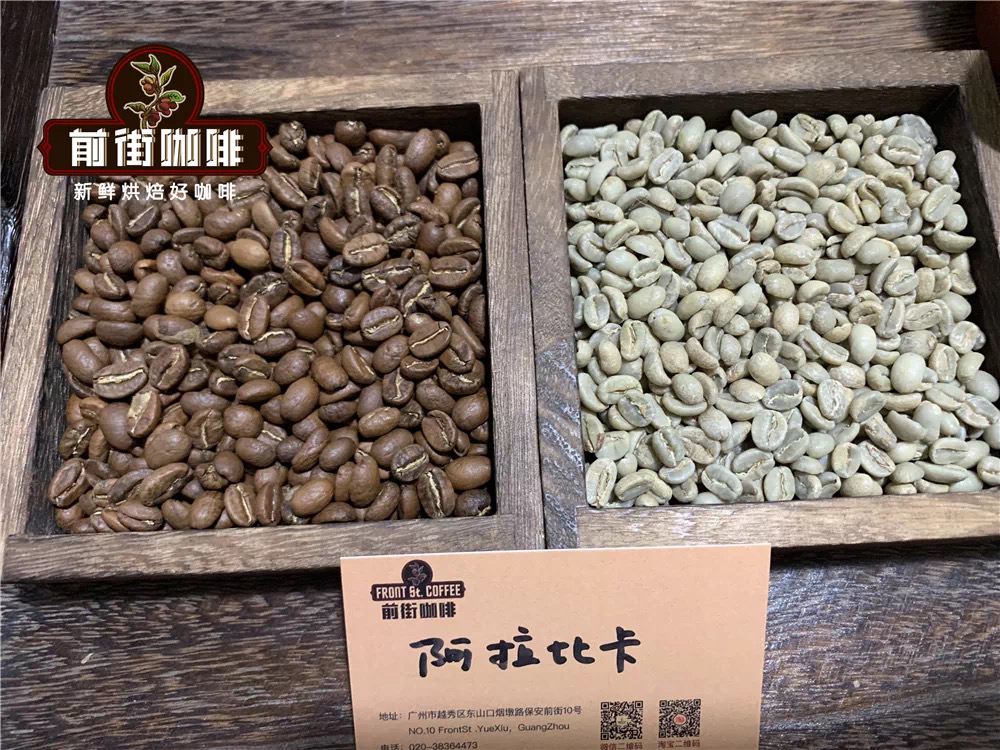
Arabica trees have strict requirements for growing conditions, preferring high altitudes, cool climates, and shaded environments. Compared to other varieties, Arabica plants are usually shorter (typically no more than 6 feet), making them easier to prune, but they are also highly sensitive to pests and diseases, requiring more intensive management. This contributes to the diversity and complexity of their flavors—bright acidity and rich aromas, making them the top choice for many coffee enthusiasts.
Below, we’ll take an in-depth look at several representative Arabica varieties:
Typica
Typica is one of the oldest varieties in the Arabica family. Its most distinctive feature is the reddish-bronze color of its young, topmost leaves, earning it the nickname “red-leaf coffee.” The plant is characterized by a slender trunk, leaning branches, and an angle of about 50 to 70 degrees between lateral branches and the main stem. It can grow up to 5 meters tall, making it a relatively tall coffee tree variety.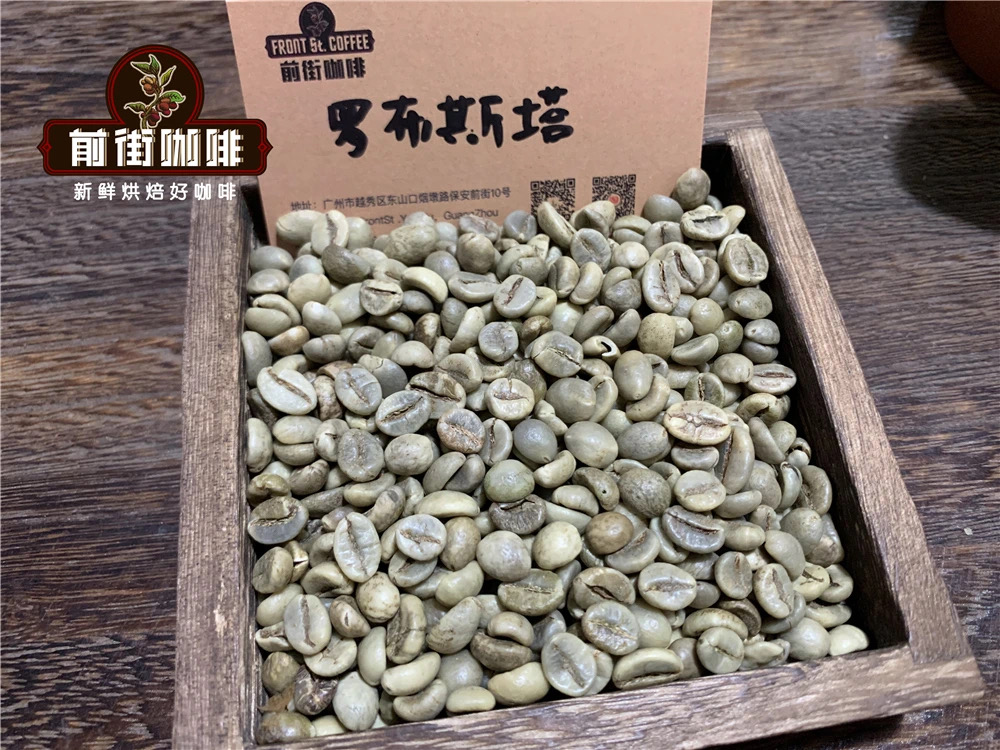
However, the drawbacks of Typica are also quite evident: it has very low disease resistance, especially susceptibility to leaf rust and berry disease. Once infected, it is almost incurable and ultimately leads to the death of the plant. Additionally, its yield is low, resulting in limited economic benefits, which is why many coffee farmers have gradually switched to more disease-resistant varieties. But when carefully managed in suitable microclimates, Typica can still showcase extremely delicate flavors—especially in higher-altitude planting environments where its potential can be more fully realized.
Jamaican Blue Mountain coffee is a standout example. This variety was introduced to Jamaica from Yemen in the early 1700s and is grown exclusively in the narrow region of the Blue Mountains at elevations between 2,000 and 5,500 feet. It is strictly regulated by the local Coffee Industry Board and shipped as green beans in wooden barrels, making it one of the world’s most recognizable top-tier coffees.
Bourbon
Bourbon is a natural mutation of Typica, with beans changing from their original slender shape to a rounder, plumper form. It first appeared on the island of Bourbon (now Réunion) off the eastern coast of Africa. In 1715, the French introduced Yemeni round-bodied Mocha beans to the island, which then spread to Brazil in 1727, laying the foundation for its global cultivation. Bourbon thrives at high altitudes and is often characterized by gentle acidity, rich aromas, and delicate sweetness. Its fruits turn from green to red upon ripening, eventually becoming deep red—commonly referred to as Red Bourbon.
Taking the Brazilian producing region as an example, Bourbon varieties often exhibit balanced flavors of nuts, chocolate, and medium caramel sweetness, with a smooth mouthfeel and overall harmonious profile, making it an ideal choice for many coffee beginners.
Catimor
Catimor 7963 is a hybrid variety developed by the Portuguese Tropical Research Institute to resist leaf rust. It combines traits from the Timor and Caturra varieties, featuring a compact, short plant structure, dense branching, short fruit nodes, vigorous growth, and excellent disease resistance. It is currently one of the most widely planted high-yield, disease-resistant varieties in the world.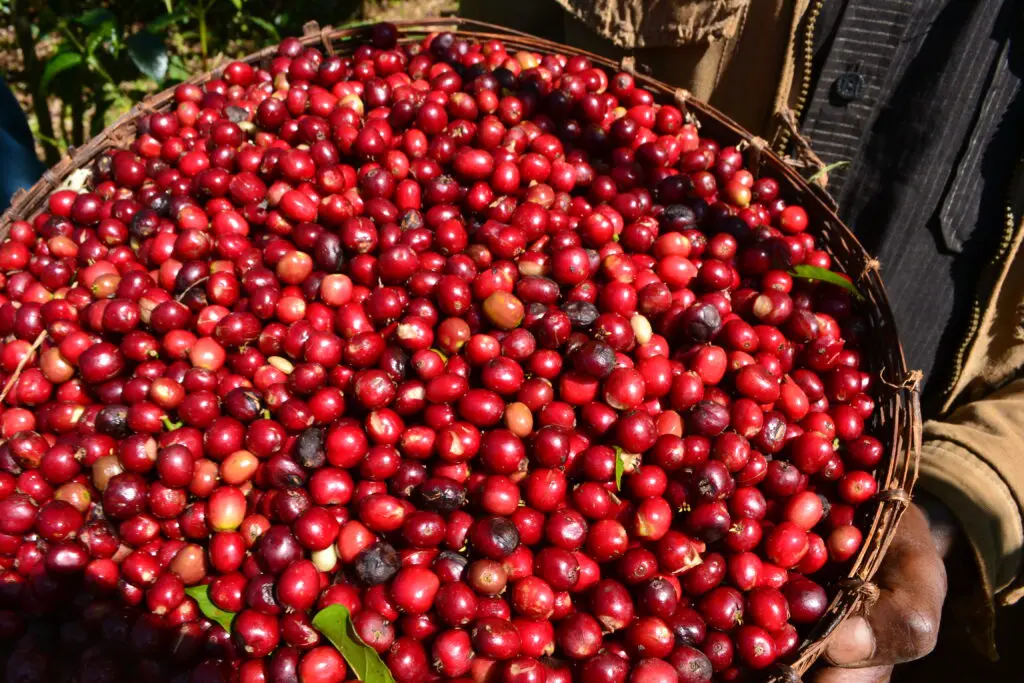 In Yunnan, over 90% of coffee trees are of the Catimor variety, and its high yield is highly favored by local farmers.
Take the famous Golden Mandheling from a well-known Indonesian producing region as an example. This variety is processed using the wet-hulled method, yielding flavors with intense herbal, spicy, and dark chocolate notes, along with a solid nutty aftertaste. However, it’s worth noting that in Indonesia, “Catimor” is often locally referred to as “Ateng,” so many product labels may not explicitly state “Catimor,” although it still falls under the Arabica category.
Indonesian Mandheling coffee is mostly processed using the wet-hulled method, which involves first removing the pulp and mucilage, partially drying the beans, then scraping off the parchment layer, and finally completing the full drying process. This method imparts strong earthy and herbal aromas to the coffee, reduces acidity, and increases body—making it highly suitable for those who prefer bold flavors. However, a few producing regions, such as the Wahana Estate in Sumatra, opt for sun-drying, highlighting richer fruit notes and fermented wine-like aromas, showcasing a distinctly different flavor profile.
Ethiopian Heirloom
In Ethiopia, Heirloom is not a single variety but rather a general term for the country’s numerous genetically undefined, wild, or semi-wild Arabica varieties. These native varieties may have existed for hundreds of years, but due to a lack of detailed classification and genetic data, most are simply grouped under the term “heirloom” or “native variety.” Ethiopia is considered the birthplace of Arabica coffee, home to tens of thousands of varieties not yet fully documented. Cultivation methods include forest coffee, semi-forest coffee, and smallholder farming, with semi-forest cultivation being a key area that preserves a wealth of wild genetic traits.
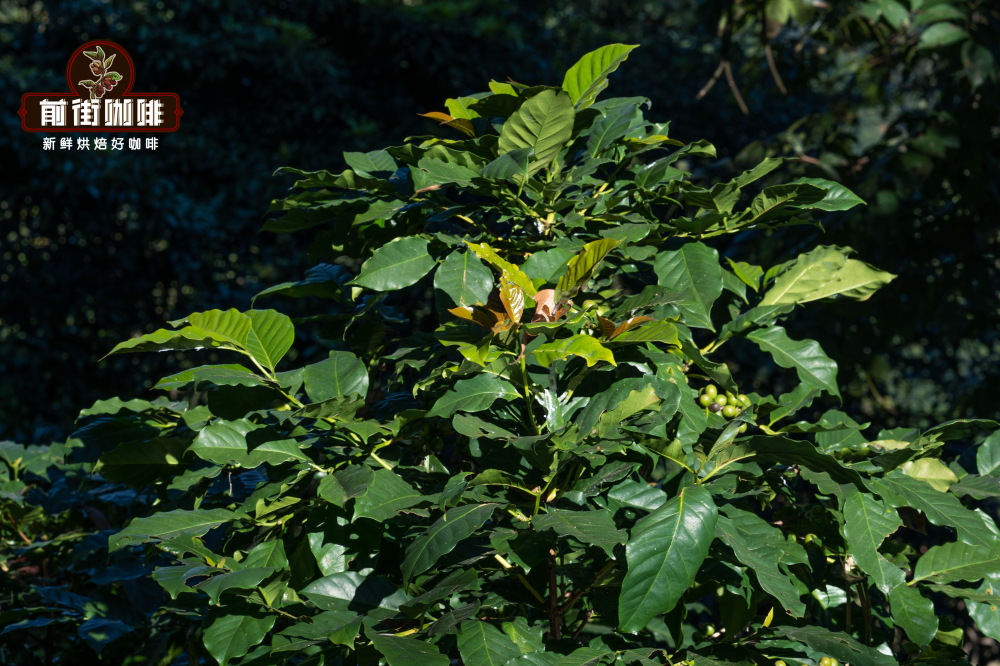 Common Ethiopian native varieties such as Yirgacheffe, Flower Queen 8.0, and Red Cherry are often processed via washed or natural methods, and their flavor profiles frequently showcase bright notes of lemon, blueberry, and jasmine—making them a favorite among many pour over coffee enthusiasts. Due to the diversity and rich variation among these varieties, the flavor differences among these beans are vast, contributing to the captivating and unpredictable charm of Ethiopian coffee.
In summary, whether you prefer the refreshing elegance of Typica, the gentle aromas of Bourbon, the rich body of Catimor, or the diverse fruity notes of Ethiopian heirloom varieties, understanding the background and characteristics of these varieties will help you find the coffee beans that best match your palate when making your selection.
The above content is compiled by CoffeeHunters, a coffee news website.


