







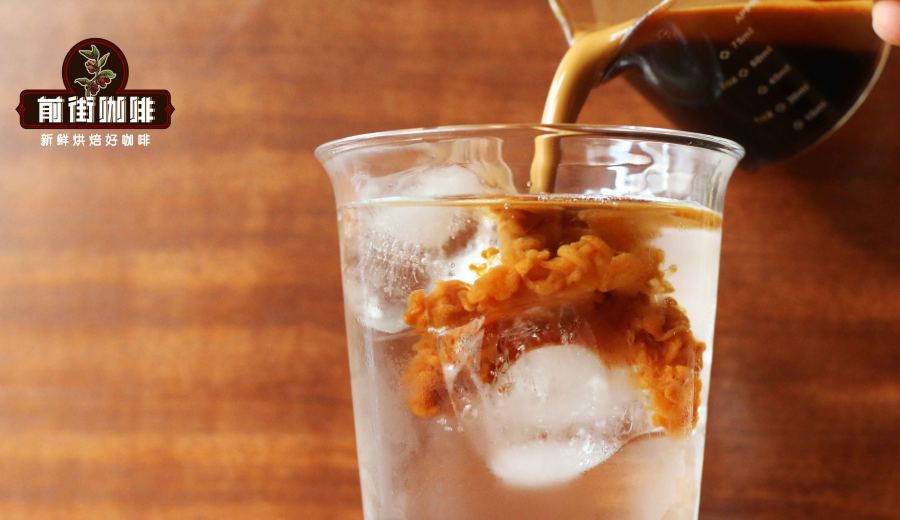
Introduction:To brew an ideal Americano, selecting the right coffee beans and getting the brewing ratio right are key. This article delves into the logic behind bean selection for Americanos, compares the flavor profiles of blends and single-origin beans (SOE), and offers practical brewing parameter suggestions. Whether you prefer the bold richness of dark roasts or the bright fruit acidity of medium to light roasts, you’ll find an Americano solution that suits you.
Many people’s first impression of an Americano is simply black coffee made by diluting espresso with water. But in reality, the world of Americano is richer than you might think — from differences in drinking habits between the East and West, to the unique flavors created by blends roasted to varying degrees, every step affects the final taste. Mastering bean characteristics and extraction essentials can help you break out of the "Starbucks-style" monotony.
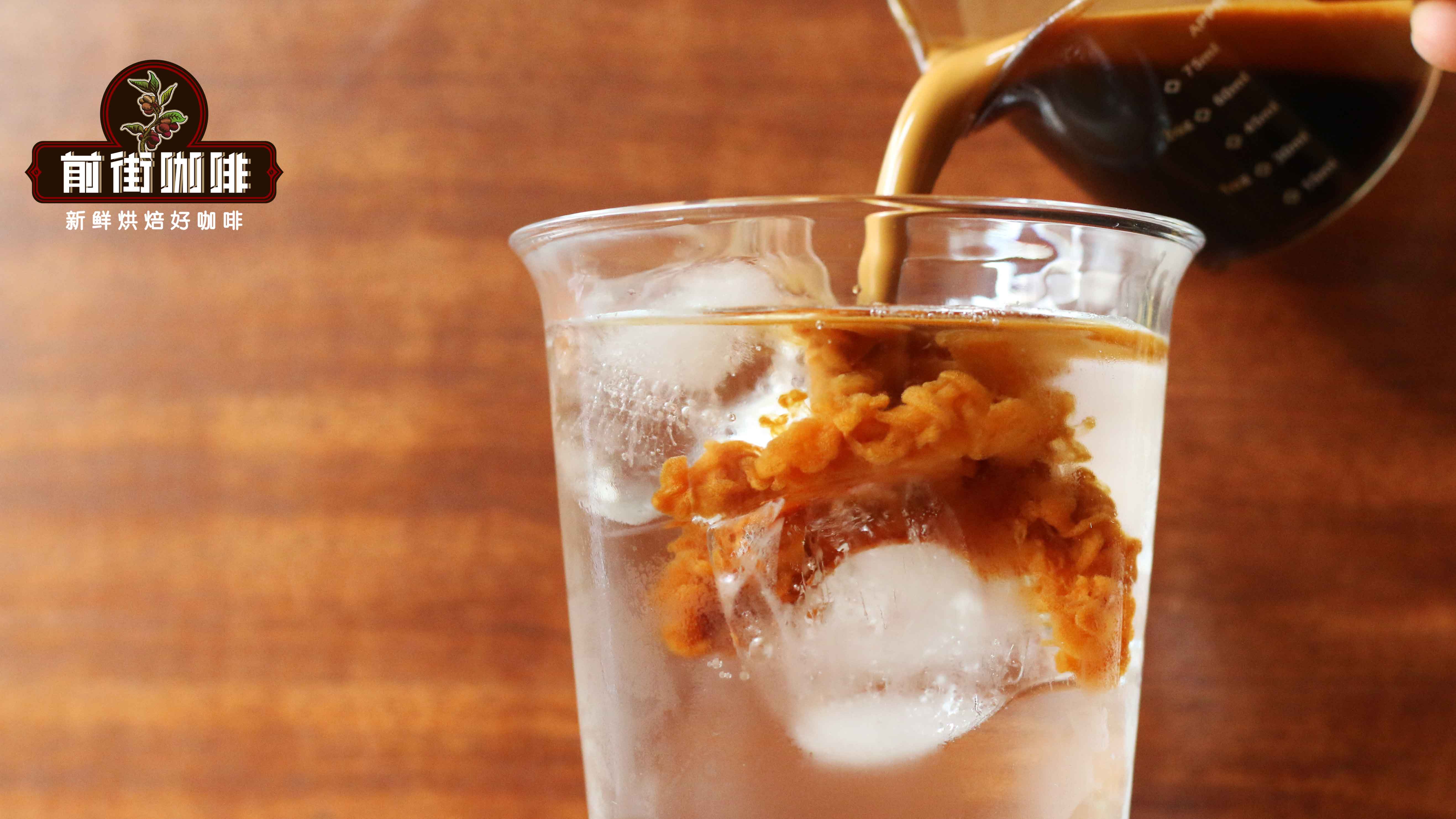
In Taiwan and among overseas Chinese communities, "Americano" is often directly associated with a light black coffee made from dark-roasted beans. However, strictly speaking, any coffee brewed purely with water without added sugar or milk falls under the category of black coffee, including pour over, cold drip, and even cold brew. The modern-style espresso-based Americano, on the other hand, originates from the drinking style promoted after Starbucks went global, whereas in its native Western context, it more commonly refers to lighter-tasting black coffee.
Interestingly, preferences for coffee strength vary significantly across different regions in the U.S.: consumers on the East Coast generally accept higher-intensity coffee, while those on the West Coast are accustomed to diluting espresso with a lot of water; people in the South enjoy strong bitterness, while those in the North prefer milder expressions. This diverse backdrop has given rise to a rich variety of Americano styles, from everyday large pots brewed with electric drip machines to expertly crafted versions from specialty shops, each with its own following.
The current mainstream espresso-based Americano offers the advantages of both rich aroma and quick preparation. Compared to traditional drip methods, using high-quality blends can deliver a more complex layered experience.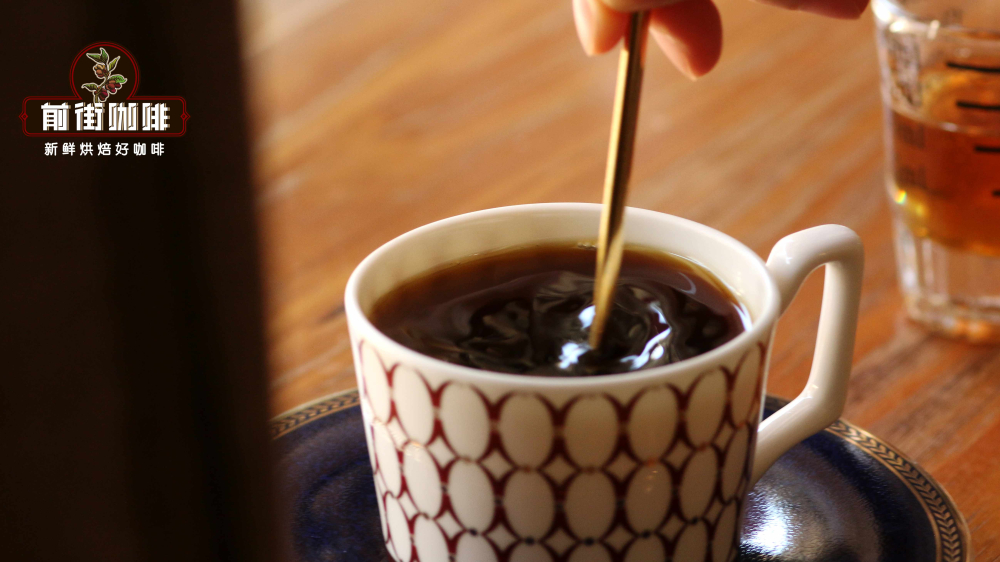
Taking classic Italian blends as an example, a medium-dark roast is suitable for balancing acidity and bitterness. It is recommended to use 20 grams of coffee grounds when extracting a double shot of espresso, aiming for 40 grams of espresso (a 1:2 coffee-to-water ratio), then adding 80–90°C hot water at a 1:4.5 ratio. This ratio retains the coffee’s rich foundation while appropriately diluting it to bring out the flavors. If making iced Americano with cold water, it’s suggested to adjust the ratio slightly to 1:5 to maintain flavor balance.
Temperature control is a key variable that affects flavor expression:For dark-roasted blends (such as those with chocolate and nutty notes)it is best enjoyed at 60–70°C to highlight their rich texture;for medium roasts (which balance caramel and mild acidity)50–60°C is optimal to maintain sweetness; as formedium-light single-origin beans (such as Ethiopian Huila SOE), it is recommended to keep the temperature between 40–55°C to preserve vibrant fruit acids and floral notes, but be mindful that light roasts can be prone to channeling during espresso extraction, requiring precise control of pressure and water temperature.
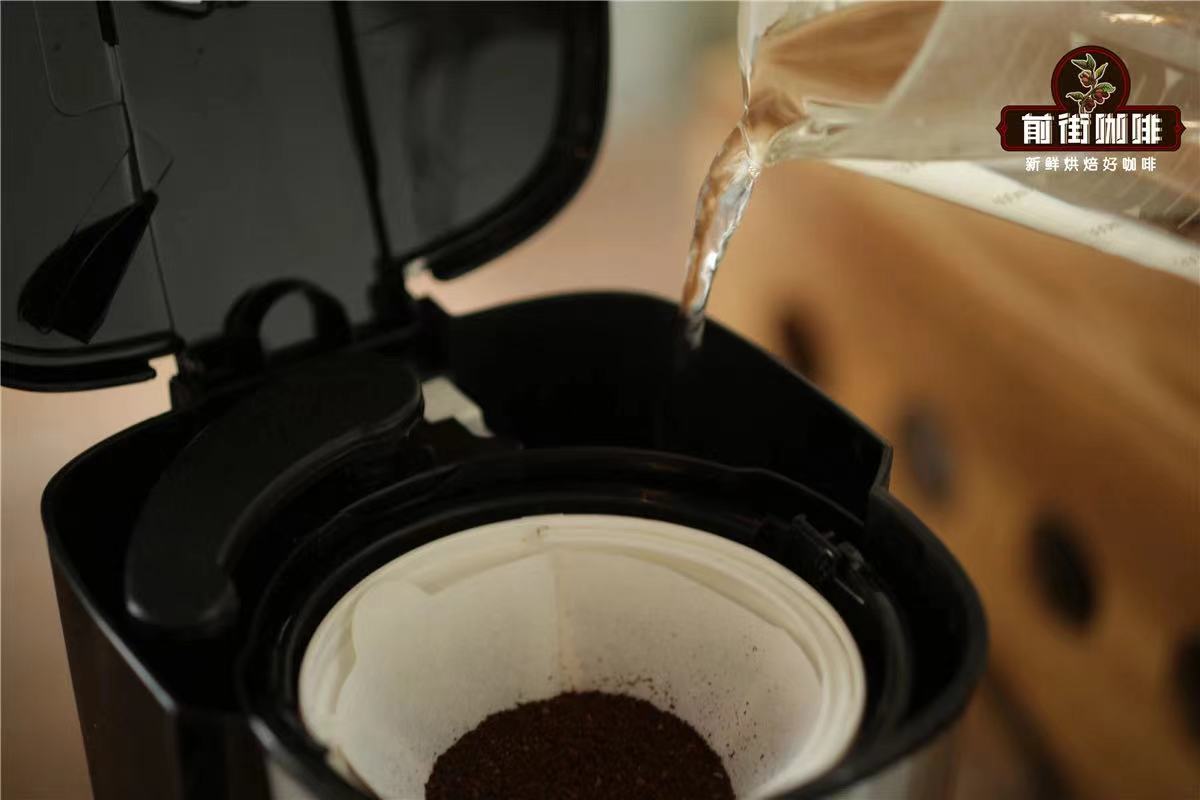
Bean selection should take the intended use into account: commercial blends focus on stable output and a rich base, making them suitable for daily high-volume consumption; premium blends can create distinctive flavor profiles through combinations of beans from different regions, such as pairing Ethiopian natural beans’ berry notes with Honduran sherry cask beans’ sweetness. For consumers seeking more individuality, experimenting with medium-light single-origin beans for Americano is possible, but be prepared for more pronounced acidity and a shorter optimal drinking window.
No matter which method you choose, beginners are advised to record brewing parameters (including grind size, coffee-to-water ratio, water temperature, and time) and make systematic adjustments to find the combination that best suits your personal taste. Remember, there is no absolute standard for the perfect Americano — the key lies in finding your own balance.
The above content is compiled by CoffeeHunters, a coffee news website.


