








Introduction:This article delves into the evolution of the growing regions, variety transitions, and processing characteristics of Indonesia’s PWN Golden Mandheling. From the high-altitude environment of Gayo Mountain to the flavor potential of the Ateng variety, it explores the classic wet-hulled processing method and provides practical pour-over parameters and roasting recommendations to help coffee enthusiasts fully appreciate the charm of this classic bean.
PWN Golden Mandheling has long been a classic among many coffee lovers. However, recently attentive consumers may have noticed some subtle changes in this beloved coffee bean: the growing region has shifted from the traditional Lintong in North Sumatra to the Gayo Mountains in Aceh; the coffee variety has changed from the traditional Typica to what is locally known in Indonesia as Ateng, a Catimor variety; even the packaging specification has been adjusted from the common 60-kilogram sacks to a more flexible 30-kilogram format. These adjustments reflect not only considerations of supply chain and market demand but also the subtle differences in variety adaptability and regional terroir.
Speaking of the name “Mandheling,” it actually stems from a historical misunderstanding. Legend has it that during World War II, Japanese soldiers stationed in Indonesia were deeply impressed by the local coffee. Upon returning home, they sought the same beans through traders, but due to a language mix-up, they misheard the name of the Mandailing ethnic group in Indonesia as “Mandheling.” Since then, this name has become synonymous with high-quality Arabica coffee from Sumatra, and PWN Golden Mandheling stands out as one of its finest representatives.
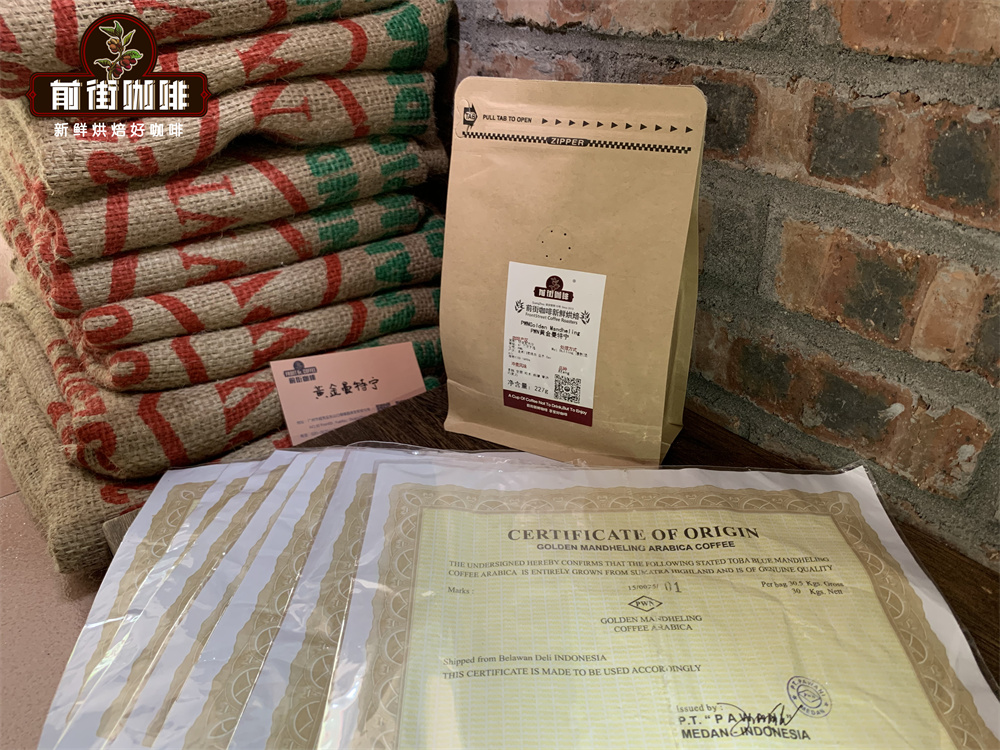
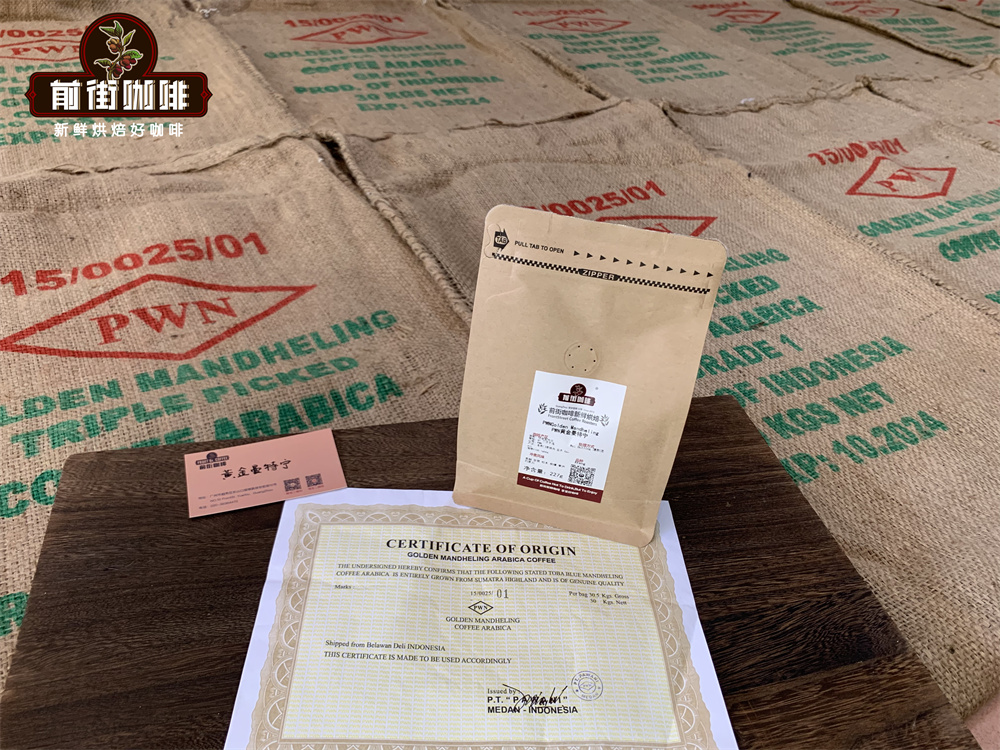
PWN Golden Mandheling is a premium brand carefully selected and launched by the Indonesian green bean trading company Pawani, and its name has become synonymous with quality. This coffee is now primarily grown in the Gayo Mountains of Aceh Province, located at the northernmost tip of Sumatra, surrounding the town of Takegon and the slopes around Lake Tawar, at an altitude of approximately 1100 to 1600 meters. Compared to the previously common Lintong region, Gayo Mountain, due to past political instability, faced export restrictions. However, with recent improvements in the situation, the coffee produced here has gradually gained attention for its purity of flavor and detailed expression, particularly excelling in sweetness and aftertaste layers.
Currently, the variety used in PWN Golden Mandheling is Ateng, which is the local Indonesian term for the Catimor variety, differing from the commonly seen Typica or Typica-derived systems. The Ateng variety adapts well to the soil and altitude conditions of Aceh, delivering a rich sugary sweetness and a full-bodied flavor foundation. Although some coffee enthusiasts are more familiar with the flavor profile of the Catimor system, with the support of high altitude and good processing methods, Ateng can also exhibit surprisingly layered characteristics.
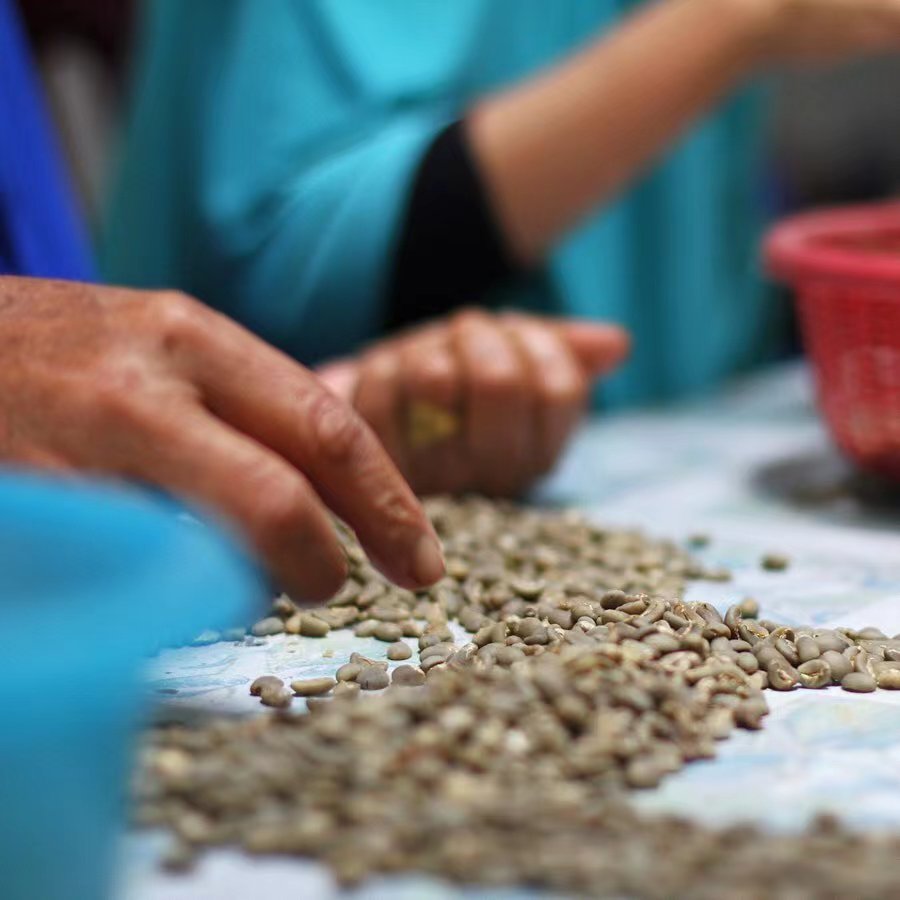
What this coffee is most known for is its use of the traditional Indonesian “wet-hulled” (Giling Basah) processing method. Unlike the common washed process, wet hulling involves removing the outer parchment layer before the coffee beans are fully dried. This results in a bolder flavor, with a full body and unique spicy and herbal notes. The overall processing flow can be roughly divided into: depulping and initial pulping of the berries, short soaking to wash off the mucilage, first low-temperature drying to a moisture content of 20%-35%, further deep drying to 18% after market collection, and finally, wet hulling through a hulling machine while the beans are not yet fully dry, followed by drying to the ideal moisture content of 11%. It also undergoes three rounds of manual sorting to ensure minimal defect rates in the green beans.
The key to wet hulling lies in its unique process of “hulling before full drying.” Compared to the washed process, which retains the parchment until the final stage, wet hulling removes the protective layer earlier, allowing the bean to be directly exposed to the external environment. This accelerates the drying curve while also shaping its bold, wild character with earthy and spicy undertones. In addition, with three rigorous rounds of manual hand sorting, PWN Golden Mandheling achieves a very high standard in green bean quality and consistency.
In terms of roasting performance, PWN Golden Mandheling demonstrates high flexibility and flavor potential. Generally, Mandheling from the Lintong region is recommended to be roasted to post-second crack to reduce off-flavors. However, Golden Mandheling can still maintain good clarity and clean sweetness even when roasted before the second crack, making it suitable for exploring the impact of different roast levels on flavor. The recommended charge temperature is about 200°C, with medium heat used initially for stable dehydration. After the first crack, adjust the heat and air vent according to the desired flavor profile. The final discharge temperature is around 204.5°C, with minor adjustments possible based on the actual roaster.
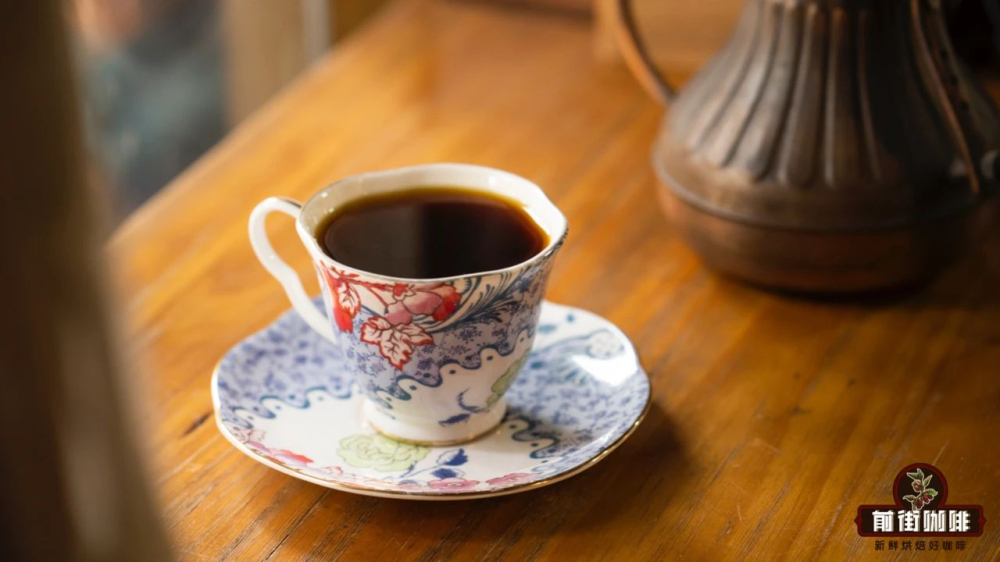
For pour-over brewing, to highlight its full-bodied, clean, and aromatic characteristics, it is recommended to use a KONO filter. This design helps simulate the thick mouthfeel of a cloth filter. A medium-dark roast is suggested, with a grind size set to medium-coarse (approximately 70% passing through a #20 sieve), a 1:15 coffee-to-water ratio, 20 grams of coffee, and water temperature controlled at 88°C. This setup can better present its sugary sweetness and herbal base. Avoid excessive agitation during brewing and use a pulse pouring method: the first pulse with 40 grams for a 30-second bloom, the middle phase with 120 grams poured steadily, and the final phase with 100 grams to complete extraction. The total brew time is about 2 minutes, yielding a balanced and layered flavor profile.
In summary, PWN Golden Mandheling not only carries the history and legend of Sumatran coffee but also showcases a commitment to quality that evolves with changes in region, variety, and processing methods. From the high-altitude environment of the Gayo Mountains, to the local adaptability of the Ateng variety, to the bold flavor profile shaped by wet hulling, this classic coffee bean is worthy of repeated tasting and exploration, whether for those new to Indonesian coffee or seasoned coffee aficionados seeking deeper flavors.
The above content is compiled by CoffeeHunters, a coffee news website.


