







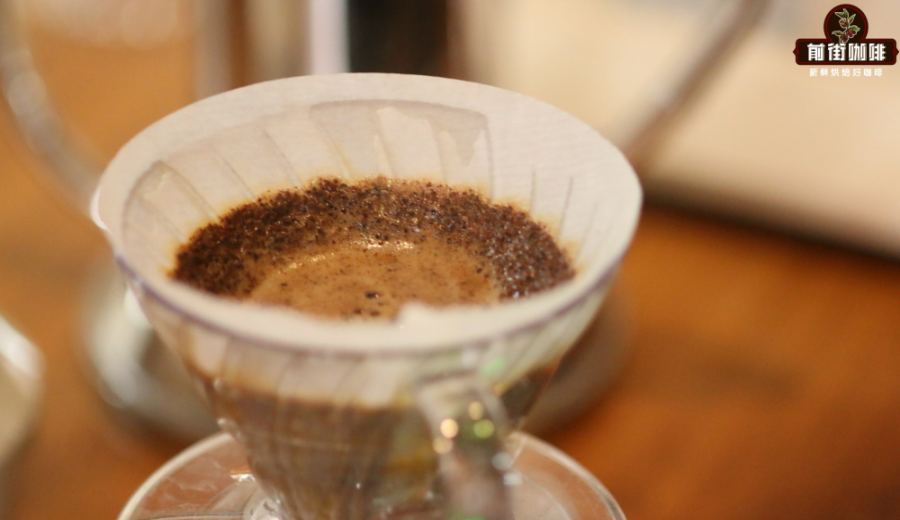
Introduction:Pour over coffee showcases a rich array of flavors using simple equipment, yet it demands meticulous attention to details such as water temperature, pouring technique, and grind size. This article begins with the selection of basic equipment, covering types of pour over drippers, key points about grinders, and differences in filter paper. Taking Indonesian Mandheling as an example, it details crucial parameters such as a 1:15 coffee-to-water ratio and an 88°C brewing temperature, along with an analysis of the pulse pouring method, guiding you through the complete process of crafting a rich and balanced cup of pour over coffee.
Pour over coffee is a brewing method where hot water passes through a bed of coffee grounds, extracting flavors with the help of a dripper and filter paper. The entire process typically lasts around three to four minutes. Since water temperature, flow rate, and pouring path are all controlled by the operator, each cup can exhibit unique flavor variations. Although the required equipment may seem simple, achieving consistently ideal flavors demands a high level of technical skill and attention to detail.
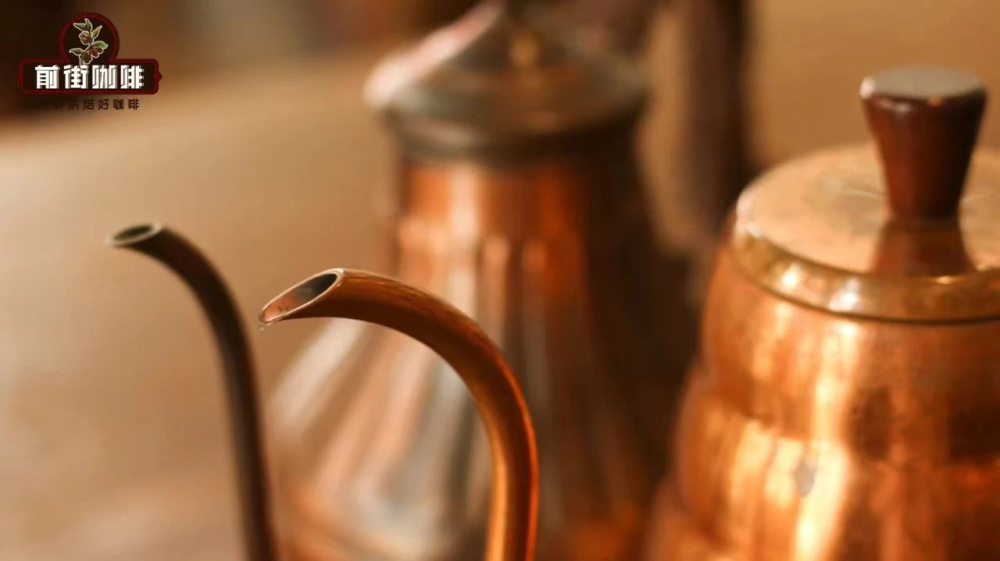
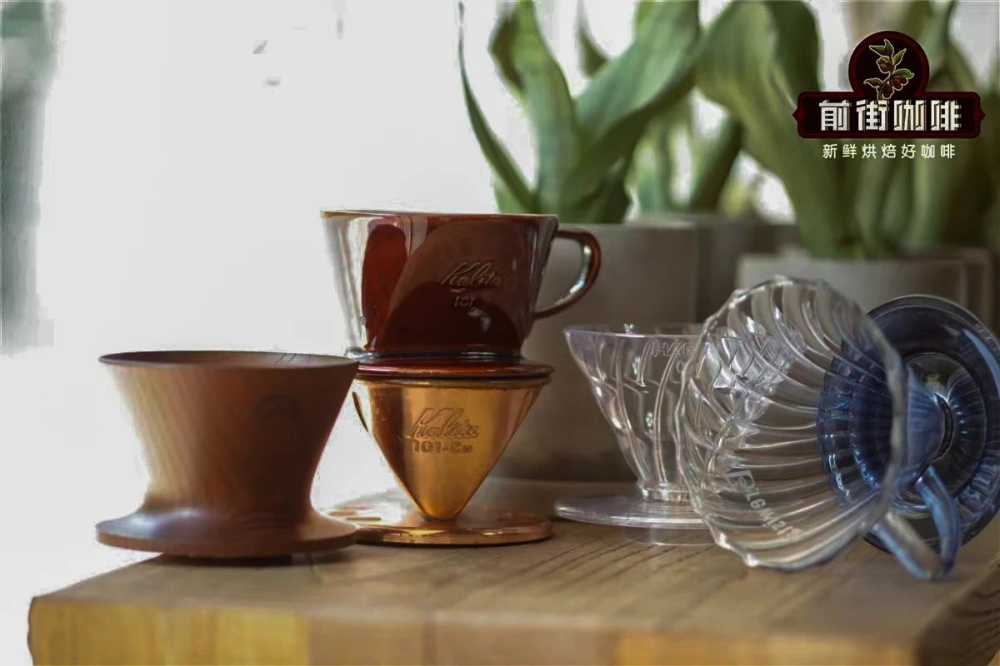
The basic equipment for pour over coffee includes a gooseneck kettle, dripper, filter paper, grinder, as well as a server and cup to catch the brewed coffee. Among these, the spout diameter of the gooseneck kettle directly affects the flow rate of water; beginners are advised to choose a narrow-spout kettle for easier control over water stability. Additionally, the heating methods compatible with different materials of kettles (such as induction or gas stoves) should also be confirmed in advance. Drippers are categorized by shape into three types: fan-shaped, cone-shaped, and wave-shaped. The design of the bottom holes affects the flow rate: fan-shaped drippers have smaller holes and slower flow, resulting in a richer-tasting coffee; cone-shaped drippers have larger holes and faster flow, yielding a lighter-bodied brew; wave-shaped drippers require special filter paper and offer better extraction uniformity. Special metal filter drippers that don’t require paper can preserve more coffee oils but may not fully filter out fine coffee particles.
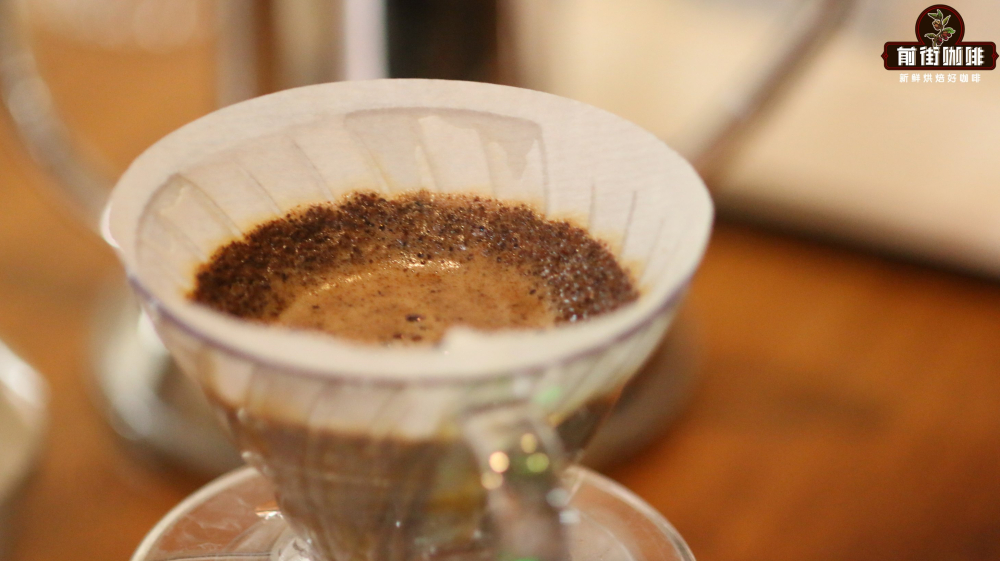
The choice of filter paper should match the dripper model. Unbleached filter paper may carry a slight pulp odor but can effectively absorb some off-flavors and excess oils. The choice of grinder is crucial—coffee ground for pour over should be roughly the size of table sugar granules (No. 2), and the uniformity of the grind directly impacts taste; the more uniform, the more stable the extraction. Auxiliary tools such as a digital scale, thermometer, and timer help precisely control the coffee-to-water ratio, water temperature, and brewing time, thereby improving brewing success rates.
Pour over coffee typically uses single-origin beans, with classic choices including Yirgacheffe, Mandheling, Brazil, and Geisha. Each bean variety has distinct acidity, sweetness, and bitterness profiles, allowing you to select based on personal taste preferences. For those who prefer delicate floral notes, Yirgacheffe or Geisha are good options; if you wish to avoid acidity and bitterness, Brazil Cerrado or Blue Mountain are safe bets; for a fuller body and intense flavor, Golden Mandheling stands out particularly well.
Taking Indonesian Mandheling as an example, its hallmark characteristics are a full body and steady roasted aroma, often accompanied by unique herbal notes (such as medicinal, earthy, and woody tones). A well-known coffee brand’s PWN Golden Mandheling adds layers of chocolate, caramel, and spice on this foundation, resulting in a softer and more refined flavor profile. For brewing, it is recommended to use a Kono dripper, with a 1:15 coffee-to-water ratio (15 grams of coffee to 225 milliliters of water), an 88°C water temperature, and a medium-coarse grind size (approximately 70–75% extraction through a standard No. 20 sieve).
The specific brewing method employs a pulse pouring technique: first, pour 30 grams of water for a 30-second bloom to awaken the coffee grounds; then pour in a small, circular motion until reaching 125 grams, pause until the water level drops close to the coffee bed, and continue pouring until reaching 225 grams. Finally, remove the dripper just before the water level exposes the coffee bed. When using a V60 dripper, the total brewing time is about 2 minutes, while the Kono dripper takes slightly longer, around 2 minutes and 10 seconds. With these parameters and techniques, PWN Golden Mandheling can exhibit a rich layering—full-bodied yet clean, with excellent balance, intense notes of nuts and caramel, accompanied by chocolate undertones, and a long-lasting aftertaste.
Notes: Preheating the server and coffee cup can slow down the cooling process; it is recommended to rinse the filter paper with hot water before use to remove any paper taste and preheat the equipment; maintain a stable water flow during pouring to avoid uneven extraction caused by inconsistent flow rates. By practicing these details, even beginners can gradually master the core techniques of pour over coffee.
The above content is compiled by CoffeeHunters, a coffee news website.


