







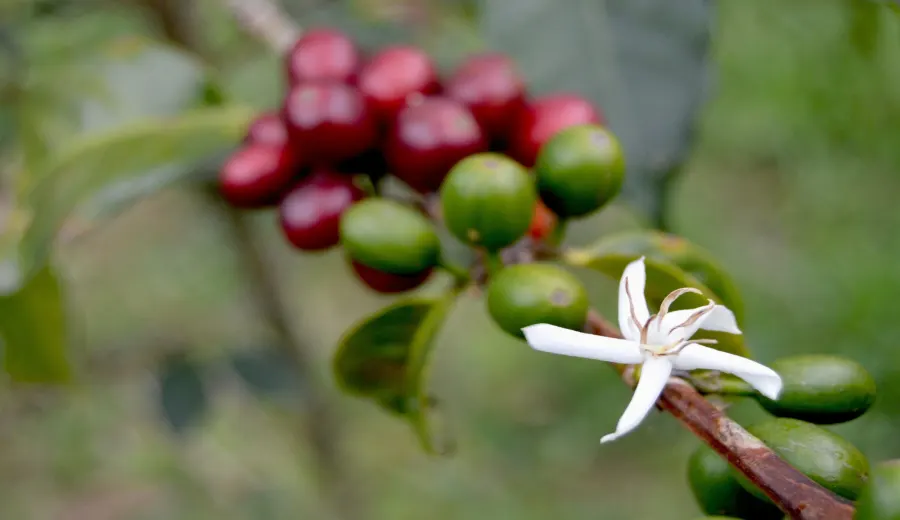
Introduction:Want to understand the charm and differences of Geisha coffee? This article delves into the distinctions among Panama’s Hacienda La Esmeralda’s three flagship Geisha grades — Red Label, Green Label, and Blue Label — covering everything from origin, processing methods, cupping profiles to pour over parameters. It also includes a complete pour over guide and recommendations for the Red Label Natural Geisha to help you master the brewing essentials of this top-tier coffee.
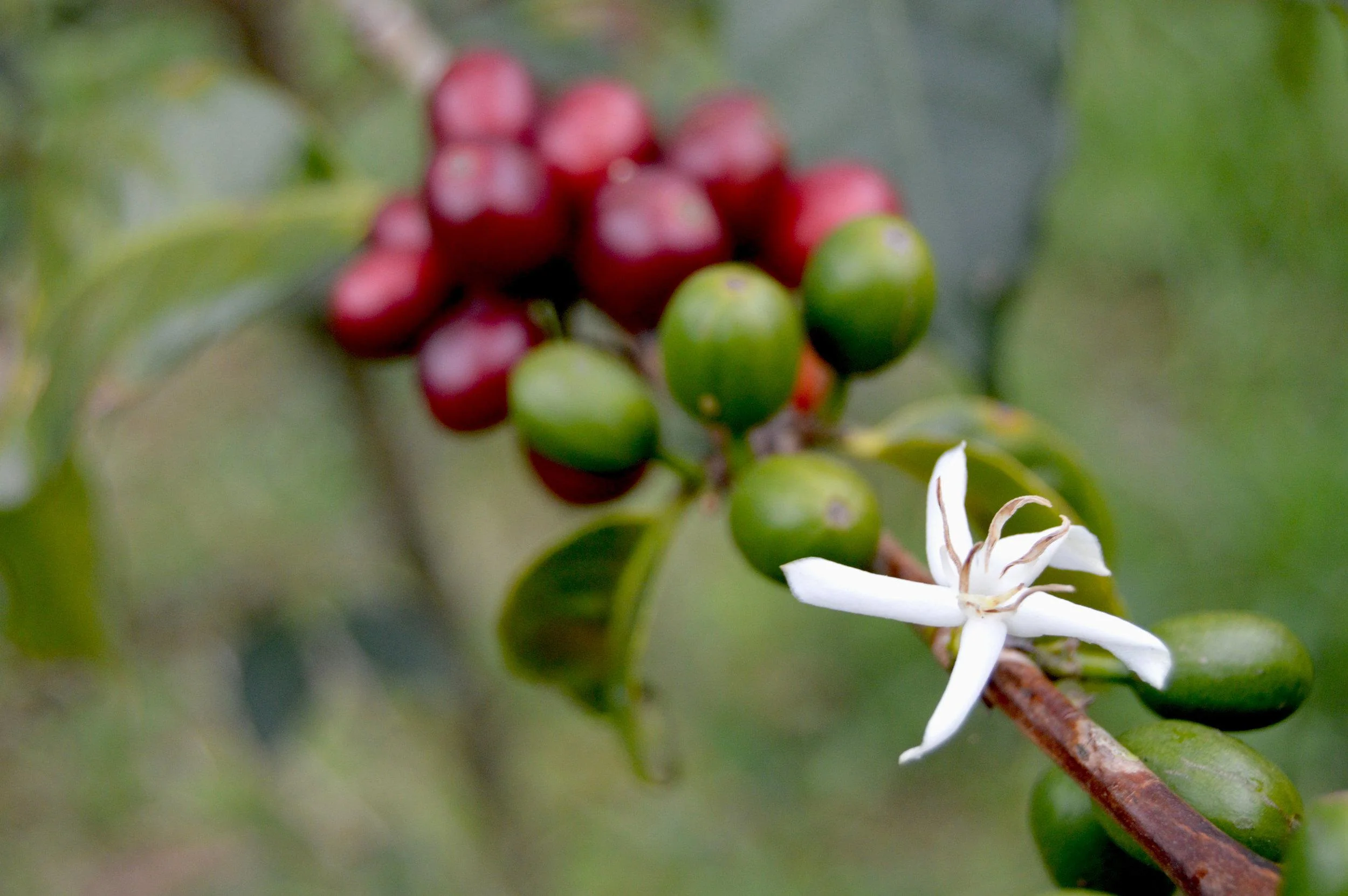
Geisha (Geisha) can be considered one of the most celebrated star varieties in the specialty coffee world. With its distinctive orange blossom aroma and honey-like finish, it has won the favor of countless coffee enthusiasts. This variety originated in the wild forests of southern Ethiopia and was later introduced to Costa Rica and various countries in Central and South America, yet it never truly shined until 2003, when Panama’s Hacienda La Esmeralda rediscovered the potential of this variety. In 2004, it won the Best of Panama (BOP) competition, sparking a global Geisha craze.
Geisha is extremely picky about its growing environment, requiring high altitudes, fertile soil, and frequent cloud cover. Excessive direct sunlight is actually detrimental to its growth. The farm’s management has pointed out that to protect these delicate coffee trees, a large number of shade trees must be planted, and traditional pruning techniques must be adhered to; otherwise, the plants can easily die. The high altitude extends the fruit maturation period, resulting in richer and more nuanced flavors. Additionally, Geisha has thinner leaves and a shallow root system, leading to lower efficiency in water and nutrient absorption, which naturally results in much lower yields compared to common varieties like Caturra — one of the main reasons for its high price.
As Geisha gained fame, coffee farmers around the world began planting it. However, due to significant terroir differences across regions, the resulting Geisha exhibits varying flavor profiles. Nonetheless, the most representative come from its Ethiopian origin and Panama, where it achieved international acclaim. Among them, Panama’s Hacienda La Esmeralda has propelled Geisha to the pinnacle of specialty coffee, categorizing it into Red Label, Green Label, and Blue Label grades based on different altitudes and processing methods, allowing consumers to choose according to their preferences.
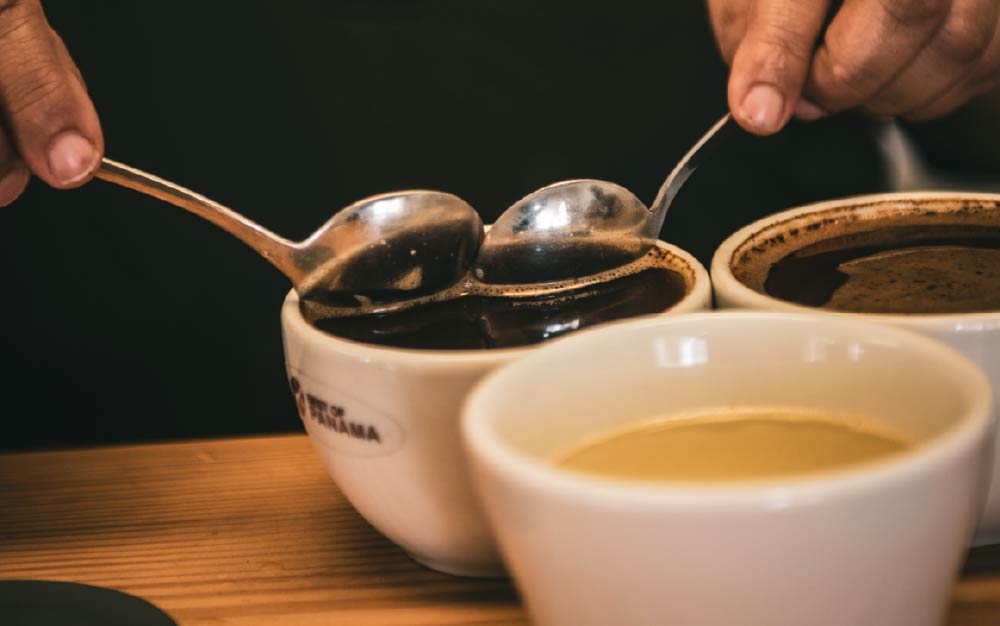
The Best of Panama (BOP) is one of the oldest specialty green coffee competitions in the world and can be seen as the industry’s top auction event. Farms submit their finest batches for blind judging by a professional panel, which scores the coffees. The highest-scoring lots are then auctioned to the highest bidder. In recent years, the winning bids for BOP champion lots have even exceeded $1,000 per pound, drawing global attention within the coffee industry. Unlike mass-producing countries such as Brazil and Vietnam, Panama has chosen a small-batch, premium route, emphasizing unique flavors and traceable origins.
Since its inception in 1996, the BOP competition has completely transformed the fate of the country’s coffee industry. Especially after the outstanding performance of the Geisha variety, the judges divided entries into Geisha and non-Geisha groups, and further subdivided them into natural and washed categories based on processing methods. Final scores were given by judges based on aroma, acidity, sweetness, body, and overall balance. In 2022, the Guava tree farm’s Natural Geisha scored 95.96 to take first place, while Aurora farm’s Washed Geisha scored 96.15 to win the non-natural category, showcasing the extraordinary potential of Panamanian Geisha.
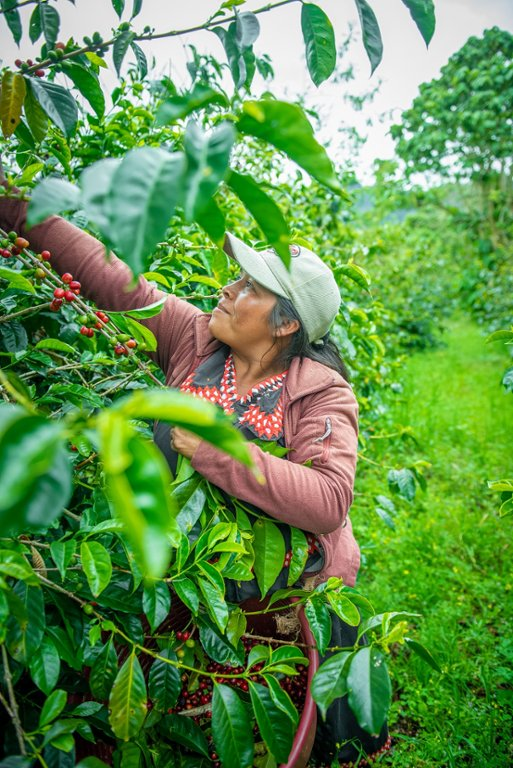
When talking about the top representatives of Geisha, Panama’s Hacienda La Esmeralda cannot be ignored. The farm owns three sub-farms: El Velo, Canas Verdes, and Jaramillo, among which the Geisha from Canas Verdes and Jaramillo are the most renowned. The third-generation farm owner, Daniel, discovered through years of cupping that only Geisha grown above 1,400 meters can deliver that unforgettable unique aroma and layered complexity. Therefore, he strictly divided the farm into different altitude blocks to ensure each batch of Geisha can be traced back to its specific origin.
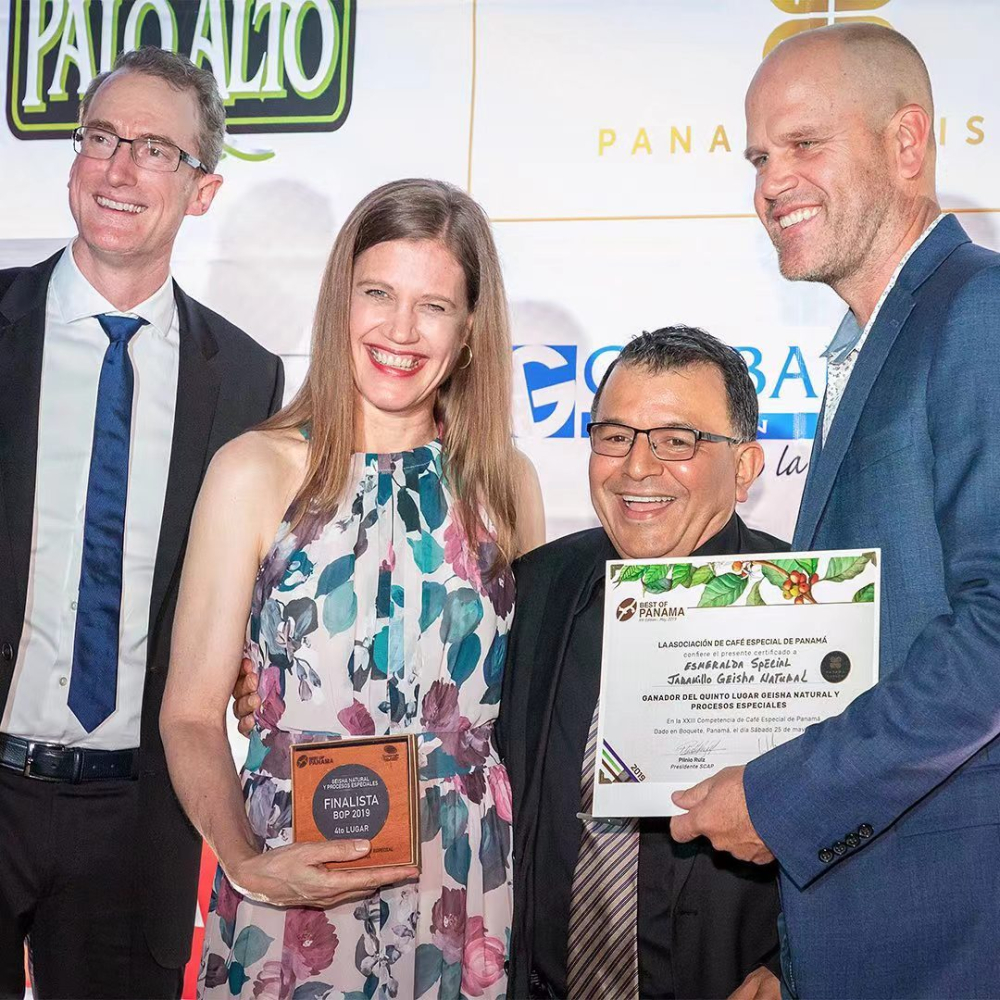
The farm currently offers five main brand tiers, among which ‘Esmeralda Special’ is the well-known Red Label Geisha, representing the farm’s flagship offering. The Red Label not only requires a cupping score of 91 or above, but each batch also comes with detailed information on origin, processing, and cupping profiles. The name ‘Red’ refers to the base color of the packaging trademark, and the naming logic is consistent with the Green Label and Blue Label, making it easy for consumers to distinguish. The Green Label, also known as PRIVATE COLLECTION, is selected from Geisha grown at altitudes between 1,600 and 1,800 meters, including regions such as Jaramillo and Cañas Verdes. Though not entered into auctions, it still showcases the classic alpine flavors of Geisha. A washed Green Label sourced by a certain retailer often features bright notes of lemon, berries, pomelo, and a Tieguanyin tea-like freshness.
Additionally, the Blue Label Geisha is made from Geisha grown at altitudes between 1,400 and 1,500 meters, using only the washed processing method. Previously sourced from Hacienda La Esmeralda’s three main plots, but between 2019 and 2022, this same tier was managed by an external brand partner, launching the well-known market version called ‘Las Rocas’ volcanic rock Geisha — the Blue Label version commonly referred to by consumers.
Geisha coffee is known for its vibrant floral aromas and complex fruit tones. To preserve its captivating acidity and layered aromatics, some roasters often apply a medium-light roast, fine-tuning slightly depending on the harvest season. Due to the dense bean structure from high altitudes, to fully extract its essence, it is recommended to use higher water temperature and finer grind size, along with moderately increasing the powder-to-water ratio to 1:16 to present a more complete flavor spectrum. Moreover, to enhance extraction uniformity and prolong water-coffee contact time, the V60 dripper is an excellent choice — its unique spiral ribs and large holes effectively control water flow speed and path, highlighting the delicate layers of Geisha.
- Dripper:V60
- Water temperature:92°C
- Coffee dose:15g
- Powder-to-water ratio:1:16
- Grind size:Granulated sugar-like fineness (approximately 80% passing through a #20 sieve)
Step-by-step instructions: Fold the filter paper and place it in the dripper. Rinse the filter with a small amount of hot water to preheat both the dripper and the server below, then discard the rinse water. Add the ground coffee into the dripper and gently tap to level the coffee bed. First, pour 30 grams of water for the bloom and let it sit for about 30 seconds. Then, continue pouring up to 125 grams, using a circular motion from the center outward. When the water level drops halfway, pour again up to a total of 240 grams. Finally, wait for the coffee to fully drip through, with a total brew time of about 2 minutes.
The brewed Red Label Natural Geisha delivers a bright cup with notes of jasmine, citrus, and tropical fruit acidity. As it cools, the flavor layers gradually unfold, with a soft tea-like finish. The overall mouthfeel is smooth with a long-lasting aftertaste, making it an excellent entry point for experiencing the flavors of Geisha.
The above content is compiled by CoffeeHunters, a coffee news website.


