







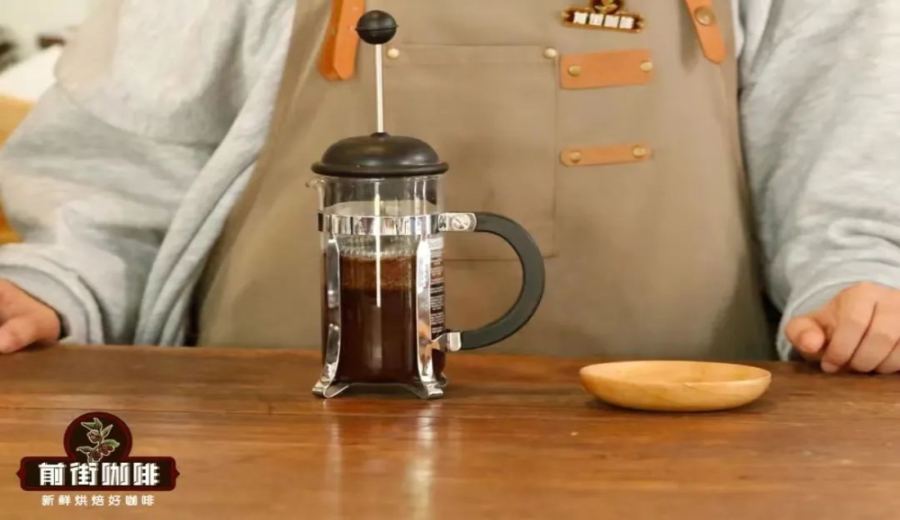
Introduction:The French press is a practical brewing tool commonly found in the homes of many coffee enthusiasts. It’s simple to use yet consistently produces coffee with balanced flavors. This article delves into the historical background of the French press, explores the types of coffee beans that suit it best, and provides a detailed breakdown of each step—from preheating, grind size, coffee-to-water ratio, water temperature control, steeping time, to pressing—offering practical parameters and tips to help you easily brew a rich, sweet-tasting cup of coffee at home.
Got a freshly roasted bag of coffee beans but no suitable brewing device? The French press is your ideal choice. This tool doesn’t require complicated techniques or precise pouring skills—just master a few key parameters, and you can consistently brew aromatic, smooth coffee that’s perfect for everyday use.
French press brewing is an immersion method, where coffee grounds are fully saturated with hot water to extract intense, full-bodied flavors. It’s especially suited for those who prefer a bold mouthfeel and a pronounced sweetness. Compared to the layered complexity of pour over, the French press emphasizes overall flavor balance and a silky smooth texture.
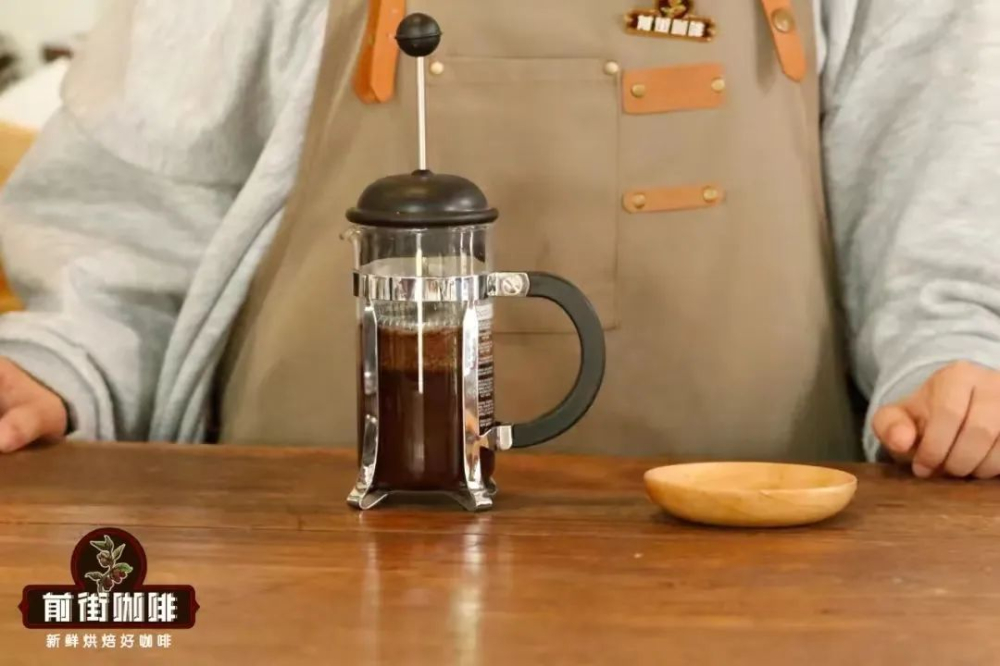
When it comes to the origins of the French press, its history dates back to France in 1850. Initially, this design with a filter and plunger was used for brewing tea, utilizing a metal filter to keep tea leaves inside the pot and ensure a clear infusion. Later, coffee lovers discovered that the same structure worked well for brewing coffee too, yielding a cleaner and more robust flavor.
It wasn’t until 1852 that a craftsman partnered with a businessman to establish the “Smith” company, launching the first French press designed specifically for coffee, and securing a patent for a piston-filtering device called the “French Press.” However, early designs had flaws—the filter would tilt when the plunger was pressed, causing fine grounds to leak. This issue wasn’t resolved until the late 1920s, when a Milan-based company introduced a spring-loaded piston base that ensured the filter fit tightly against the bottom, effectively preventing fine particles from entering the brew and greatly enhancing the user experience.
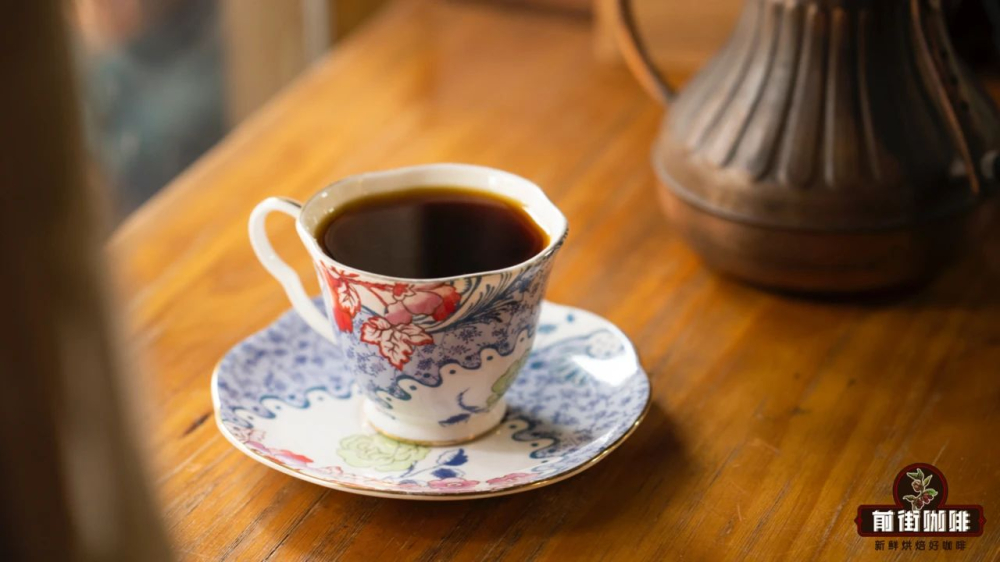
So, what types of coffee beans pair well with the French press? As an immersion brewing method, the French press highlights the coffee’s body and oily richness rather than bright fruity acidity. Therefore,medium to dark roastsare usually the better choice.
If you’re not a fan of excessive acidity, consider trying this single-origin bean. It’s close to a dark roast level, with low acidity but rich flavors. When brewed, it often exhibits notes of spices, dark chocolate, toasted bread, caramel, and sandalwood. The taste is bold and long-lasting, making it a great way to experience the unique extraction charm of the French press.
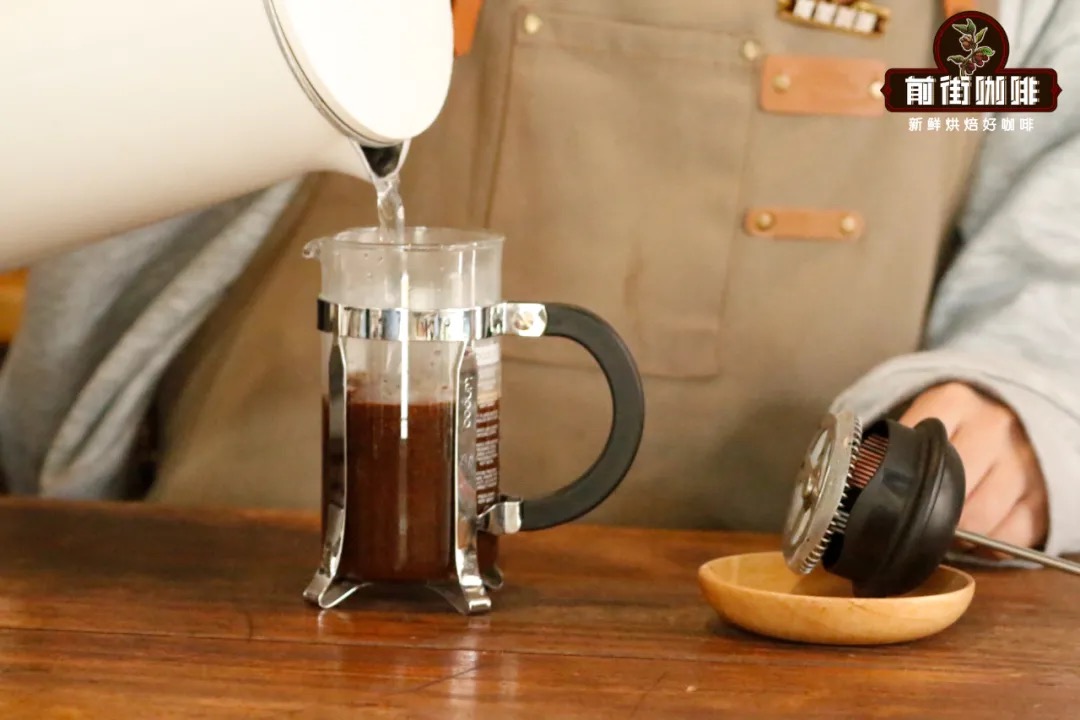
Brewing with a French press is actually quite straightforward—just master a few key steps: preheat the equipment, choose the right grind size, control the coffee-to-water ratio and water temperature, and pay attention to steeping time, and you’ll consistently brew a great cup of coffee.
The basic structure of a French press includes a heat-resistant glass carafe and a metal filter along with a plunger. Before you start brewing, it’s recommended to preheat the entire pot and filter with hot water. This helps maintain temperature stability during extraction. Then, discard the preheating water and proceed to the next step.
It’s recommended to grind the coffee beans to thesize of coarse sugar, similar to the coarseness of about70%–75%a No. 20 standard sieve in China. This grind size helps avoid over-extraction and minimizes fine sediment settling at the bottom, which can affect the taste.
The generally recommended coffee-to-water ratio is1:13 to 1:16, meaning for every 15 grams of coffee grounds, use 195 to 240 milliliters of hot water. If you prefer a stronger taste, go for a 1:13 ratio; if you want a lighter flavor, you can increase it to 1:16. In terms of coffee dosage, it’s recommended to use at least 15 grams to fully showcase the coffee’s flavor characteristics.
Water temperature is also a crucial factor in extraction. Depending on the roast level, it’s suggested thatlight to medium roasts (light brown to medium brown) use water around 92°C, whiledark roasts (dark brown) should be brewed with water lowered to around 88°Cto avoid over-extraction, which can lead to bitterness or woody flavors.
For steeping time,light to medium roasts are recommended for about 4 minutes,while dark roasts are advised to be shortened to 3 minutes and 30 seconds. Steeping for too long may cause over-extraction, releasing undesirable flavors and making the coffee taste dry, astringent, or burnt.
After steeping, gently but firmly press down the plunger, and it’s recommended topour out all the coffee liquid at onceto avoid residual grounds continuing to release off-flavors, which can negatively impact the overall flavor profile.
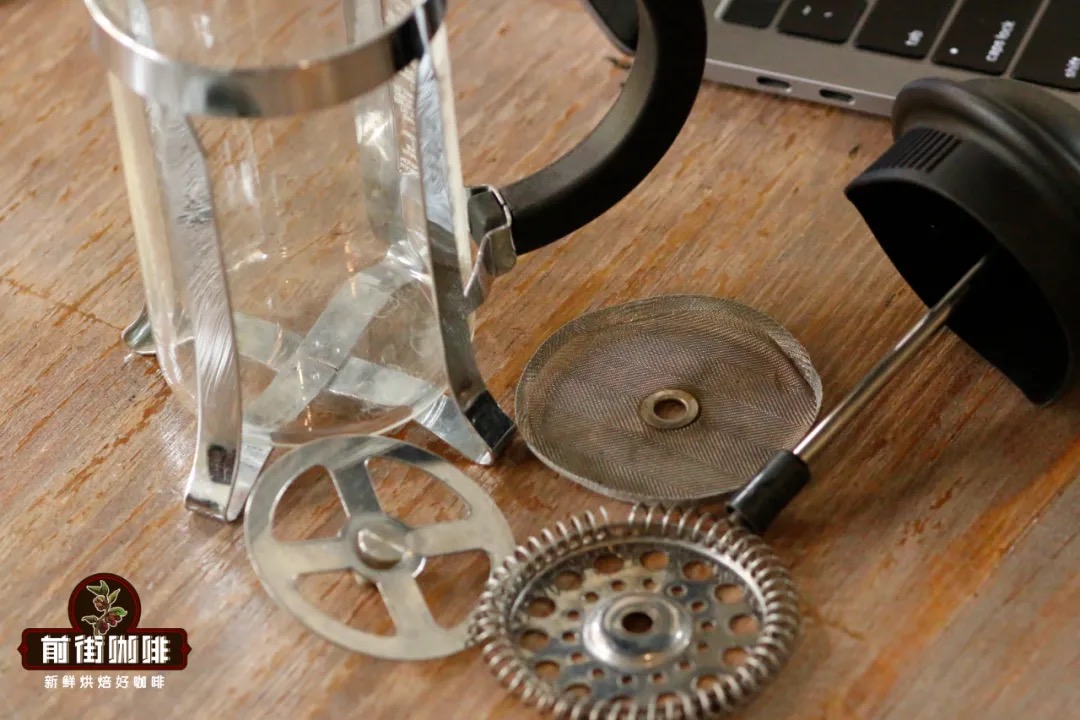
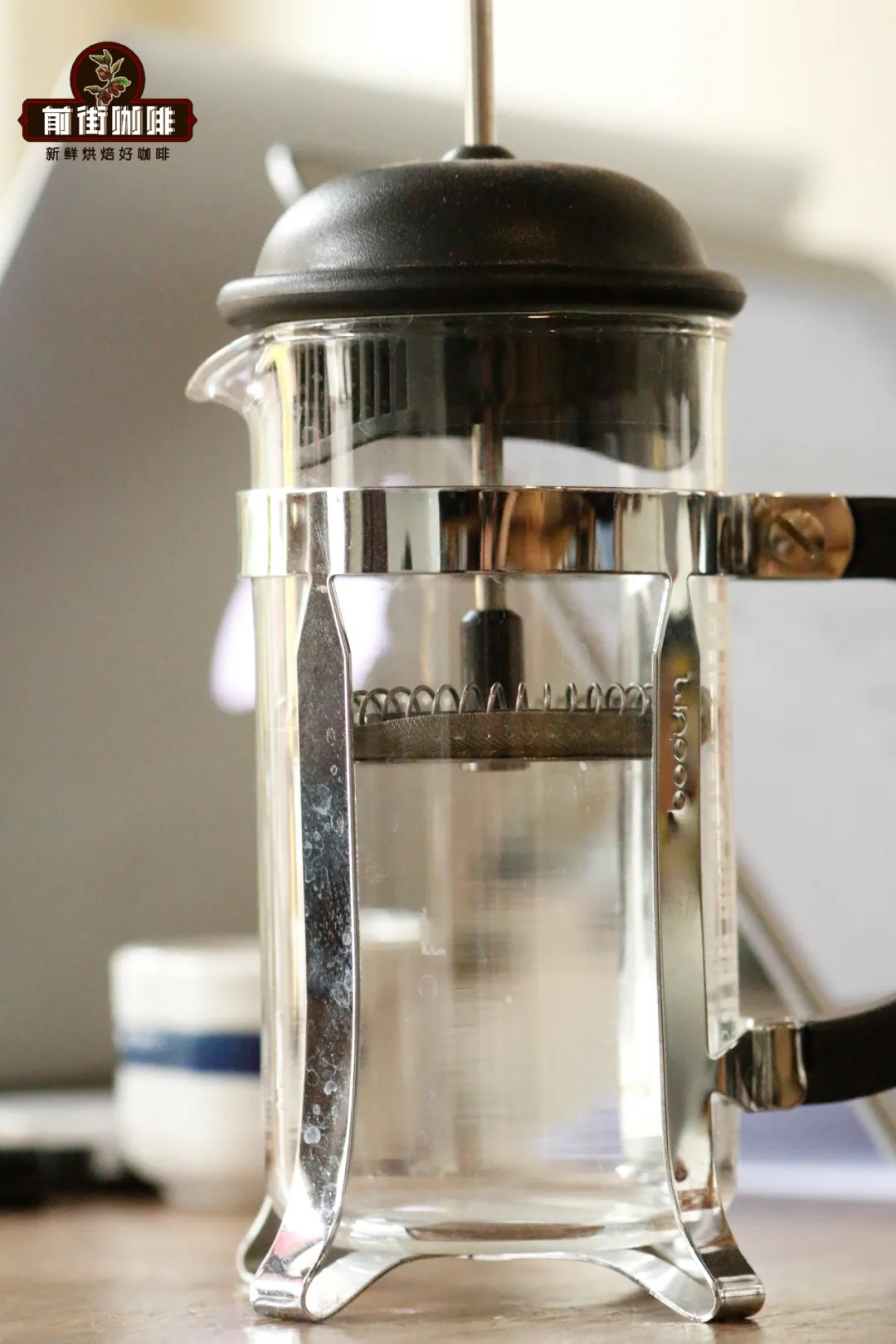
Finally, don’t forget to thoroughly clean the French press after each use. Since coffee oils can stick to the metal filter and inner walls of the container, it’s best to disassemble all removable parts, wash them with a neutral detergent, and ensure they are completely dry before storing to maintain the hygiene and longevity of the device.
Remember, one of the charms of French press coffee is that slight coffee sediment feel, which is a natural result of immersion brewing. There’s no need to overly pursue absolute clarity—this moderate “micro-sediment” is actually a unique flavor characteristic of French press coffee.
The above content is compiled by CoffeeHunters, a coffee news website.


