







Introduction:In recent years, decaffeinated coffee has gradually entered the public eye, but its healthiness and flavor quality often spark debate. This article delves into the definition of decaf coffee, the mainstream decaffeination technologies, and uses a Typica variety from Colombia’s Huila region as an example to explain its regional characteristics, processing methods, and optimal brewing parameters. It also clarifies common misconceptions, explores whether decaf coffee truly impacts health, and provides practical step extraction suggestions to help readers grasp the essence of decaf coffee.
In recent years, the attention given to decaffeinated coffee has continued to rise, but many coffee enthusiasts still have numerous questions: How is caffeine actually removed from decaf coffee? Is drinking decaf coffee really healthier? Does the flavor suffer significantly? This article will systematically introduce the classification of decaf coffee and common decaffeination methods from a professional perspective, and take a decaf coffee bean of the Typica variety produced in Colombia’s Huila region as an example to detail its regional background, processing techniques, and ideal brewing conditions. It also addresses the common question of whether decaf coffee is healthy and offers a practical step extraction method to give you a comprehensive understanding of the true nature of decaf coffee.
For consumers familiar with specialty coffee, specialty-grade beans are mostly Arabica varieties, as their caffeine content (approximately 0.9%–1.4%, averaging 1.2%) is generally lower than that of Robusta (1.8%–4%, averaging 2.2%), and they usually offer superior flavor profiles. Due to its higher caffeine content and relatively bland taste—and even potential negative health effects from excessive consumption—Robusta rarely appears in the specialty coffee realm. However, a type of decaf coffee bean with even lower caffeine content than Arabica has recently gained attention in the market, leading to curiosity: Is drinking decaf coffee really healthy? What are its pros and cons? The following will explain them one by one.
What exactly is decaf coffee? Generally speaking, the caffeine content of coffee beans is calculated by weight ratio. Arabica beans contain about 0.9%–1.4% caffeine (averaging around 1.2%), while Robusta contains 1.8%–4% (averaging about 2.2%). Decaf coffee can be divided into two main categories: naturally low-caffeine coffee and artificially decaffeinated (low-caffeine) coffee. According to EU standards, artificially processed decaf coffee must not exceed 0.1% caffeine content of the raw bean; the U.S. Food and Drug Administration (FDA) standard requires removal to below 3% of the original caffeine content.
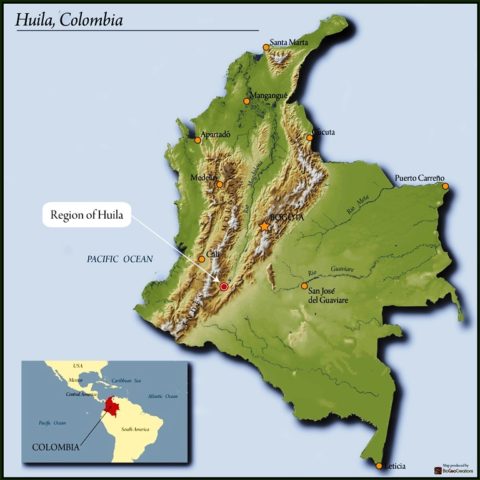
For example, a certain decaf coffee bean produced in Colombia’s Huila region demonstrates a commendable flavor profile.
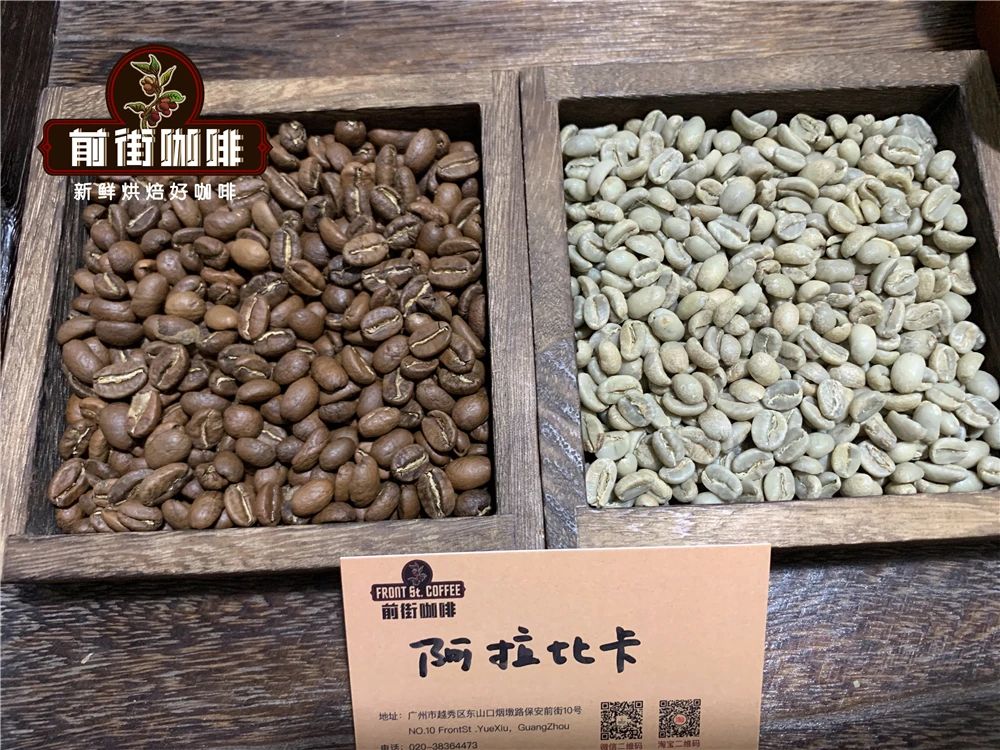
So, is decaf coffee really not tasty? In fact, the reason many commercially available decaf coffees lack good flavor often stems from the choice of raw materials—some producers, in order to reduce costs, use commercial-grade bean varieties that are inherently higher in caffeine (such as Robusta), and even before the decaffeination process, the flavor foundation of these beans is already less than ideal. However, if high-quality Arabica beans are used as raw materials, even after decaffeination, they can still retain quite outstanding flavor performance. Take Colombia’s Huila region as an example: as one of Colombia’s highest-altitude and well-known coffee-producing regions, its beans have long been reputed as “national treasure” grade, belonging to specially selected high-mountain beans from the country’s state-owned companies. Therefore, the decaf coffee beans produced in this region already have a certain baseline in terms of flavor foundation. In addition, these decaf beans are graded as Supremo, the highest grade in the Colombian coffee bean classification system, so their quality is naturally assured.
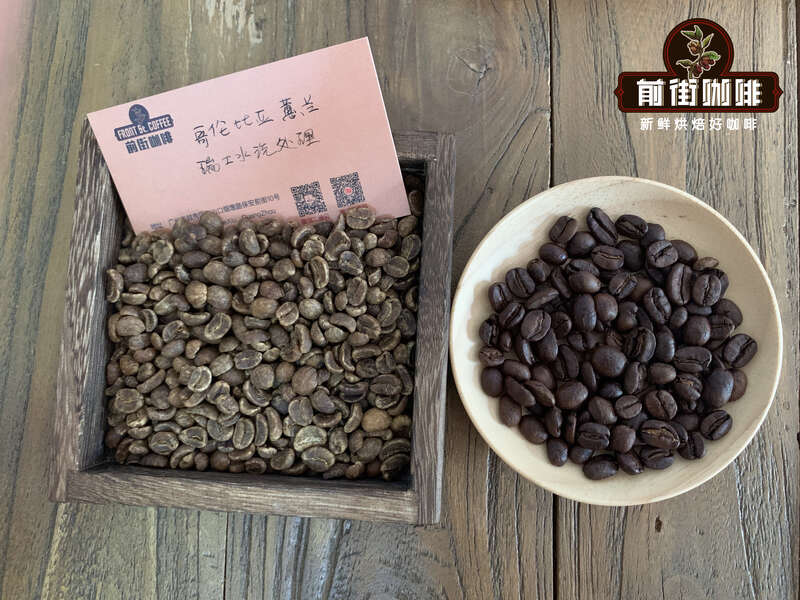
The decaffeination methods for decaf coffee are mainly divided into four categories: direct/indirect solvent-based processes, supercritical carbon dioxide process, Swiss Water process, and mountain water process. Among them, the most common are the direct solvent-based process and the Swiss Water process. For this decaf coffee bean from Colombia’s Huila region, the Swiss Water process is used.
The Swiss Water process works as follows: first, the green coffee beans are soaked in hot water, which partially removes the caffeine; then the soaked solution is filtered through activated carbon, and finally, the filtered solution is poured back onto the beans. This series of steps effectively removes caffeine without the use of chemical solvents, and the soaking solution can also be reused in different batches of processing. However, this method may lose some flavor compounds during filtration. Nevertheless, its caffeine removal rate can reach 99.9%, making it the decaffeination method with the highest caffeine removal efficiency on the market. Due to its low cost, ease of operation, and high efficiency, most decaf coffee beans on the market are processed using this method.
As for the common question of whether decaf coffee is healthy, decaf (Decaf) only means “coffee with about 97% of its caffeine removed,” not completely caffeine-free. Aside from caffeine content, its nutritional value is almost the same as that of regular coffee. However, depending on the decaffeination method used, its flavor and aroma may be slightly more mild, and the color may also change somewhat, making decaffeinated coffee potentially more suitable for those who are sensitive to the bitterness or smell of regular coffee. As long as it is consumed normally and the intake is within a level acceptable to the human body, decaf coffee usually does not pose a health risk. But if consumed without restraint, leading to daily caffeine intake exceeding safe limits, it could still have adverse effects on the body.
Finally, regarding the brewing of decaf coffee: due to the process of soaking to release caffeine, the bean’s fiber structure is slightly different from that of regular coffee beans, and it has stronger water absorption, so the extraction speed is relatively slower, requiring appropriate adjustment of brewing parameters. It is recommended to use a Kono filter, with water temperature controlled at 88.8°C, about 15g of coffee grounds, a coffee-to-water ratio of 1:15, and a grind size of coarse (similar to the coarseness of brown sugar, with about 70% passing through China Standard No. 20 sieve). The specific brewing steps are as follows: first, add the coffee grounds, then pour in 2 times the water volume (about 30ml) for a 30-second bloom; next, gently pour 150ml of hot water in a circular motion to raise the coffee bed and form a golden crust on the surface; once the coffee bed surface has slightly dropped, pour the final 45ml. After all the coffee liquid has dripped into the server, remove the filter. The total extraction time is approximately 2 minutes and 10 seconds. Under these parameters, this Colombian decaf coffee bean typically exhibits flavors of dark chocolate, caramel, and nuts, with a rich mouthfeel, suitable for coffee lovers who enjoy deep and intense flavors.
The above content is compiled by CoffeeHunters, a coffee news website.


