







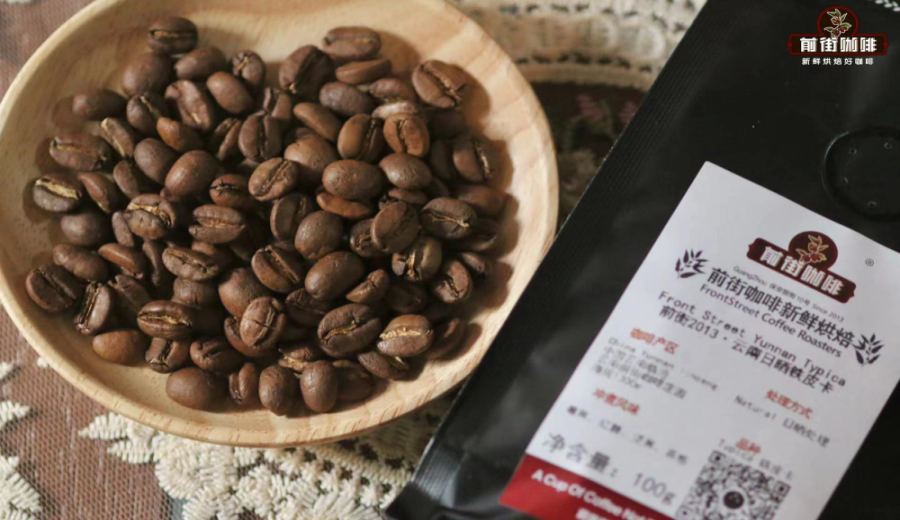
Introduction:Want to understand the true characteristics and quality grades of Yunnan small-grain coffee? This article comprehensively breaks down the flavor profile of Yunnan coffee—from regional geography, climate conditions, major varieties to processing methods—and takes an in-depth look at the unique qualities of a representative bean of the Typica variety from the Lincang region. It also provides practical pour over parameters and flavor descriptions. Whether you're new to Yunnan beans or looking to refine your brewing skills, you’ll find valuable insights and guidance here.
In recent years, Yunnan coffee has become a focal point for many coffee enthusiasts, especially the quality and characteristics of its small-grain coffee, which continue to spark discussion. But what exactly makes Yunnan small-grain coffee special? What grade does it hold in the pour over scene? This article will help you systematically understand this important domestic Chinese coffee region by exploring its growing environments, variety distribution, and processing techniques. You'll also get to know a representative bean made from the Typica variety in the Lincang area, along with its signature flavor profile and optimal brewing approach.
If you’re not yet familiar with Yunnan coffee, you might want to start with commonly available Yunnan small-grain beans. These typically feature prominent nutty dry aromas, with a smooth blend of herbal, chocolate, and caramel notes on the palate, and a hint of bright fruit acidity in the aftertaste—all typical flavor traits of the Yunnan region that can help you quickly form your first impression of its coffee.
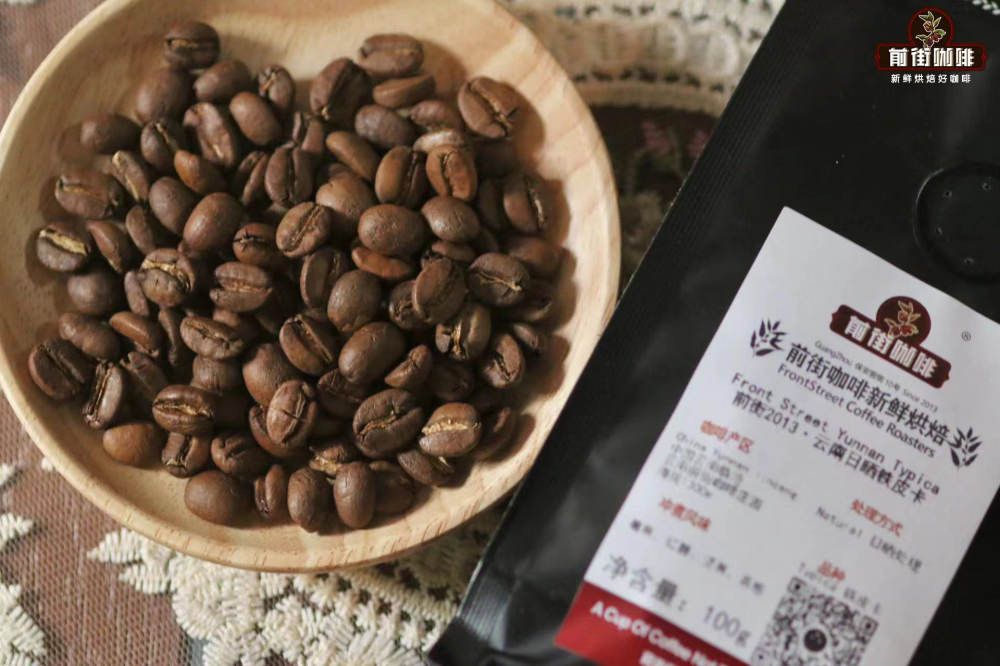
The so-called “small-grain coffee” is in contrast to the medium-grain Robusta varieties grown in places like Hainan. In reality, most of what’s planted in Yunnan is Arabica, with Catimor being the most common variety. Arabica coffee trees thrive in warm, sunny environments with large diurnal temperature variations, and grow best at temperatures between 16–21°C. Yunnan happens to be located near the 25°N latitude, often referred to as the “coffee golden belt,” with most areas of the province situated at elevations between 1,000–2,000 meters. The region features mountainous terrain, fertile soil, abundant rainfall, and significant day-night temperature differences—providing ideal growing conditions for coffee trees.
The main coffee-growing areas in Yunnan are concentrated in the southwest, including the four major regions of Baoshan, Dehong, Pu'er, and Lincang. Some brands source their beans mainly from Baoshan and Lincang. These areas not only have favorable natural conditions but have also developed distinctive local flavor profiles through long-term cultivation.
Speaking of Baoshan, its history of coffee cultivation dates back to the mid-1950s, when it was introduced by patriotic overseas Chinese Mr. Liang Jinshan. The local Luguangba area has a typical dry-hot valley climate, with no frost year-round, stable temperatures, and large diurnal temperature variations—conditions that help coffee cherries accumulate flavor compounds and develop unique aftertastes. In addition, the moderate and evenly distributed rainfall in Baoshan provides a stable environment for coffee cherry maturation, which is one reason why Baoshan small-grain coffee boasts clear flavors and good layering.
As for the processing methods commonly used for Yunnan coffee, although some farms have recently experimented with special techniques like honey processing or anaerobic fermentation to enhance aroma, the vast majority of Yunnan coffee still relies on traditional washed and natural (sun-dried) methods. This is because many coffee farmers lack the resources for expensive equipment investments, and washed and natural processes are the most accessible and stable options.
The washed process involves several steps: first removing unripe and defective cherries using water flotation, then stripping the outer skin and pulp with a pulper, followed by fermenting the mucilage-covered beans in water tanks where acid-base reactions separate the mucilage. After rinsing with clean water, the parchment-covered beans are dried in the sun or with machines until they reach about 12% moisture content, and finally the inner parchment is removed to obtain green beans. This method highlights the intrinsic flavor characteristics of the beans while minimizing unwanted off-flavors.
One brand has long been committed to showcasing the original flavors of coffee beans, and thus many of its Yunnan-grown offerings are processed using traditional methods like washed or natural. Among them, a washed bean showcases the balanced flavor profile typical of the Yunnan region, while a highly praised representative bean is made from the Typica variety using the natural process, which further enhances sweetness and fruity notes. This particular bean comes from a plantation established by the brand in Lincang.
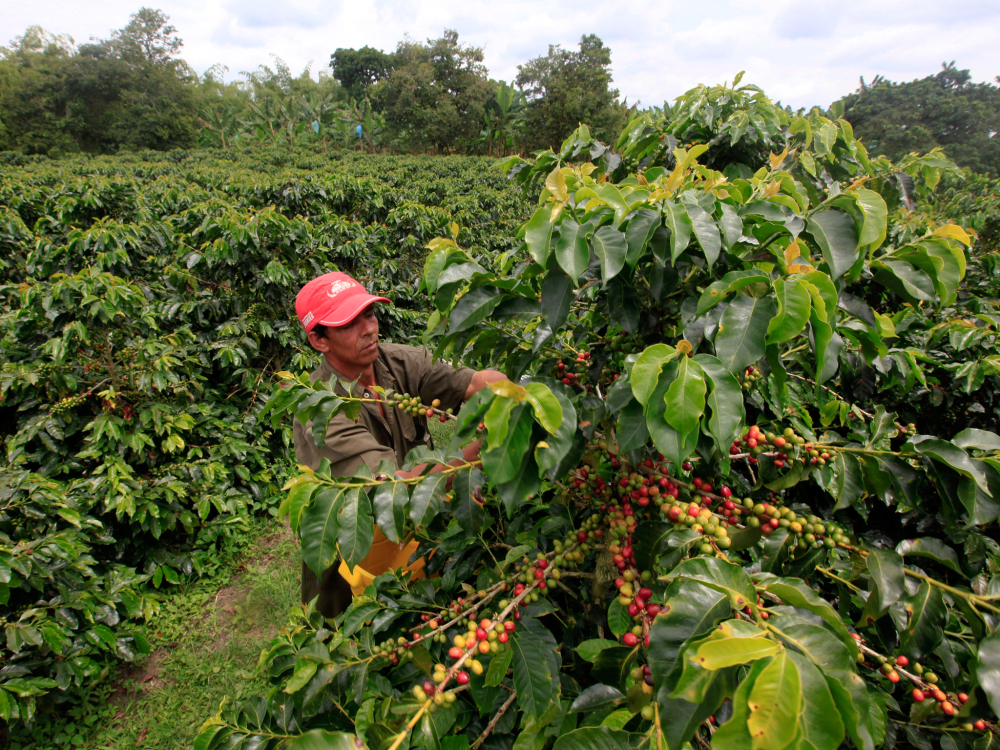
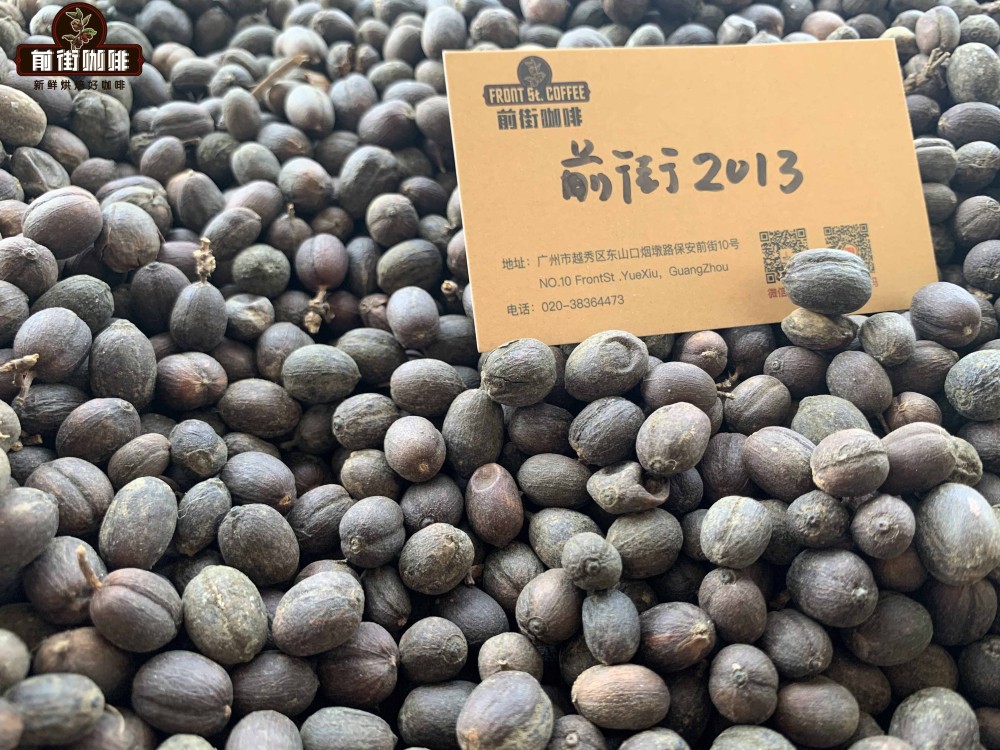
Several years ago, the brand already had the idea of growing coffee themselves and set out for Lincang, Yunnan in 2013. From site selection and seedling cultivation to planting, harvesting, and processing, the team handled every step themselves, gradually accumulating hands-on experience with altitude, variety, and processing methods.
The Lincang region, influenced by warm and humid airflows from the Indian Ocean and the southwest monsoon, experiences distinct dry and rainy seasons, with abundant sunshine and short frost periods—even some highlands remain frost-free year-round. Coupled with a pronounced layered climate, it's very suitable for Arabica growth. The brand specifically selected the classic and elegantly flavored Typica variety. Although this variety has relatively low yields and weaker disease resistance, under careful management it produced its first harvest in 2020 and was processed using the natural method. It was named a representative bean.
Around November each year, as the coffee cherries gradually turn red, workers hand-pick fully ripe cherries and spread them evenly under the sun for natural drying. Only when the beans have dehydrated to a purple-red color and reached the target moisture content are they hulled and subsequently roasted, ensuring the full expression of their flavors.
So, what does Yunnan small-grain coffee actually taste like? Based on actual tasting experiences, the brand believes that Yunnan coffee has a balanced, neutral-toned profile with both acidity and a rich bitterness. Therefore, medium roasting is recommended. Take a representative bean as an example: this Typica variety, roasted to a medium level, exhibits a complex aroma of plums, dried fruit, chocolate, nuts, and black tea, with noticeable sweetness and rich layers.
If you plan to brew this bean at home using a pour over method, here are the recommended parameters:Use a Hario V60 filter dripper, with around 15 grams of coffee grounds. Set the water temperature to 90°C, and aim for a grind size where 75% of particles pass through a #20 sieve. Use a coffee-to-water ratio of 1:15.. For the specific brew process, you can use a three-pour method: start with a bloom phase using twice the amount of coffee (about 30 grams) for 30 seconds. Then pour water in small streams in a circular motion from the center outward until you reach 125 grams, pause until the coffee bed descends to the middle of the dripper, then continue pouring with the same fine stream until you reach 225 grams, and let it drip through completely. The total brew time is about 2 minutes.
The flavor profile of the representative bean, to be specific: the dry aroma carries subtle notes of caramel and nuts. On the palate, chocolate dominates, complemented by a brown sugar-like sweetness and subtle fruit acidity. The finish leaves a hint of the mellow depth of black tea. The overall flavor is clear, well-layered, and harmonious—perfectly suited for coffee lovers who want to experience the authentic taste of Yunnan small-grain coffee.
The above content is compiled by CoffeeHunters, a coffee news website.


