







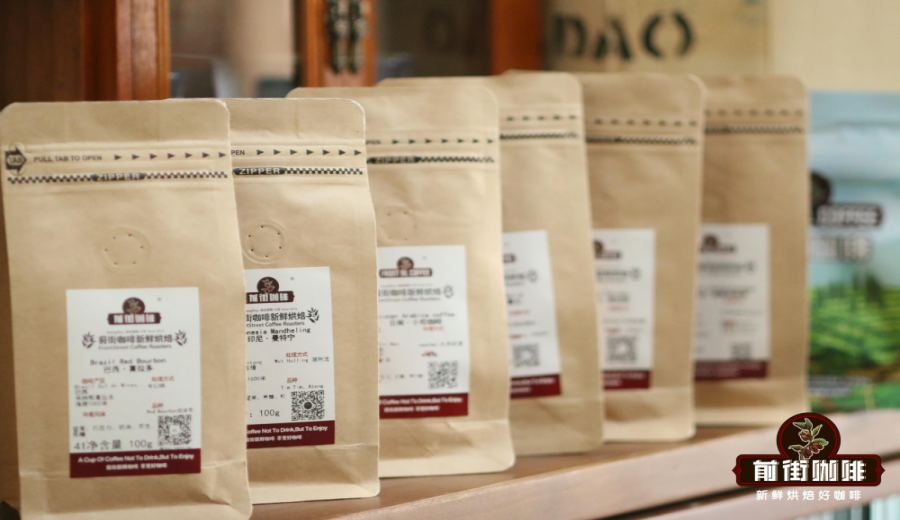
Introduction:For beginners new to single-origin coffee, choosing beans that match their personal flavor preferences can be a challenge. This article features entry-level everyday beans sourced from globally renowned regions such as Ethiopia, Costa Rica, Colombia, Indonesia, Yunnan (China), Guatemala, and Brazil. It provides detailed insights into each origin’s unique characteristics, processing methods, and flavor profiles, along with practical V60 three-stage pour over parameters to help you explore the distinct charm of each region within a reasonable budget.
Many newcomers to the world of single-origin coffee often face a common dilemma: when confronted with a wide array of origins and processing methods, they’re unsure which first bag of beans to choose. In fact, selecting a representative everyday bean not only helps build a foundational understanding of flavors but also allows you to experience the unique character of different regions at an affordable price. Below, we will take an in-depth look at seven entry-level everyday coffee beans originating from Ethiopia, Costa Rica, Colombia, Indonesia, Yunnan (China), Guatemala, and Brazil. From origin background and processing methods to specific flavor profiles and pour over recommendations, this guide offers comprehensive purchasing and brewing references.
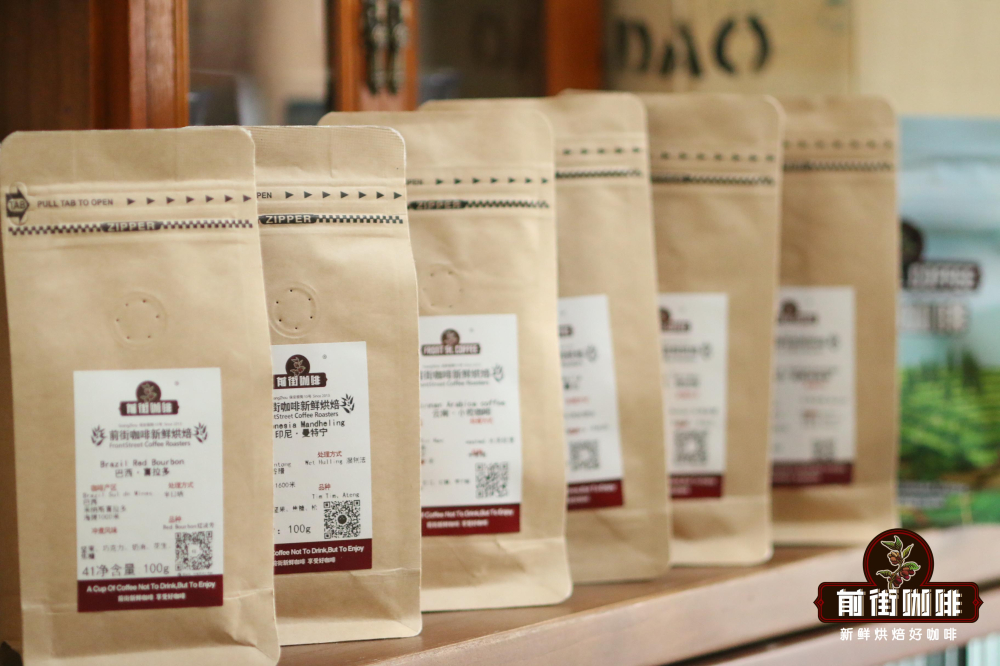
The term “everyday beans” does not imply low quality or discounted standards. Rather, it refers to coffee beans sourced from major classic origins that fully showcase the fundamental flavor characteristics of their regions while remaining affordably priced. These beans are typically sold in small 100g packages, allowing consumers to try multiple origins at a relatively low cost and gradually develop their own flavor preferences. The seven beans featured in this article span major coffee-producing regions in Africa, the Americas, and Asia. Whether you prefer bright fruity acidity, rich chocolate notes, or full-bodied nutty tones, you’ll find a suitable entry option among them.
Ethiopia Yirgacheffe (Washed)
Grown at elevations of 1800–2000 meters in the Yirgacheffe region, these beans are made from native Ethiopian varieties using the washed processing method. The most distinctive features of this coffee are its bright citrus and lemon acidity, paired with intense jasmine and berry-like aromas. The cup is clean and bright, reminiscent of a refreshing lemon tea, with a pronounced tea-like body — making it ideal for those who enjoy fruity acidity and floral-fruity flavor profiles.
Costa Rica Tarrazú (Washed)
This region is located south of the capital San José at around 1500 meters above sea level. The beans primarily consist of the Caturra and Catuaí varieties and are processed using the washed method. This coffee offers balanced flavors, starting with a light sweet acidity reminiscent of sweet oranges, followed by a mid-palate of nuts and chocolate, and a finish with caramel sweetness and subtle cedar notes. The overall mouthfeel is smooth with a full body.
Colombia Huila (Washed)
Sourced from the mountainous Huila region at elevations between 1500–1800 meters, these beans are known for the Caturra variety and washed processing. Thanks to the area’s favorable terrain and climate, the coffee beans grown here exhibit complex flavors. Once brewed, they present a base of nuts and dark chocolate, with gentle fruit acidity in the mid-palate and a caramel sweetness in the finish. This bean is a prime example of excellent balance among American-origin coffees.
Indonesia Sumatra Mandheling Lintong (Wet-Hulled)
These beans come from the Lintong region in north-central Sumatra, grown at altitudes of 1100–1600 meters. They mainly consist of the Typica and Caturra varieties and are processed using the wet-hulled (Giling Basah) method. This processing creates a profile of low acidity and high body, with flavors dominated by herbal notes, dark chocolate, and caramel, and a sweet finish. Note that the wet-hulled method often results in irregular bean shapes, including what is commonly referred to as “elephant ear beans,” but this doesn’t affect its unique full-bodied taste.
China Yunnan Baoshan (Washed)
These beans are grown at 1200 meters in the Baoshan region and are of the Catimor variety, processed via the washed method. Yunnan smallholder coffee is well-known for being richly flavored yet not bitter, with a mellow aroma. This particular bean showcases sweet notes of melon, cantaloupe, and brown sugar, along with moderate plum acidity and black tea-like qualities, making it a standout local coffee representative within the Chinese market.
Guatemala Huehuetenango (Washed)
This origin lies in a non-volcanic highland region at elevations of 1500–2000 meters, featuring varieties such as Bourbon, Caturra, and Catuaí, all processed using the washed method. The coffee opens with citrus and berry acidity, followed by mid-palate notes of lemon peel and nuts, and finishes with a tea-like sensation. The overall cup is refreshing and layered.
Brazil Cerrado (Natural/Semi-Washed, Red Bourbon)
Sourced from the South Minas region at an elevation of 1000 meters, these beans are of the Red Bourbon variety and processed using the semi-washed (pulped natural) method. They feature low acidity and high sweetness, with flavors centered on tropical fruits and chocolate. The mouthfeel is full-bodied yet smooth, making it highly suitable for those who prefer coffee without pronounced fruit acidity.
For brewing, it is recommended to use a V60 #01 filter cone, with 15 grams of coffee, a 1:15 coffee-to-water ratio, and a grind size set to BG6M (approximately 80% through a #20 sieve). Water temperature should be controlled at 90–91°C. If you don’t have a sieve, observe the brew flow rate: too fast indicates a grind that’s too coarse, while too slow may mean it’s too fine. Use a three-stage pouring method: start with a 30-gram bloom for 30 seconds, then pour in a small circular motion until you reach 125 grams for the first pour. Wait for the water level to drop, then pour up to 225 grams before stopping. Remove the filter just before the bed is exposed. Total brew time should be kept between 2 minutes 00 seconds and 2 minutes 20 seconds.
These seven everyday beans not only help beginners establish a basic understanding of the flavor characteristics of various origins, but also provide practical pour over parameters. This enables you to explore the world of coffee with reasonable costs and simple equipment, while still enjoying the wonderful flavors from around the globe.
The above content is compiled by CoffeeHunters, a coffee news website.


