







Introduction:Jamaican Blue Mountain coffee has consistently ranked high on specialty coffee charts, captivating enthusiasts with its unique "Blue Mountain flavor" and rarity. But what exactly is genuine Blue Mountain coffee? How much does Blue Mountain No. 1 cost? And how can it be brewed to bring out its optimal flavors? This article delves into the history, terroir, and grading system of Blue Mountain coffee, while also offering expert-level pour over recommendations and market identification tips. Whether you're new to Blue Mountain or a seasoned coffee lover, you'll find practical insights here.
Why has Jamaican Blue Mountain coffee maintained such a strong presence in the global specialty coffee market? What kind of astonishing experience does its legendary "Blue Mountain flavor" offer to drinkers? This article will comprehensively dissect all aspects of this top-tier coffee — from its historical background and regional terroir, to its grading categories and current market conditions. It will also detail the brewing parameters and retail price of Blue Mountain No. 1, while debunking common market misconceptions, helping readers gain a deeper and more accurate understanding of Blue Mountain coffee.
The worldwide fame of Jamaican Blue Mountain coffee is inseparable from its uniquely advantageous geographical environment. As early as the 1960s, Jamaican coffee had already secured a certain market position. However, the devastating hurricane of 1969 severely damaged the local coffee industry. Japanese UCC not only provided financial aid but also introduced advanced eco-friendly cultivation techniques to help revive Blue Mountain coffee. In gratitude, the Jamaican government signed a 30-year agreement with Japan, allocating 90% of Blue Mountain coffee production to Japan, leaving only about 245 tons (roughly 10%) for other markets. This move, driven by scarcity and market dynamics, caused the price of Blue Mountain coffee to climb steadily.
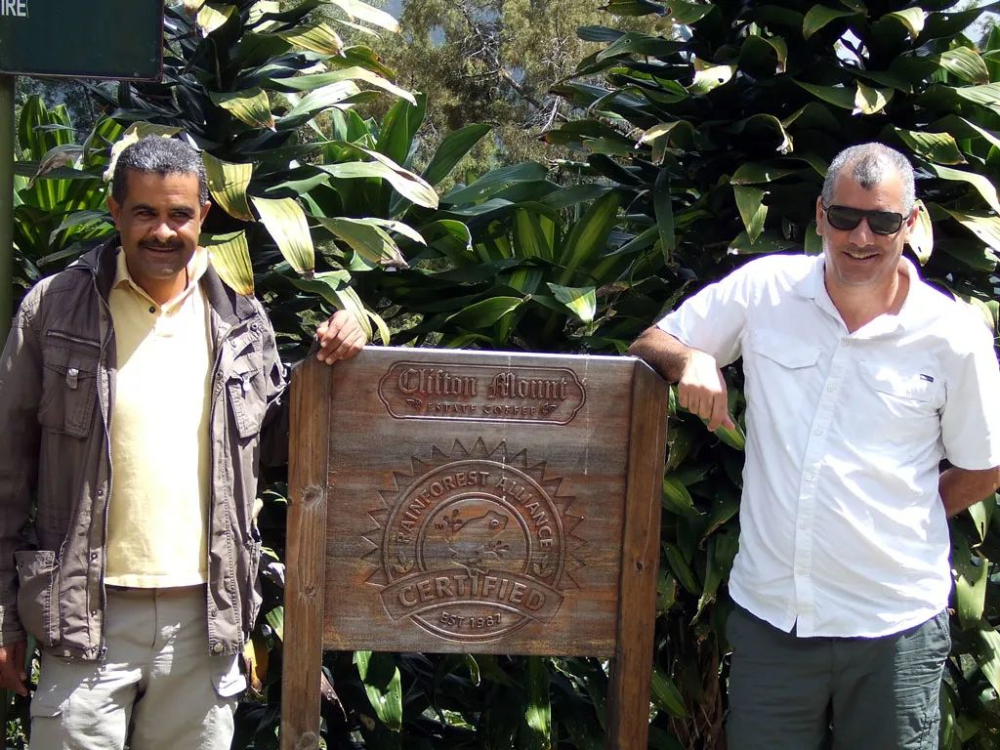
It’s worth noting that during the agreement period, some Blue Mountain coffee was resold at high prices to places like Singapore, South Korea, and Hong Kong, Macau, and Taiwan. Coupled with aggressive promotion by Japan, the Blue Mountain craze gradually spread across East Asia. By around the year 2000, this "Blue Mountain fever" reached mainland China, and to this day, many novice coffee drinkers still associate Blue Mountain with that era. After the 2008 global financial crisis, the Jamaican government redistributed Blue Mountain quotas, and with the expiration of the agreement, more Blue Mountain coffee entered the international market. Today, domestic consumers also have the opportunity to taste authentic Blue Mountain No. 1 from the Clifton Estate.
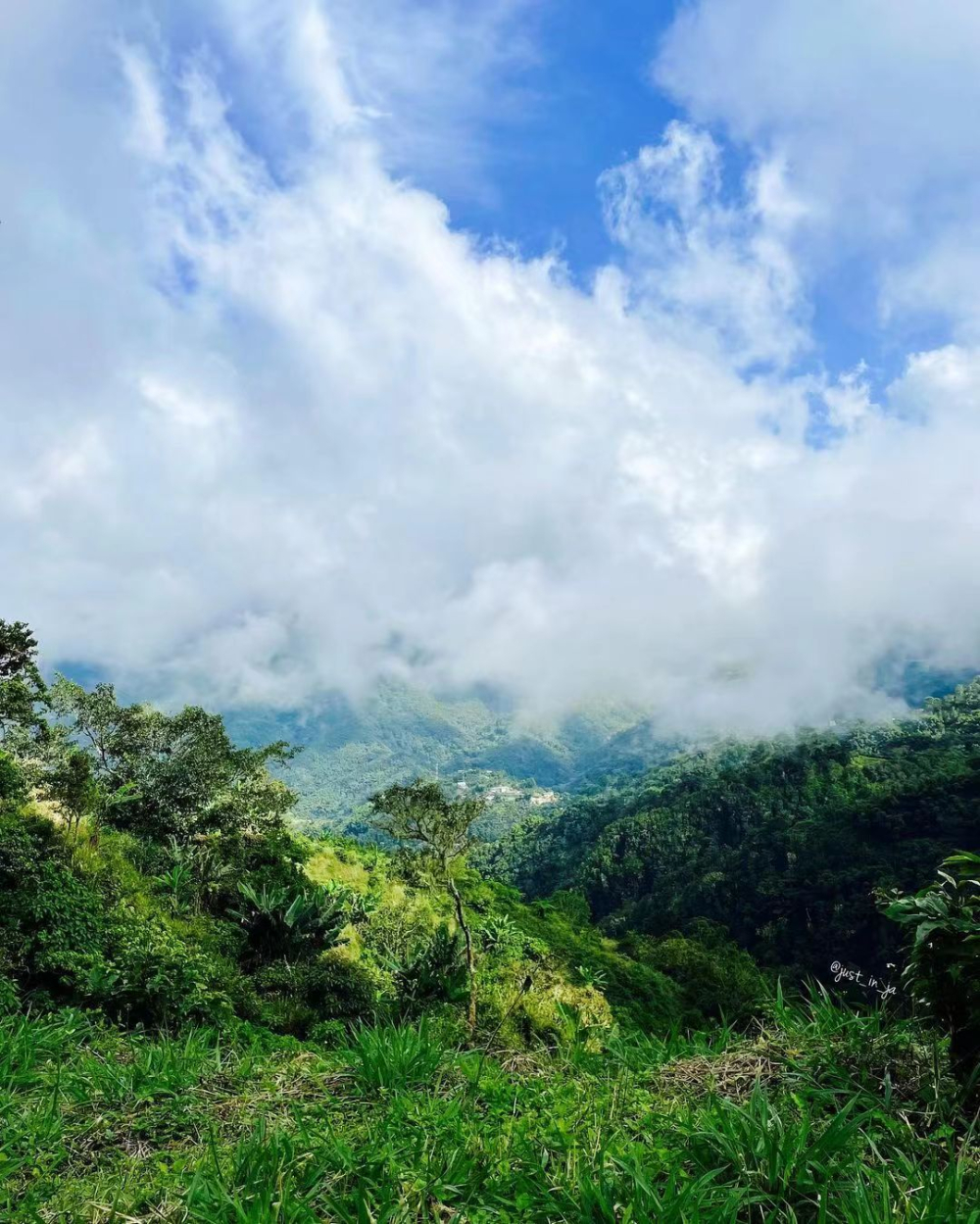
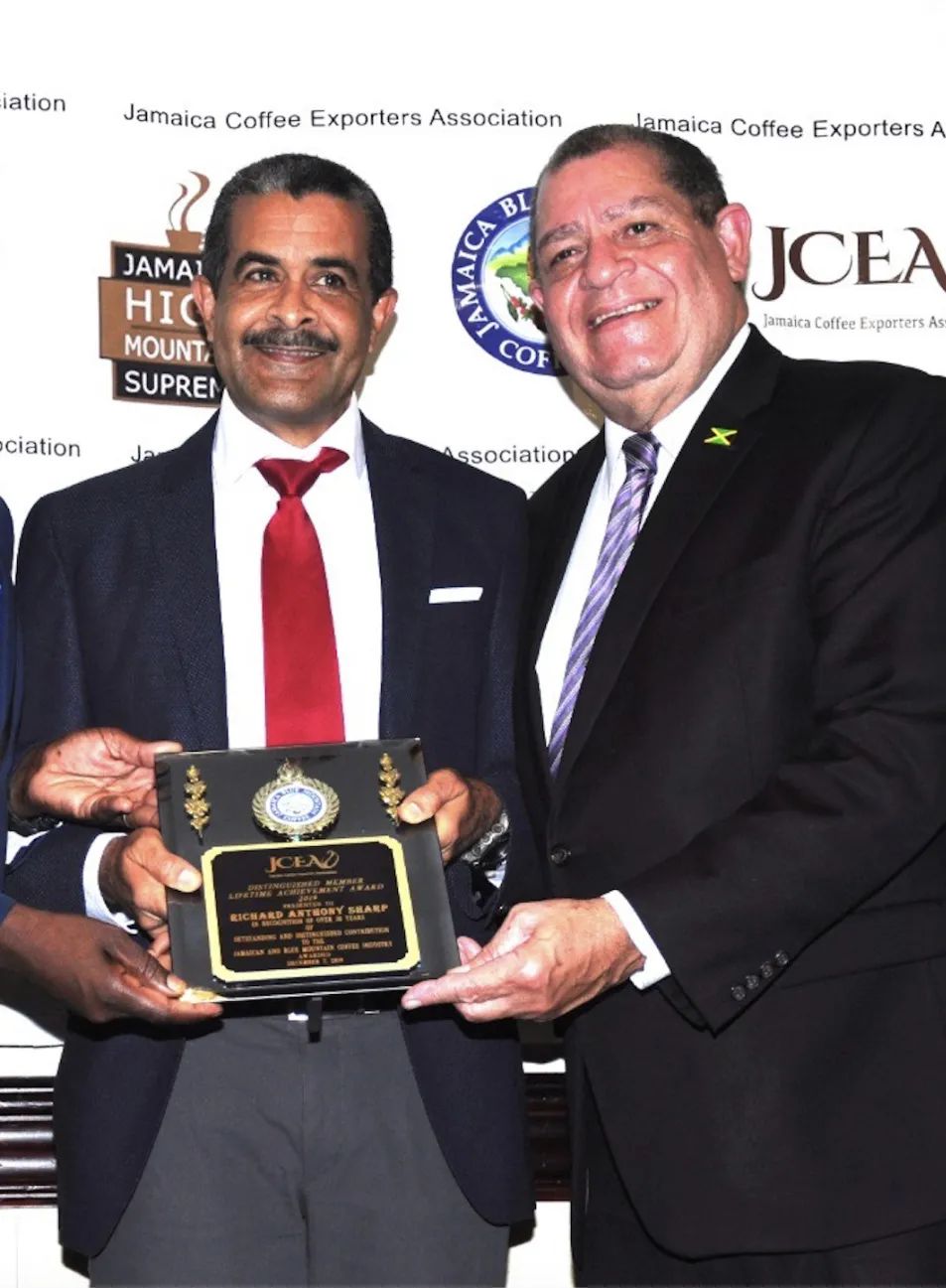
The allure of Blue Mountain coffee stems from its distinctive flavor profile, which is made possible by the region’s one-of-a-kind growing conditions. Richard Sharp, manager of the Clifton Estate, once noted: “A specific latitude and longitude, combined with the island’s location in the Caribbean Sea, together shape the unique microclimate of Blue Mountain.” The Blue Mountains are located in eastern Jamaica, situated along an earthquake zone, where volcanic activity enriches the soil with abundant minerals. This area is not only a renowned tourist destination but also boasts the highest elevation in the entire Caribbean. With clean air, even rainfall, cool and moist climate, and significant day-night temperature variations, the conditions help coffee cherries ripen slowly, accumulating ample flavor compounds.
It’s also worth mentioning that the rugged terrain of the Blue Mountain region, mostly steep slopes, means coffee harvesting relies entirely on experienced female workers who handpick ripe cherries to ensure the quality of each coffee bean. Moreover, Jamaica has long cultivated only Arabica varieties. The local Typica variety has not been hybridized, preserving its pure lineage. Coupled with long-term adaptation to the island environment, it exhibits stronger resistance to diseases (especially coffee berry disease), resulting in more stable yields and quality.
So what exactly is the so-called "Blue Mountain flavor"? Commonly marketed products like "Blue Mountain flavor blends" or "Blue Mountain mixes" are often just marketing jargon, far removed from true Blue Mountain coffee. Genuine world-class Blue Mountain coffee is certainly not something you can get for just a few dozen yuan. When purchasing, consumers can check whether the seller uses Jamaica’s signature handmade oak barrels to transport green beans. Compared to regular burlap sacks, oak barrels help regulate humidity, prevent aroma loss, and maintain stable moisture content in the beans — one of the key hallmarks of Blue Mountain coffee.
Additionally, all authentic Blue Mountain coffee must obtain a permit issued by the Jamaican government and pass quality inspection and certification by the Jamaica Coffee Industry Board. Each exported batch of Blue Mountain comes with official documentation and labeling. The Blue Mountain No. 1 from this brand not only carries the Jamaica Coffee Industry Board’s quality certification but also includes an authorized sales certificate and certificate of origin from the producer. The retail store even displays oak barrels containing Blue Mountain green beans, ensuring customers can shop with confidence.
Blue Mountain coffee is divided into four grades based on quality, from highest to lowest: NO.1 (Blue Mountain No. 1), NO.2 (Blue Mountain No. 2), NO.3 (Blue Mountain No. 3), and PB (Blue Mountain Peaberry). Grading is overseen by the Jamaica Coffee Industry Board (CIB), with evaluation criteria including green bean size, defect rate, color, uniformity, and cupping performance after roasting (such as dry fragrance, wet aroma, acidity, flavor, body, and cleanliness). Among these, Blue Mountain No. 1 requires green beans to be 17 mesh or larger, with a defect rate below 3%, a moisture content of around 13%, and to exhibit rich aroma, gentle acidity, delicate sweetness, and outstanding aftertaste in cupping.
As for pricing, before the millennium, a cup of Black Blue Mountain coffee in China could easily cost dozens or even hundreds of yuan, and authenticity was hard to verify. Today, with relaxed quotas, genuine Blue Mountain is more accessible than before. A certain brand’s Blue Mountain No. 1 coffee beans are priced at 158 yuan per 100 grams, with a single cup tasting price at the store of about 60 yuan (approximately 200ml). These use the highest-grade Blue Mountain beans from the Clifton Estate, delivering an exceptionally outstanding flavor performance.
For home enthusiasts looking to replicate the essence of Blue Mountain No. 1, a certain brand recommends the following pour over parameters: Use a KONO filter, control water temperature at 88°C, set a coffee-to-water ratio of 1:15, use 15 grams of coffee grounds, and grind to approximately EK43s setting 10.5 (equivalent to 75% extraction through a standard #20 sieve). The specific steps are: Wet the filter and attach it to the dripper, add the coffee grounds, then pour 30 grams of water for a 30-second bloom. Next, pour water in small streams in a circular motion centered on the grounds up to 125 grams, then pause. Once the coffee bed drops to the middle of the dripper, continue pouring up to 225 grams, and let it drip through completely before enjoying. This method fully highlights the rich body and layered flavors of Blue Mountain No. 1.
Once brewed, Blue Mountain No. 1 offers a velvety mouthfeel with a richness akin to dark chocolate, accompanied by notes of caramel sweetness. Its acidity is mild and elegant, resulting in a smooth, full-bodied overall taste with well-balanced and harmonious flavor elements — making it a classic choice for experiencing the quintessential Blue Mountain flavor.
The above content is compiled by CoffeeHunters, a coffee news website.


