








Introduction:Yirgacheffe is one of Ethiopia’s most iconic specialty coffee regions, renowned for its floral and fruity aromas and bright acidity, making it a top choice for many coffee beginners exploring pour over brewing. This article will delve into the regional background of Yirgacheffe, its washed processing method, and suitable roast levels, while also providing detailed pour over parameters, water temperature recommendations, and grind size guidance to help you master extraction techniques and brew a clean, layered cup of Yirgacheffe pour over coffee.
Yirgacheffe, as a renowned coffee region in Ethiopia, has long held a unique position in the global specialty coffee market thanks to its distinctive floral-fruit notes and vibrant acidity. This high-altitude-grown coffee not only offers the refreshing acidity of yellow lemon but also boasts elegant white floral and honey aromas, making it a popular starting point for many pour over enthusiasts.
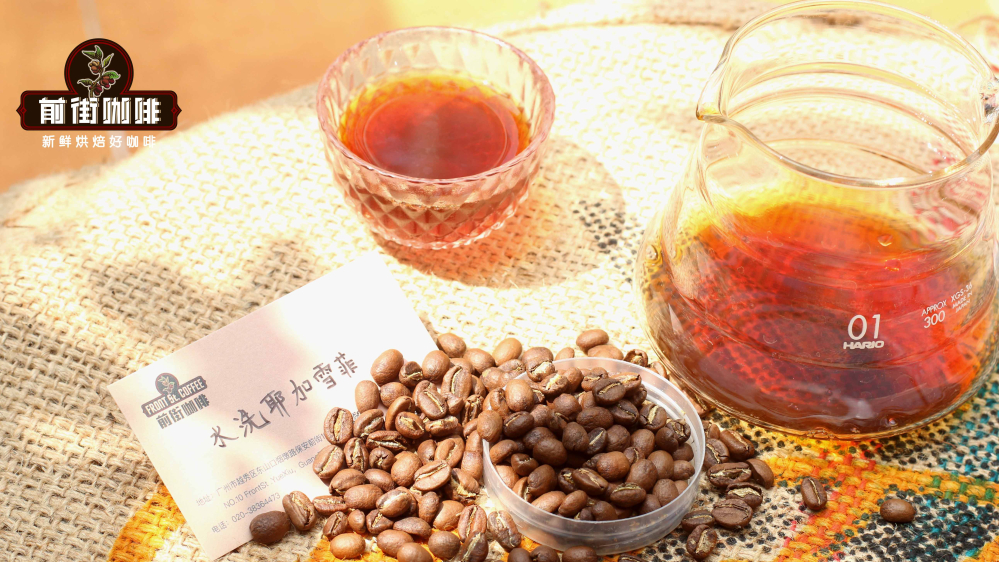
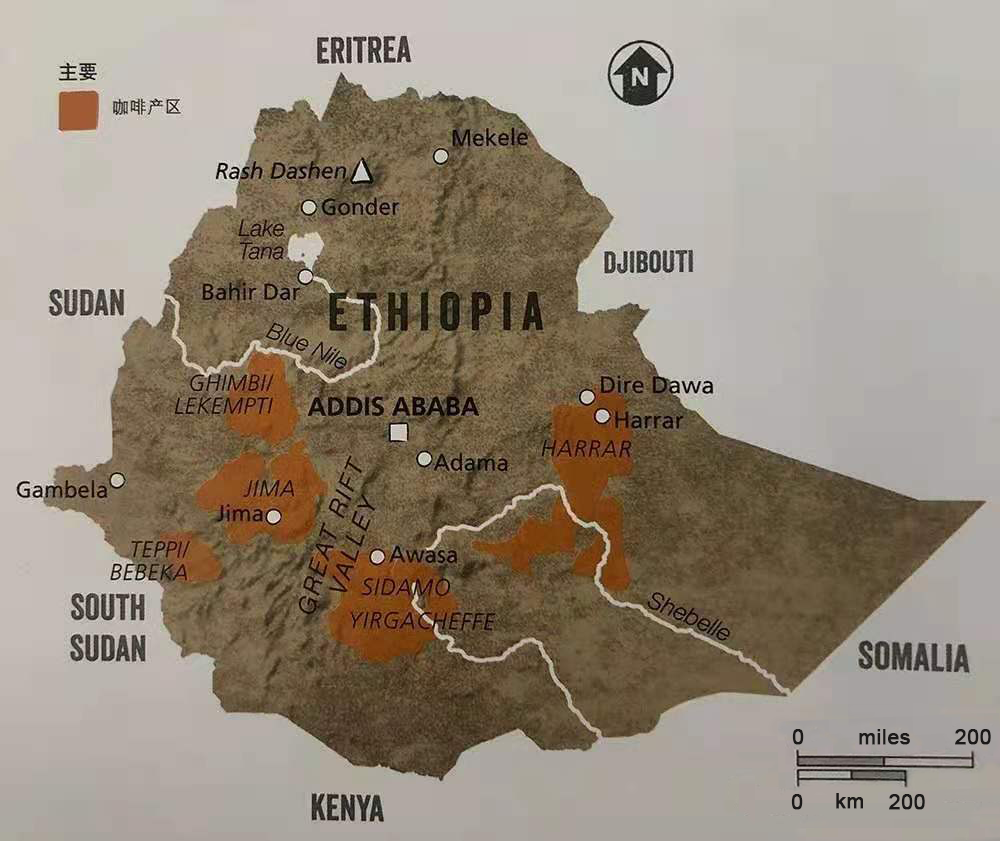
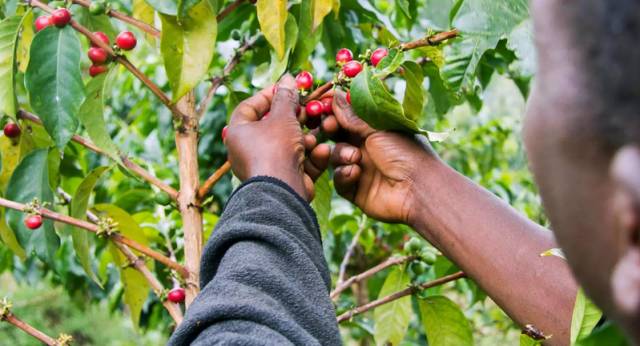
Located in south-central Ethiopia and administratively part of the Sidamo region, Yirgacheffe has an average altitude exceeding 2,000 meters, making it one of the country’s highest-altitude coffee-growing areas. Local farmers typically cultivate coffee trees through small-scale garden plots or mixed-cropping systems. Although yields are relatively low, meticulous management and a natural growing environment produce uniquely flavored coffee beans. The significant diurnal temperature variation brought by the high altitude slows the ripening process of coffee cherries, allowing for the accumulation of richer aromatic compounds and resulting in a later harvest season, typically from October to January of the following year.
Within Yirgacheffe, there are several well-known micro-regions, such as Misty Valley, Kochere, Gedeb, and Wolkite. Each area, due to variations in microclimate and soil, produces coffee with distinct flavor profiles. Among them, the Wolkite region located southeast of Yirgacheffe is home to the "Kudicha Cooperative," consisting of about 300 farmers. This community gained official independent status in 2012 due to the bright flavors and lively acidity of its Yirgacheffe coffee. Most of these coffees are processed using the traditional washed method, contributing to their characteristic crisp profile.
When discussing the classic flavors of Yirgacheffe, its bright acidity and refreshing citrus aromas are standout features. Compared to generic citrus notes, Yirgacheffe often exhibits more distinctive yellow lemon, green tea, and white floral notes, along with a clean mouthfeel and long-lasting aftertaste. This style is shaped not only by its innate advantages of high altitude and careful cultivation but also largely due to Ethiopia’s introduction of washed processing technology in 1972.
The washed process relies on a stable water supply and specialized processing facilities, resulting in relatively higher production costs. However, it effectively reduces defect rates and improves the consistency of green bean quality. During washing, coffee beans undergo fermentation, washing, and drying to remove mucilage and impurities, resulting in a cleaner and brighter final coffee flavor. Compared to natural (sun-dried) processing, the washed method highlights acidity and aroma, making Yirgacheffe’s floral-fruit character even more pronounced.
In the past, the mainstream market favored dark roasts for their intense smoky flavors and dark chocolate notes. But with the rise of the specialty coffee trend, more roasters are choosing light to medium roasts to preserve Yirgacheffe’s natural acidity and fruitiness. Lightly roasted Yirgacheffe not only delivers a refreshing taste but also caters to the popular preference for sweetness and low bitterness, thus gaining widespread acclaim.
Since Yirgacheffe is typically lightly roasted, its coffee beans are denser, so it is recommended to use water at 92°C to 93°C for extraction to fully release its floral-fruity aromas and sweet-sour flavor profile. In terms of grind size, it is recommended to use medium-fine grind (approximately 78% passing through a #20 sieve, similar in size to fine sugar crystals)— too coarse may lead to under-extraction and a flat flavor, while too fine can result in over-extraction and bitter, astringent off-notes under high water temperatures.
Based on cupping experience, Yirgacheffe exhibits different flavor emphases at varying water temperatures, so it is recommended to use a three-pour method to gradually raise the temperature of the coffee bed and bring out different stages of aroma and taste. For brewing equipment,the V60 dripper is an ideal choice for brewing Yirgacheffe due to its spiral ridges that facilitate gas release from the coffee bed, enhancing the release of acidic aromatic compounds.
In terms of brew ratio,a ratio of 1:15 to 1:16 (i.e., 15 grams of coffee to 225–240 milliliters of water) works well — opt for 1:15 if you prefer a stronger body, or 1:16 for a cleaner cup with brighter fruitiness. For practical brewing, it is recommended to start with 15 grams of coffee as a baseline: begin with about twice the amount of water (30 milliliters) for a 30-second bloom, then pour in a thin stream in circular motions from the center outward until reaching 125 milliliters for the first pour, let the coffee bed settle, then continue pouring to 225 milliliters. Total brew time should be controlled around about 2 minutes. Finally, remove the dripper, gently swirl the server to evenly distribute the coffee, and start tasting from a high temperature to gradually experience its evolving flavors.
A freshly brewed washed Yirgacheffe reveals honey and jasmine floral aromas even in the dry grounds. When hot, it offers bright berry and lemon fruit acids; upon tasting, its vivid citrus, green tea, and white floral notes are distinctly layered. As it cools, the aftertaste transitions into sweet sensations of berries, cream, and sugarcane. With a clean and refreshing mouthfeel overall, it is a quintessential example of a high-quality African pour over coffee.
The above content is compiled by CoffeeHunters, a coffee news website.


