








Introduction:Take an in-depth journey to visit four renowned coffee farms in Panama, from the Emerald Estate in Boquete to the Hartmann Estate in Volcán. Learn about the history, growing environments, and processing methods behind each farm. This article details the flavor profiles of premium bean varieties such as Geisha and Typica, and provides practical pour over recommendations and extraction parameters to help you experience how altitude, microclimate, and processing methods shape a uniquely flavored specialty coffee.
Although Panama is a small Central American country, its unique geography and microclimate conditions have made it an important origin for global specialty coffee. From volcanic slopes over a thousand meters above sea level to meticulous hand-picking and diverse processing techniques, Panama produces many unforgettable coffee flavors. This article will take readers behind the cultivation background, historical origins, and cupping characteristics of Panama’s four top-tier coffee farms, while also sharing useful pour over advice and extraction parameters. Whether you’re a beginner or an avid coffee enthusiast seeking the ultimate experience, you’ll find inspiration here.
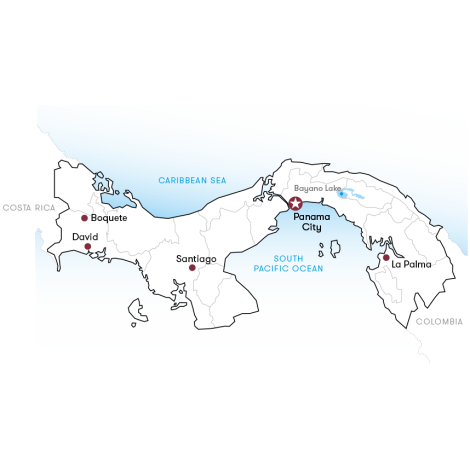
Panama is located in the center of the Americas, covering an area of approximately 75,000 square kilometers. The entire country is distributed in an “S” shape, bordered by the Pacific Ocean to the south and the Caribbean Sea to the north, with Colombia to the east and Costa Rica to the west. The mountainous regions in the western part of the country, especially the Boquete area in Chiriquí Province, have become the most famous specialty coffee-producing region due to their altitude, day-night temperature variation, and volcanic soil. The main coffee variety grown here is Arabica, among which Geisha is the most renowned. Coffee that can be called “specialty grade” is typically grown at altitudes above 1,300 to 1,500 meters, with some top-tier farms even cultivating at heights of around 1,800 meters.

Panama’s coffee-growing regions can be divided into several sub-regions, among which Boquete, Volcán, Santa Clara, and Candela are the most notable. In the Boquete area, farming methods are generally divided into three types: sun-grown, semi-shaded, and fully shaded. Fully shaded farms plant more than 50 shade trees per hectare, which can effectively slow down the ripening of coffee cherries and help accumulate flavor compounds, though this results in relatively lower yields and higher costs. The shading environment not only affects the ripening speed of the coffee but is also directly related to the complexity and layering of the final flavor.
The Emerald Estate (La Esmeralda) is located at the foot of the Baru volcano. Initially, the coffee produced on this land did not receive special attention and was mostly sold under the name of the Baru mountain. It wasn’t until 2004, when the farm’s Geisha variety won first place in the Best of Panama (BOP) competition, that this farm—situated in the Jaramillo and Canas Verdes districts—gained widespread fame. The Emerald Estate owns several well-known brands, including Esmeralda Special, Geisha, Diamond Mountain, and Palmyra. Among them, the Red Label Geisha is the farm’s top-tier series, selected only from Geisha beans with cupping scores above 90, grown at altitudes of 1,600 to 1,800 meters, and sourced exclusively from specific auction lots. Even though non-auction versions are also available on the market, their flavor remains outstanding.
Recommended pour over parameters for the Red Label Geisha are as follows: Use a Hario V60 filter, control the water temperature at 90°C, use 15 grams of coffee, with a brew ratio of 1:15, and set the grind size to medium-fine (approximately 75% passing through a #20 sieve). During brewing, start with a 30-second bloom using 30 grams of water, then pour in a circular motion with a small stream of water
Elida Estate’s history dates back to 1918, operated by the Lamastus family, with its name derived from the wife of the estate owner at the time. The estate is located in the Boquete region, one of the highest-altitude coffee-growing areas in Panama, with some sections even situated within the Volcán Barú National Park, at elevations ranging from 1670 to 1850 meters. Due to the high altitude and significant diurnal temperature variation, coffee cherries ripen slowly, typically requiring over five years to reach their first harvest—much longer than the three-to-four-year cycle common in other regions. Although the wait is longer, it allows for the development of a richer flavor profile.
Elida Estate primarily grows Typica, Catuai, and Geisha varieties, among which Typica processed via the natural method exhibits exceptionally vibrant fruit characteristics. Estate owner Wilford is extremely meticulous about harvesting, selecting only fully ripe coffee cherries to ensure ample mucilage and sugar content. In addition, the estate’s green beans undergo a low-temperature resting period (Low Temperature Resting) of over five months after processing. This procedure helps the flavors become more rounded and balanced. According to cupping expert Ken Davids’ evaluation in 2012, Elida coffee once received a high score of 93, and it frequently becomes the single-origin bean (SOE) of choice for World Barista Championship (WBC) competitors.
The recommended pour over parameters for Elida Typica are: use a Hario V60 filter, water temperature at 91°C, coffee dosage of 15 grams, coffee-to-water ratio of 1:15, and grind size medium-fine (approximately 80% passing through a #20 sieve). The brewing process is as follows: start with a 30-second bloom using 30 grams of water, then pour in a slow circular motion up to 125 grams and pause, wait for the water level to drop before continuing to pour up to 225 grams, then remove the filter. The total brew time is approximately 2 minutes. This coffee clearly expresses flavors of peach, raisin, and orange, with mid-to-late notes revealing sugarcane sweetness, melon-like sweetness, and a finish reminiscent of grapefruit and green tea, offering a layered and long-lasting aftertaste.
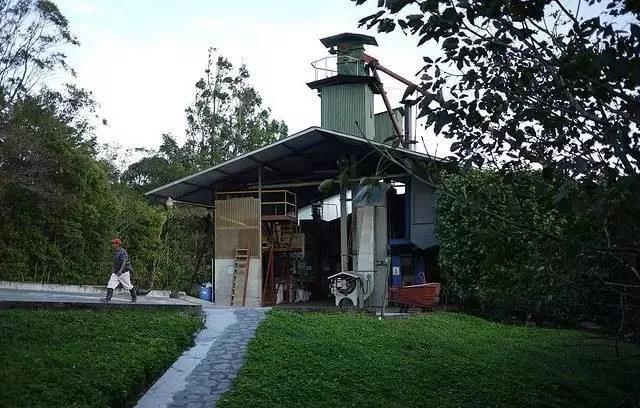
Hartmann Estate is now managed by the third generation of the Hartmann family, currently overseen by Ratibor Hartmann and his four siblings. The estate is located in the Volcán region. Although it maintains a relatively low profile in international competitions, it is a key pillar of Panama’s specialty coffee industry and provides technical support and processing services for several renowned estates such as Finca La Mula and the 90+ series. Hartmann Estate mainly grows the Catuai variety, which is a cross between Mundo Novo and Caturra. It has strong resistance to wind and rain, produces stable yields, but exhibits a relatively restrained flavor profile.
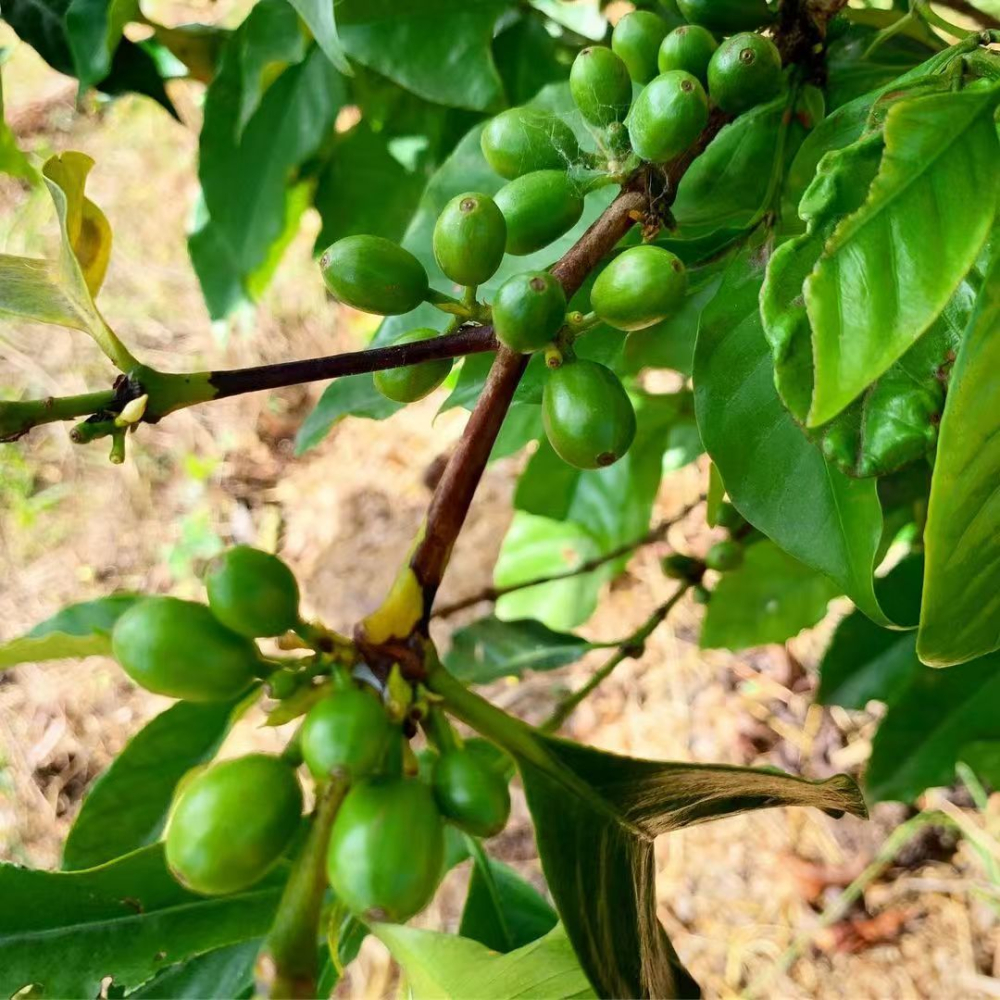
To fully unlock the potential of Catuai, Hartmann Estate employs the red wine processing method (Red Wine Process). This technique, inspired by winemaking, involves placing coffee cherries in a sealed container filled with carbon dioxide for anaerobic fermentation. By controlling temperature, humidity, and pH levels, it enhances flavor complexity and aromatic depth. This process does not involve soaking the coffee in red wine; rather, it simulates the fermentation environment of wine barrels, enabling the coffee beans to develop aromatic compounds akin to cherry, banana, bubblegum, and cinnamon during fermentation.
The recommended pour over method for Hartmann’s red wine-processed Catuai is as follows: use a Hario resin V60 filter, with a coffee-to-water ratio of 1:16, slightly coarser grind size (approximately 70% passing through a #20 sieve), and water temperature at 93°C. The steps are: first add 15 grams of coffee grounds, then in the first stage pour 40 grams of water for a 30-second bloom; in the second stage, pour in a circular motion with less than double the water volume (about 140 grams) until the water level reaches halfway up the shorter ribs of the filter; in the third stage, pour an additional 60 grams of water, then stop pouring when the water level drops to the bottom of the shorter ribs. The total extraction time is approximately 2 minutes. This brewing approach highlights the wine-like fermented aroma, with flavor notes featuring bright citrus and kiwi acidity, mid-palate notes of brown sugar sweetness, and a finish that blends vinous acidity with delicate spice tones.
Looking across Panama’s four premier specialty coffee estates—from the emerald-green Geisha lots of elite auction fame, to Elida’s high-altitude Typica, and on to Hartmann’s innovative red wine-processed Catuai—each coffee carries within it a unique combination of geographical terroir, refined processing techniques, and meticulous agronomic management. For coffee enthusiasts, understanding the stories and detailed parameters behind these flavors not only enhances the drinking experience, but also fosters a deeper appreciation for the hard work and care that go into every cup of specialty coffee.
The above content is compiled by CoffeeHunters, a coffee news website.


