








Introduction:Want to understand the flavor differences between African and American coffee beans? This article delves into the flavor profiles, processing methods, and variety characteristics of renowned origins such as Ethiopia’s Yirgacheffe, Limu, Burundi, as well as Costa Rica and Honduras. It helps you grasp the unique personalities of these two major coffee regions and make smarter choices based on your taste preferences.
In the global specialty coffee landscape, African and American origins stand as two poles, each with distinct flavor identities. African beans are known for their bright acidity and floral-fruit aromas, appealing to those who enjoy a refreshing cup; American beans showcase balanced body and richness, with caramel sweetness and nutty aftertastes, often serving as the gateway choice for many pour over enthusiasts. This article will take you through a comprehensive exploration of the mysteries of these two coffee worlds — from regional environments and processing techniques to variety traits.
African Origins: The Cradle of Fruity and Floral Aromas
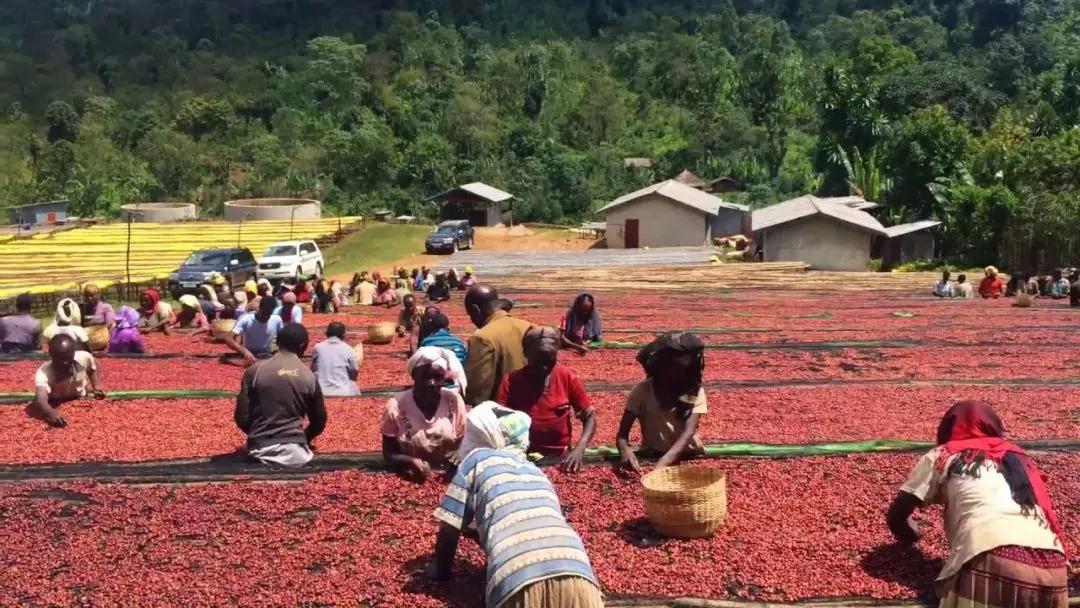
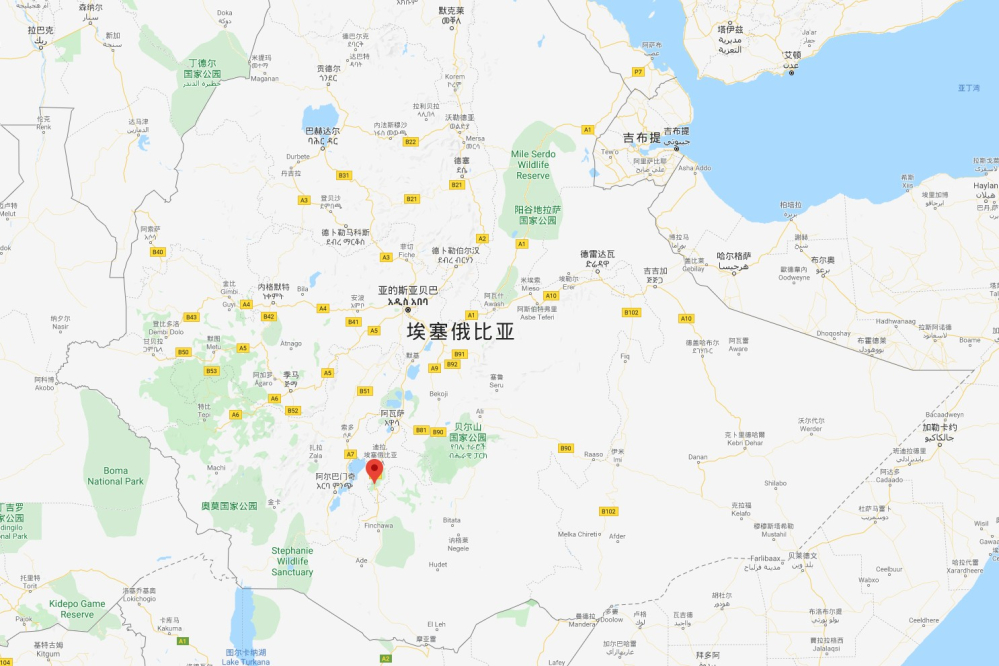
As the birthplace of coffee, Ethiopia is home to multiple renowned origins, among whichYirgacheffeis famed for its high altitude (approximately 1700–2100 meters) and unique microclimate. The area remains foggy and cool throughout the year with moist conditions, facilitating slow coffee maturation and the development of complex flavors. The local initiative known as the“Red Cherry Project”only harvests fully red coffee cherries and rigorously selects for quality, ensuring the purity of the final flavor. Yirgacheffe coffees are mostly processed using thenatural (sun-dried) method,where coffee cherries are dried on raised beds to avoid ground flavors, resulting in bright fruity notes and a solid sweetness. Common varieties are local landraces, small in size (around 14–15 mesh), offering intense berry, plum, and lemon aromas, with honey-like sweetness in the mid-palate and a chocolatey tone in the finish. The acidity is soft, reminiscent of fruity black tea.

The Limu region, though less known in the Chinese-speaking market, enjoys certain recognition in Europe and America. Located at an altitude of 1850–1900 meters, it mainly cultivates local landrace varieties (Heirloom) and practices primarilyorganic farming.The soil is vertisol, conducive to nurturing uniquely flavored coffee. Limu mostly employswashed processing,using flowing water to remove pulp and mucilage, followed by prolonged drying (about 1–3 weeks). Its flavor profile features grassy, apple, and dark plum-like bright acidity, with caramel and nutty sweetness in the mid-palate, and cocoa and berry notes in the finish. Overall, it’s balanced and layered.
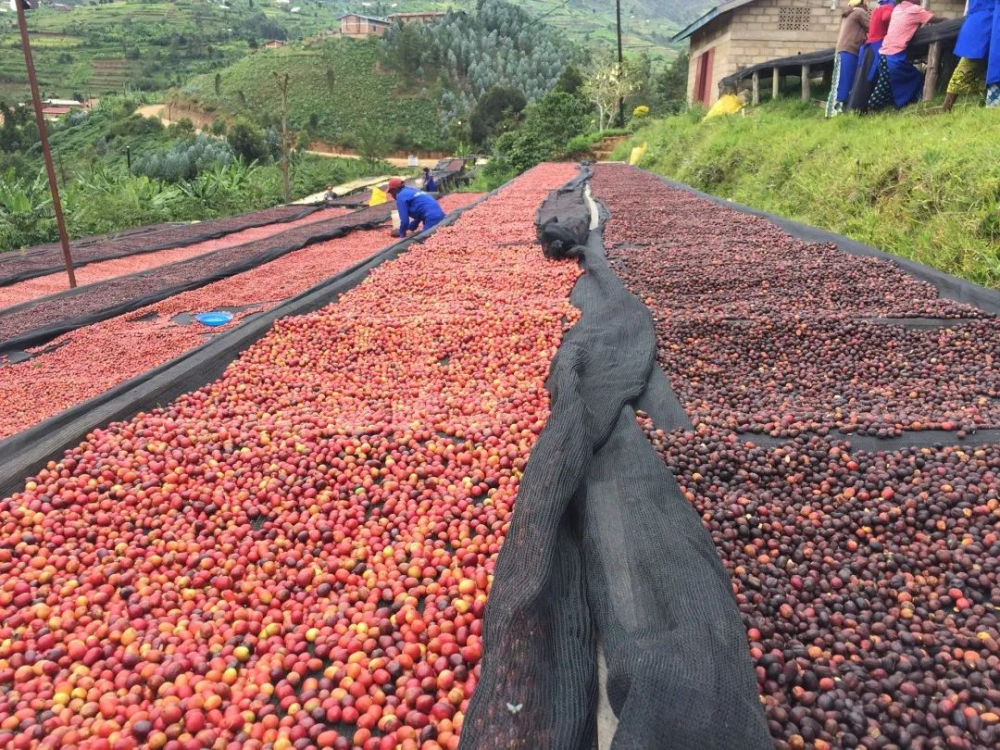
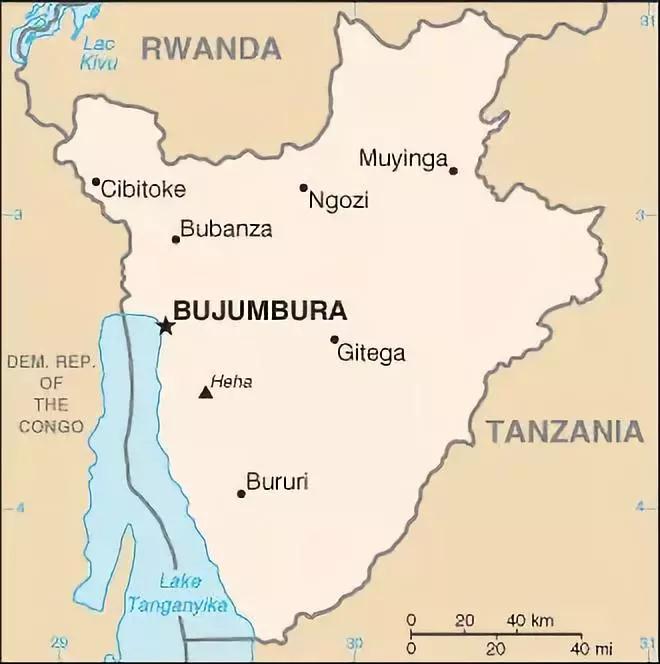
Burundi, known as the “Heart of Africa,” relies on coffee for a livelihood for over 800,000 families, most of whom are smallholders. Coffee is grown at altitudes of 1400–1700 meters, predominantly the Bourbon variety and its derivatives. Burundi coffee often undergoesdouble washed processing,which involves first removing the skin and pulp, then soaking and washing, followed by drying on raised beds. This ensures clean, uniform beans with bright, clean flavors. Burundi coffee has a vivid flavor profile: citrus and tea notes on entry, with light but rich acidity, accompanied by plum, kumquat, lemon, dried fruit, and caramel undertones. The aroma is full-bodied and the finish lingers.
American Origins: Representatives of Body and Balance
Costa Rica is one of the earliest Central American countries to cultivate coffee. The country has volcanic soils and a climate moderated by ocean currents, creating diverse microclimates. Major producing areas include Tarrazu, Tres Rios, Central Valley, and eight other regions. Costa Rican coffee is renowned for itshoney processing method,which retains some mucilage during sun drying, allowing sugars to penetrate the bean and enhance sweetness and flavor complexity. Depending on the percentage of mucilage retained, it is categorized into Yellow Honey (60%), Red Honey (75%), and Black Honey (nearly 100%). The common variety isCaturra,a compact tree with dense branching, stable yield, and flavors that exhibit lemon and citrus acidity paired with stone fruit, plum, and pomelo notes. The cup is delicate with naturally sweet profiles.

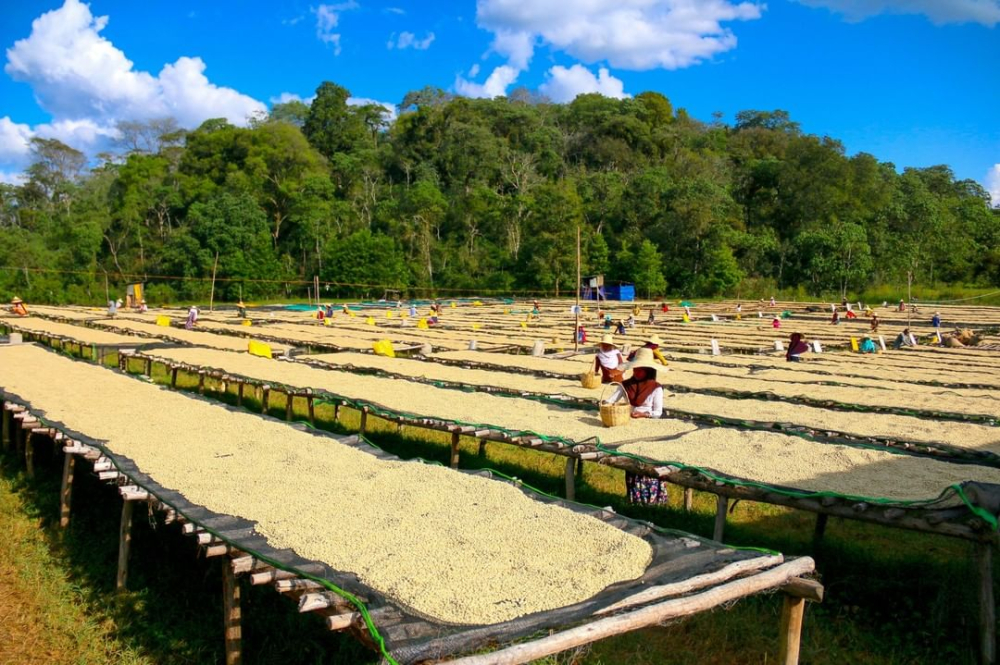
Hondurasis located in the northern part of Central America, dominated by mountainous plateaus and a mild, rainy climate ideal for coffee growth. The country is divided into multiple producing regions such as Copan, Montecillos, and Agalta, classified by altitude into Standard (1000m), HG (1000–1500m), and SHB (over 1500m). Among them,Finca San Juan Xioto, situated at 1450–1550 meters, lies within the buffer zone of La Tigra National Park with superior ecological conditions. Shade-grown, the coffee trees thrive among banana and papaya trees. After harvest, the beans are processed via thewashed method,including floatation, pulping, fermentation (about 10–12 hours), washing, and African bed drying (8–10 days). The flavor highlights pronounced caramel sweetness, complemented by roasted nuts, milk chocolate, and creamy texture, with a finish of subtle spice and oolong tea notes.

In summary, African and American beans each showcase distinctive regional flavor characteristics. African coffee excels in fruity, floral aromas and bright, high acidity, ideal for those who enjoy refreshing, fruity bursts. American coffee, on the other hand, emphasizes balanced body, notable sweetness, and nutty aromas, suiting those who prefer smooth textures and layered complexity. Whether you’re just starting out or already an experienced coffee enthusiast, understanding the differences in these origins and processing methods can help you find the cup that truly suits your palate.




The above content is compiled by CoffeeHunters, a coffee news website.


