








Introduction:The charm of Italian-style blended coffee beans lies in their balanced flavor and stability, making them an ideal base for espresso and milk-based coffees. This article delves into three popular blends—premium, commercial, and dark cocoa-based blends—breaking down their bean composition, roast levels, and flavor profiles. It also explores the rise and challenges of single-origin espresso (SOE), helping coffee enthusiasts and shop owners find the most suitable blend for their needs.
Italian-style blended coffee beans are not randomly mixed but are professionally crafted to allow beans from different regions to complement each other’s shortcomings, creating a coffee experience with consistent flavor and rich layers. Using three classic Italian blends as examples, this article analyzes their bean compositions, roast curves, and flavor characteristics, while also discussing the rise of SOE (single-origin espresso) and its applicable scenarios. Whether for home use or café settings, practical guidance can be found here.
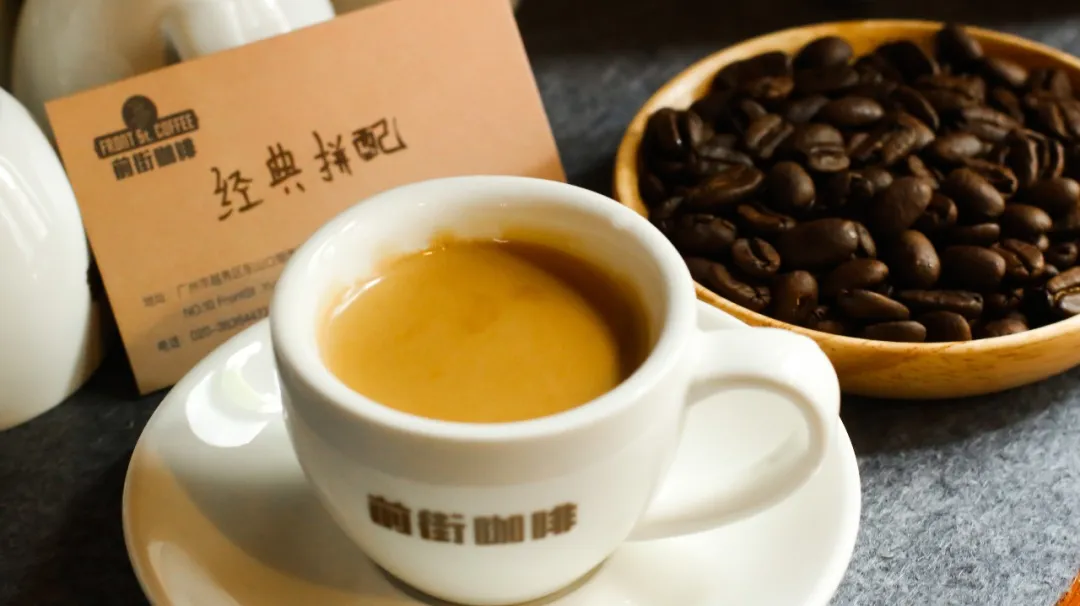
Blended coffee refers to combining beans from two or more regions in specific proportions to enhance the overall harmony and stability of flavor. These blends often consist of beans from Central and South America, Africa, or Asia, aiming to achieve a balanced taste of acidity, sweetness, and bitterness, along with a smooth mouthfeel—particularly well-suited for espresso, latte, or cappuccino preparations.
Before designing a blend recipe, it’s essential to understand the basic characteristics of beans from each region. For example, high-altitude-grown beans often exhibit bright acidity and pronounced sweetness, while low-altitude beans may showcase a fuller body and lower acidity. Single-origin coffee emphasizes the uniqueness of the region and variety, but blended coffee pursues overall flavor harmony, making it especially suitable for mass production and everyday drinking.
The main advantages of blended coffee can be summarized in three key points: First is flavor stability. Since coffee bean harvests vary yearly due to climate, single-origin flavors may fluctuate, but blending multiple beans effectively reduces annual variations. Second is taste balance—high-pressure extraction from espresso machines can amplify extreme characteristics of a single bean, such as excessive bitterness or sharp acidity, whereas blending helps neutralize these traits, resulting in a smoother mouthfeel. Lastly is market acceptance—blended coffee offers a more universally appealing flavor profile, making it easier to gain consumer favor.

In recent years, SOE (Single Origin Espresso) has gradually gained market attention. SOE typically uses premium coffee beans from specific regions—for instance, Yirgacheffe often features distinct citrus and floral notes, while Kenyan beans offer vibrant acidity and juice-like berry characteristics. These qualities become even more pronounced under high-pressure espresso extraction, but due to the lack of blending buffering, the flavor profile may be more one-dimensional and sensitive to roast and grind parameters, potentially not suiting all consumer palates.
Next, we take an in-depth look at three practical blend recipes:
(1) Premium Italian Blend: Colombia + Brazil
This blend primarily features beans from Colombia’s Huila region, known for their nutty, chocolatey, and caramel aromas, with moderate acidity and distinct layers. Paired with Brazilian beans (mostly sourced from altitudes of 1000–1300 meters), which offer a mild taste and good body, a medium roast brings out a nutty and milk chocolate base flavor. Overall, it presents low acidity and notable sweetness, making it ideal for users who prefer a stable taste. As an espresso, it showcases a rich nutty character, and when paired with a latte, it enhances the milk’s sweetness and velvety texture.
(2) Commercial Italian Blend: Colombia + Brazil + Robusta
This blend incorporates a small amount of Robusta beans. Although commercial beans generally lack the distinctiveness of premium beans, skillful blending still delivers a commendable taste. The addition of Robusta significantly enhances the crema texture and oiliness of the espresso, resulting in a classic caramel sweetness complemented by nutty and dark chocolate notes. The acidity and sweetness are well-balanced, with a long-lasting aftertaste. This blend is particularly suitable for milk-based coffees like lattes and cappuccinos commonly served in cafés, offering both cost-effectiveness and stable performance.
(3) Dark Cocoa-Based Blend: Yunnan AA + Brazil
Designed for budget-conscious users or beginners, this blend uses Yunnan AA and Brazilian beans as the foundation, emphasizing cost control and essential flavor expression. Yunnan AA offers gentle fruity acidity, while Brazilian beans provide stable caramel sweetness. The overall flavor focuses on nutty and dark chocolate notes, with a rich espresso crema and smooth mouthfeel. Although it lacks the layered complexity of the first two blends, it remains a practical choice for customers prioritizing value or home use.
In summary, when selecting an Italian-style blended coffee, consider factors such as usage scenario (home or café), target audience (flavor-focused or value-focused), and budget. Whether you’re pursuing the refined flavors of a premium blend, the stability and efficiency of a commercial recipe, or the cost-prioritized dark cocoa-based option, each has its suitable scenarios and unique appeal.
The above content is compiled by CoffeeHunters, a coffee news website.


