








Introduction:As the birthplace of coffee, Ethiopia is renowned for its diverse bean varieties and rich flavor profiles, which have long fascinated coffee enthusiasts. Many people, when tasting or selecting Ethiopian coffee, often notice the varying sizes of the beans—an observation that actually unveils the country’s highly mixed coffee genetics. This article delves into the hybridization and natural evolution of Ethiopian coffee varieties, helping you understand the fundamental reasons behind their multifaceted flavors, and offers practical advice on tasting and selection.
When it comes to the origin of global coffee, the vast majority of experts point to Ethiopia. This land, blessed with exceptional climate and geographical conditions, is not only the birthplace of Arabica coffee but also still harbors a wealth of wild and semi-wild coffee varieties. As a result, Ethiopian coffees frequently top the lists in many coffee shops and remain a top choice for many consumers.
However, many customers who have purchased Ethiopian beans have raised a common question: why do these coffee beans vary so much in size? Some are plump and full, while others are noticeably smaller, and there can even be distinct differences in color and shape before and after roasting. In fact, this is a direct manifestation of the "variety hybridization" characteristic of Ethiopian coffee beans.

In Ethiopia, coffee is typically grown using traditional methods, with farmers often collecting seeds from forests or semi-wild coffee trees rather than relying on single cultivated varieties. These coffee trees, having undergone long-term natural evolution and crossbreeding, have formed countless unique genetic combinations. As a result, even within the same region or farm, harvested coffee beans may come from different tree species, leading to significant differences in size, shape, and flavor.

This "hybrid" phenomenon is not an indication of poor quality—in fact, it brings an exceptionally rich and varied flavor profile to Ethiopian coffee. From bright citrus acidity and floral-fruity aromas to rich caramel and nutty notes, a single cup of Ethiopian coffee can offer a multi-sensory experience. For pour over enthusiasts, this diversity also provides ample room for experimentation—variables such as grind size and water temperature can all influence the final flavor expression.
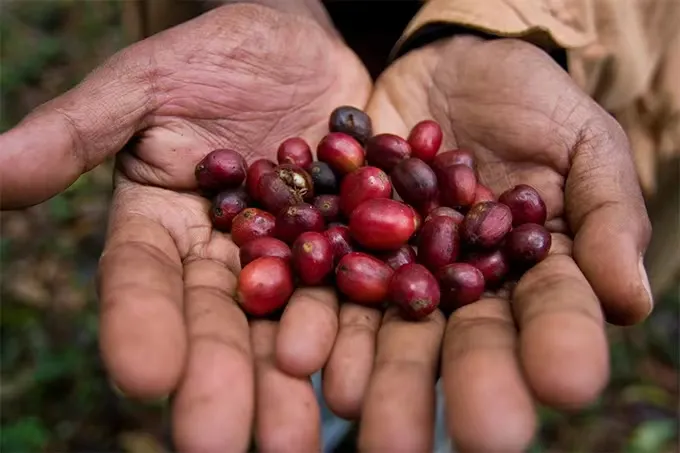
It’s worth noting that, unlike other regions (such as Central and South America or certain African countries), Ethiopia does not commonly use single cultivated varieties (like Caturra, Geisha, or Brazil’s Yellow Bourbon). While local authorities have attempted to name and classify some superior varieties—for example, the commonly seen "Ethiopian Heirloom"—this term actually encompasses hundreds or even thousands of coffee genetic types that have not yet been fully identified.
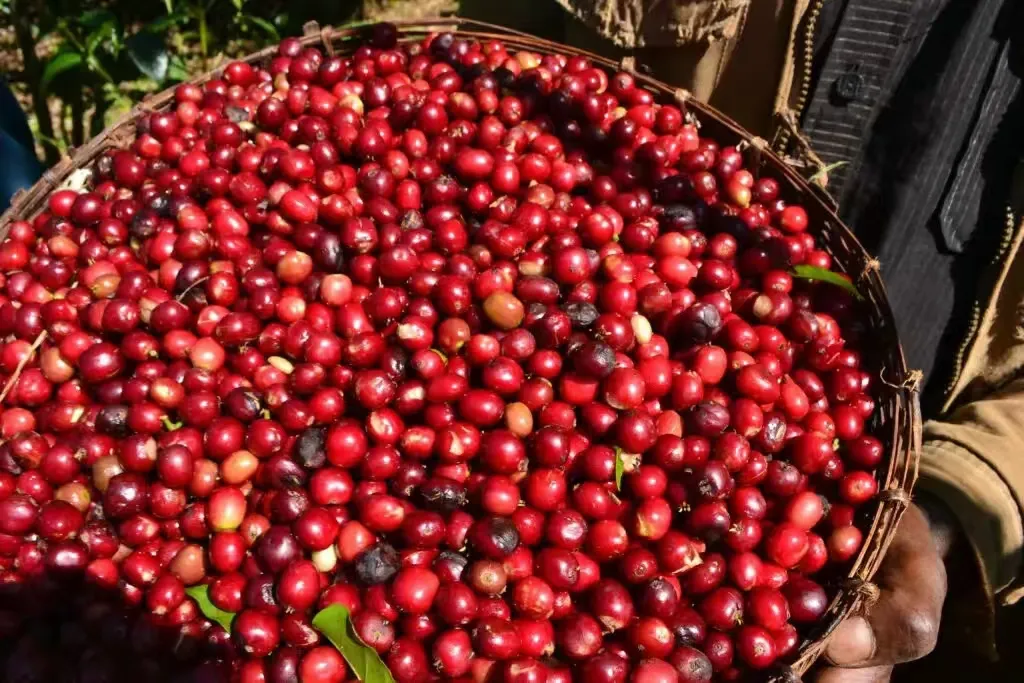
For consumers, understanding this background helps foster a more forgiving attitude toward the appearance variations of Ethiopian beans. Whether it’s the inconsistent bean sizes before roasting or the slight color differences after roasting, these are often natural outcomes of multi-variety blends. When brewing, it’s recommended to fine-tune extraction parameters based on personal taste preferences—for instance, a medium-light roast paired with a water temperature of 90–93°C can better highlight its floral, fruity, and citrus notes; if you prefer a fuller body, you might slightly extend the extraction time to capture more sweetness and mouthfeel.
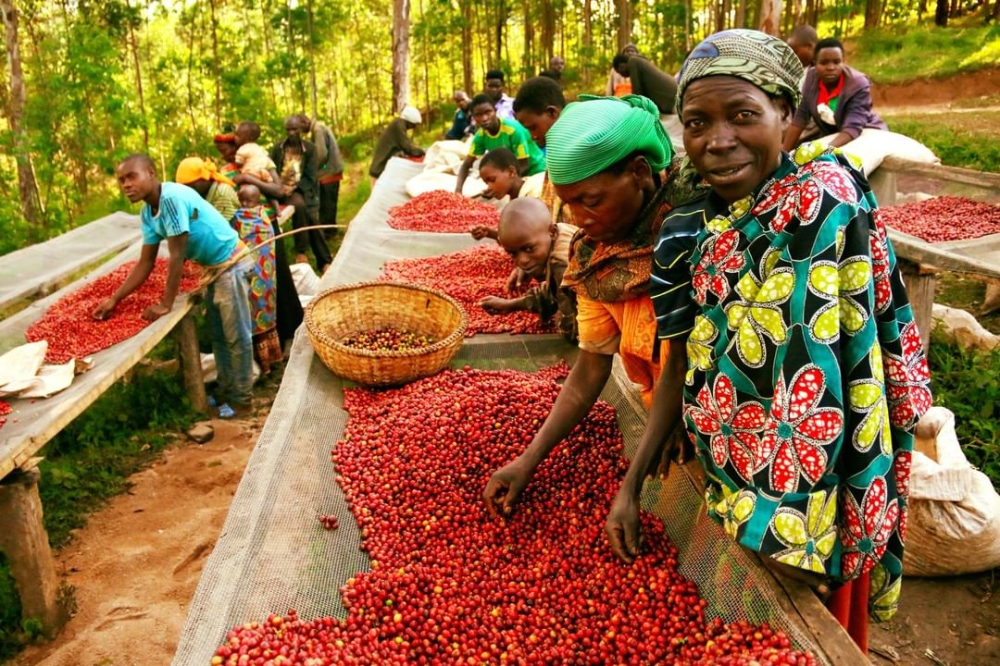
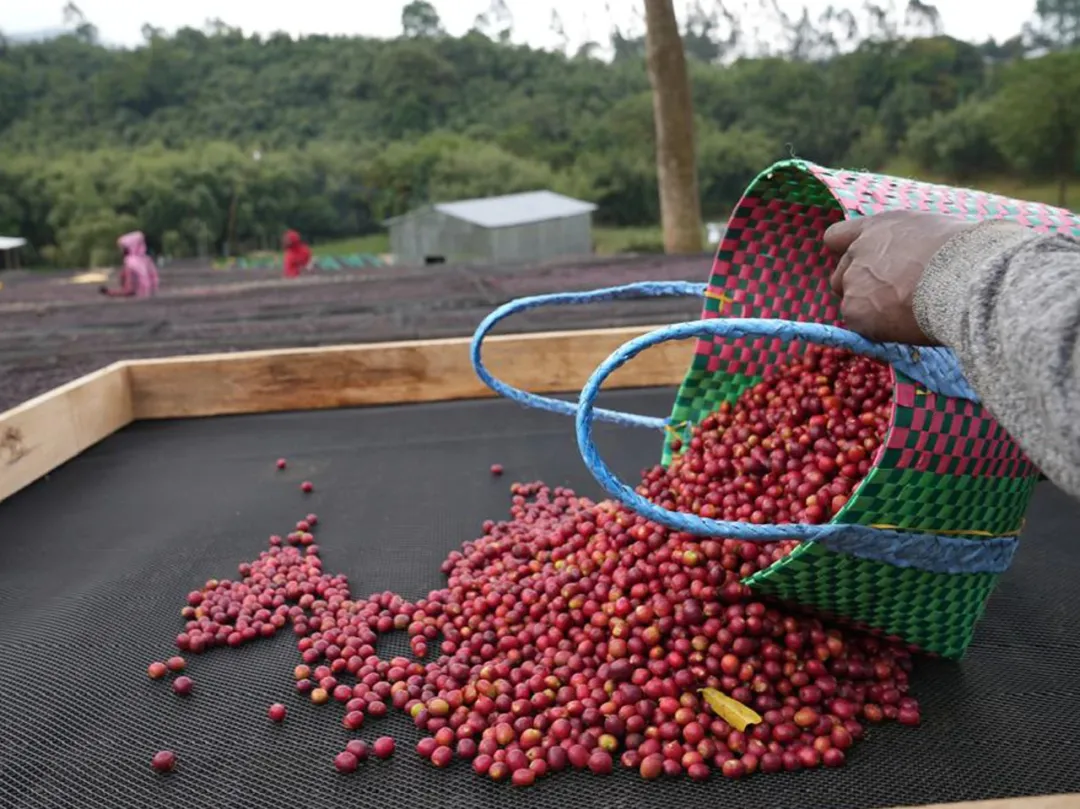
Additionally, due to the complexity of its varieties, Ethiopian coffee is also highly sensitive to processing methods. Common techniques such as natural (sun-dried), washed, and honey processing can significantly influence the final flavor profile. For example, natural processing can enhance sweetness and berry-like characteristics, while washed processing delivers a brighter, cleaner acidity. When making a purchase, consumers may want to pay attention to the processing method indicated on the product label to better anticipate its flavor profile.

In summary, the hybrid nature of Ethiopian coffee beans is the result of its diverse coffee ecology and natural evolution. This uniqueness not only creates a rich tapestry of flavors but also ensures that each batch of beans can bring a different surprise. For coffee lovers eager to explore the world of coffee, Ethiopian beans are undoubtedly an essential part of both beginner and advanced tasting journeys.
The above content is compiled by CoffeeHunters, a coffee news website.


