







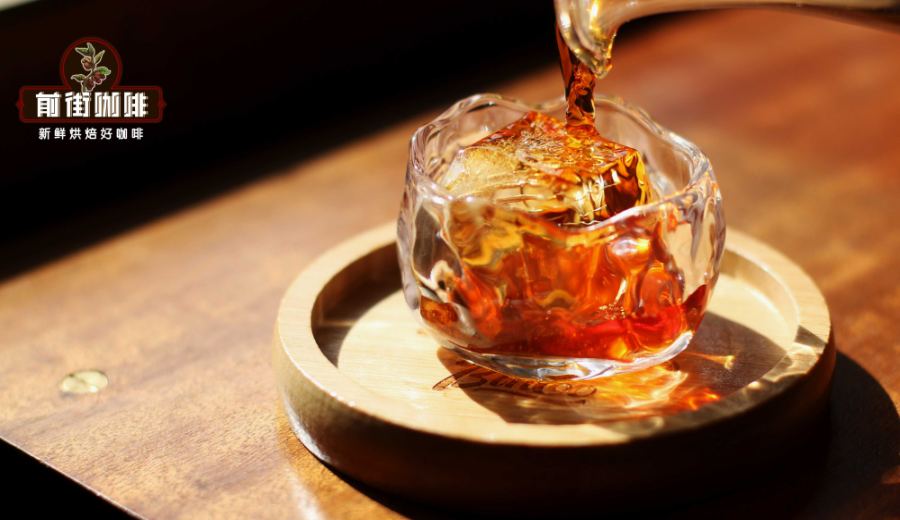
Introduction:Cold drip coffee extracts a rich yet non-bitter unique flavor through a low-temperature slow brewing method, making it an excellent choice for coffee lovers in summer. This article will delve into the brewing principles, equipment structure, and key parameters of cold drip coffee, and categorize it into four major types based on flavor characteristics — including tropical fruit fermentation type, clean and refreshing type, sweet and mellow type, and blend creative type — providing practical coffee bean selection advice and detailed extraction references, so you can easily make your own refreshing cold drip at home.
Cold drip coffee is made by slowly dripping ice water onto coffee grounds at a constant speed, extracting over a long period in a low-temperature environment to create a rich yet non-bitter unique taste. In recent years, it has gained increasing popularity among coffee enthusiasts worldwide. However, to brew cold drip with outstanding flavor, there is quite a bit of expertise involved, from bean selection and equipment use to setting extraction parameters. This article will start with the basic structure of cold drip equipment, gradually explain key operational points, and recommend four categories of beans with distinct flavors, allowing you to tailor your ideal cold drip flavor according to your personal taste.
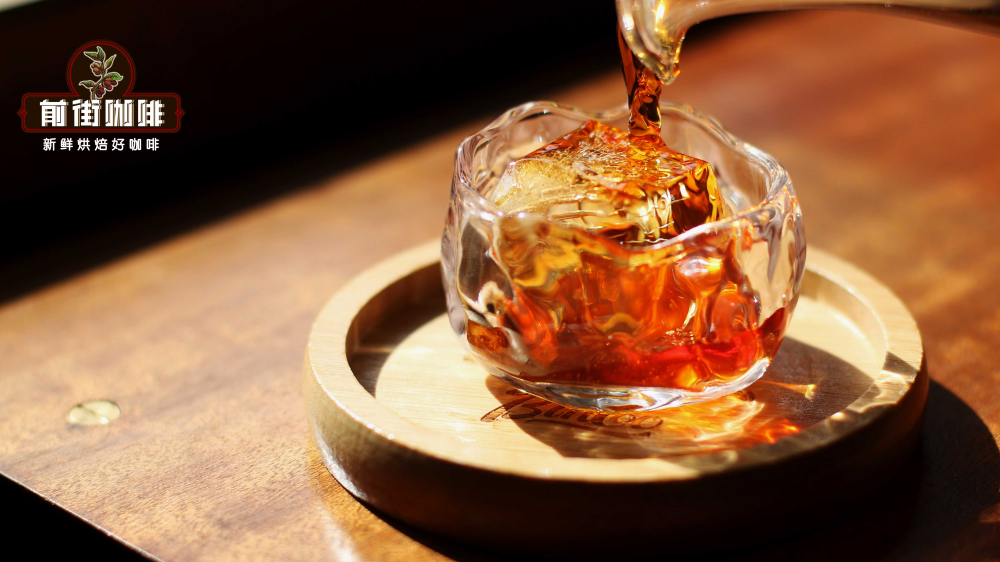 One of the charms of cold drip coffee lies in its seemingly therapeutic brewing process: ice water slowly drips down, gradually soaking the coffee grounds, and finally producing clear and bright coffee liquid. This seemingly simple process actually requires hours of patient waiting — typically around 6 to 8 hours — to fully extract the essence of the coffee. As a result, many cafes can only offer limited quantities per day, often selling out quickly.
As the name suggests, cold drip coffee involves slowly filtering coffee grounds with ice water, using a low-temperature environment to reduce the release of bitter substances, while the slow and steady extraction method improves overall extraction efficiency, making the coffee flavor more concentrated and balanced. Choosing beans with distinct fermentation aromas or fruity acidity can further highlight their unique layers, and when served with ice, it provides a refreshing enjoyment even in the hot summer.
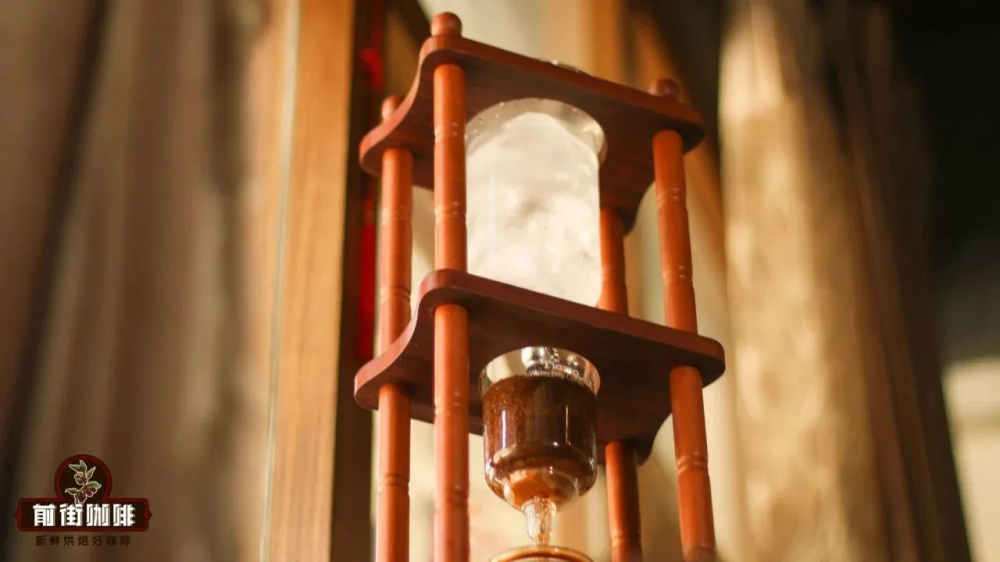
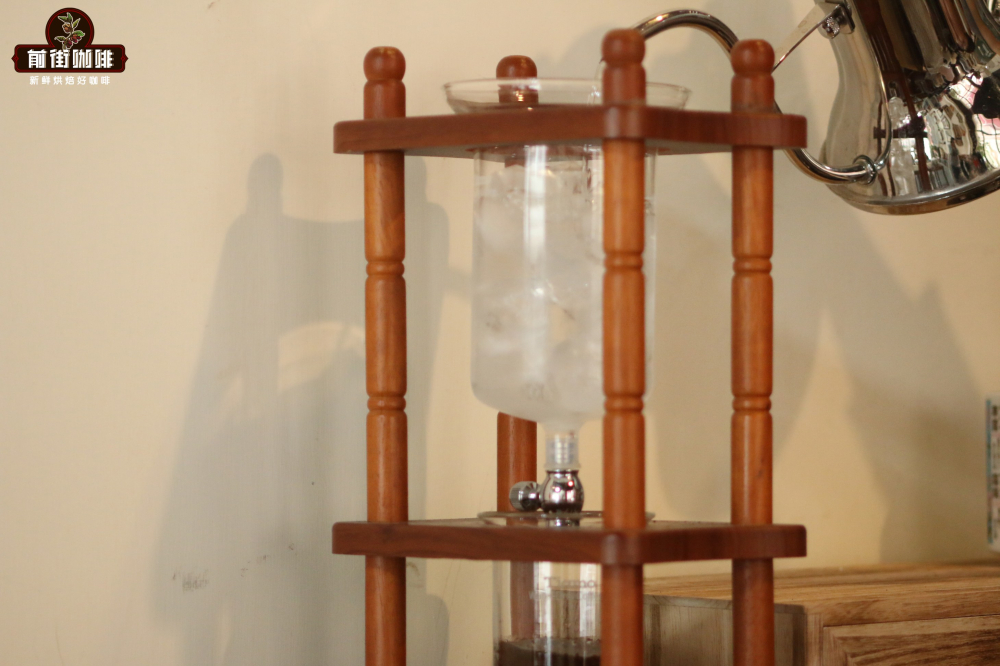
Although cold drip brewers come in various styles on the market with different appearances and materials, their basic structure can generally be divided into four main parts:Upper chamber,valve,coffee grounds chamberandlower chamber. The upper chamber is used to hold ice and cold water, and the flow rate is adjusted via the valve so that the ice water can evenly drip into the middle coffee grounds chamber containing the coffee. The coffee grounds chamber is usually made of glass, with a central filter hole that allows the extracted coffee liquid to flow into the lower chamber at the bottom for collection.
 A common cold drip recipe recommends using a 1:10 coffee-to-water ratio, for example, 60 grams of coffee grounds to 600 grams of coffee liquid. The ice-to-water ratio can be set at 1:1, and the dripping speed is advised to be around 7 drops per 10 seconds, with the total extraction time typically ranging from 6 to 8 hours. The flexibility of the coffee-to-water ratio is generally between 1:10 and 1:12, which can be slightly adjusted according to personal preference for strength. For grind size, it is recommended to follow the coarse grind used for pour over, but since cold water affects extraction efficiency, it can be slightly finer — for example, using a Chinese No. 20 sieve with about 85% extraction rate, or a grinder setting of about 9 (using the ek-43s as an example).
In actual operation, first place filter paper at the bottom of the coffee grounds chamber, then evenly spread the coffee grounds, and cover them with another piece of filter paper to prevent the coffee layer from being dispersed by the water droplets. Before starting, it is recommended to pre-wet the coffee grounds with cold water to help improve the stability and uniformity of the initial extraction. Then, place the coffee grounds chamber on the stand, slowly pour the pre-mixed ice water mixture, adjust the valve so that the water drop point aligns with the filter hole position to maintain a stable extraction rhythm. After the dripping is complete, pour the coffee liquid into a glass sealed bottle, and it is recommended to refrigerate for more than 12 hours to allow the flavors to meld better. It can then be enjoyed the next day.
The strategy for selecting beans for cold drip primarily considers whether their flavor characteristics can be fully expressed under low-temperature slow brewing. Below are four recommended categories based on different flavor profiles:
1. Tropical fruit and fermented wine aroma type
Beans of this type often carry intense fruity acidity and fermentation aromas, such as berries, pineapple, and even a sense of brewed alcohol. For example, beans processed with raisin anaerobic honey, when extracted via cold drip, exhibit more pronounced fermentation layers, and when served with ice, they are like drinking a refreshing fruit wine. Other flavor-specialized beans such as Huayueye, Sherry, or Strawberry Candy are also suitable for extraction in this way.
2. Clean and refreshing type
These beans are mostly washed processed, with bright and clear acidity, often carrying fresh fruit aromas like cherry tomatoes or grapefruit. After cold drip, they present a juice-like transparent texture, making them very suitable for summer consumption. Recommended beans include Kenya Little Tomato, Guodingding, or Huahudie, all offering pure and layered flavors.
3. Sweet and mellow type
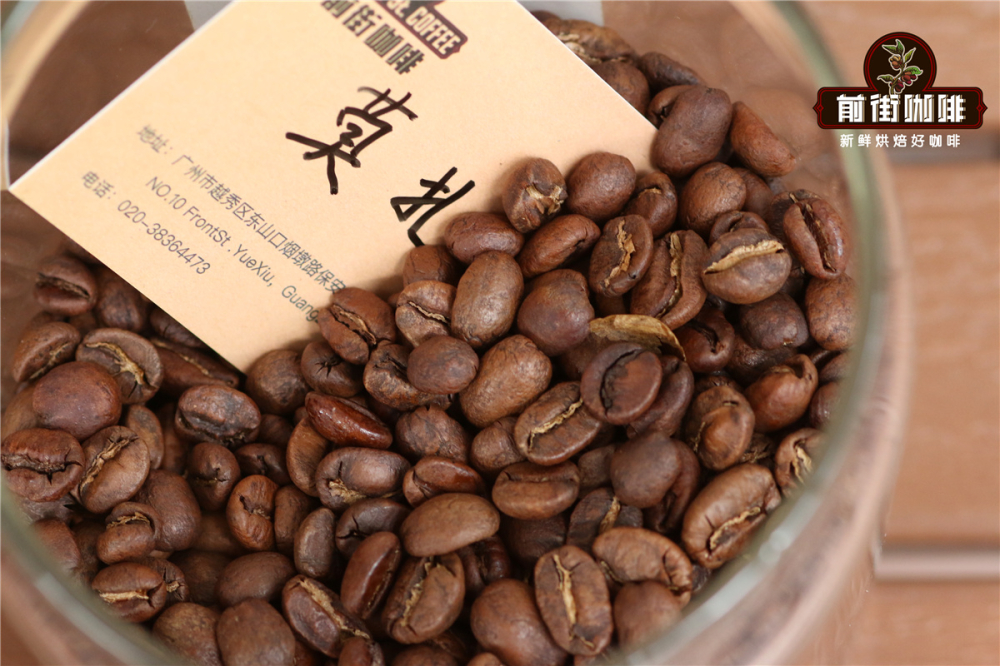
Although many people believe dark roast beans are not suitable for cold drip, in reality, Indonesian Golden Mandheling can showcase rich chocolate and mellow sweetness during the cold drip process, with absolutely no bitterness. If you prefer a softer texture, the nutty and creamy flavors of Queen Estate are also a good choice, becoming even smoother when served with ice.
4. Flavor blend type
If you want to create your own unique flavor, you can try blending two or more single-origin beans in proportion — for example, mixing Lychee Orchid and Musician Beethoven series in a 1:1 ratio can fuse wine-like aromas with fruity acidity, creating a cold drip that is both rich and refreshing with a distinctive personality.
The above content is compiled by CoffeeHunters, a coffee news website.


