








Introduction:Want to brew an espresso with rich crema and intense flavors using a Bialetti moka pot? In addition to the correct brewing technique, selecting the right coffee beans is key. This article explains in detail how a moka pot works, the conditions needed for crema formation, and provides a step-by-step guide to the brewing process. We also recommend several types of coffee beans suitable for use with a moka pot, including classic Italian blends and medium-to-dark roast single-origin SOEs, helping you brew a cup of espresso with strong aroma and smooth texture at home.
Since its invention by Italian Alfanso Bialetti in 1933, the moka pot has become the go-to brewing device for many households making espresso. This classic stovetop coffee maker works by heating the lower chamber, causing water to rise through the coffee grounds under a pressure of about 2 to 3 atmospheres, extracting a rich and crema-covered coffee. If you’re using the iconic Bialetti brand, you’ll also enjoy the brewing pleasure brought by its classic octagonal shape and practical design.
Coffee brewed with a moka pot is typically bold and full-bodied, so many coffee enthusiasts hope to achieve a cup with delicate crema (coffee oils) at home. In reality, crema production is not only related to brewing pressure, but also closely tied to the roast level of the beans, grind size, and brewing details. Below, we’ll dive into how to use a moka pot to brew coffee with standout flavor and rich crema.
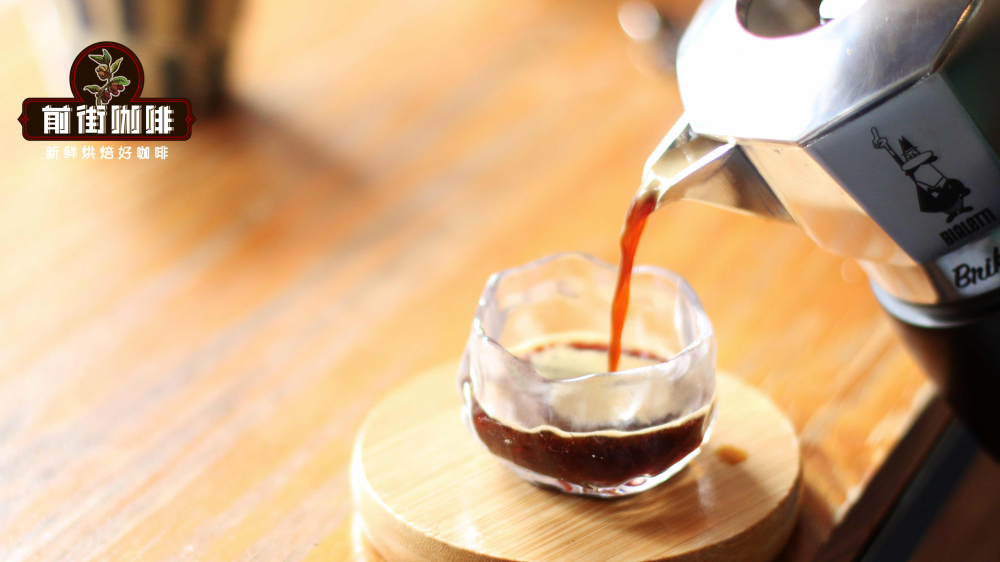
The basic principle of a moka pot is to use heat from the lower chamber to convert water into steam, creating a pressure of about 2–3 atmospheres that pushes hot water upward through the filter and coffee grounds, eventually collecting the brewed coffee in the upper chamber. When the pressure reaches a certain level, the safety valve releases some of the pressure—you’ll usually hear a “wuu wuu” sound, which is also an important signal that the coffee is about to flow out.
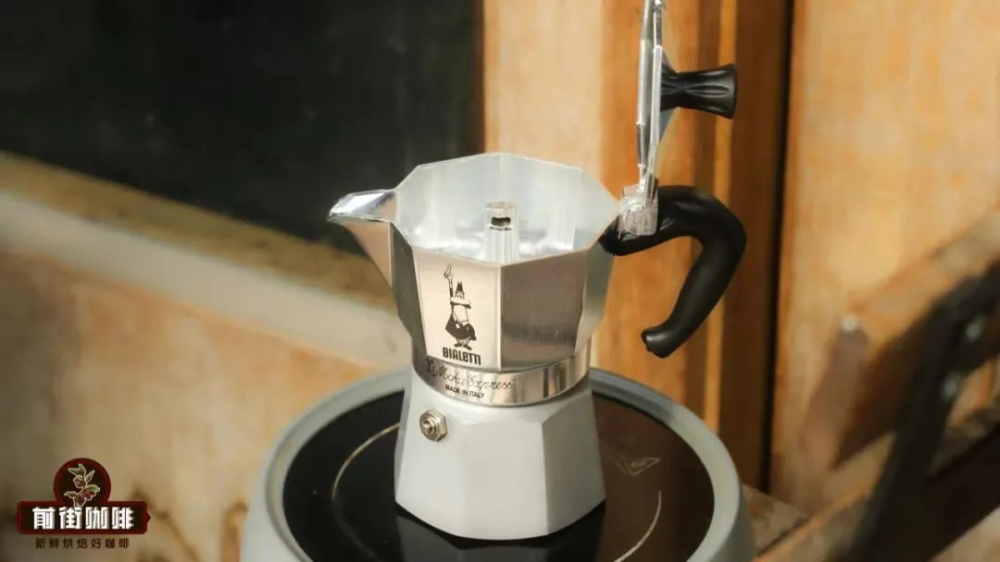
Among the many moka pot brands, Bialetti is undoubtedly one of the most iconic. Its classic design remains widely popular—not only for its simple and timeless appearance, but also for its structural design that maximizes the advantages of pressure brewing. If you’ve ever seen an octagonal moka pot in a café or exhibition, it’s very likely the classic model from Bialetti.
To achieve crema-rich coffee from a moka pot, choosing medium-to-dark roasted beans is usually more suitable. These beans, due to their higher roast level, can release more oils and aromas, along with deep flavors such as caramel, nuts, and chocolate. However, avoid overly dark roasts, as they can easily produce pronounced burnt and carbonized notes, affecting the overall balance of flavor.
For home users, we recommend blends that offer both good value and stable flavor—especially those formulated specifically for moka pots and home semi-automatic espresso machines, which can better deliver stable extraction and aromatic performance. For example, blends tailored for espresso needs often exhibit excellent crema and layered flavor when used in a moka pot.
First recommended is the classic Italian blend, which combines Indonesian Mandheling, Brazilian natural sundried, and Vietnamese washed beans, delivering rich notes of nuts, dark chocolate, and caramel, along with good crema release. This blend is ideal for those who enjoy bold flavors and full body, and it’s also a great starting choice for many home users trying a moka pot for the first time.
If you prefer a slightly lighter and fresher taste, you might consider a basic Italian blend. Based on Yunnan washed beans and Brazilian natural sundried beans, this blend offers soft fruit acidity, caramel sweetness, and nutty tones, with a well-balanced profile suitable for daily drinking. It also performs well in a moka pot with decent extraction results.
For those wanting to experience single-origin flavors without giving up the characteristics of a moka pot, medium-to-dark roasted single-origin SOEs (Single Origin Espresso) are also a great option. For example, the Brazilian Queen Estate SOE, after medium-to-dark roasting, presents layers of creamy peanut, sugarcane sweetness, and a cocoa finish. It works well with a moka pot or home espresso machine, showcasing distinct regional character and a rich mouthfeel.
Another recommended option is the Indonesian PWN Golden Mandheling SOE. This classic bean from Indonesia undergoes multiple hand-sorting and strict screening, ensuring uniform bean size and stable quality. After medium-to-dark roasting, it emits intense aromas of spices, cedar, and dark chocolate, with a full-bodied taste and outstanding crema performance—especially suitable for those who prefer less acidity.

Actually, using a moka pot to make a crema-rich cup of coffee isn’t complicated, but every step affects the final extraction. First, grind the coffee beans to a slightly finer consistency than pour over but slightly coarser than commercial espresso grind—roughly similar to fine sugar. This ensures proper resistance while allowing water to flow through.
When brewing, start by adding hot water to the lower chamber—the water level should be about 0.5 cm below the safety valve to avoid touching the metal filter. Then, add the ground coffee to the filter basket, gently level it without compacting it too much. Reinstall the filter basket into the lower chamber, then screw the upper chamber tightly onto the lower one. Once fully assembled, place it on the heat source to begin heating.
As the moka pot heats up, you’ll soon hear a low “wuu wuu” sound, indicating that internal pressure is building. At this point, it’s recommended to reduce the heat and slightly open the upper chamber lid to observe. When the coffee starts flowing out steadily, you can turn off the heat and remove the moka pot to prevent over-extraction and bitterness. This way, you’ll get a cup of moka pot coffee with rich aroma, full body, and delicate crema.
One important reminder: the freshness of the coffee beans greatly impacts crema performance. Choose freshly roasted, well-stored beans, and try to use them within 2–3 weeks of roasting for the best flavor and crema release. Selecting a reputable roaster ensures bean quality and guarantees you’re getting freshly roasted coffee.

The above content is compiled by CoffeeHunters, a coffee news website.


