








Introduction:Espresso is the soul of a café, but many people’s impression of it is limited to the bitter shot. In fact, the various espresso-based drinks derived from it—such as lattes, cappuccinos, macchiatos, and even the popular Dirty in recent years—each have their own unique flavor profiles and brewing techniques. This article takes an in-depth look at 10 common types of espresso drinks, including extraction parameters, ratio formulas, and taste characteristics, helping you find the coffee that best suits your palate and understand the key differences between them.
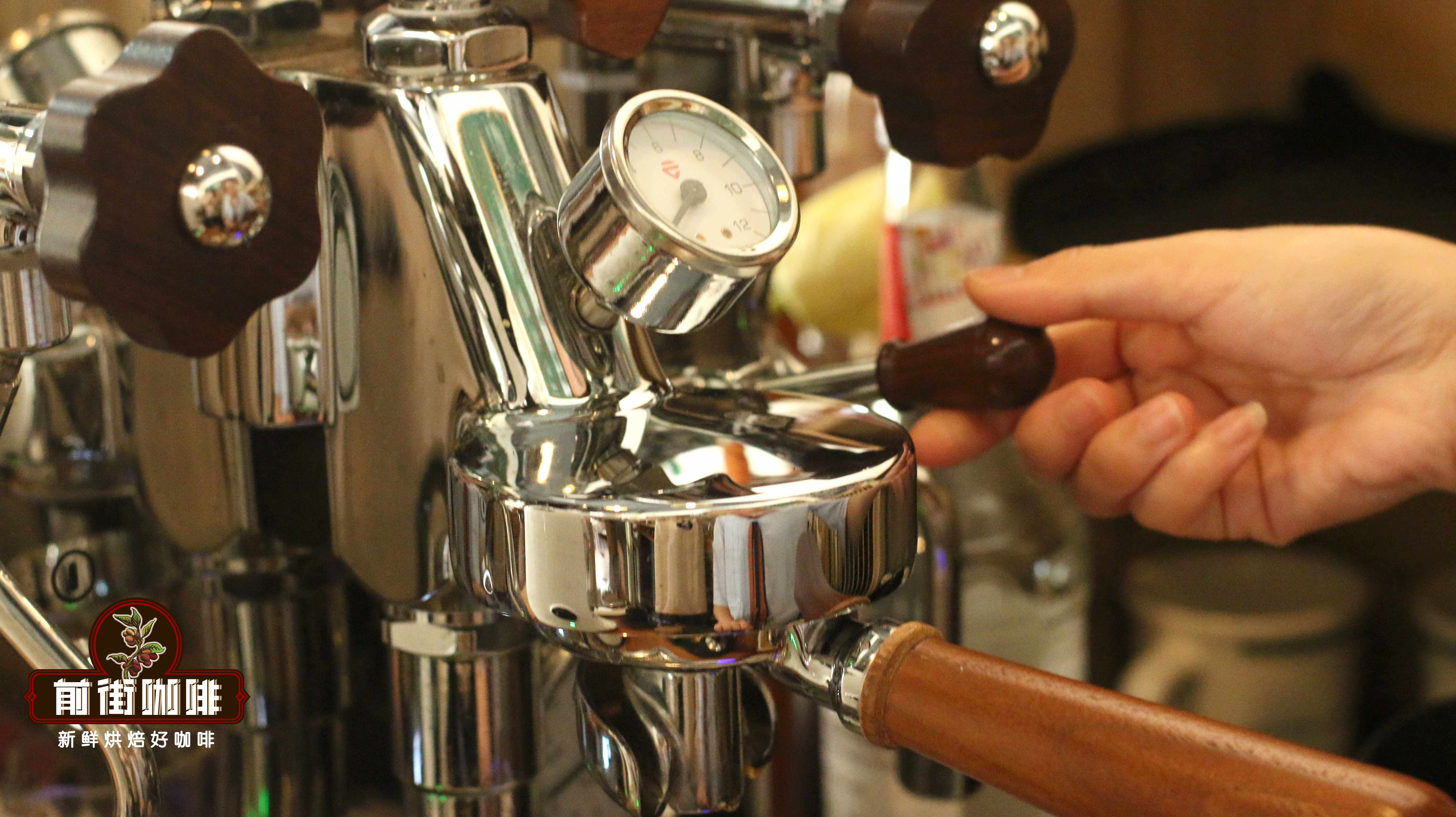
Espresso is often the first choice for many coffee enthusiasts, but it is frequently misunderstood as merely the bitterness of a shot. In reality, the espresso family is rich and diverse—from the classic espresso to milk-based drinks like lattes and cappuccinos, and even creative offerings like Dirty coffee—each with its own unique brewing method and flavor expression. Understanding these types not only helps you find the perfect match for your taste but also allows you to better appreciate the layers and nuances of coffee.
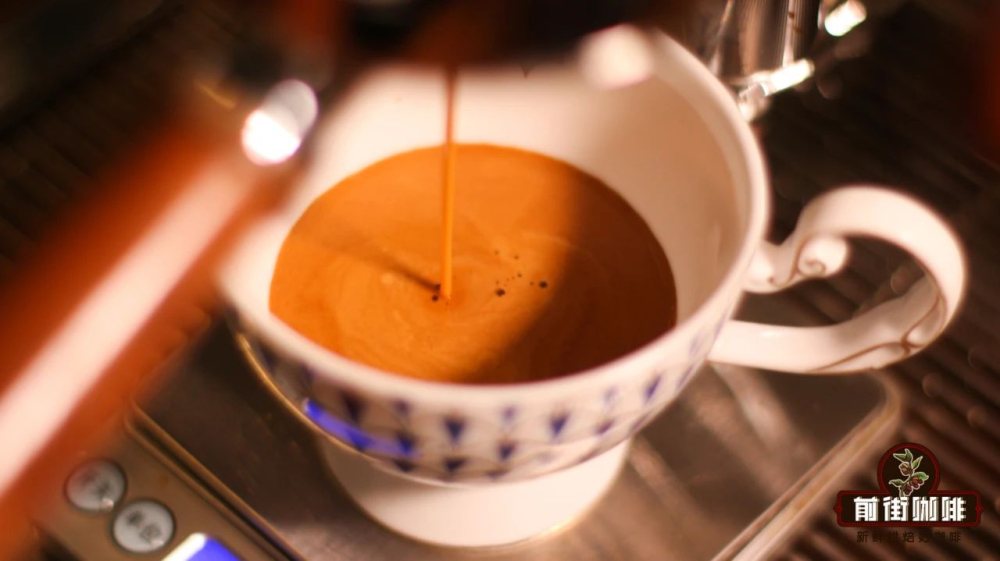
EspressoCan be considered the foundation of all espresso-based drinks. It is extracted under high pressure (about 9 bar), high temperature (92–94°C), and for a short duration (20–30 seconds), using extremely finely ground coffee beans. A single shot is typically around 30 ml, topped with a layer of golden to dark brown crema. This crema not only affects the appearance but also directly influences the aroma and taste of the coffee. A standard double shot usually uses about 20 grams of coffee grounds and yields around 40 grams of liquid, with fine and persistent crema being an important indicator of extraction quality.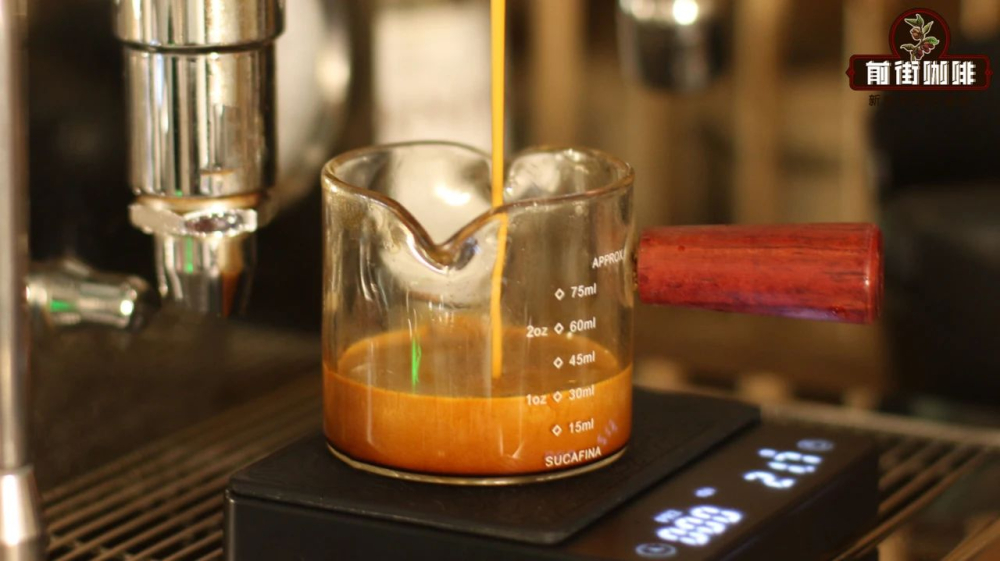 " alt="Espresso illustration">
AmericanoIs made by diluting a shot of espresso with hot water, typically in a ratio of 1:4 to 1:5—for example, 40 grams of espresso mixed with 180 ml of hot water, totaling about 220 ml. This method originated during World War II when American soldiers adjusted the strong Italian espresso by adding water to suit their milder taste preferences. Americano has a relatively light and refreshing taste while still retaining the core flavor of espresso, making it suitable for those who enjoy the essence of coffee without its intense strength.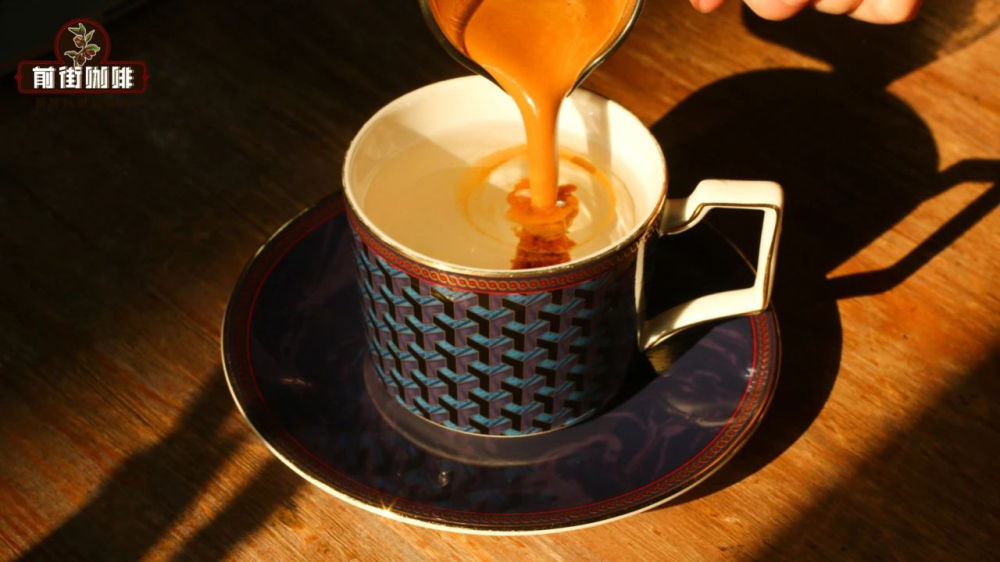 " alt="Americano preparation illustration">

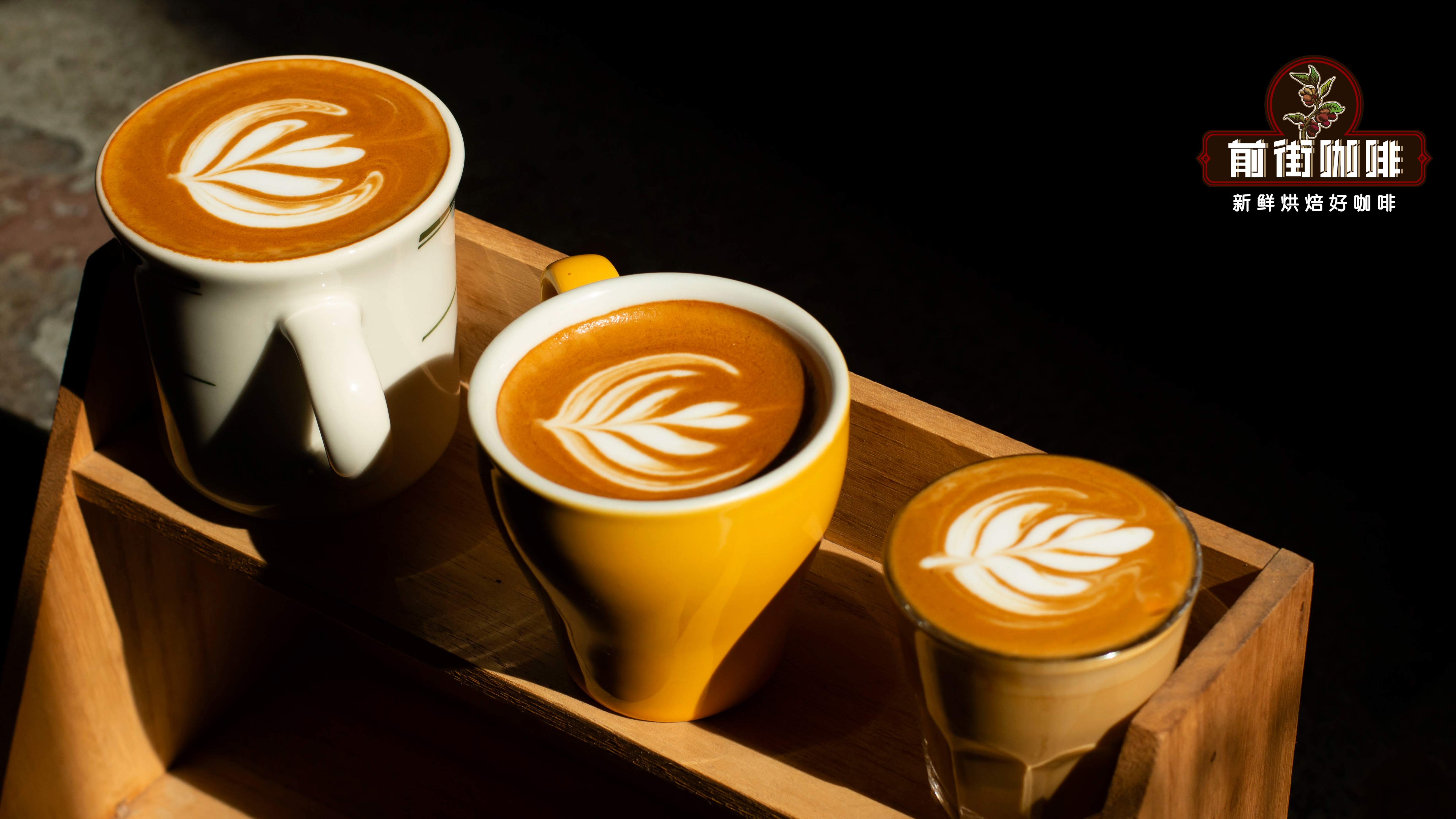
Latte (Caffe Latte)Means "milk" in Italian and is essentially a milk-forward coffee drink. The standard ratio is 1/5 espresso, 2/5 hot milk, and 2/5 milk foam, with a common recipe being a double shot (40 grams) paired with 260 grams of milk and about 1 cm of foam. The milk foam in a latte is finer and ideal for latte art, while the sweetness of the milk softens the boldness of the espresso, making it a popular choice for many coffee beginners.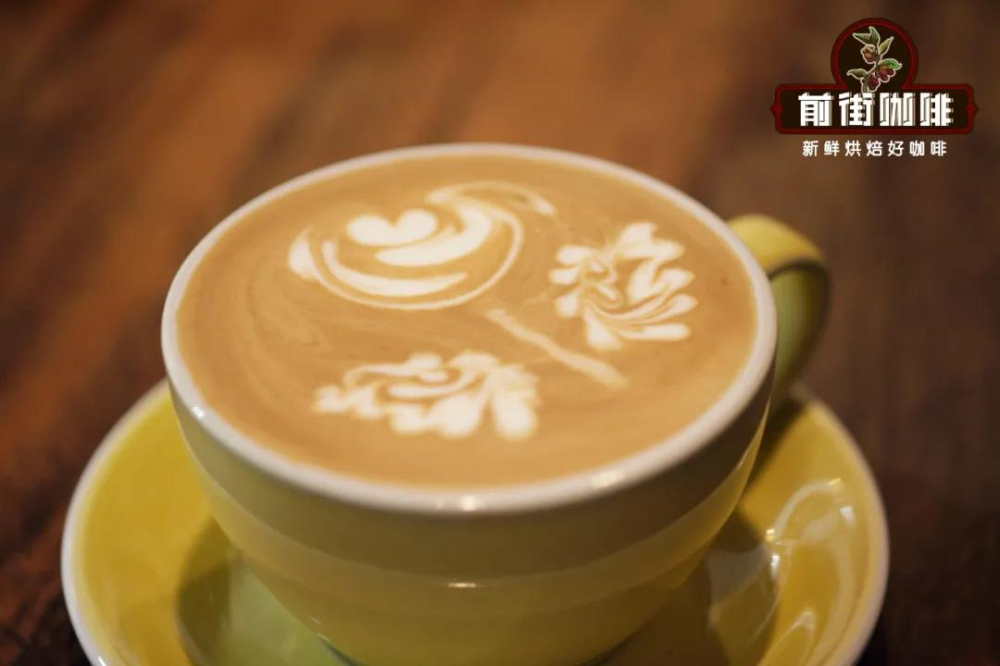 " alt="Latte coffee ratio and latte art">
Similar to a latte but with a different ratio isCappuccino, which consists of 1/3 espresso, 1/3 hot milk, and 1/3 milk foam, with thicker and fluffier foam. Traditionally brewed in a tulip cup of about 180 ml, the coffee’s color appears similar to a monk’s robe due to the layered effect of the foam and milk, giving it a distinctive brown hue. The dense and velvety foam of a cappuccino blends more intensely with the espresso, making it an ideal choice for those who enjoy a balanced mix of milk and coffee.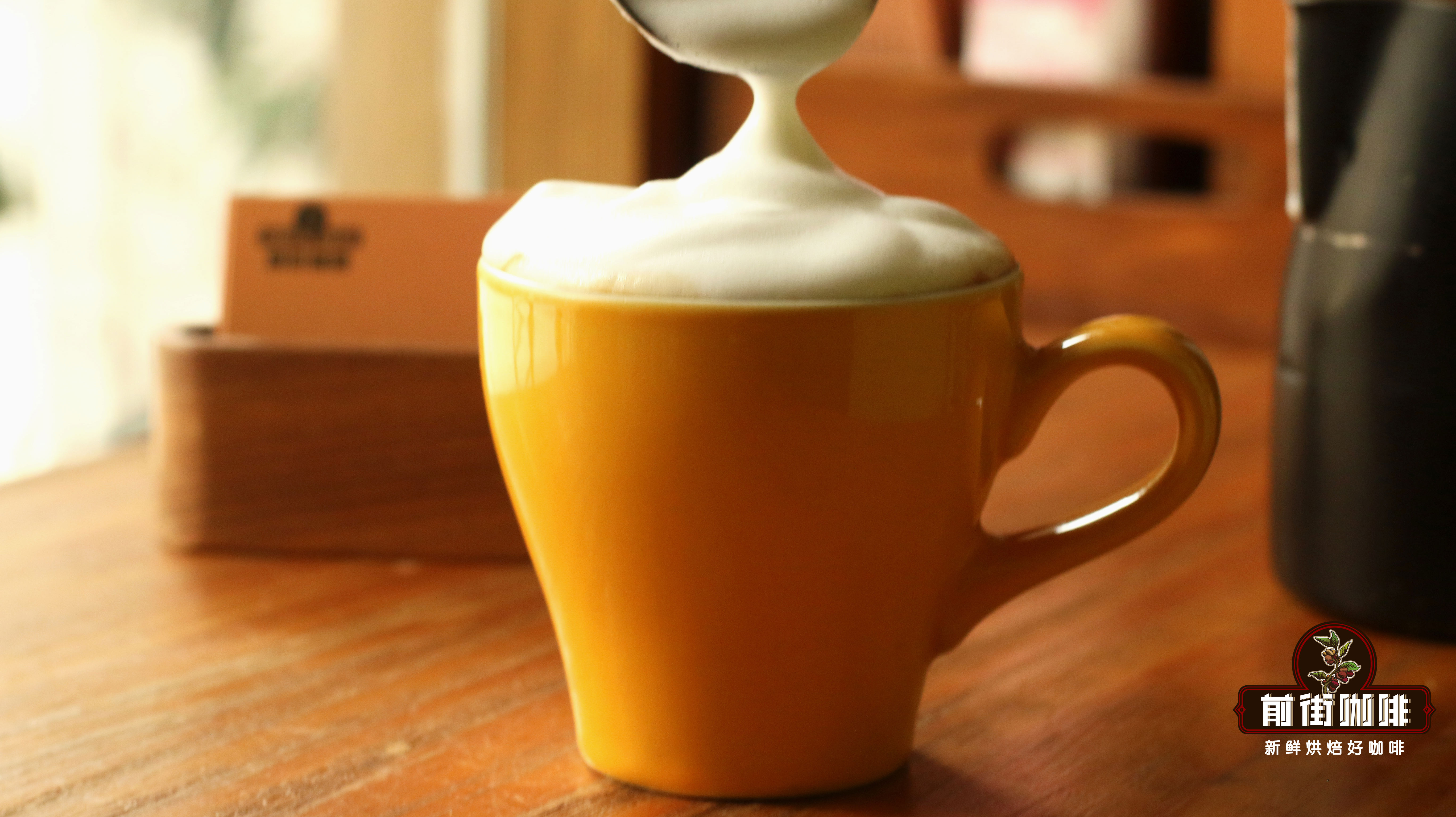 " alt="Cappuccino foam and cup illustration">
MacchiatoMeans "marked" in Italian and originated when customers requested a "mark" to distinguish whether milk had been added to their espresso. The traditional method involves adding a spoonful of fine milk foam to a single shot of espresso, creating a distinct white spot that highlights the pure flavor of the espresso. Modern macchiatos typically use 40 grams of espresso with a small amount of foam, offering a concentrated and layered taste, making it a favorite for those seeking a pure coffee experience.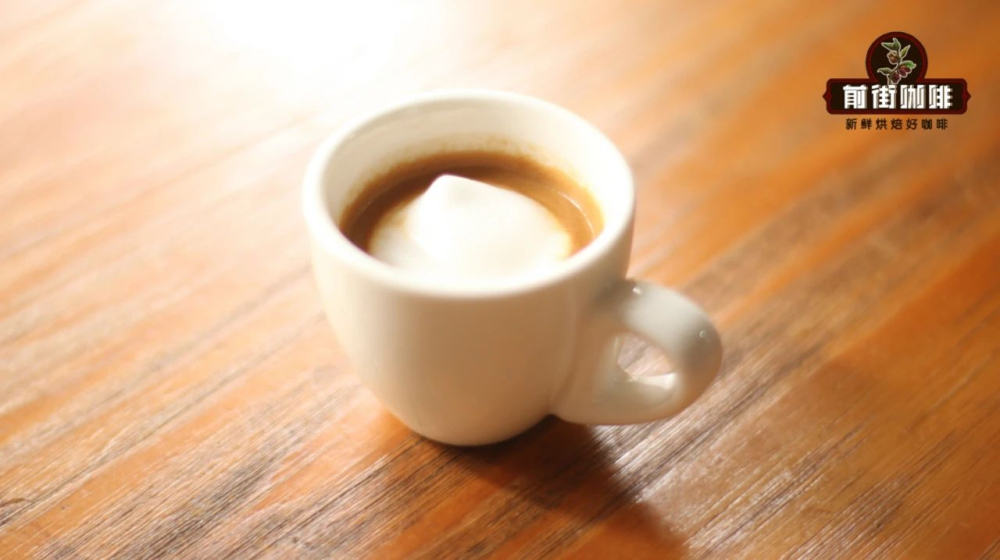 " alt="Macchiato foam marking illustration">
Caramel Macchiato, despite the similar name, is actually a signature drink by Starbucks and unrelated to the traditional macchiato. This beverage is primarily made with a large amount of milk, foam, vanilla syrup, and caramel sauce, containing only about 30 ml of espresso. The overall taste is sweet and smooth, catering to those who enjoy dessert-like flavors and rich milkiness. The preparation emphasizes the texture of the foam and the layered presentation of the caramel, making it a sweet-style creative coffee.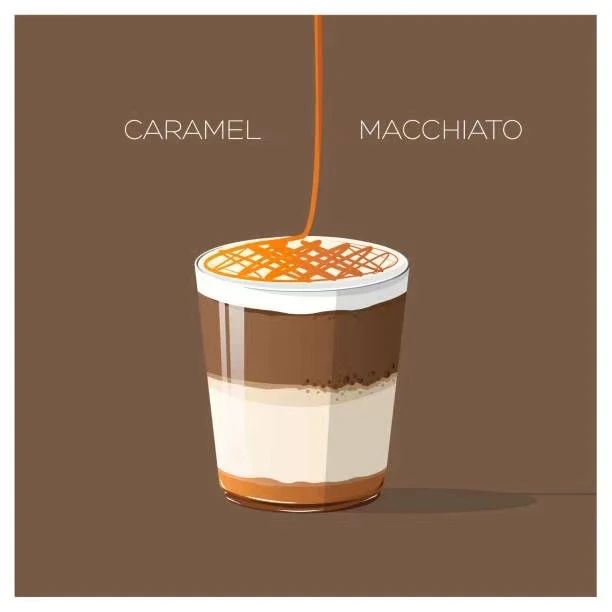 " alt="Caramel Macchiato sweet layers illustration">
MochaCombines elements of coffee, chocolate, and milk, typically in a ratio of 2/5 espresso, 2/5 hot chocolate, and 1/5 hot milk. This coffee offers both the richness of coffee and the sweetness of chocolate, with a smooth and indulgent flavor profile, making it an excellent choice for chocolate lovers. A common recipe includes 40 grams of espresso, 20 grams of chocolate syrup, and 260 grams of hot milk, perfect for enjoying during colder seasons.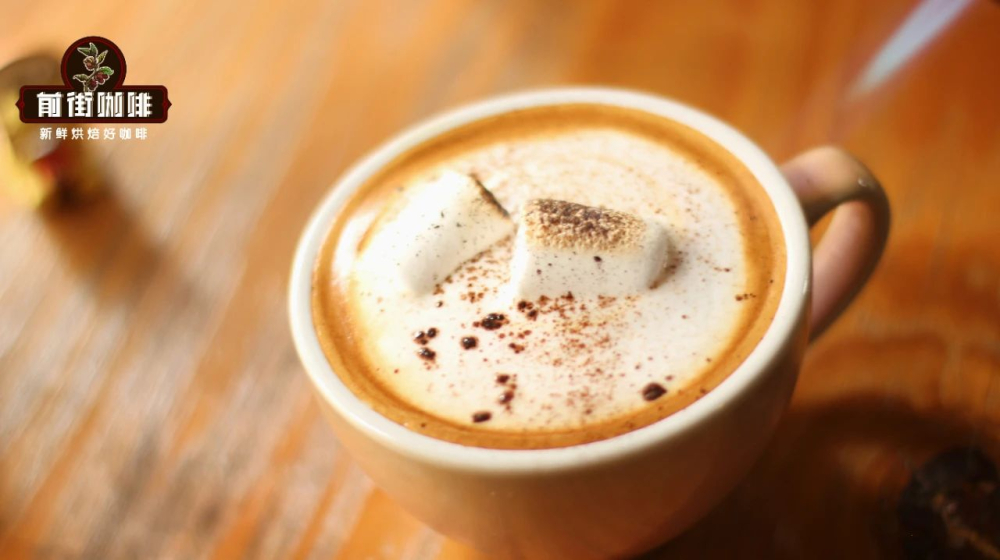 " alt="Mocha chocolate and coffee fusion illustration">
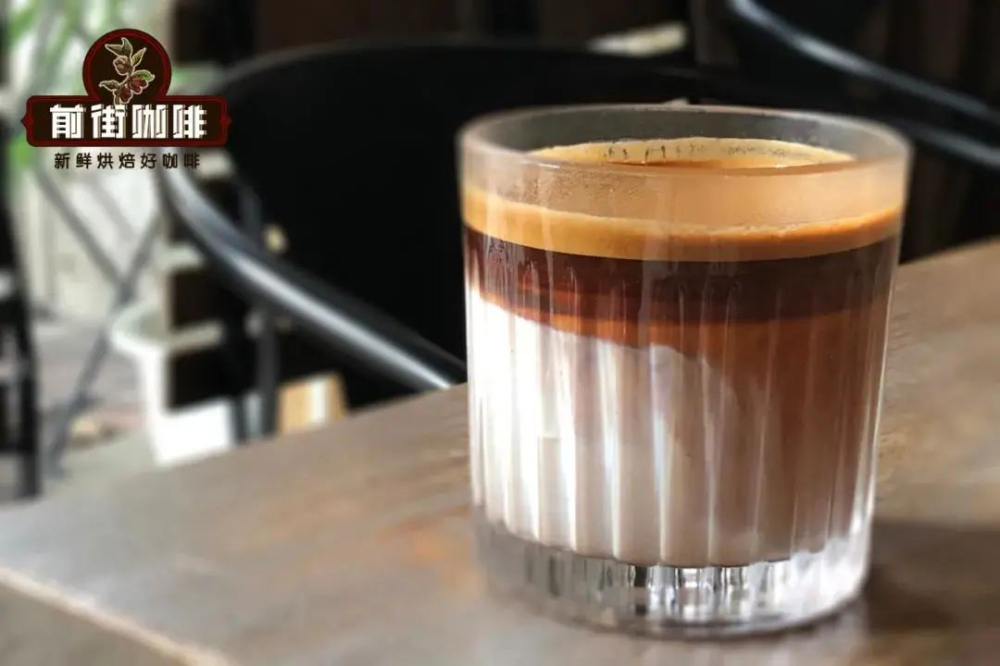
Finally, there’s theDirty Coffee, which has gained significant attention in recent years. Its defining feature is the absence of ice cubes, utilizing the temperature contrast between hot espresso and cold milk to create a visual and sensory dual contrast. To prepare, a chilled glass is used, with cold milk poured in first, followed by slowly pouring the espresso (about 40 grams) from a height of about 1 cm, allowing it to float on top of the milk and gradually seep in. Dirty is meant to be consumed without stirring, letting the drinker experience the gradual transition from hot to cold and from strong to mild, making it a creative coffee that combines visual appeal with a flavorful challenge.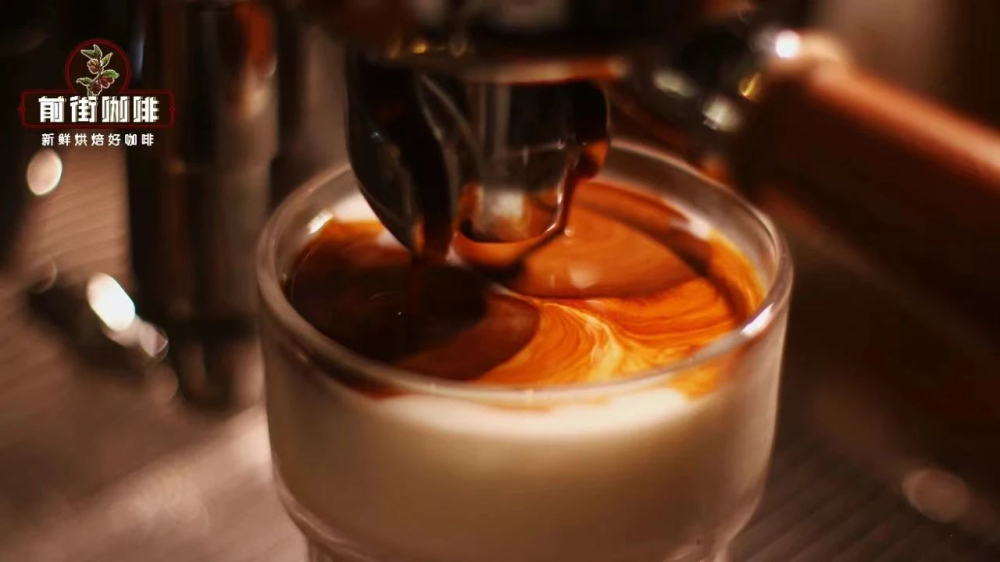 " alt="Dirty coffee layered effect illustration">
These espresso-based drinks not only showcase the diversity of coffee but also reflect different cultural interpretations and innovations. Whether you prefer the boldness of espresso, the smoothness of a latte, or the creativity of a Dirty, understanding their brewing principles and flavor characteristics will allow you to better appreciate the unique charm of each cup.
The above content is compiled by CoffeeHunters, a coffee news website.


