







Introduction:With its refreshing taste and energizing effect, iced Americano has become the daily go-to for many people, even favored by celebrities to stay energized. This article delves into the origins and evolution of iced Americano—from the extraction principles of espresso to the selection of suitable coffee beans—and provides detailed brewing parameters and dilution ratio recommendations to help you master the brewing techniques and easily prepare a well-balanced iced Americano.
Iced Americano has gained popularity among coffee enthusiasts in recent years, with many celebrities openly declaring themselves as loyal fans. In addition to providing a quick energy boost, its lack of added sugar or milk makes it a friendly choice for those looking to manage weight or reduce bloating. But how is iced Americano made? What kind of coffee beans should you choose to bring out the best flavors? Let’s start from the basics and explore the charm of this classic black coffee step by step.
So what exactly is an Americano? This globally beloved black coffee has witnessed multiple transformations in coffee culture. Regarding its origin, one theory suggests that Americans preferred a milder coffee strength, so they diluted espresso with water; another tale claims that during World War II, American soldiers found the high-concentration, pressure-brewed Italian coffee too strong and added water to adjust it. According to authoritative dictionary definitions, an Americano refers to hot water added to espresso—in other words, the soul of Americano lies in that espresso diluted with water.。
Since Americano originates from espresso, we must talk about this form of coffee extracted under high pressure. As early as the industrial era, Italians sought a quick and energizing beverage, and in 1884, a patent for a steam-powered coffee machine was filed. The resulting coffee, due to its fast extraction and intense flavor, was initially described as harsh and hard to drink, leading some soldiers to dilute it with water, indirectly giving rise to the Americano.
Over time, especially in 1910, Italian designer Luigi Bezzera innovated the original equipment by adding a handle and portafilter, adjusting the grind size of the beans, and allowing high-pressure water to evenly pass through tightly packed coffee grounds—successfully extracting a more balanced-tasting espresso. This mechanism has been used to this day, forming the foundation of modern espresso.
When it comes to making Americano, choosing the right coffee beans is crucial. A good Americano depends on whether the beans can showcase a balanced and captivating flavor profile under high-pressure extraction. Many specialty shops opt for blends, as blends combine the strengths of beans from different regions—not only stabilizing flavor consistency but also effectively minimizing flavor flaws that may arise from a single origin. Moreover, blends are cost-effective, making them a common choice in commercial operations.

If you prefer bold crema and a rich mouthfeel, consider blends featuring flavors of butter, roasted hazelnuts, and caramel—these beans often deliver a thick texture and deep chocolatey finish, ideal for those who enjoy a strong coffee experience. For those who prefer milder flavors, blends with notes of nuts and plum are also great options; these recipes usually use Yunnan and Brazilian beans, offering good value and suitability for home brewing or even as a top pick for new coffee shop owners. If you’re sensitive to bitterness, look for blends infused with floral and fruity notes—such coffees often carry refreshing tones of citrus, berries, and rose, and when brewed into Americano, they can present sweet flavors reminiscent of fruit gummies.
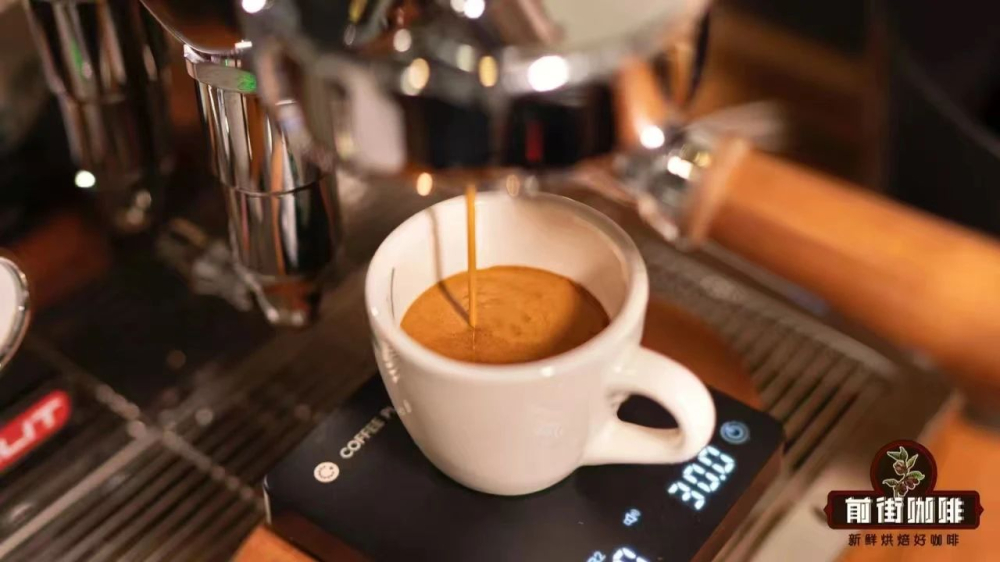
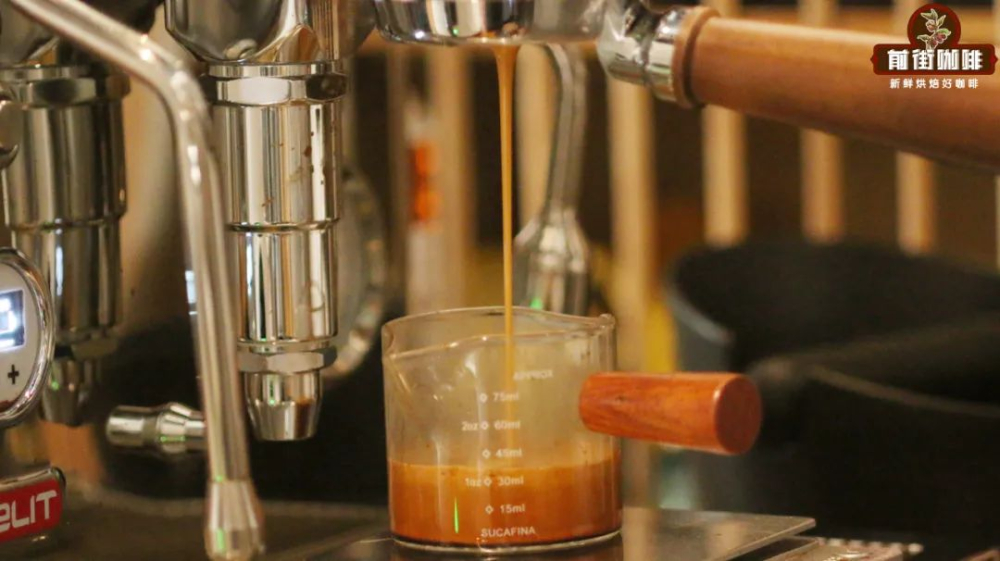
As for the method of making Americano, the key still lies in the extraction of espresso. Since performance varies between each coffee machine and grinder, there are no universal standard parameters—adjustments need to be made based on actual conditions. Generally speaking,it is recommended to use 20 grams of finely ground coffee as a baseline, aiming to extract 40 grams of espresso liquid, maintaining a pressure of 9 bar, and keeping the extraction time between 25 to 30 seconds.After each extraction, it’s advised to taste the result to assess the balance of acidity, sweetness, and bitterness, then adjust the grind size or extraction time accordingly.
The water-to-espresso ratio is equally vital in shaping the final flavor. If you’re just starting out, try a 1:5 ratio—40 grams of espresso to 200 milliliters of water. If the flavor feels too strong, increase the water; if it’s too weak, reduce the amount until you find the perfect balance for your palate.
Lastly, the health benefits of iced Americano are worth mentioning. Black coffee without added sugar or cream contains only about 5 to 15 calories per cup, making it a low-calorie beverage. Its caffeine boosts metabolism, while chlorogenic acid helps delay carbohydrate absorption—making it a very friendly option for those looking to reduce fat accumulation and improve fat-burning efficiency. An iced Americano after a meal not only aids digestion but also keeps you alert and energized.
The above content is compiled by CoffeeHunters, a coffee news website.


