







Introduction:Want to understand why Panamanian Geisha coffee beans from Hacienda La Esmeralda command such high prices? This article delves into the history of the estate, its terroir and strict grading system, helping you distinguish between Red Label, Green Label, and Blue Label, while also providing expert roast profiles and pour over parameters. Whether you're just starting out or looking to level up, gain a full understanding of the flavor essence of this top-tier specialty coffee.
The Geisha coffee produced by Panama’s Hacienda La Esmeralda has long been hailed as the pinnacle of the specialty coffee world, with prices that have even set records at international auctions. But what exactly makes this coffee stand out and become the dream bean for so many coffee enthusiasts? This article will take you on an in-depth exploration—from the estate’s development, origin environment, regional grading, to the flavor characteristics, roast recommendations, and pour over extraction parameters of different grades of Geisha—offering a comprehensive analysis to help you deeply appreciate its value and learn how to taste and evaluate it.
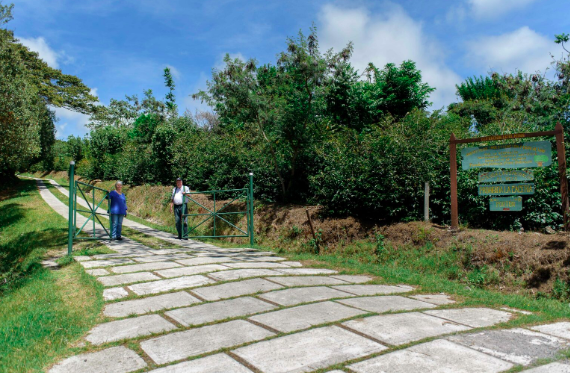
The story of Hacienda La Esmeralda dates back to 1964, when American banker Rudolph A. Peterson retired and moved to Panama, purchasing the Pamela Farm in the Boquete region, which was originally primarily a dairy operation. Later, his son Price Peterson gave up his medical career to help run the farm and, in 1987, introduced two common Arabica varieties—Caturra and Catuaí—and renamed the farm Hacienda La Esmeralda. In 1994, they built a washed processing plant and gradually developed their own processing capabilities. In 1996, the estate acquired the neighboring Jaramillo Farm, located at higher elevation with great potential. At the time, the coffee trees there were in a wild state due to poor management, but they unexpectedly discovered the Geisha variety, which would later shake the coffee world.
The discovery of the Geisha variety is credited to Price’s son, Daniel Peterson. In 1997, Daniel, fresh out of university, returned to the estate to assist and偶然 noticed some tall coffee trees at the lower altitude of Jaramillo that looked distinctly different from the surrounding varieties. Upon inquiry, he learned that these were Geisha trees brought back from Costa Rica by Panamanian agricultural officials 30 years earlier to combat leaf rust—but due to low yield, most estates had long since cut them down. Daniel decided to keep these trees and later transplanted them to higher elevations. As the specialty coffee trend emerged, Daniel began cupping and, in 2003, harvested Geisha for the first time, testing it by classification according to elevation and processing method. In 2004, he found a batch at the Mario plot with an exceptionally unique flavor profile featuring pronounced floral and fruity acidity. After submitting it to the Best of Panama (BOP) competition, it won the championship, forever changing the fate of Geisha.
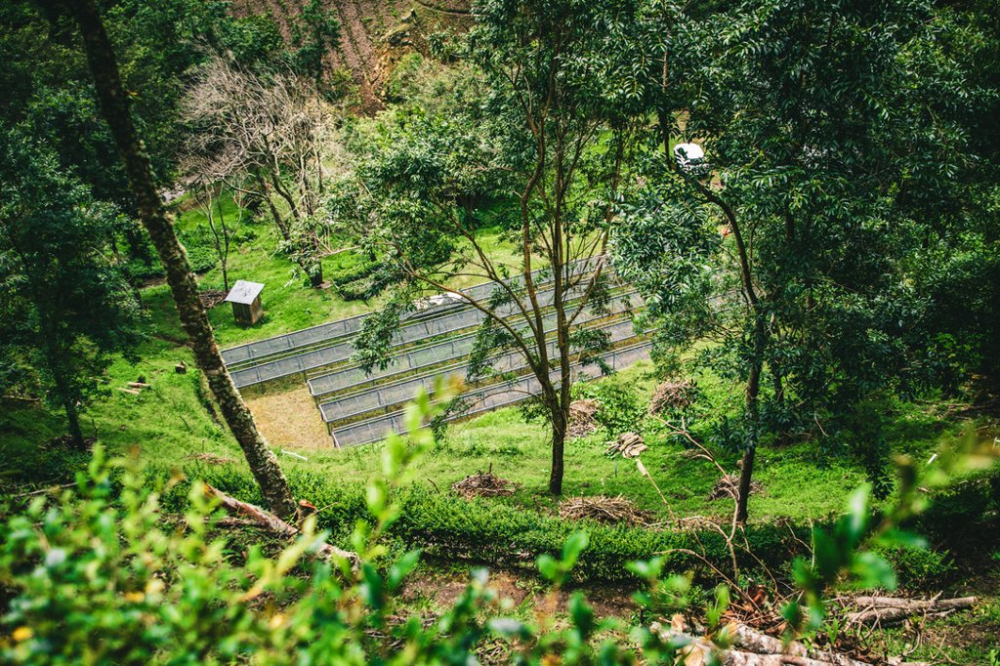
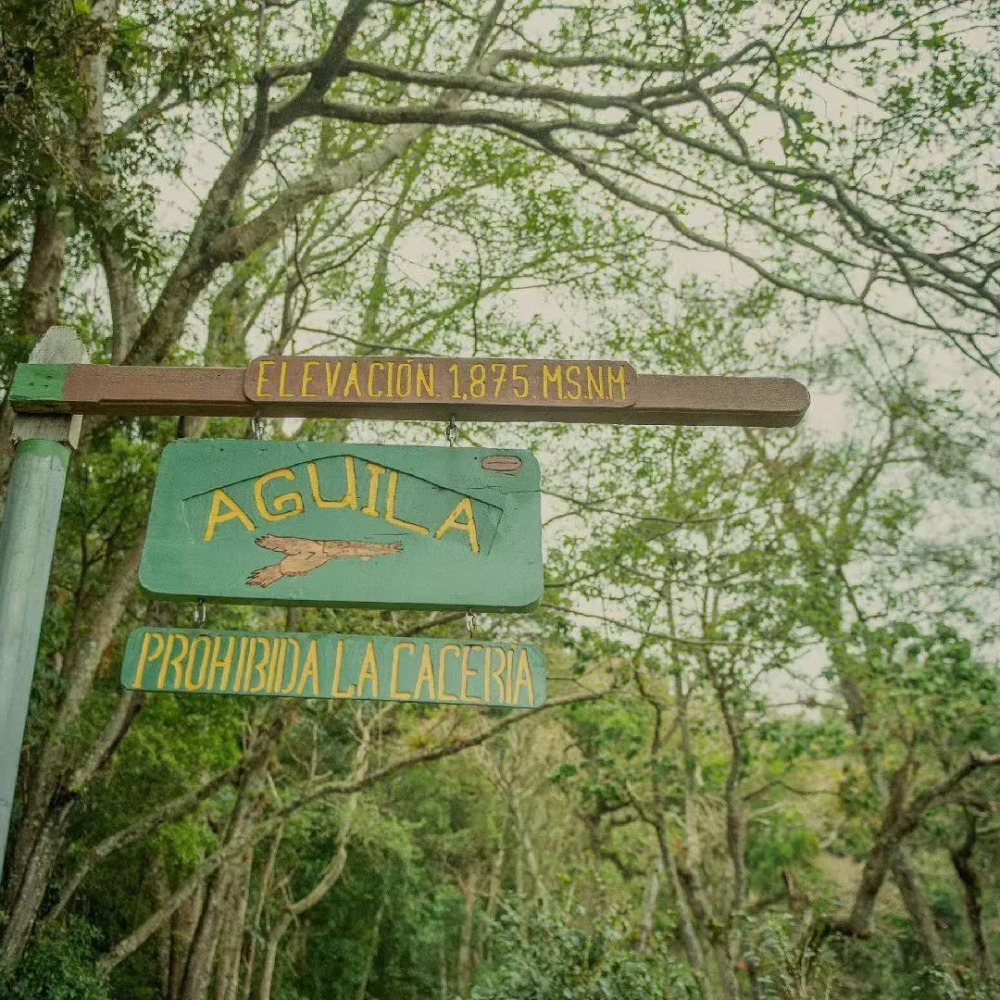
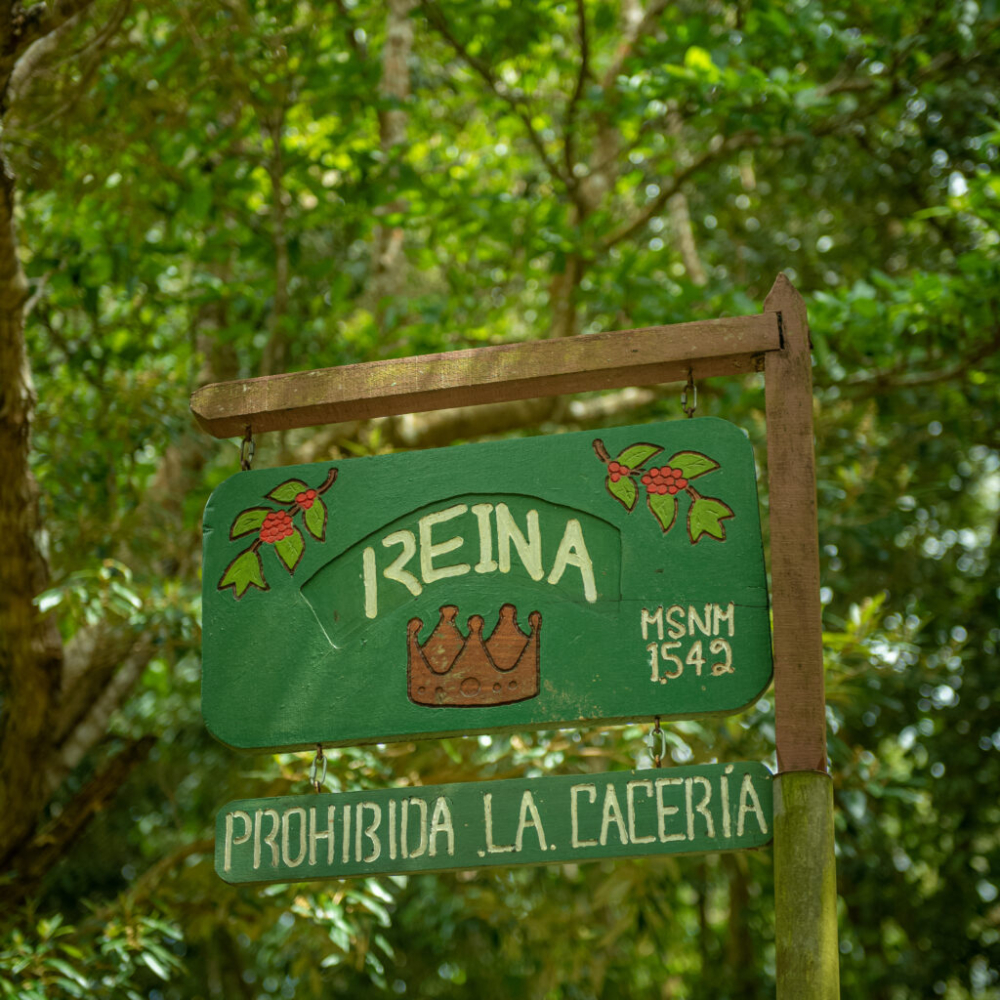
Currently, the main Geisha-growing regions of Hacienda La Esmeralda include Jaramillo, Cañas Verdes, and El Velo. Among them, Jaramillo ranges from 1600–1700 meters above sea level with about 4000 mm of annual rainfall and significant day-night temperature differences, resulting in extremely concentrated and layered flavors. This plot is subdivided into five smaller sections: Mario, Noria, Reina, Bosque, and Buenos Aires. Cañas Verdes sits between 1600–1800 meters with 3500 mm of annual rainfall, comprising nine small plots including Lino, Coronado, and Fundador. El Velo is a more recently acquired estate at even higher altitudes of 1700–1900 meters, with a diverse range of planted varieties in addition to Geisha and Catuaí, including Laurina, Pacamara, Mocha, and SL28, divided into seven small plots. Additionally, in 2022, Hacienda La Esmeralda purchased a new high-elevation spring water plot, whose future potential is highly anticipated.
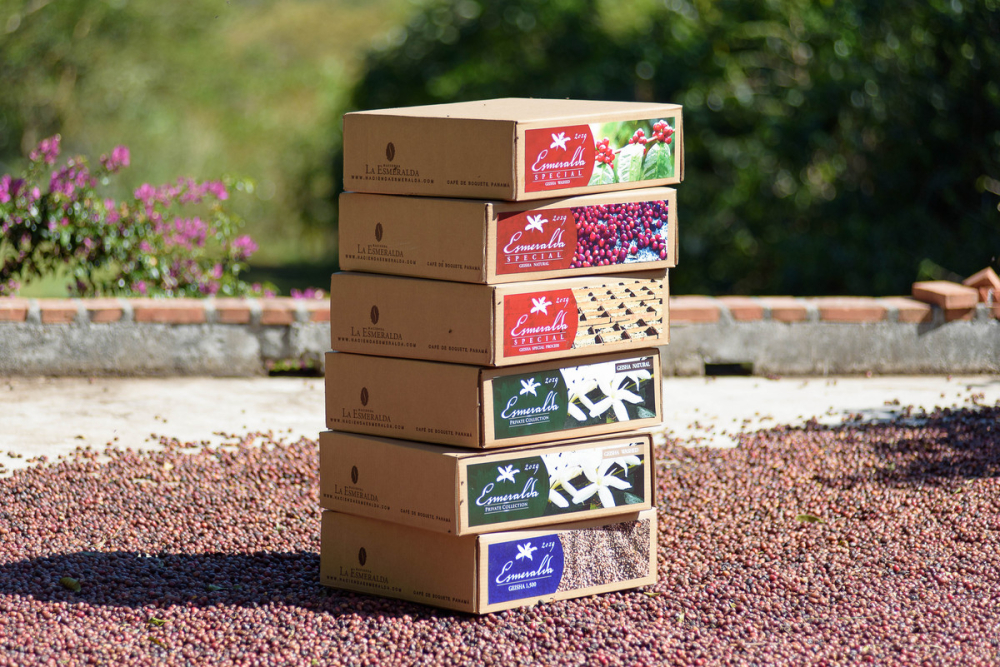
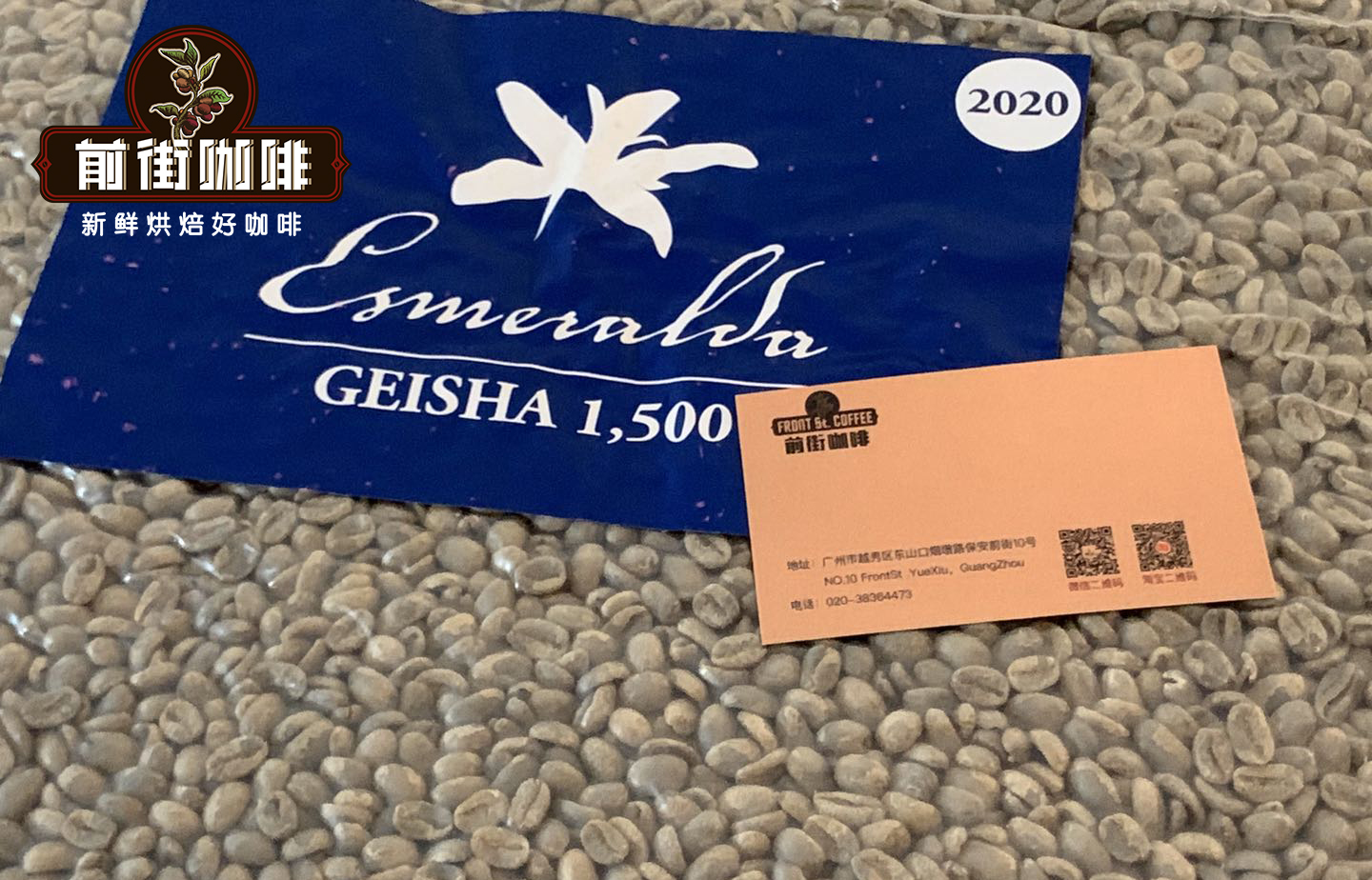
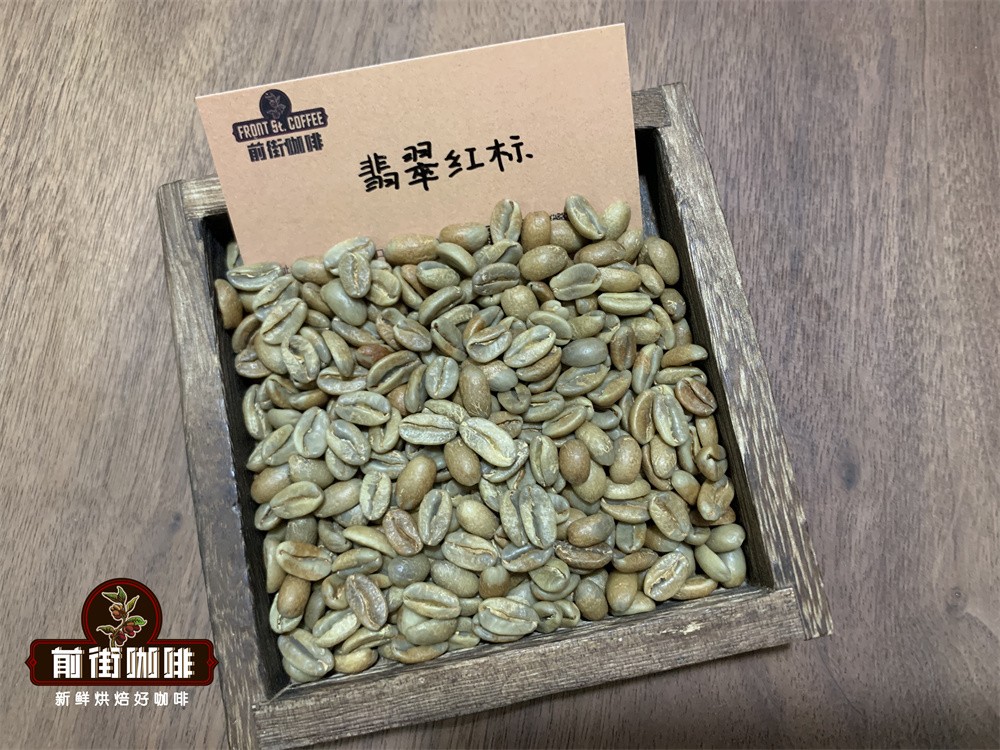
Hacienda La Esmeralda has its own unique approach to market grading and branding strategy for Geisha. The formerly common Red Label, Green Label, and Blue Label corresponded to different grades and processing methods of Geisha coffee beans. Between 2019 and 2022, the third-generation owners Daniel and Rachel decided to adjust the brand structure by separating out the auction lots previously included in the Red Label and launching the "Esmeralda Auction." These lots are only available through auction, and in 2022 set a record price of $2,755 per kilogram. The Red Label (Esmeralda Special), widely known as the "Geisha Red Label," selects Geisha beans grown at 1600–1800 meters with cupping scores over 90, sourced from specific plots in Jaramillo and Cañas Verdes. Common processing methods include natural and washed, known for their floral-fruity aromas and bright acidity, with the Mario plot’s natural lot being especially revered. The Green Label (Private Collection), commonly referred to as the "Geisha Green Label," is a blend of beans from various micro-plots. Though it does not indicate specific regions, it still retains the classic floral, citrusy notes and rich body of Geisha, with recent batches mainly using washed processing. As for the Blue Label (Geisha1500), it comes from Geisha grown at around 1500 meters, with flavor profiles still showcasing citrus, honey, and jasmine notes. It offers good value for money but has gradually faded from the market to enhance the overall brand image.
In terms of roast strategy, to highlight the delicate floral-fruit aromas and bright acidity unique to Geisha, both Hacienda La Esmeralda and professional roasters typically use light roasts. However, roast details are adjusted according to grade. For example, the Red Label is recommended to enter the roaster at 150°C, with a turnaround point at around 1’36”, first crack starting at 8’10”, development time of 1’28”, and drop temperature reaching 189.5°C—emphasizing the preservation of original flavor details. The Green Label slightly increases the entry temperature to 160°C, with first crack starting at 7’50” and a drop temperature of 192.5°C, making the flavor more rounded and balanced. The Blue Label, being from mid-to-lower elevation batches, is recommended to enter at an even higher temperature (180°C), with first crack occurring at 8’30” and a drop temperature of 190°C, moderately increasing caramelization to enhance sweetness and aroma.
For brewing recommendations, regardless of grade, it is suggested to use a Hario V60 filter cone, with a water temperature of 90°C, a coffee-to-water ratio of 1:15, and a medium-fine grind (approximately 80% passing through a Chinese No. 20 sieve). Use a three-stage pouring method: start with 30 grams of water for a 30-second bloom, then pour in a small circular motion until reaching 125 grams for the first pour. Wait for the water level to drop, then pour up to 225 grams before stopping. Total brew time is about 2 minutes. This parameter setup helps fully extract the delicate aromas and multi-layered flavors of Geisha, especially suiting the characteristics of light roasts.
In terms of flavor profile, the Red Label Geisha often exhibits pronounced rose floral notes, citrus, berries, and honey sweetness, with a rich body and distinct layers. The Green Label is dominated by jasmine, complemented by citrus, cream, cantaloupe, and citrus peel for complex flavors, leaving a clean and long-lasting aftertaste. The washed version of the Blue Label presents soft acidity from lemon and grapefruit, paired with honey and oolong tea-like notes, delivering a bright and clean cup. If it's the sun-dried version of the Blue Label, the fermented winey character is prominent, interwoven with tropical fruit and melon aromas for a richly layered experience. Understanding these characteristics can help you better capture the unique personality of each Geisha when tasting.
The above content is compiled by CoffeeHunters, a coffee news website.


