







Introduction:The Mandheling coffee family in Indonesia is rich and diverse, ranging from the classic Lintong to the premium Golden Mandheling. Each variety embodies unique terroir and the essence of processing techniques. This article will take you deep into four well-known Mandheling categories—Lintong, Tiger, Longberry, and Golden Mandheling—analyzing their regional characteristics, varietal backgrounds, and flavor profiles. It also compares differences in bean selection standards and processing methods. Additionally, it details the mysteries of Sumatra’s wet-hulling method and aging processes, providing practical roasting and pour-over references to help you fully grasp the wonders of the Mandheling world.
Mandheling coffee has almost become synonymous with premium Indonesian coffee, but you may not know that under this name there are many representative sub-varieties, such as Lintong Mandheling, Tiger Mandheling, Longberry Mandheling, and Golden Mandheling. These names are not just market distinctions but also reflect subtle differences in varietal characteristics, regional terroir, and processing methods. This article will start with the origin of the name “Mandheling,” gradually breaking down the sources, growing environments, processing features, and flavor profiles of these classic Mandheling types, while focusing on comparing key differences between Golden Mandheling and regular Mandheling in terms of bean selection rigor, regional evolution, and quality control.
The term “Mandheling” actually originated from a misunderstanding. After World War II, returning Japanese soldiers couldn’t forget the deliciousness of Indonesian coffee. With the help of locals, they sought to purchase high-quality beans. When asked the name of the coffee, it was mistakenly understood as a question about residence. The response was “Mandailing” (the name of an Indonesian tribe), but due to phonetic translation issues, it was eventually heard as “Mandehling,” which evolved into today’s “Mandheling.” Although the name’s origin is dramatic, this coffee from Sumatra, with its unique wet-hulling process and bold, rich aroma, has long secured a place in the global specialty coffee market.
Broadly speaking, Arabica coffee produced in North Sumatra, Indonesia, can mostly be categorized under the “Mandheling” umbrella. But in reality, it can be further divided into several representative types, such as Lintong Mandheling, Longberry Mandheling (also known as TimTim), Tiger Mandheling, and Golden Mandheling. These names not only represent different varietal combinations but also reflect the unique altitudes, microclimates, and processing details of their respective regions. Understanding their differences is the first step in appreciating the diversity of Indonesian coffee.
[Longberry Mandheling / Longberry / TimTim]
Longberry Mandheling, also known as TimTim or Longberry, gets its name from its slender bean shape. Some even jokingly call it the “horse-face bean.” This variety is not a pure Arabica but a natural hybrid of Arabica and Robusta, first discovered on the island of Timor in Indonesia in the 1940s. Due to its strong disease resistance, TimTim is widely planted locally and is also called Bor Bor. Although its flavor is not as delicate as some high-altitude pure varieties, its bold and full-bodied taste still has a certain following.
[Lintong Mandheling]
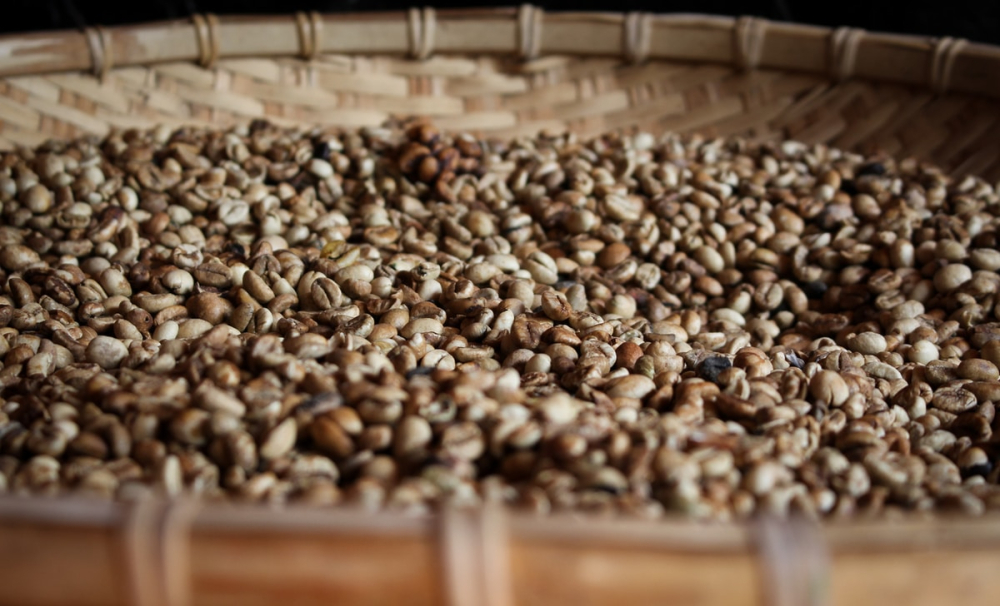
Lintong Mandheling is produced in the Lintong mountainous area in north-central Sumatra, near Lake Toba, and is a classic representative of the Mandheling family. Coffee from this region is typically processed using Sumatra’s unique “wet-hulling method,” resulting in low acidity, a prominent body, and distinct earthy and spicy notes. Due to the high moisture content of the beans during processing, it’s common to see compressed bean shapes and cracks resembling “goat hooves,” which are normal and not defects. The main varieties of Lintong Mandheling include Caturra and Typica, grown in volcanic soil environments at altitudes of 1100 to 1600 meters, laying a solid foundation for its flavor.
[Tiger Mandheling]
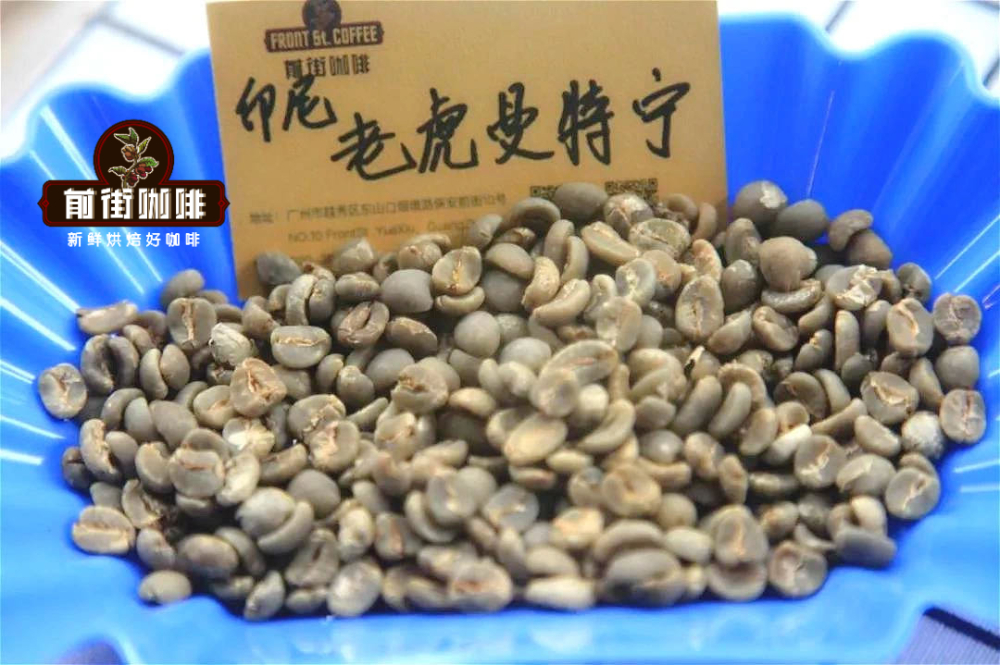
Tiger Mandheling has relatively strict selection criteria. Only Mandheling beans with a size of 17 mesh or larger and a defect rate below 4% qualify for this designation. Its main varieties are Catucai and Typica. The former often brings fresh citrus and lemon notes, while the latter exhibits elegant sweetness and a clean finish. The combination allows Tiger Mandheling to perform outstandingly in terms of flavor complexity and purity. This coffee mostly comes from high-altitude areas in northern Sumatra, especially around Tiger Estate, where not only is the altitude ideal, but the microclimate also helps concentrate the flavors.
[Golden Mandheling]
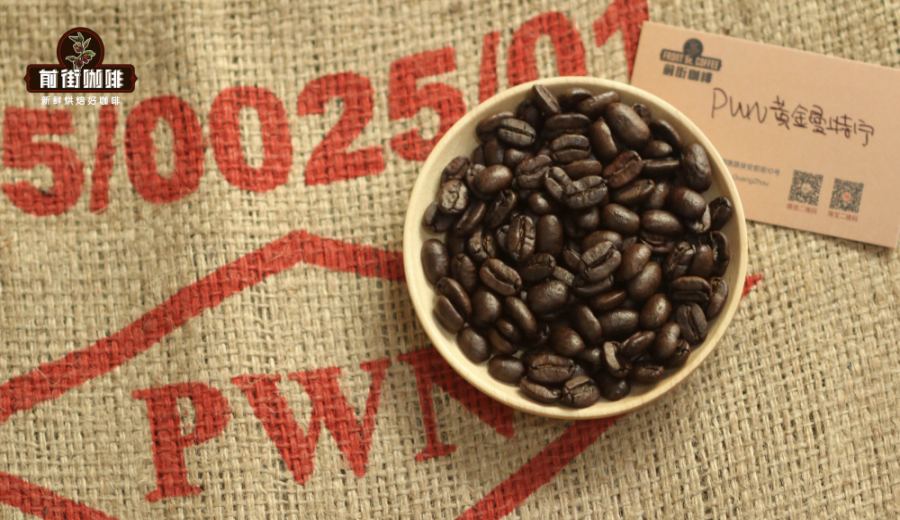
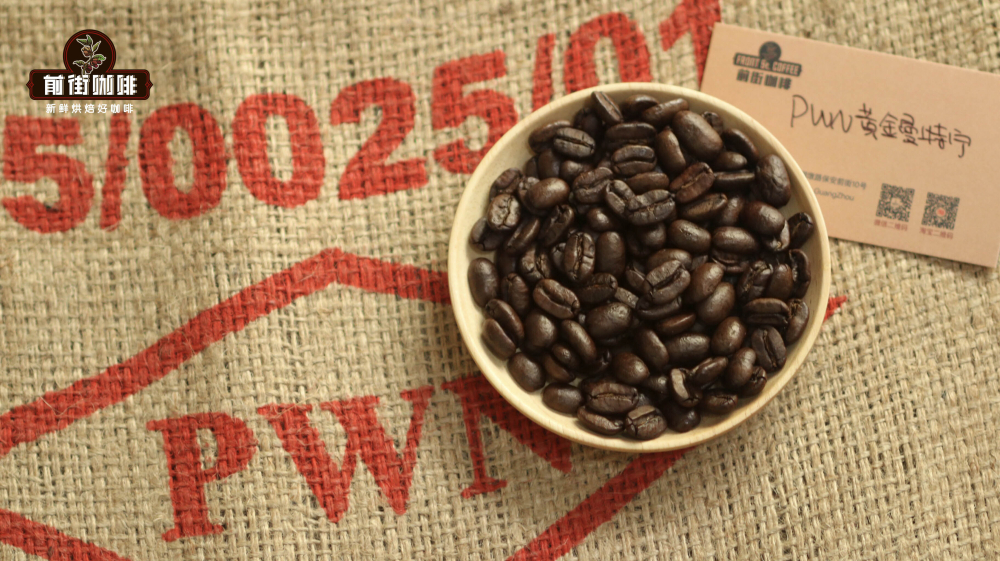
Golden Mandheling is arguably the top-tier representative of the Mandheling family, meticulously selected and crafted by the renowned Indonesian green bean exporter Pawani. In the past, it was mainly produced in the Lake Toba and Lintong regions, but in recent years, Pawani has turned its attention to the Gayo Highlands in the far north of Sumatra. This region, at an altitude of 1100–1600 meters, enjoys stable weather and fertile soil. Although it was previously limited in exports due to political factors, it has now become an emerging hub for high-quality coffee. The 2024 harvest of Golden Mandheling uses the locally adaptable Ateng variety (Indonesia’s term for Catimor), which undergoes strict screening and three rounds of manual bean selection to ensure the integrity and consistency of each green bean. Additionally, Golden Mandheling often comes with a PWN certificate and sack labeling, guaranteeing its authenticity.
The most representative processing method for Sumatran coffee is undoubtedly the “wet-hulling method.” Due to the region’s rainy and humid climate, lack of consistent sunlight, and high costs of washed processing equipment, farmers developed a unique process: first removing the skin and pulp, fermenting, then partially drying the beans to a moisture content of 30–50%, followed by removing the mucilage and parchment layer, and finally continuing to dry until the moisture content reaches 12–13%. This technique gives Mandheling its bold, rich, low-acid profile with distinctive earthy, spicy, and herbal aromas. Some Mandheling beans are further aged in storage for 2–3 years to develop a rounder sweetness and lower acidity, known as “aged wet-hulled Mandheling.”
In terms of roasting and brewing, Golden Mandheling, due to its strict bean selection and refined processing, offers a wider range of roasting interpretations. It is recommended to roast it just before the second crack to preserve its clear sweetness and spicy notes. For pour-over, a medium-dark roast is suggested, paired with medium-coarse grind (e.g., 57% passing through a #20 sieve), a 1:15 brew ratio, and water temperature around 88°C. Using a KONO filter to simulate the rich texture of a cloth filter, extract the bold, clean, and aromatic qualities of Mandheling through staged pouring.
The above content is compiled by CoffeeHunters, a coffee news website.


