







Introduction:From coffee cherry to a rich cup of pour over, the processing method is the behind-the-scenes hero that shapes coffee flavor. This article takes an in-depth look at four traditional techniques—natural (sun-dried), washed, honey (pulped natural), and semi-washed—explaining how each step influences acidity, sweetness, body, and clarity. It also includes classic single-origin beans for reference, helping you discover your preferred flavor profile.
From the moment coffee is picked from the tree to its final roast, the processing steps in between directly define the flavor profile of the beans. The four classic methods—natural, washed, semi-washed, and honey—each offer unique characteristics in terms of cost, acidity, sweetness, body, and clarity. This article starts with the structure of the coffee fruit, breaking down the full process, pros and cons of each method, and recommending representative beans from key regions to help coffee enthusiasts build a clear flavor understanding and precisely choose their personal pour over preferences.
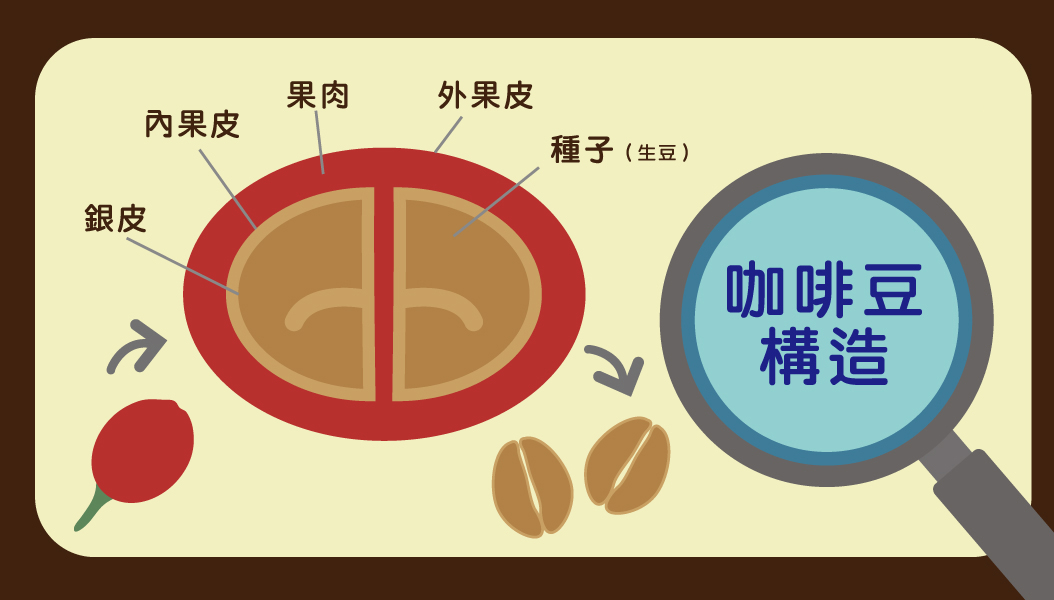
The series of processes that transform coffee cherries into roast-ready green beans are collectively called processing methods. Although numerous innovative processing technologies have emerged in the market, the truly widespread and stable ones remain the traditional methods: natural, washed, semi-washed, and honey. A coffee cherry is structured similarly to a cherry, with layers from the outside in: skin, pulp, mucilage, parchment (the seed's outer shell), silver skin, and at the very center, the seed we need. The mucilage, about 1–2 mm thick, is sticky and similar to the protective membrane around tomato seeds—it’s extremely difficult to remove completely. The green beans we commonly see are actually the innermost seeds, which sometimes still have trace amounts of silver skin attached.
Regardless of which processing method is used, the core goal is to remove the outer layers and extract the coffee bean. However, due to practical constraints such as cost and climate, specific procedures may vary—and these differences are precisely what shape the final flavor.
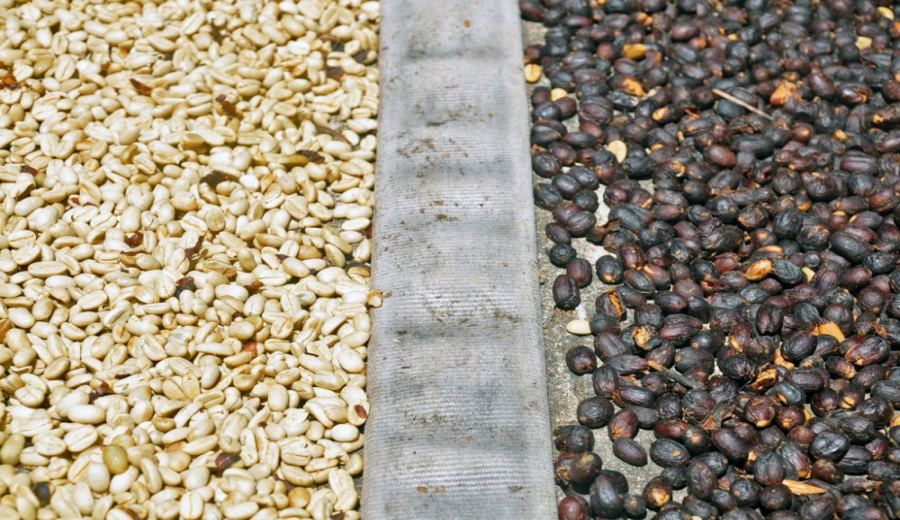
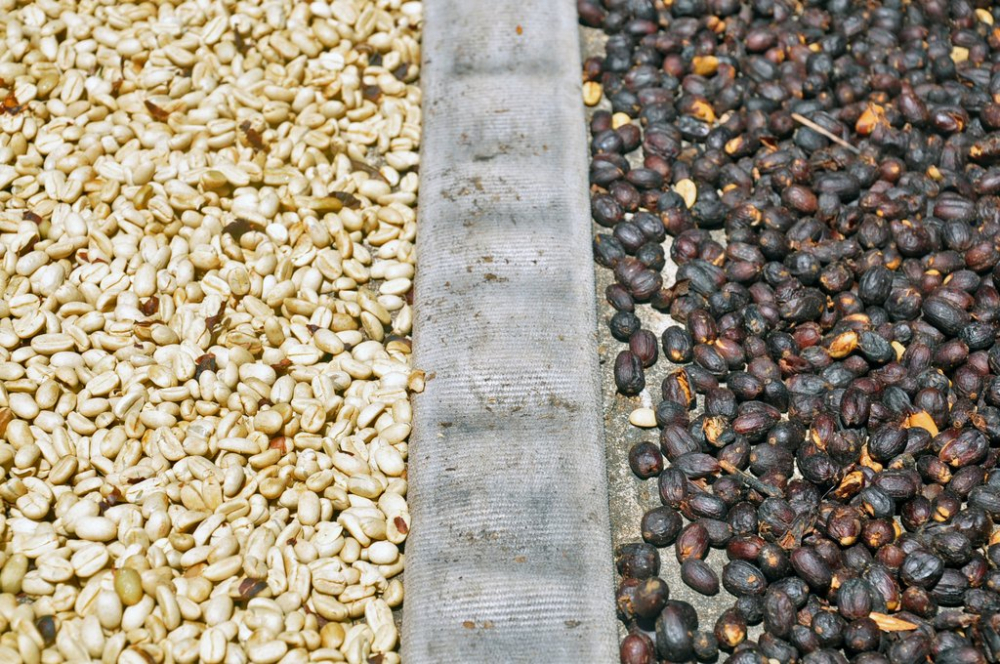
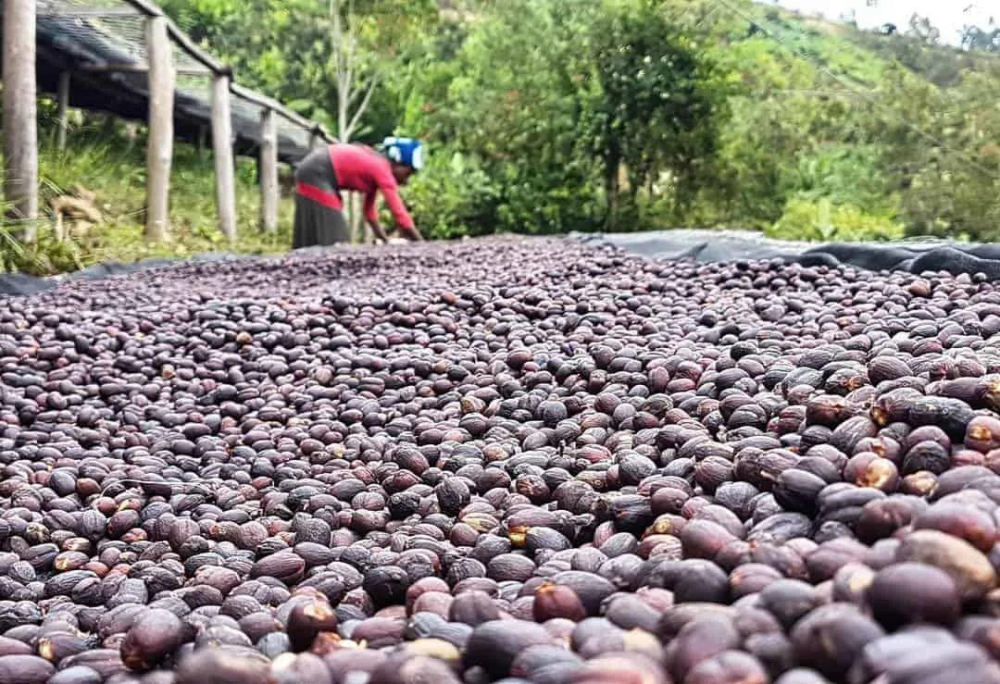
The natural (sun-dried) method is the most primitive and relatively simple green bean processing approach. First, a floatation test is conducted: harvested coffee cherries are poured into a water tank, where ripe, dense cherries sink, while underripe or overripe ones float and are removed. Next comes the sun-drying phase, where the entire fruit (including pulp, skin, and seed) is spread out on drying beds to dry naturally in the sun until the moisture content drops to about 12%. Depending on regional climate, this usually takes two to four weeks. Finally, a hulling machine removes the hardened skin, pulp, and parchment, revealing the green bean.
The advantages of the natural method include simple operation, low processing costs, and the fact that the beans, protected by the fruit, absorb the essence of the pulp during drying—often resulting in intense fruity aromas, pronounced sweetness, and a fuller body. However, in some regions, if floaters aren’t strictly sorted, quality can be inconsistent; during humid drying periods, the pulp may reabsorb moisture, mold, and contaminate the beans; additionally, machine hulling may cause surface defects on the beans.
Recommended beans: Ethiopia Guji Natural Huikui, grown at 2200–2250 meters altitude using local heirloom varieties. After medium-light roasting, it offers a complex flavor profile of tropical fruits, creamed strawberry, citrus, dried mango, caramel, and black tea.
The washed method is currently the most widely used green bean processing technique globally. Like the natural method, it begins with a floatation test, followed by sending fresh cherries through a depulper to remove the skin and pulp. Underripe cherries are discarded because their pulp is harder to separate. What remains is the mucilage-covered parchment seed. Then comes the fermentation stage: the seeds with mucilage are placed in water tanks where microbes break down the mucilage, typically taking 16 to 36 hours. Frequent stirring is required to speed up the process. Organic acids such as citric, malic, and acetic acid produced during fermentation penetrate the seeds, giving washed beans a brighter acidity compared to natural ones. After fermentation, the beans are rinsed clean and then dried by sun or machine until the moisture content reaches 12%. Since the pulp is removed early, washed beans are less prone to mold during drying, and the parchment is softer, making it easier to hull.
The benefits of the washed method include typically dark green, uniform bean appearance, bright and prominent acidity, and an overall clean and refreshing flavor. However, its drawbacks are high water consumption—processing 200 grams of green beans requires about 1 kg of fruit and 2 to 10 liters of clean water—and relatively higher cost.
Recommended beans: Ethiopia Yirgacheffe Washed Gedi, grown at 2100 meters altitude using local heirloom varieties. It has a clean flavor profile dominated by citrus, jasmine, honey, and berries, with particularly notable acidity and floral notes.
The semi-washed method (also known as pulped natural or semi-natural) is a modified process designed to reduce the water usage of the traditional washed method. Its first two steps are the same as the washed method: floatation screening and pulp removal. However, instead of relying on fermentation, the third step uses a mechanical mucilage remover to strip off the mucilage directly. Then the beans are dried by sun or machine until the moisture content reaches 12%. The flavor of semi-washed beans falls between that of natural and washed beans—not as acidic as washed beans, and slightly less sweet than natural ones.
The advantage of the semi-washed method is that it maintains the cleanliness of the washed method while significantly reducing water usage. Its downside is that the process is similar to the washed method and remains relatively complex.
Recommended beans: Brazil Cerrado Semi-Washed Coffee, using the Red Bourbon variety grown at 1600 meters altitude. It features flavors of nuts, cream, chocolate, and caramel, with a mild and balanced mouthfeel.
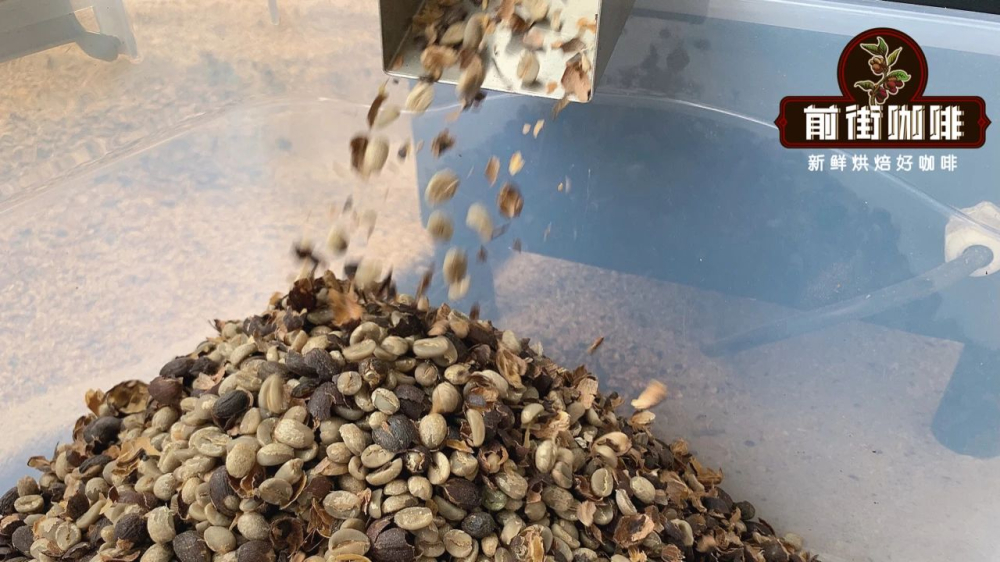
The honey (pulp natural) method (scientific name: pulp natural), though similar to wet processing in that it first removes the thick skin, is distinctive in that it retains the sticky mucilage layer beneath, dries it without fermentation, and only removes the mucilage and outer parchment layer afterward. This method enhances the coffee’s body and sweetness (also called honey process or miel process in English), while relatively reducing acidity and producing more delicate aromatic notes.
However, the honey process also presents challenges: in the early drying stage, because the sticky mucilage remains on the bean surface, frequent turning is required to prevent clumping—this demands more labor than standard washed processing. Inadequate drying can lead to over-fermentation, while insufficient turning, humid environments, or overly thick mucilage layers may cause mold. Therefore, some farms use machines to control mucilage thickness, ensuring drying efficiency and flavor consistency. Additionally, compared to wet processing, honey processing requires more space and longer drying times.
Recommended beans: Costa Rica Tarrazú Honey Blackberry, using the Catuai variety grown at 1800 meters altitude. It’s a black honey process bean, showcasing layered sweetness with notes of floral, blueberry, grape, sweet orange, and caramel.
The above content is compiled by CoffeeHunters, a coffee news website.


