







Introduction:Pour over and espresso are two fundamentally different brewing methods, not only influencing coffee flavor but also determining which drinking experience suits you best. This article provides a comprehensive analysis of the differences and characteristics between the two, covering coffee bean types, extraction principles, equipment selection, parameter settings, and even low-temperature brewing methods such as cold drip and cold brew. Whether you're new to coffee or an enthusiast looking to improve your brewing skills, you’ll gain essential knowledge here to help identify your ideal coffee style.
What exactly is the difference between pour over coffee and espresso? These two mainstream brewing methods each showcase a rich and diverse side of coffee. This article will delve into a detailed comparison of their differences in coffee bean selection, extraction methods, concentration levels, and caffeine release. It will also guide you through the making of espresso, practical pour over techniques, and the unique charm of cold drip and cold brew—two low-temperature extraction methods. With detailed parameters and practical advice, it helps you gain a more holistic understanding of the coffee world. Whether you’re a beginner or an advanced enthusiast chasing nuanced flavors, you’ll find useful insights here.
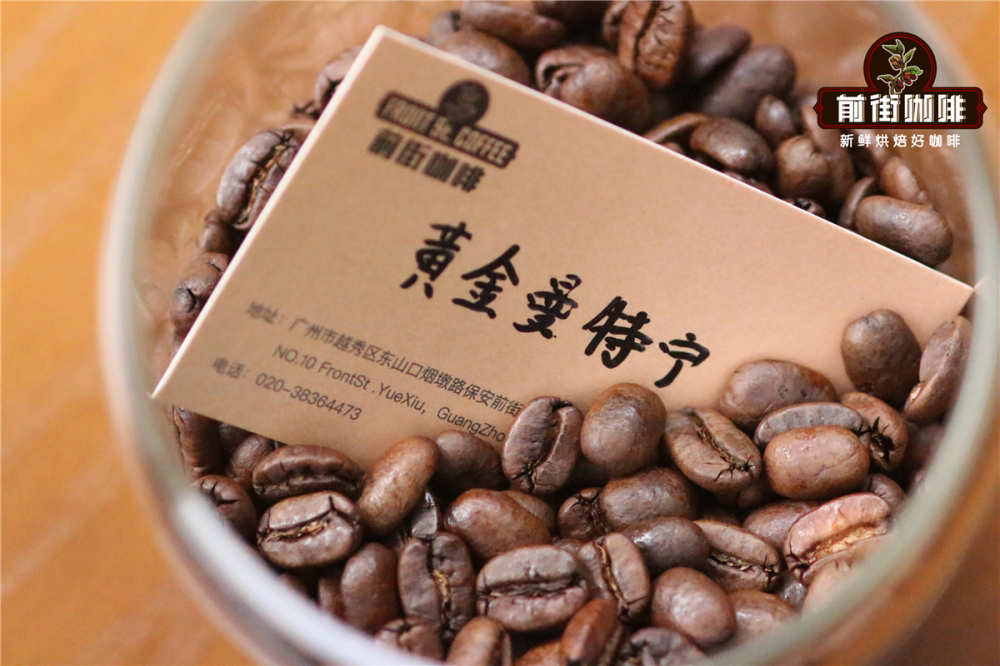
First, starting with coffee bean selection, pour over coffee generally uses single-origin beans, often roasted to a light to medium level to highlight the bean’s regional characteristics and clean flavors. Some coffee enthusiasts also enjoy using pour over to brew dark roast beans, exploring different taste profiles. On the other hand, espresso mostly uses blends made from multiple single-origin beans. These blends are typically roasted darker so that when mixed with milk or hot water, they still deliver a rich mouthfeel and bold base note. Since espresso extraction relies on high pressure, selecting the right blend and a professional-grade grinder are fundamental to making a high-quality espresso.
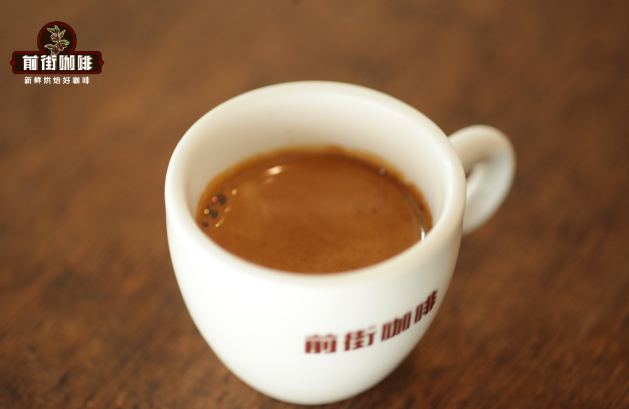
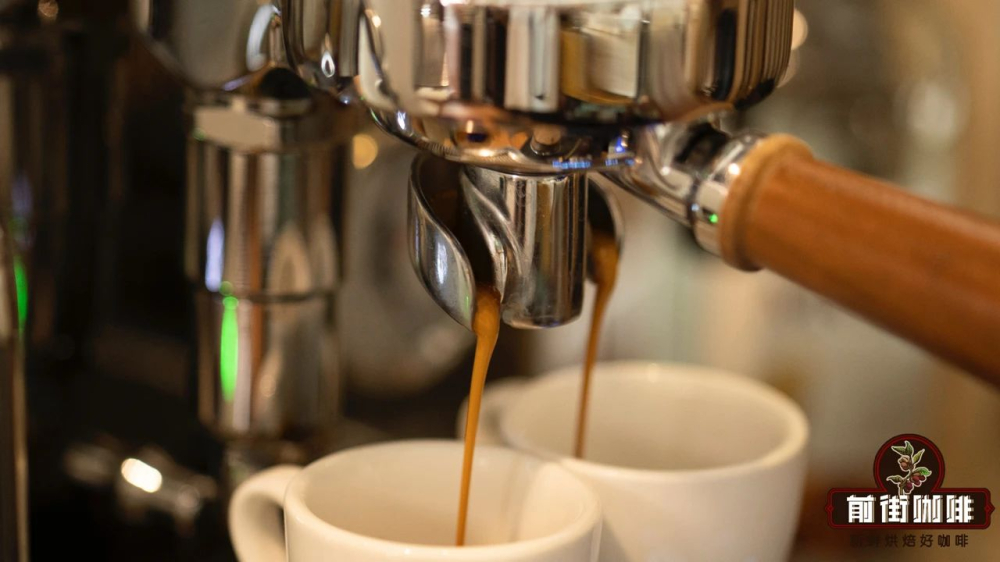
In terms of brewing method, pour over is usually done under normal atmospheric pressure, where hot water slowly drips through the coffee grounds via a filter. The extraction process is gentle and controllable. Some advanced users may employ tools like a moka pot or AeroPress, which can generate about 3 bar of pressure. Espresso, however, is entirely different—it must be extracted using an espresso machine under approximately 9 bar of high pressure. Under such pressure, the coffee puck is subjected to intense force, releasing a large amount of substances that are normally difficult to dissolve, resulting in a richly flavored, thick-bodied espresso with a luxurious crema. This makes espresso particularly suitable for adding milk to make a latte, or diluting with water to create an Americano.
When it comes to caffeine content, many people assume that strong-tasting espresso must contain more caffeine. In reality, assuming equal coffee dosage and grind size, caffeine being water-soluble means the longer the extraction time, the more caffeine is dissolved. Generally, pour over coffee takes about 1 to 3 minutes to brew, while espresso only takes 20 to 30 seconds. Therefore, under the same conditions, pour over coffee often releases more caffeine. This also implies that long-extraction methods like cold drip or cold brew may have significantly higher caffeine levels than typical hot brewing methods, making them a hidden favorite for those seeking a stronger caffeine kick.
Next, let’s take a closer look at the parameters and process for making espresso. Taking a common commercial espresso machine as an example, a machine equipped with pressure regulation can steadily provide an extraction pressure of over 9 bar, and a good home model should maintain at least 9 bar. A standard double shot basket typically uses about 18 to 20 grams of coffee grounds. Some shops use 20 grams of coffee beans and extract 40 grams of espresso at a 1:2 coffee-to-water ratio, with an extraction time usually controlled between 20 to 35 seconds. Too short a time can lead to underdeveloped flavors, while too long can over-extract, resulting in bitter, burnt notes. In practice, the coffee grounds are first tamped firmly, then pre-wetted with a small amount of hot water to moisten the filter and coffee bed before beginning the official extraction. By observing flow rate and time, you ultimately achieve an espresso that is rich in crema and concentrated in aroma.
As for pour over brewing at home, you’ll typically need basic equipment such as a pour over kettle, filter cone, server, grinder, filter paper, digital scale, and thermometer. Take a high-altitude, medium-light roasted bean like Yirgacheffe, for instance. To bring out its bright floral and fruity notes, it’s recommended to use a grind size with 80% passing through a #20 sieve, equivalent to setting 10 on an EK43s grinder, with water temperature kept between 91–93°C. For filter cones, a V60 No. 01 made of resin material is a popular choice among many pour over enthusiasts. Regarding pouring technique, beginners might start with the three-pour method: the first pour adds a small amount of hot water for a 30-second bloom, followed by the second pour where the majority of the water is poured steadily, and finally the third pour to add the remaining water. The overall coffee-to-water ratio is suggested to be 1:15—for example, 15 grams of coffee to 225 milliliters of water—with total extraction time around 2 minutes. This segmented pouring method helps achieve even extraction, avoiding over- or under-extraction in localized areas.
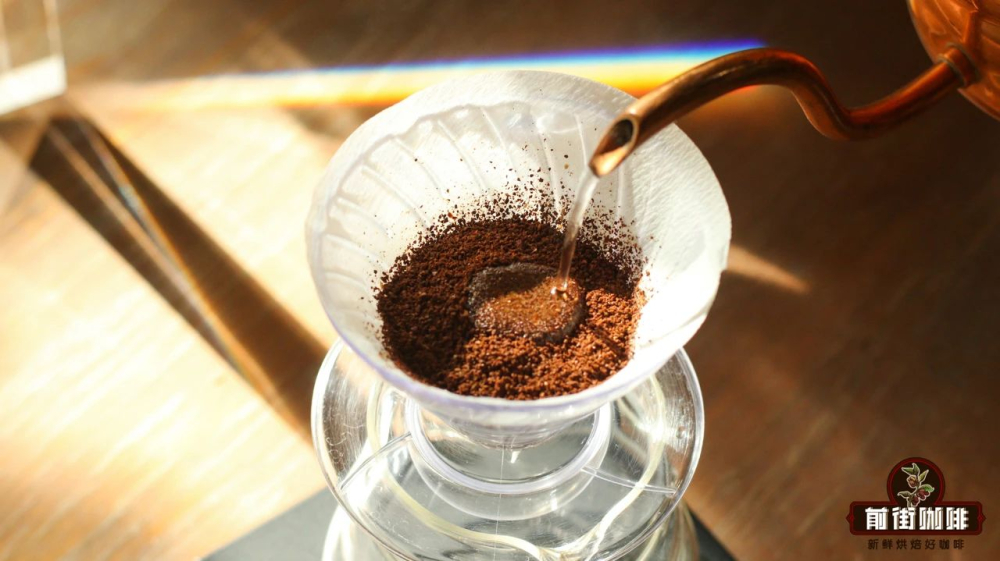
The charm of pour over coffee lies in its high degree of customization and interactivity. From coffee bean variety and roast level, to grind size, water temperature, pouring technique, and time—each variable can bring subtle changes to the flavor. This hands-on exploration allows each coffee lover to discover their favorite flavor combinations, which is also a key reason why the pour over trend continues to grow.
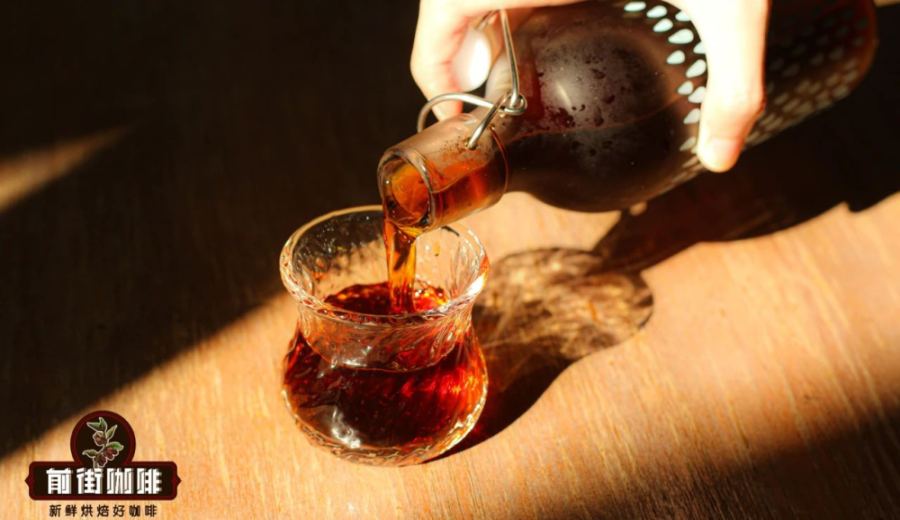
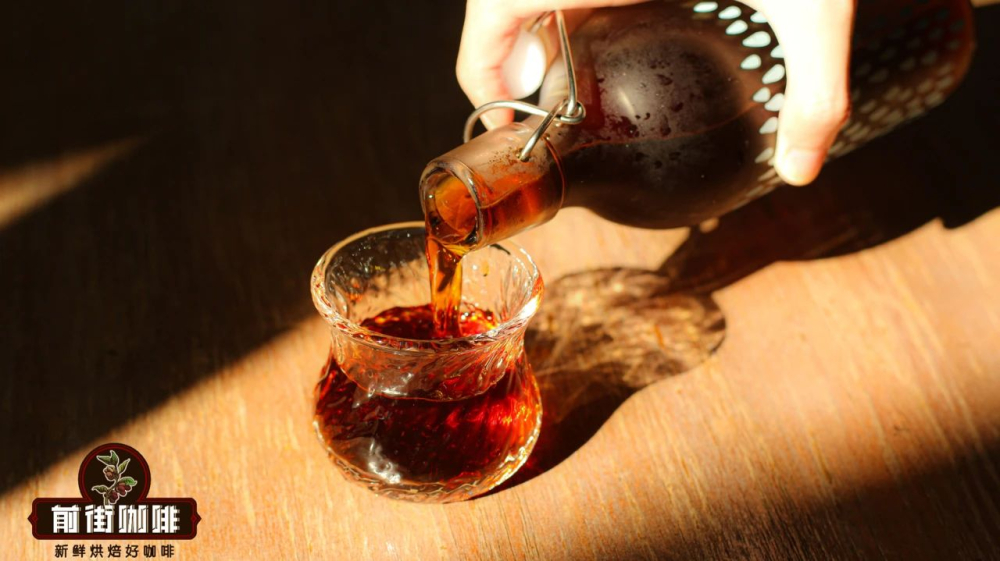
Beyond hot brewing methods, low-temperature extraction has also garnered significant attention in recent years, with cold drip and cold brew being the most popular. Cold drip coffee uses ice water below 5°C, dripping slowly through coffee grounds over 6 to 8 hours, followed by 8 to 12 hours of resting and maturation, ultimately yielding a coffee liquid with delicate layers, clear flavors, and a clean profile. Cold brew, on the other hand, involves mixing ground coffee with cold water and letting it steep in a low-temperature environment for at least 12 hours, after which it's simply filtered for drinking. This method is simpler and requires no additional fermentation steps, often resulting in a smoother, rounder taste. Each method has its fans—if you value convenience, cold brew is a great option; if you’re after ultimate flavor complexity and layers, cold drip is worth the investment.
The above content is compiled by CoffeeHunters, a coffee news website.


