







Introduction:Deep-roasted Indonesian Mandheling coffee is often perceived as having an intense and even bitter taste. However, by mastering the correct brewing techniques, it can reveal a rich body and layered flavors. This article delves into the key factors that influence coffee body, from bean variety and processing method to roast level, and provides practical pour-over parameter recommendations. It teaches you how to brew oily yet smooth dark-roast coffee using a flannel filter and Japanese techniques. A bean selection guide is also included to help you easily find your own ideal bold flavor profile.
Indonesian coffee is renowned for its bold and full-bodied taste, especially Mandheling and the legendary civet coffee, which are considered benchmarks of richness among many coffee enthusiasts. But what exactly creates the "body" of coffee? In fact, every step—from the coffee bean variety, growing altitude, and processing method, to roasting and the final brewing technique—affects the final body and flavor experience in the cup.
The so-called body refers to the texture and weight that coffee delivers in the mouth, often referred to as “mouthfeel.” A coffee with a full body offers a noticeable texture upon drinking, neither watery nor thin. On the other hand, improper extraction may result in astringency or overly harsh burnt bitterness. Understanding these influencing factors can help you more accurately select and brew coffee with your desired flavor.
First, the coffee variety itself affects body. For example, Robusta beans, though often considered less refined in flavor than Arabica, are known for their natural boldness and rich oils—traits that explain why some blends include small amounts of Robusta to enhance intensity. In addition, the altitude at which coffee is grown is also a key factor. Generally speaking, the higher the altitude, the denser the coffee beans and the more concentrated the flavors. Arabica beans grown above 1,200 meters are generally believed to have the potential to produce high-quality coffee.
Processing methods also play an important role. The natural (dry) process ferments the entire coffee fruit together, yielding richer and rounder flavors; the honey process retains varying degrees of mucilage, resulting in relatively higher body; while the washed process is known for its clean and bright flavors, usually with a lighter body. Though all three processing methods influence taste, the factor that most directly alters coffee body is the roast level.
Roasting is one of the most significant factors determining coffee body. Generally, the longer the roast time and the more developed the roast, the more pronounced the caramelization reaction, and the more evident the coffee’s body. For example, compared to lightly roasted Kenyan AA, medium-dark roasted Mandheling is noticeably fuller in the cup. However, if roasting is pushed too far without restraint, it can easily lead to monotonous burnt bitterness, undermining the intended layers and aromas.
Overall, dark-roasted beans typically possess a richer body than light-roasted ones, and within the same roast level, sun-dried processed beans often exhibit more body than washed-processed ones. In one coffee shop's bean menu, several medium-dark roasted beans with outstanding body include Lintong Mandheling, Blue Mountain No.1, Queen Estate, and 2013 Sun-Dried Typica (Yunnan Coffee); for those preferring medium-light roasts but still seeking decent body, options like Sun-Dried Red Cherry, Kenyan Tomato, and Hua Kui are worth considering.
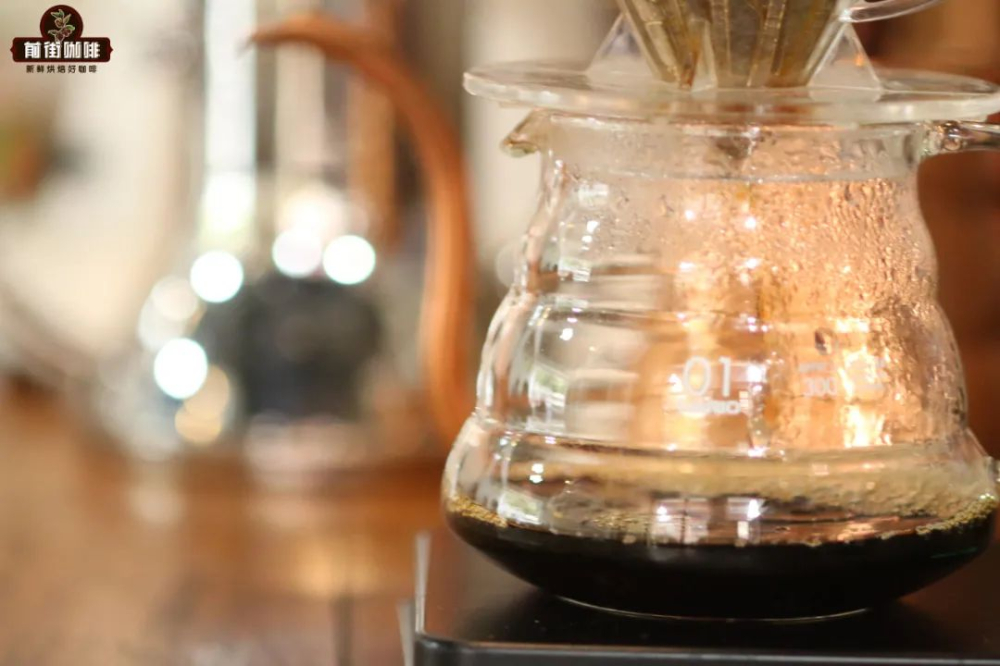
Choosing the right beans is just the first step. Equally critical is how to use the correct brewing method to highlight the coffee’s body and oils. The oils in dark-roasted coffee are key to delivering a lush mouthfeel, so it is recommended to use a flannel filter for pour-over. Compared to paper filters, flannel retains more oils, making the coffee body more rounded and the flavors smoother.
In terms of brewing techniques, popular Japanese methods such as the Kawahara-style or Matsuya-style are particularly well-suited for showcasing the rich characteristics of dark-roasted coffee. These techniques typically emphasize low-temperature slow extraction, reducing the risk of over-extraction and avoiding excessive release of bitter substances, while still bringing out deep caramel and chocolate notes. It is suggested to control the water temperature around 88–92°C during brewing, with a coffee-to-water ratio set between 1:12 and 1:15, adjusted according to personal taste.
In summary, to enjoy a full-bodied yet non-bitter experience from dark-roasted coffees like Mandheling, the key lies in understanding the various factors that affect body, and through appropriate bean selection and pour-over techniques, perfectly presenting the coffee’s oils and layers. Whether you’re a beginner or an experienced coffee enthusiast, mastering these tips will allow you to enjoy a deeper level of coffee pleasure with every brew.
The above content is compiled by CoffeeHunters, a coffee news website.


