







Introduction:Drip bags combine convenience with freshness, making them a daily favorite for many coffee enthusiasts. However, to brew a drip bag coffee with balanced flavors, factors such as pouring rhythm, water temperature control, and milk addition choices are key. This article details the brewing parameters for drip bags, including the coffee-to-water ratio, blooming time, and segmented pouring techniques. It also shares recommendations for milk pairings and introduces the flavor profiles of several specialty single-origin drip bags to help you find the one that suits your taste best.
Thanks to their portability and ability to deliver freshly ground coffee flavors, drip bags have become a daily choice for many coffee lovers. Yet, to brew an outstanding cup, mastering the correct pouring technique, water cutoff timing, and milk pairing is essential. Starting from basic brewing parameters, this article delves into key steps like water temperature control, blooming time, and segmented pouring rhythm, and offers practical advice on adding milk after extraction. Additionally, it discusses considerations such as freshness and flavor diversity when selecting premium drip bags, while introducing the unique flavor characteristics of several specialty single-origin options to help you find your perfect match.
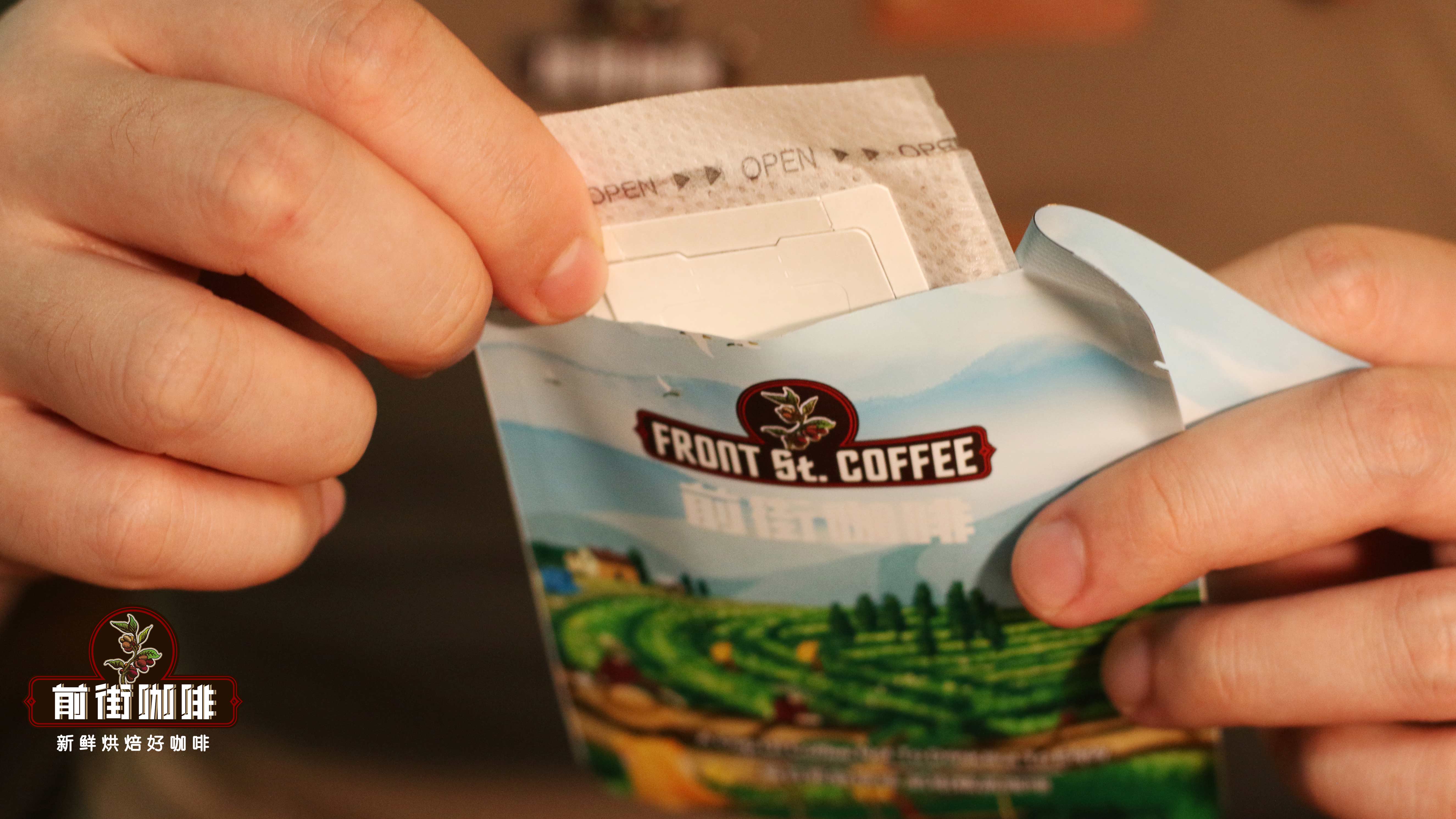
After getting a fresh pack of drip coffee, the first step is to check the net weight of the coffee grounds on the packaging, which is usually10 grams, so there's no need to prepare a grinder or scale separately. Next, decide on the water volume and temperature. It’s recommended to use acoffee-to-water ratio of 1:15 to 1:16, resulting in about140 to 150 millilitersof final brewed coffee. For water temperature,around 90°Cis the ideal range. If you have a thermometer or temperature-controlled kettle, you can control it precisely; if not, you can boil the water, turn off the heat, and lift the lid, letting it sit for2 to 3 minutes(at room temperature of 28°C), after which the water temperature will naturally drop to about 90°C.
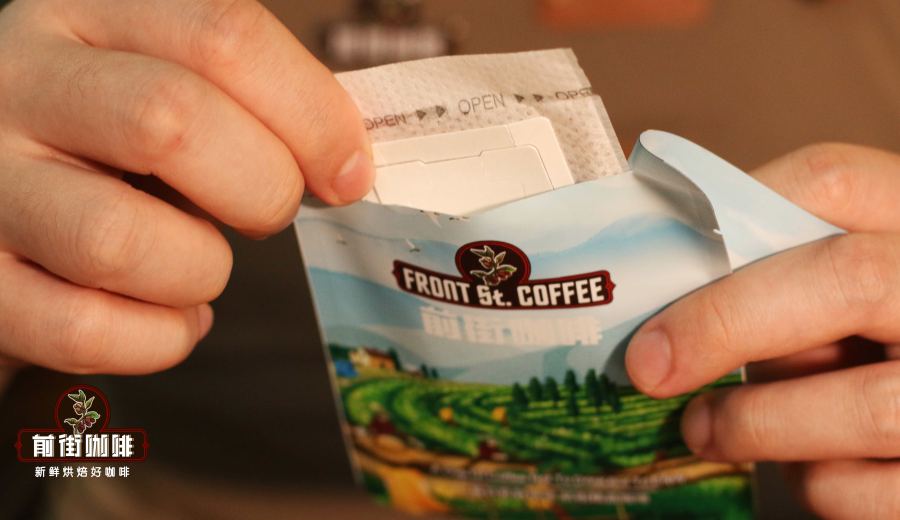
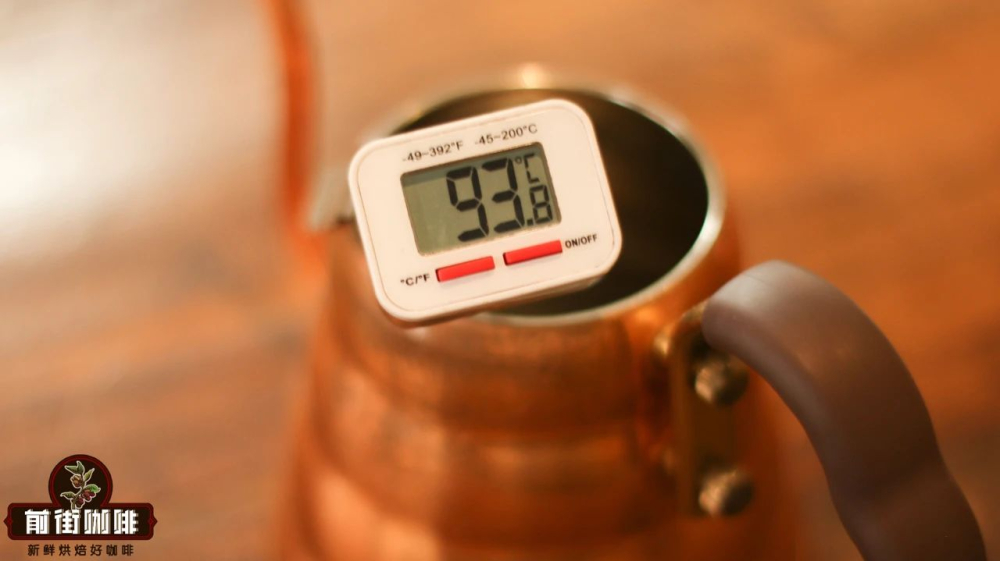
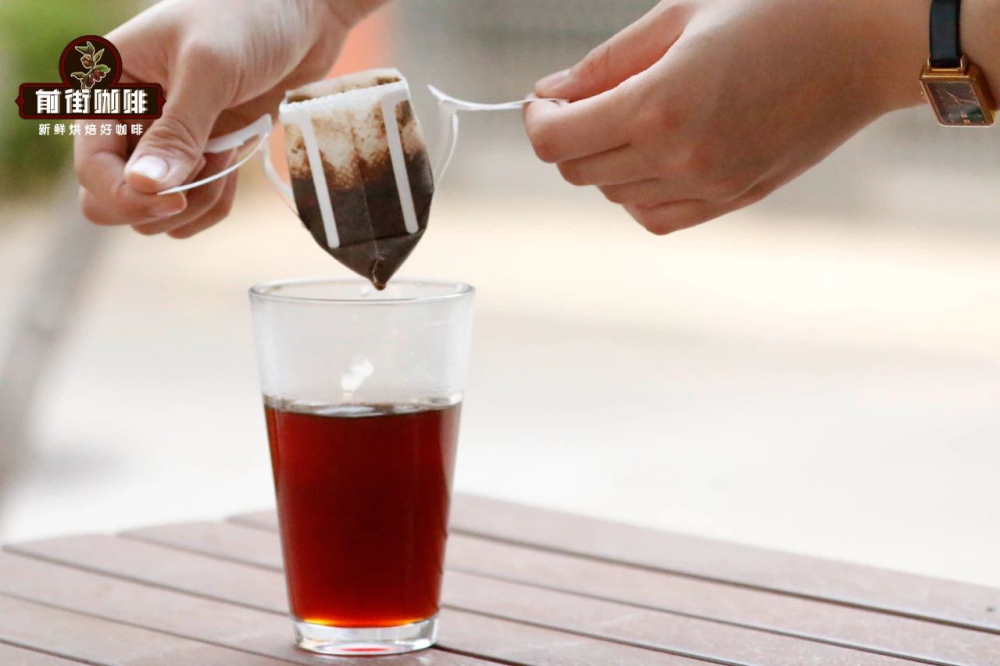
Once ready, take out the drip bag and tear open the sealed opening. Unfold the “ears” on both sides of the filter pouch and place it securely on the rim of a mug or cup. Gently shake to level the coffee grounds. The first step is blooming: wet the coffee grounds completely with a small amount of hot water, then let it sit for30 seconds. This step helps awaken the aromatic compounds in the coffee. After blooming, begin the second pour. It’s recommended to use a small stream and circle the pour. Once the coffee bed slightly sinks, continue pouring, repeating this until the total brewed coffee volume reaches140 to 150 milliliters, then you can remove the drip bag and enjoy.
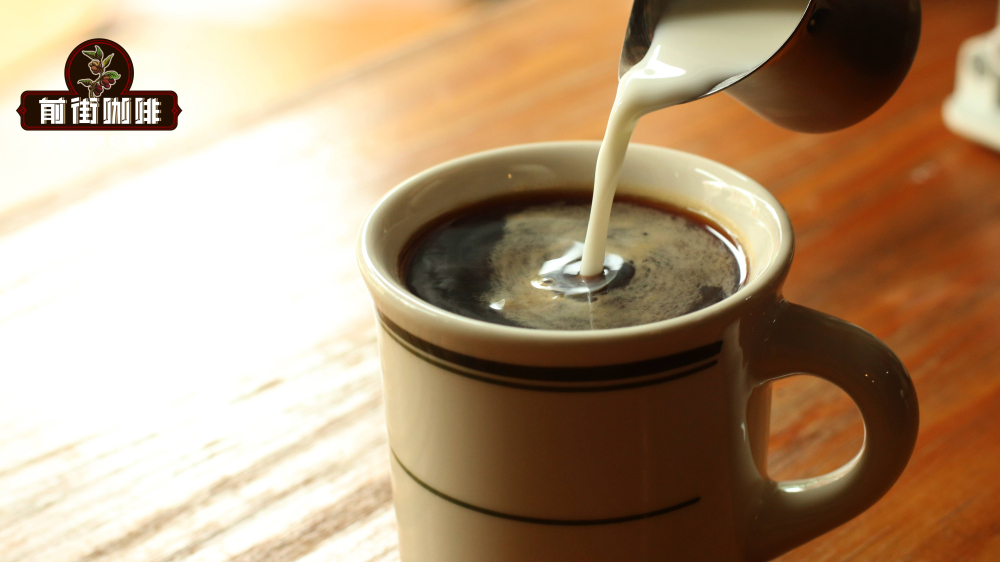
For more precise water control, you can pre-pour150 to 160 millilitersof water into the pouring kettle, then pour all of it during brewing. Once the coffee has completely filtered into the cup, remove the drip bag. The entire brewing process takes about1 minute. After extraction, remove the coffee grounds along with the drip bag, and you can start enjoying your coffee. If you prefer a milk coffee, you can add about1/3 cup of milkaccording to your taste, stir well, and enjoy. This way, you can appreciate the rich aroma of the coffee while also experiencing the smooth texture brought by the milk.
When choosing premium drip coffee, two key details are worth noting: the coffee’sfreshnessandflavor diversity. After roasting, coffee beans continue to release gases and lose aroma. The optimal flavor window is usually within40 daysof roasting. Once ground, the rate of aroma loss accelerates, and after10 days, the flavor noticeably declines. Therefore, it’s recommended to choose drip bags roasted within5 daysprior to ensure the best aroma performance.
If you’d like to try different flavor profiles, you can opt for single-origin drip bags from various regions. For example, theEthiopia Huika Sun-Dried Drip Baguses high-quality sun-dried beans from the Sidamo · Guji-Hambella region, offering intense tropical fruit and berry aromas with a balanced sweet-and-acid profile and rich layers.The Yunnan Typica Drip Bagexcels in balanced flavor, characterized mainly by nutty and brown sugar notes, making it suitable for those who prefer lower acidity.The Yirgacheffe Red Cherry Sun-Dried Drip Baghighlights fully ripe coffee cherries. Processed via sun-drying, it presents distinct citrus acidity and a honey aftertaste, with a prominent sweetness.
Other recommendations include theBrazil Queen Estate Drip Bag, sourced from a high-altitude region and featuring sugarcane-like sweetness with aromas of nuts, cream, and peanuts; as well as theIndonesia PWN Golden Mandheling Drip Bag, which undergoes strict selection and offers clean, gentle flavors with complex layers of spices, herbs, and caramel. These drip bags not only showcase the unique terroirs of each origin but also cater to diverse taste preferences among coffee drinkers.
The above content is compiled by CoffeeHunters, a coffee news website.


