








Introduction:Africa is the birthplace of global coffee, home to numerous regions with distinctive flavor profiles, particularly Ethiopia and Kenya, renowned for their vibrant acidity and unique processing methods. This article will delve into the major coffee-producing countries including Ethiopia, Kenya, Burundi, Rwanda, and Tanzania, analyzing how altitude, varieties, and processing techniques influence flavors, and introducing representative coffee lots to help you find the most suitable African beans based on your flavor preferences.
As the birthplace of coffee, Africa not only boasts a long history of cultivation but also nurtures many regions with distinct coffee flavors. Among them, Ethiopia and Kenya have become stars in the specialty coffee scene due to their unique natural conditions and processing craftsmanship. From bright citrus acidity to rich berry notes, the diverse flavors of African coffee are captivating.
The overall flavor profile of African coffee is typically characterized byhigh acidity and abundant fruity aromas,with some lots also exhibiting floral, honey, or even fermented notes. However, some regions, due to dry climates, generally have lower body and less pronounced sweetness. This is related to the prevalent use of natural processing methods and higher defect rates in green beans. Understanding these characteristics can help us better appreciate and select African coffees.

Next, we will systematically introduce the major specialty coffee-producing countries in Africa, covering geographical environment, variety distribution, processing methods, and commonly seen representative lots on the market, to help you build a comprehensive understanding of African coffee.
1. Ethiopia: The Genetic Treasury of Coffee
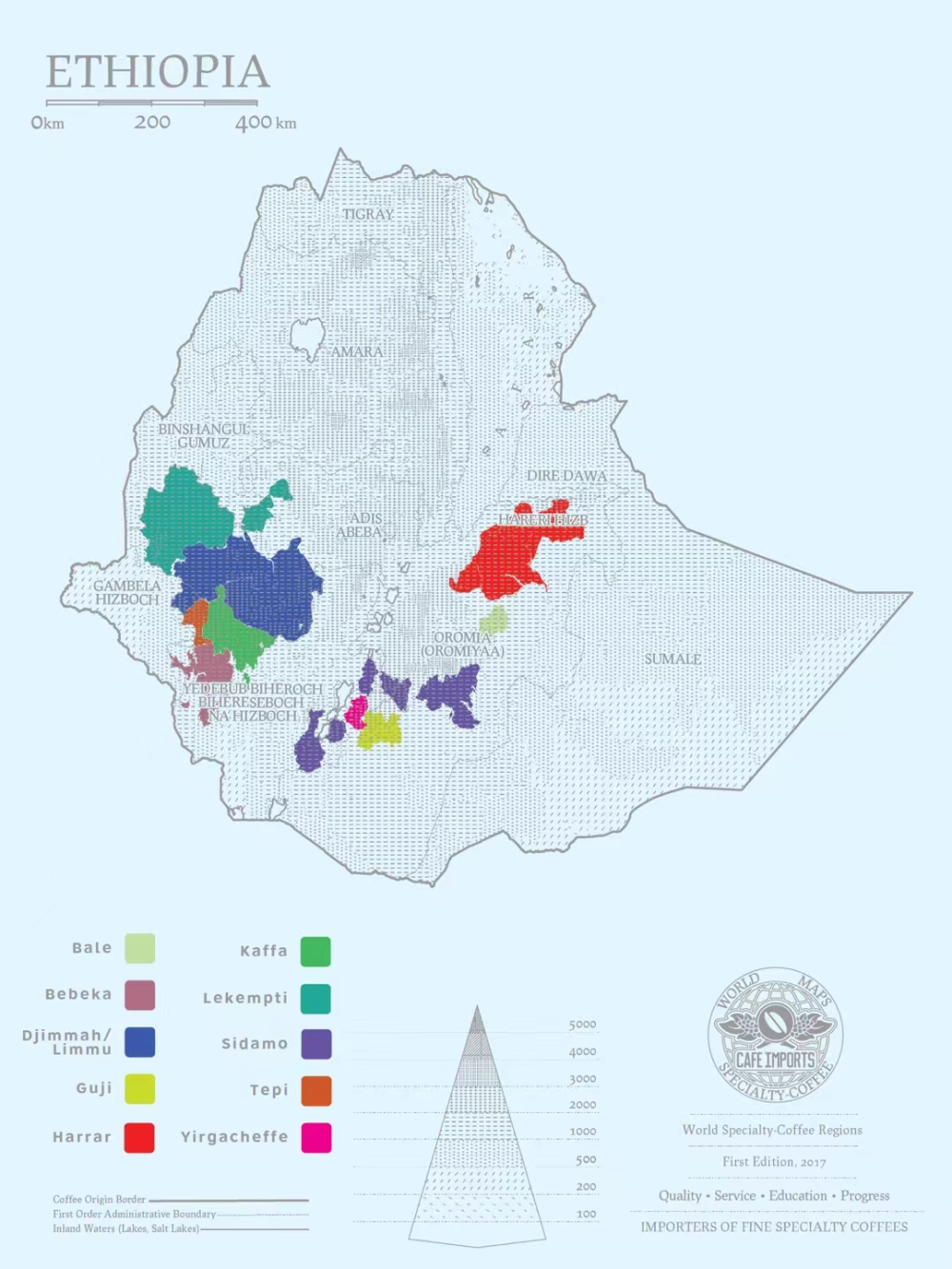
Ethiopia is widely recognized as the birthplace of coffee, where it has been integrated into the culture and daily life for centuries. Over 1.2 million smallholder farmers rely on coffee cultivation for their livelihoods, with each farm typically less than 4 hectares in size, and altitudes ranging approximately between 1,000 to 2,300 meters. This smallholder structure contributes to the diversity and regional distinctiveness of Ethiopian coffee.
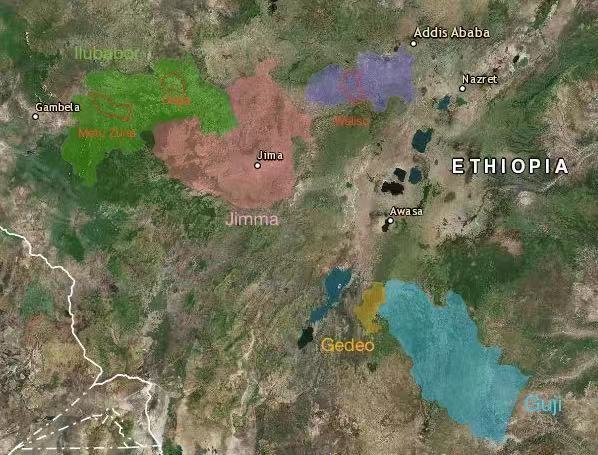
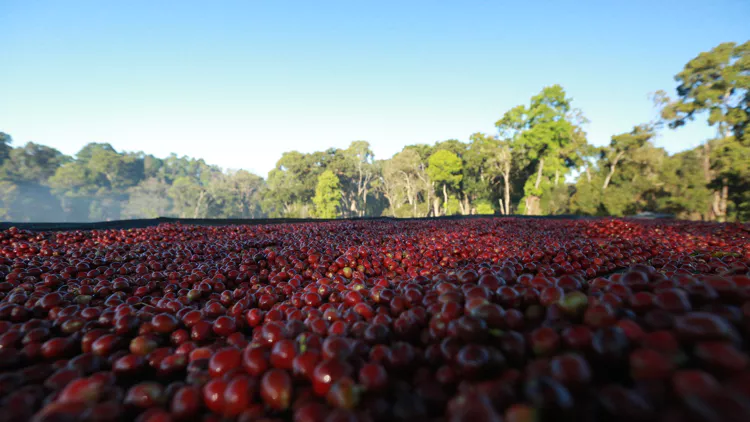
Major producing regions include Yirgacheffe, Sidamo, Kaffa Forest, Guji, Gimbi, Illubabor, Harrar, and Limu. Among them, Yirgacheffe sits at an altitude of 1,700–2,100 meters with a cool and humid climate, making it one of the most suitable regions in the world for coffee cultivation. The local “Red Cherry Project” emphasizes harvesting only fully ripe red cherries, further enhancing quality.
Ethiopian coffee farming can be categorized into forest coffee (8–10%), semi-forest coffee (30–35%), garden coffee (50–55%), and plantation coffee (5–6%). Garden coffee is the most common production model and the primary source of native varieties.
Ethiopian coffee varieties are often referred to as “Heirloom native varieties,” which is not a single variety but a collection of hundreds of uncategorized local types, commonly found in garden coffee. These beans, sourced from different farmers with mixed varieties, may vary in bean size, appearance, and flavor from lot to lot, offering surprises and diversity.
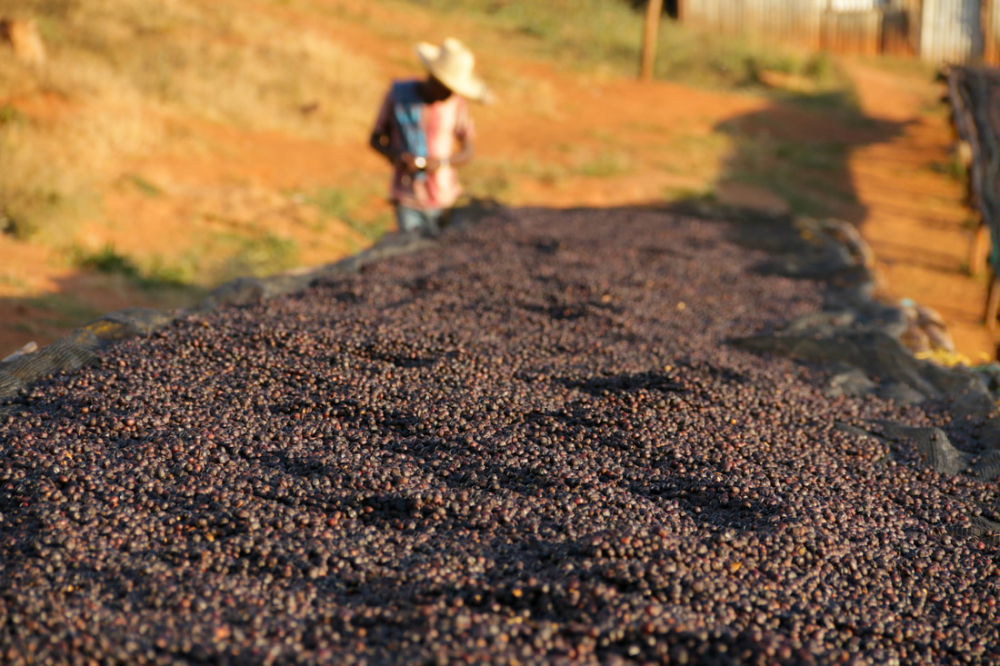
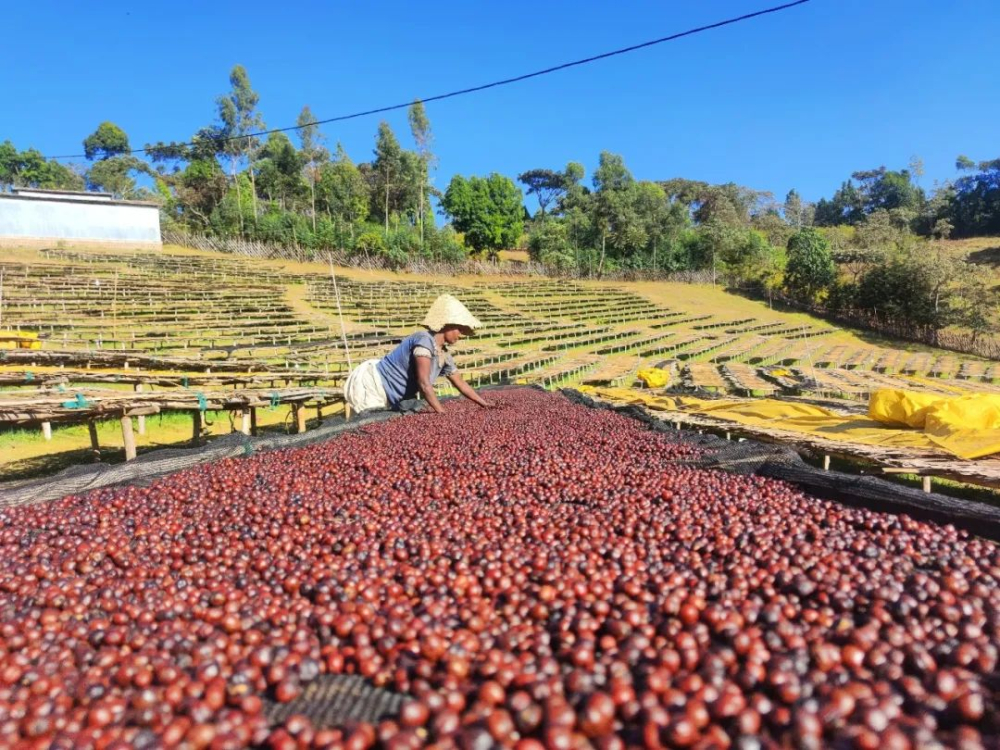
In terms of processing, Ethiopia primarily usesnatural and washed methods,with innovative techniques like honey and anaerobic processing emerging in recent years. Natural processing often yields intense fruitiness and wine-like notes, while washed processing highlights clean citrus and berry profiles.
Natural processing: Commonly seen in arid regions such as Harrar or certain Yirgacheffe lots. Flavors often include apricot, berries, red wine, and strong fermented notes.
Washed processing: Requires stable water sources, yielding clean and bright flavors dominated by lemon, grapefruit, and jasmine, with pronounced acidity.
Honey processing: A middle ground between natural and washed, retaining some mucilage, resulting in rounded flavors with honey and caramel sweetness.
Next, we introduce several representative Ethiopian coffees:
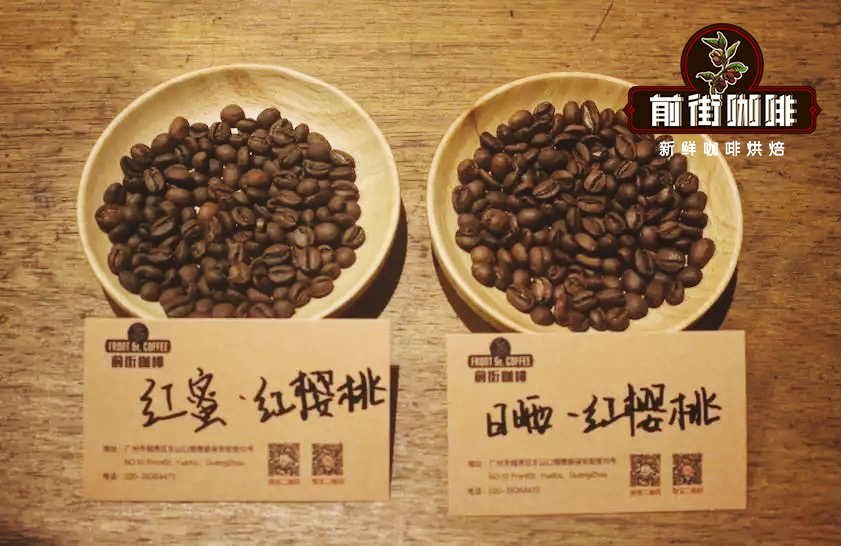
Yirgacheffe Red Honey Red Cherry: Produced at 2,000–2,200 meters altitude, using red honey processing, with flavors of jasmine, citrus, honey, berries, and wine fermentation. The red honey process retains about 75% mucilage, contributing to richer sweetness and layered fermentation notes.
Yirgacheffe Natural Red Cherry: At 2,300 meters altitude, fully sun-dried, with flavors of berries, lemon, strawberry, and distinct wine notes, featuring a bright acidity and medium body.
Yirgacheffe Washed Guji Diding: At 1,900–2,300 meters altitude, washed processed, presenting a balanced profile of tropical fruits, cream, and citrus, representing the classic washed style of Yirgacheffe.
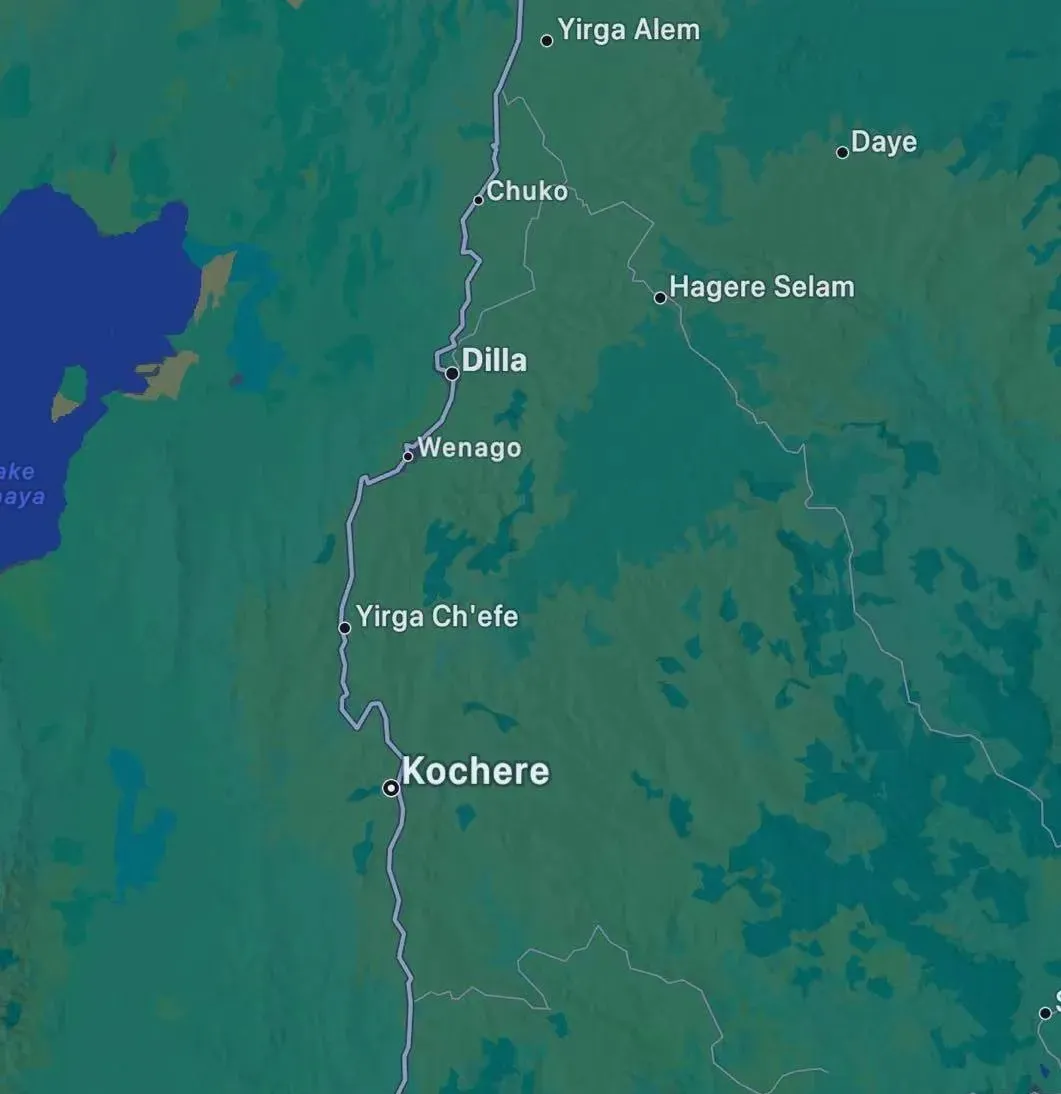
Kochere: A sub-region of Yirgacheffe, washed processed, known for citrus, bergamot, and honey notes, once awarded 94 points by Coffee Review.
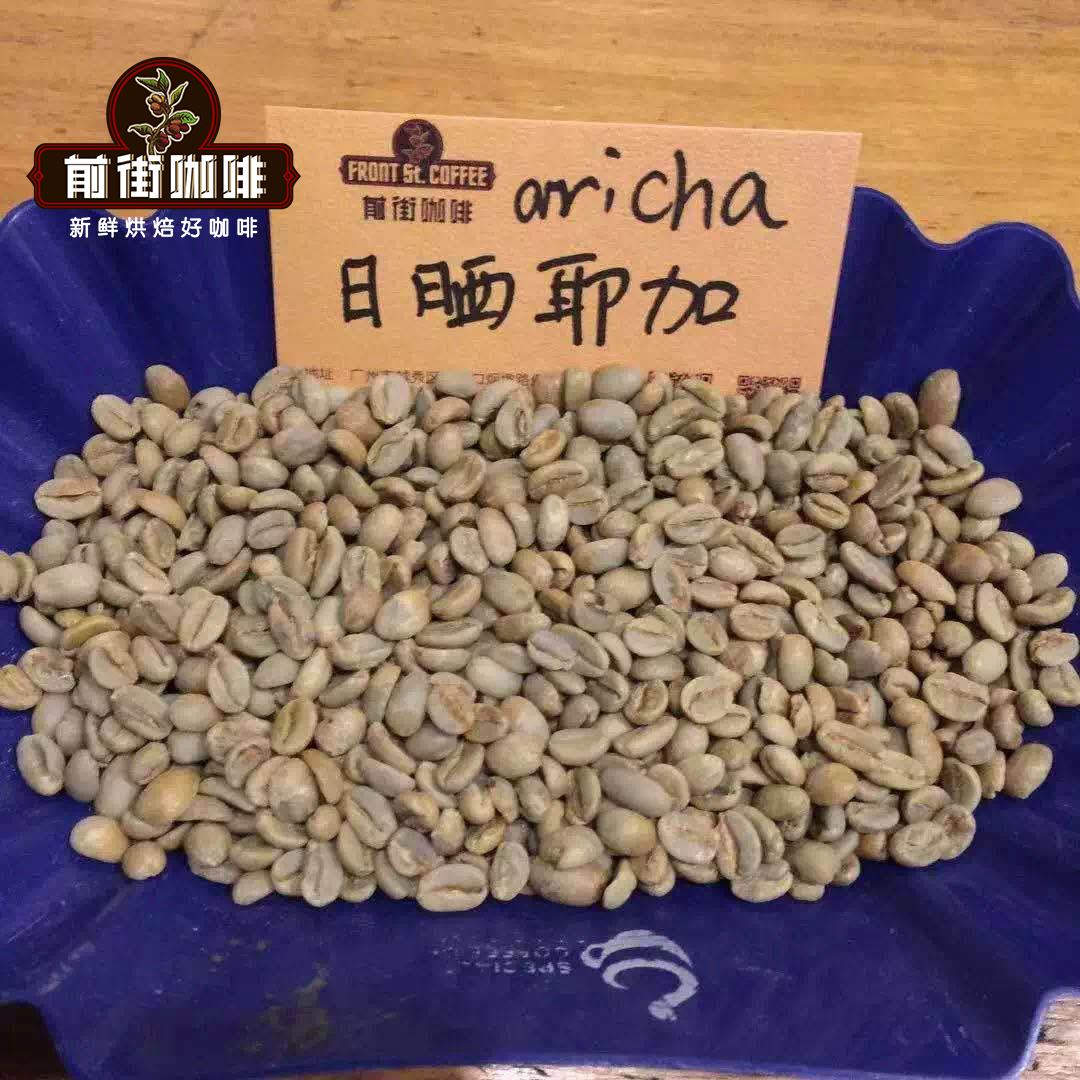
Yirgacheffe Natural Aricha: At 1,900–2,100 meters altitude, natural processed, with flavors of light wine, sweet orange, and spices, a high-quality G1 grade lot.
Sidamo Huakui: At 2,250–2,350 meters altitude, natural processed, with standout berry and floral-tea aromas, a TOH competition champion lot.
90+ Candlelight: Natural processed, with flavors of nectarine, mango, and creamy texture, representing one of the top-tier series.
Yirgacheffe Washed Beans: Bright acidity with clear citrus and honey aromas, offering a cleaner and more refreshing profile compared to the natural version.
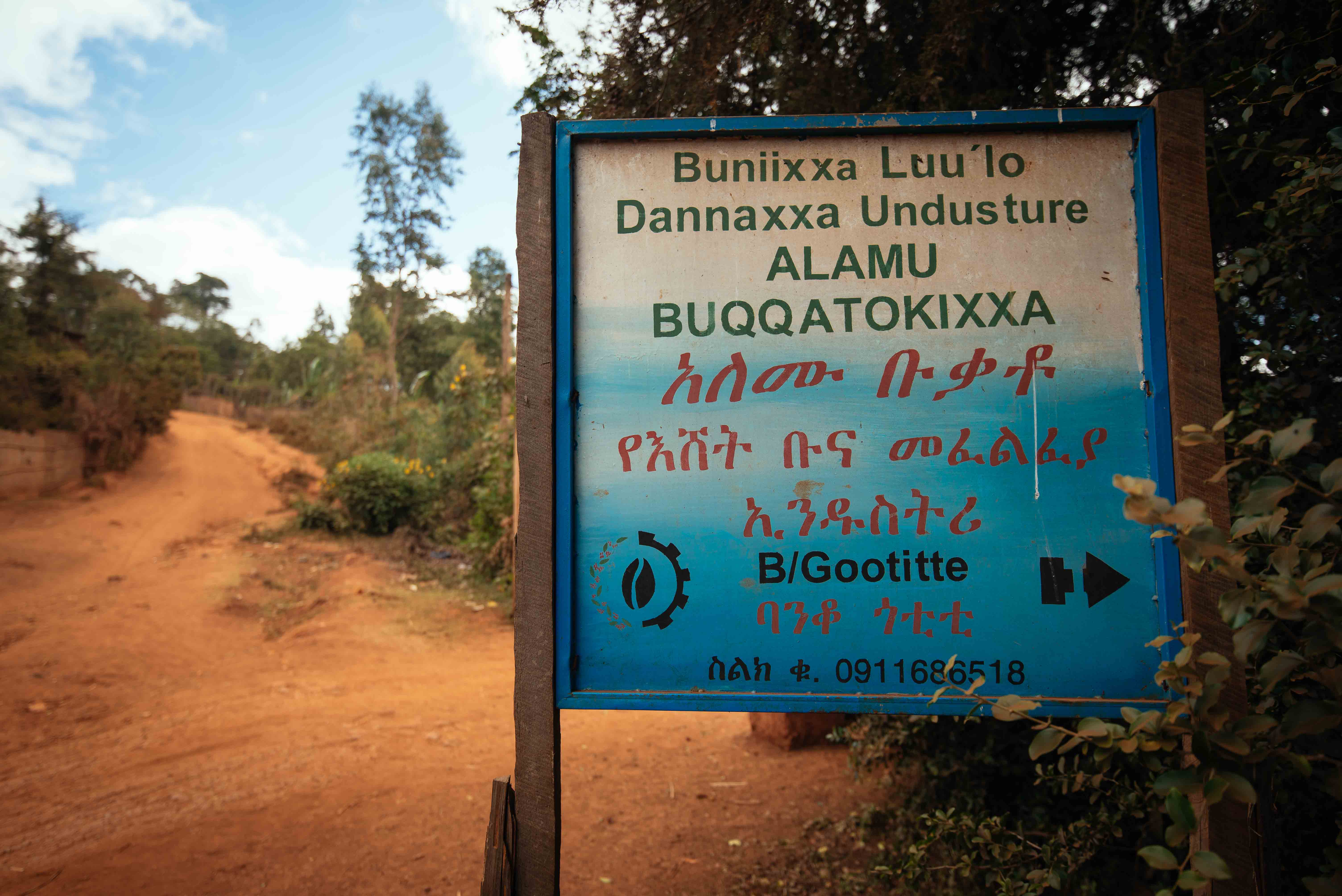
Gesha Village Gold Label Gesha: Produced in Banko Gotiti, at 1,909–2,069 meters altitude, natural processed, this is Gesha Village’s premium lot, featuring citrus, nuts, and tea-like qualities, accounting for only 5% of annual production.
Gesha Village Red Label & Chaka: The Red Label offers great value, while the Chaka lot blends multiple varieties with soft flavors and fermented notes.
2. Burundi: Coffee Flavors from the Heart of Africa
Burundi is located in the East African Rift Valley, with rugged terrain and the reputation of being the “Heart of Africa.” Coffee production is mainly by smallholders, with varieties mostly Bourbon and its subtypes, grown at altitudes ranging from 700 to 2,700 meters. High-altitude regions often exhibit lemon, passion fruit, and floral notes, while lower altitudes lean towards chocolate and hazelnut profiles.
Burundi Heart of Africa: Produced in Bubanza District, at 1,400–1,700 meters altitude, washed processed, with flavors of kumquat, lemon, and bright acidity, representing typical high-altitude Burundi characteristics.
3. Kenya: A Classic Representative of Bright Acidity and Winey Notes
Kenyan coffee is mostly grown at altitudes between 1,500–2,100 meters, with two harvests per year. Its coffee is known for intense acidity, multi-layered complexity, and wine-like qualities, especially the commontomato-like, berry, and citrus profiles.Kenyan coffee is uniformly purchased, graded, and auctioned by official institutions, with extremely strict quality control.
Main varieties include SL28, SL34, and Ruiru, with washed processing as the primary method. Smallholders utilize modern processing facilities through cooperatives to ensure consistent quality.
Kenya Sachini: Produced around Mount Kenya, at 1,900 meters altitude, washed processed, with flavors of tomato, berries, and fruity sweetness, and a clean finish.
Kenya Tomato Coffee Beans: Produced at Asali Factory, at 1,550–1,750 meters altitude, washed processed, famous for black plum, pear, and cherry tomato aromas, with lively acidity and sweet undertones.
The world of African coffee is rich and diverse—from Ethiopia’s blend of tradition and innovation, to Kenya’s rigorous quality control, to Burundi’s mountainous flavors—each region tells a unique coffee story. Whether you prefer bright acidity, rich fermented notes, or smooth body, you’ll find your perfect match in Africa, the homeland of coffee.




The above content is compiled by CoffeeHunters, a coffee news website.


