







Introduction:An in-depth analysis of the unique flavor profile of Indonesian Golden Mandheling and the professional pour over techniques to bring it out — from the craftsmanship behind the classic wet-hulled processing method, to the quality control of premium beans sourced from PWN, to the precise combination of grind size, water temperature, filter type, and three-stage pouring. Whether you're a beginner or an advanced enthusiast, you’ll master practical methods for brewing a cup rich in woody notes and spicy undertones.
Among coffee enthusiasts, Indonesian Golden Mandheling has long held a special place for its full body and pronounced bitterness. This high-quality bean from Sumatra, produced through the wet-hulling process, boasts signature woody aromas, spicy notes, and herbal layers, making it a top choice for those seeking intense flavors. This article will systematically decode its flavor code — from its unique post-harvest processing technique to expert-level pour over parameters — guiding you to accurately recreate the classic Mandheling flavor profile.
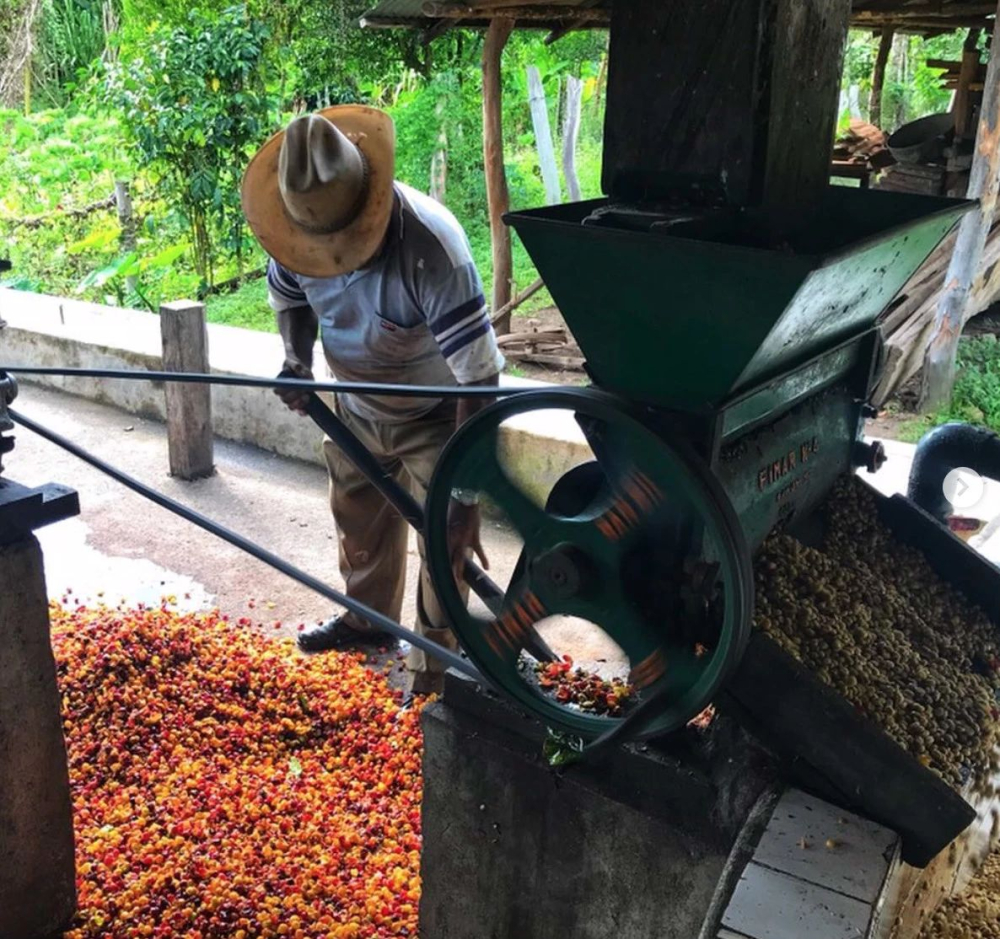
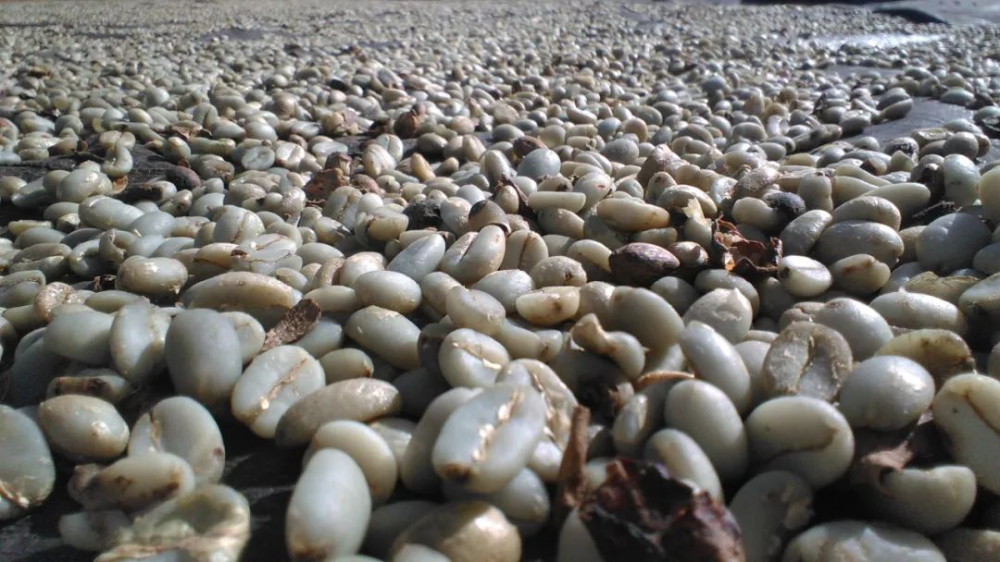
Why does Mandheling always carry such distinctive woody and spicy notes? The key lies in Indonesia’s unique wet-hulling process. Unlike traditional washed or sun-dried methods, local farmers first remove the coffee fruit's pulp, then ferment and wash the beans for three hours. Next, they quickly dry the beans to a moisture content of about 20–24% (at which point the beans are still wrapped in their parchment). Rather than following the usual steps, Indonesian producers use a high-friction hulling machine to remove the parchment layer prematurely — at which point the green beans are still semi-soft. The machine’s pressure often causes small cracks or “elephant ears” at either end of the bean, while the exposed endosperm comes into direct contact with humid air, accelerating oxidation. This unique stress and microbial activity ultimately give the coffee its distinct deep woody character, spice, and herbal finish.
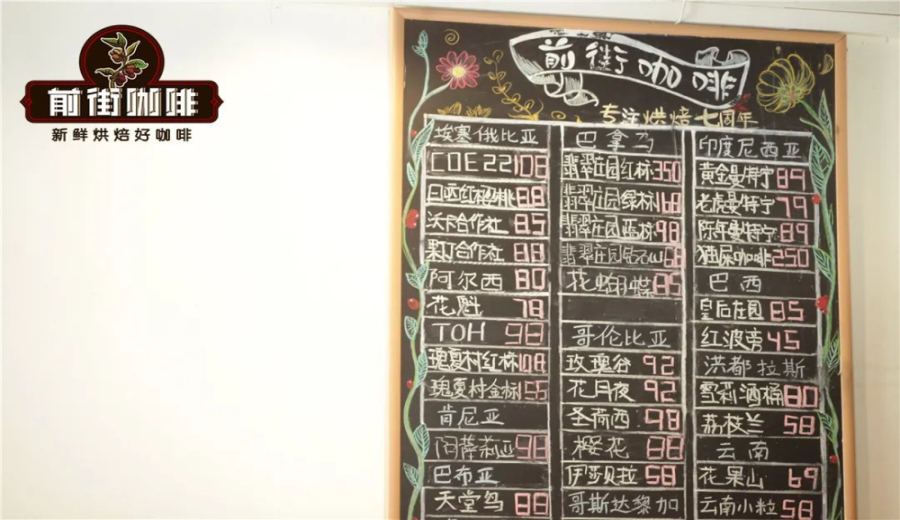
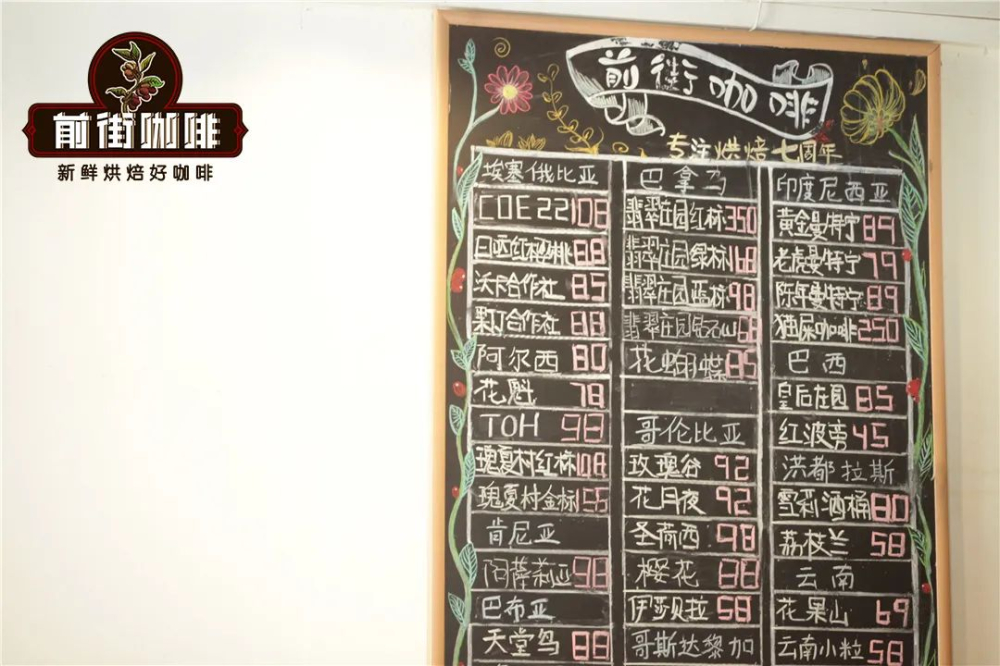
If you want to experience authentic Mandheling flavors, start with an entry-level wet-hulled bean, such as the popular Indonesian Lintong Mandheling available from a well-known retailer — it offers great value and distinctive flavor traits. For coffee aficionados seeking the ultimate quality, however, PWN’s “Golden Mandheling” is undoubtedly the benchmark.
As an exclusive registered trademark product of PWN, the Golden Mandheling featured on the menu is carefully selected from large beans sized 18 or above, screened according to Indonesia’s G1 top-grade standard: no more than 3 defective beans per 300g sample. After undergoing three rounds of manual re-selection to ensure uniform color and consistent shape, the beans are medium-dark roasted to lock in caramelized aromas. Its cupping performance is particularly outstanding — the dry fragrance releases notes of cedarwood, nuts, and herbs, while brewing unveils sweet undertones of licorice and caramel. On the palate, it presents a rich combination of dark chocolate, cocoa, and spices, with a clean finish and long-lasting aftertaste. With such complex flavors, it becomes the perfect stage for showcasing pour over techniques.
Grind size is a core variable that affects extraction efficiency. For medium-dark roasted Golden Mandheling, it is recommended to use a Chinese No. 20 0.85mm standard sieve to control the sieving rate at70-75%(for medium-light roasts, this is typically 75–80%). This is because dark roasted beans have a looser internal structure, and overly fine grinding can lead to excessive extraction of large-molecule bitter compounds. In practice, weigh 10 grams of beans, grind them, and then place the grounds on the sieve and shake — calculate the proportion of powder that passes through the sieve. If the result is below the target value, adjust the grinder to a finer setting; if it's above, adjust to a coarser one. This parameter balances body and off-flavor control, avoiding astringent tannin sensations.
Water temperature settings are equally critical.87-88°Cis the ideal range for medium-dark roasted Golden Mandheling (lighter roasts commonly use 91–93°C). A lower temperature slows down the release of caramelization by-products, reducing the risk of bitterness while stabilizing the extraction of nutty and spicy flavor compounds. Avoid using boiling water, as high temperatures can intensify the dissolution of tannins and phenolic substances.
The choice of filter also directly affects flow rate and extraction concentration. Practical tests show that the KONO filter, due to its unique rib design (with drainage grooves only on the middle and lower parts, and a smooth curved surface on the upper part), allows the filter paper to adhere tightly to the cup wall, delaying gas release. This prolongs the dwell time of hot water and enhances extraction concentration. This characteristic is especially suitable for emphasizing the bold base and steady finish of Golden Mandheling, and is also applicable to high-body beans such as Brazil Queen Estate.
The three-stage pouring method is a practical technique for balancing extraction consistency and operational forgiveness. Takinga 1:15 coffee-to-water ratio(15g of beans to 225g of water) as an example, control the flow rate in three stages:
1. Bloom stage: pour 30g of water to cover the coffee bed, then let it sit for30 secondsto activate aroma;
2. Main extraction phase: pour steadily in a circular motion until the water level reaches 125g, ensuring even penetration;
3. Finishing stage: when the liquid level drops to about half, pour the remaining 100g of water until the total weight is reached. The entire process takes approximately2 minutesto complete the drip-through, balancing flavor integrity and smooth mouthfeel.
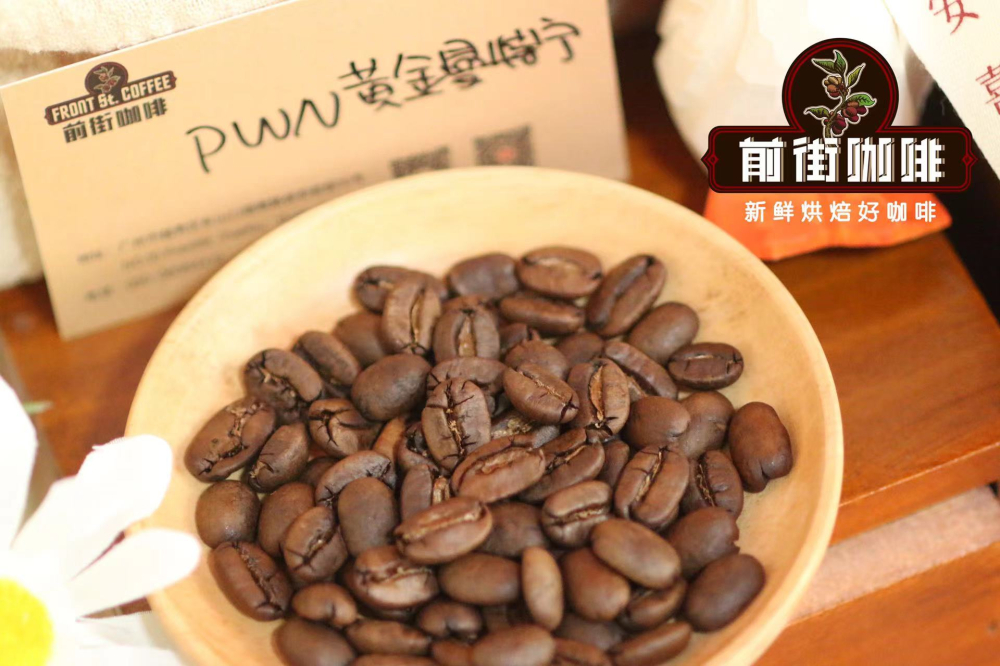
The final cup presents a coffee with both a solid body and bright layers — cedar and spicy notes run throughout, while dark chocolate and roasted hazelnut flavors unfold in succession. The finish is clean, with just the right touch of sweetness. Mastering the above parameter combination will allow you to reliably recreate the unique charm of this classic Indonesian bean.
The above content is compiled by CoffeeHunters, a coffee news website.


