







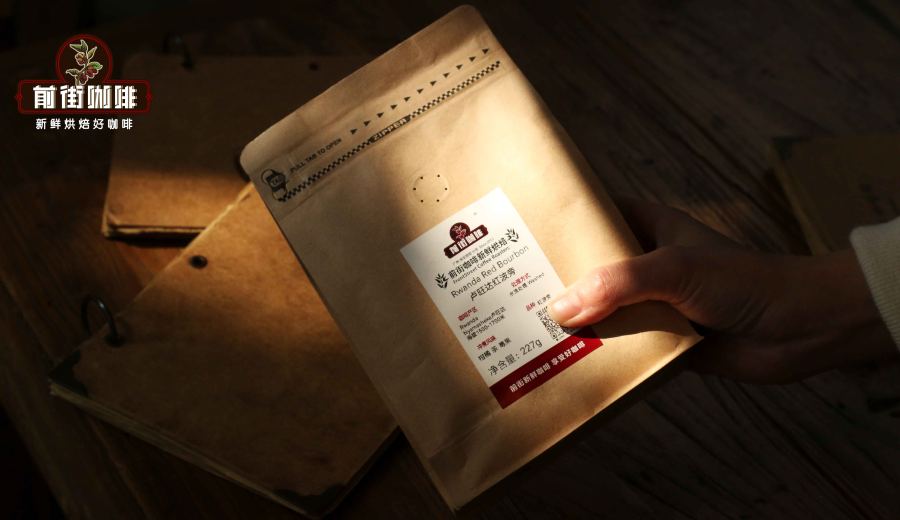
Introduction:As Africa’s “Land of a Thousand Hills,” Rwanda, with its high altitudes and washed processing techniques, produces unique Bourbon variety coffees with distinctive flavors. This article delves into the history, regional characteristics, processing methods, and cupping profiles of Rwandan coffee, while also offering professional pour over recommendations and roasting guidelines to help you explore the coffee charm of this African gem.
Rwanda, an inland African country known as the “Land of a Thousand Hills,” is gradually winning the favor of specialty coffee enthusiasts with its consistent Bourbon variety and exquisite washed processing craftsmanship. From the introduction of coffee cultivation by German missionaries to the later PEARL and SPREAD initiatives that helped upgrade the industry, and then to Starbucks’ international debut of “Blue Bourbon,” Rwandan coffee has traversed an extraordinary development path. After rigorous comparisons across multiple producing regions, the industry has ultimately selected two highly representative Rwandan coffee beans—washed red Bourbon and Nyanza—originating from smallholder cooperatives in the high-altitude Nyamasheke region and the Rusizi area, respectively. These beans showcase the bright acidity and sweet caramel aftertaste characteristic of Africa’s specialty coffees.
 Among the many African high-altitude coffee-producing countries, Ethiopia has long been world-renowned, while Rwanda, located in Central Africa, has also gradually garnered market attention in recent years. The recently launched Rwandan washed Bourbon coffee beans are a testament to the country’s improved coffee quality. Although the Bourbon variety originated in Africa, it was gradually replaced by other varieties in places like Brazil due to weaker disease resistance. However, in Rwanda, through careful selection and scientific management, the Bourbon variety has demonstrated exceptionally stable and outstanding performance, becoming one of the country’s main promoted coffee types.
The development of Rwanda’s coffee industry can be traced back to the early 20th century, when the country was successively under German and Belgian colonial rule, and coffee was introduced by German missionaries. Although coffee production increased significantly during the colonial period, exploitation of labor, low purchase prices, and high export taxes led to generally poor coffee quality, a common issue with commercial coffee at the time. It wasn’t until after Rwanda’s independence, with the establishment of the official coffee organization OCIR, that the coffee industry began to receive more attention. Between 1960 and 1980, coffee production steadily increased, peaking in 1986, but the political turmoil in the early 1990s, particularly the Rwandan Genocide, brought the entire industry to a standstill. Today, Rwanda not only excels in urban development, public safety, and environmental hygiene, but is also hailed as an “atypical” African country, even ranking high in global safety indices.
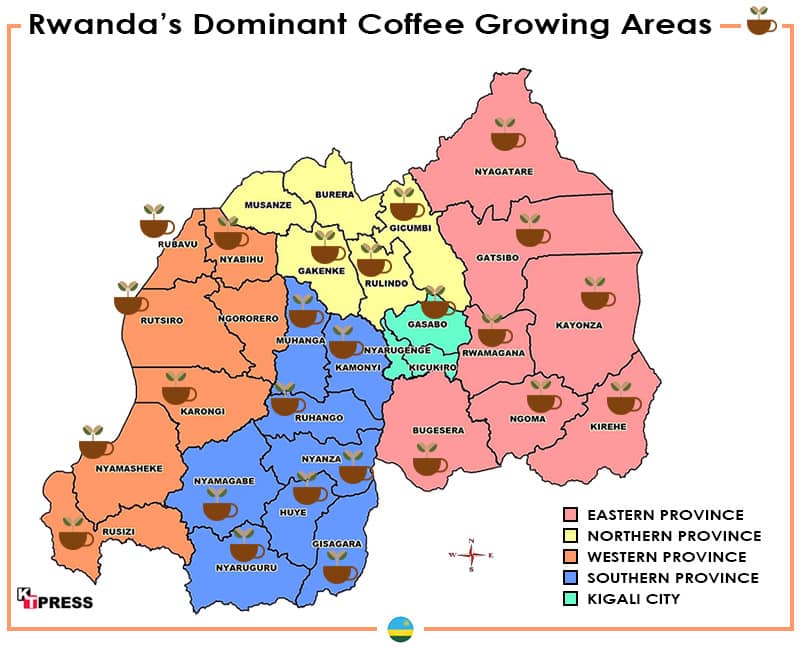
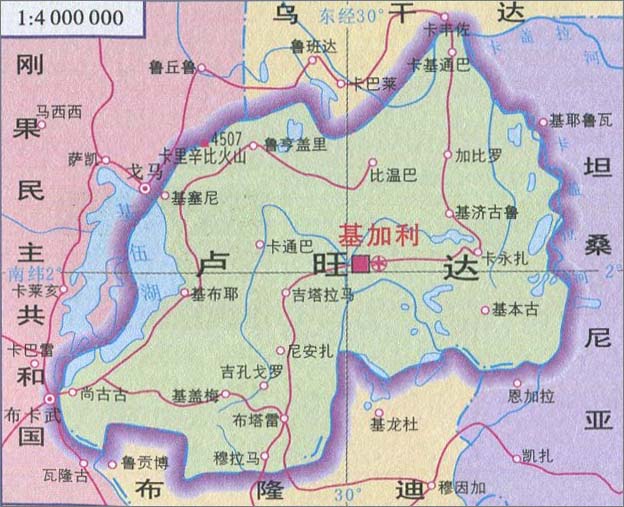 Rwanda’s geographical environment, known as the “Land of a Thousand Hills,” is predominantly mountainous and plateau, with the majority of coffee trees planted at high altitudes between 1,700 and 2,000 meters. The region enjoys a tropical highland and savanna climate with mild and cool temperatures, coupled with approximately 33,000 hectares of coffee cultivation area and 500,000 coffee farmers, creating ideal growing conditions. Coffee beans from this region often exhibit pronounced fruity sweetness, floral notes, and a rich black tea-like aftertaste. It’s worth noting that Rwandan coffee is primarily produced by smallholder farmers. Although the scale is smaller than that of large enterprises, this allows for a greater focus on quality improvement.
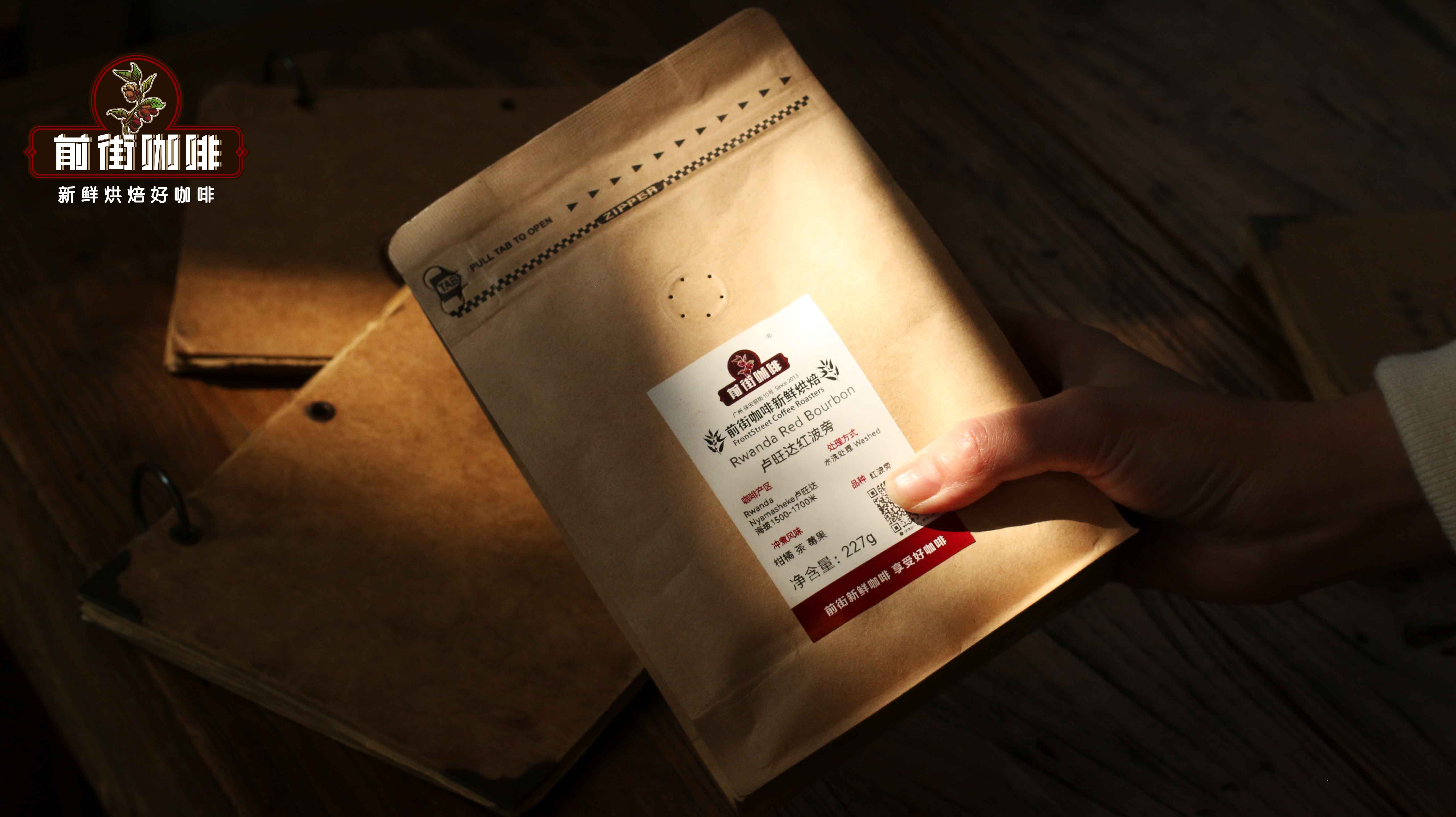
Rwanda’s coffee-producing regions are mainly concentrated in the south and west. The southern Huye mountainous area and Nyamagabe region, due to their higher altitudes, often produce coffees with fresh floral notes and citrus tones; whereas the Nyamasheke region by Lake Kivu in the west is renowned for its rich mouthfeel and intense fruity aromas. Although flavor differences between regions are not significant, professionally trained cuppers can still subtly distinguish their unique flavor characteristics, which requires long-term accumulation and experience.
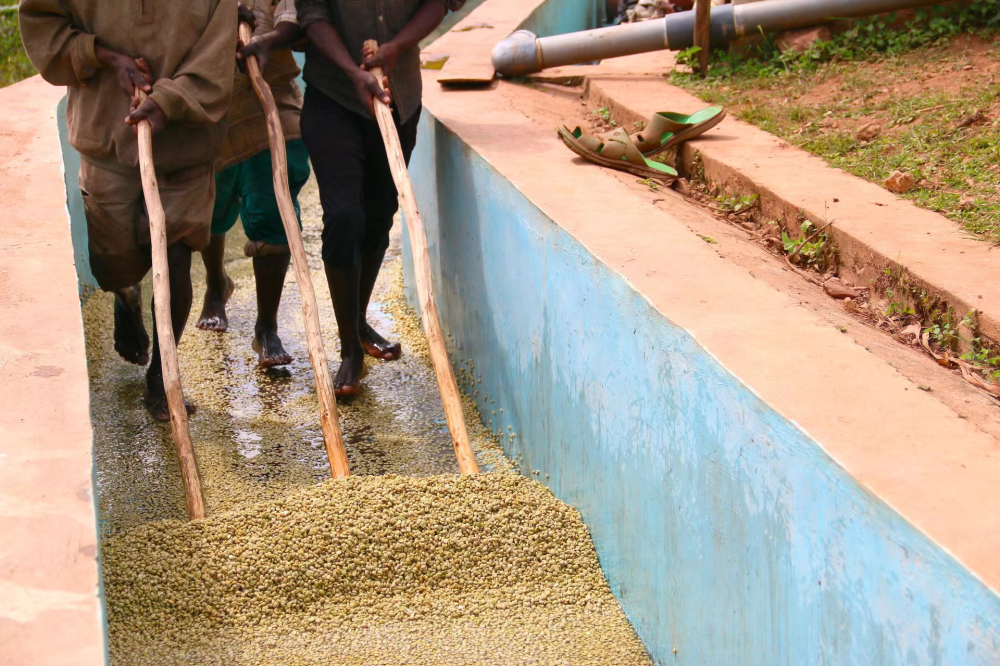
 In terms of processing methods, since 2000, with the assistance of institutions such as Michigan State University in the United States, Rwanda has significantly elevated its coffee industry standards through the PEARL initiative. This program helped establish 46 washed processing facilities, enabling coffee beans to be processed through standardized procedures, greatly improving quality and export value. Currently, Rwandan coffee mainly employs the washed processing method: coffee cherries are hand-sorted after harvest to remove defective beans, followed by pulp removal and 12 to 18 hours of low-temperature water fermentation to thoroughly remove mucilage. The beans are then dried on raised beds, with constant turning to ensure the moisture content is steadily reduced to below 14%, maintaining optimal quality.
In 2006, building on the PEARL initiative, Rwanda launched the SPREAD program, further focusing on the livelihoods of smallholder farmers and community development, while also enhancing its international profile through the COE (Cup of Excellence) competition. In 2008, Rwanda hosted its first COE competition, becoming the first African country to do so. That year’s champion bean was sold for $18 per pound, and by 2014, the price had risen to $37 per pound, demonstrating the international market’s high recognition of its quality. However, Rwandan coffee was twice affected in competitions due to a potato defect, which may have stemmed from contamination by specific insects, but this issue has significantly improved in recent years.
Rwandan coffee’s connection with Starbucks began in 2006, when Starbucks, through its “Black Apron” premium product line, launched a Rwandan coffee bean called “Blue Bourbon,” sourced from the washing stations of the Sholi and Musasa cooperatives. Priced at $24 per pound, it showcased the country’s international potential in coffee.
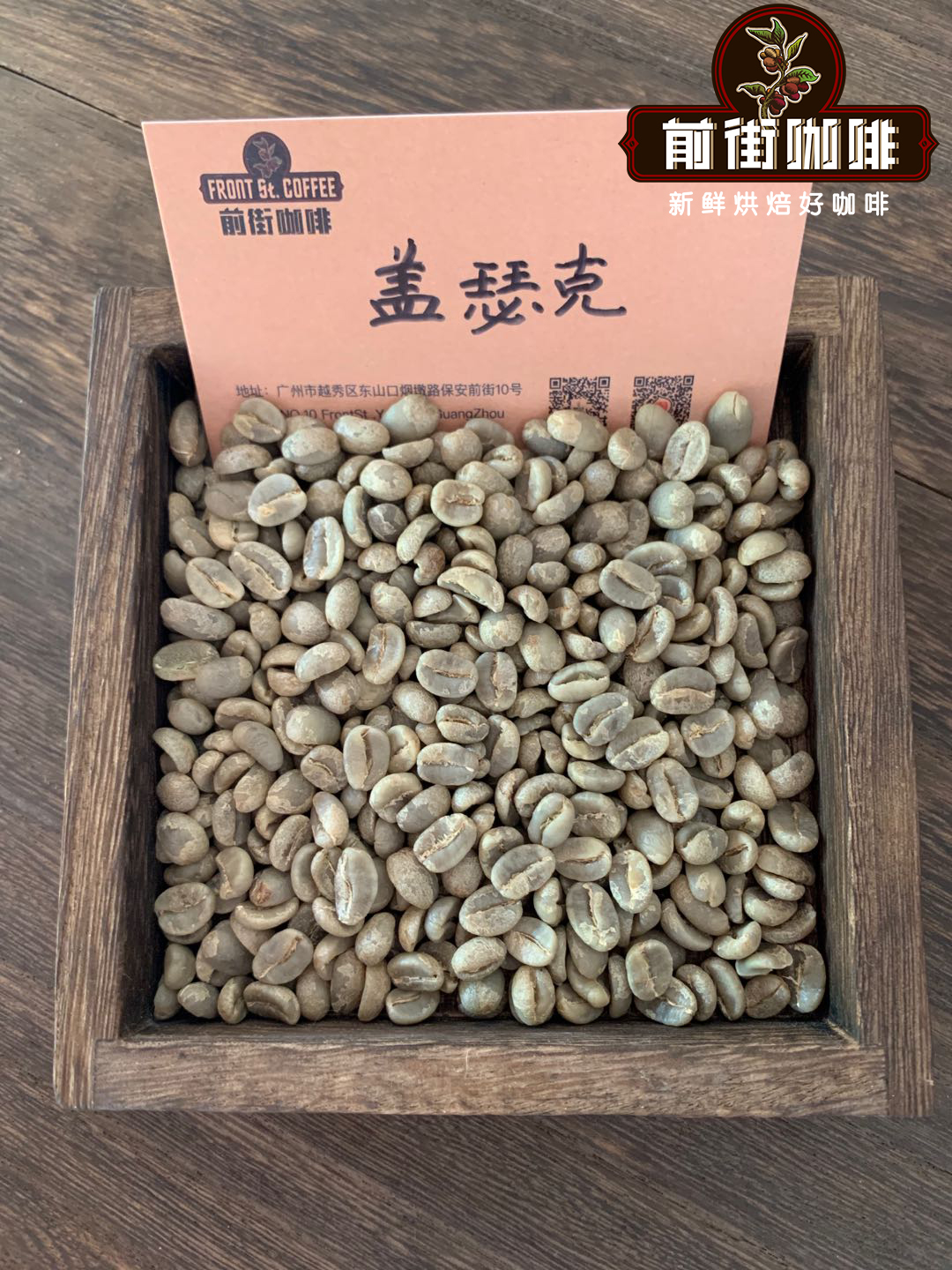
 The industry-recommended Rwandan Gisakura washed red Bourbon is produced in the Nyamasheke region, at altitudes of 1,700 to 2,000 meters, and is meticulously processed by the Gisakura washing station. This processing facility, established by young trader Fidele Ndagijmana, can process 170 tons of coffee cherries annually and continues to expand its equipment and planting area. A medium-light roast is recommended to preserve its delicate acidity and fresh flavors. For pour over, it is suggested to use a V60 dripper, with a water temperature of 90°C, a brew ratio of 1:15, and a grind size of approximately BG#5G (80% passing rate through a Chinese No. 20 sieve), using a pulse pouring method. Begin with a 30-second bloom, then pour to 125 grams, followed by additional pouring to 225 grams, with a total extraction time of about 2 minutes. Cupping notes include citrus, berries, honey, and caramel sweetness, with a nutty and chocolatey aftertaste. It is an African specialty coffee with rich flavor layers and excellent balance.
Another Rwandan coffee, the Nyanza washed variety, is produced at the Nyakarenzo washing station in the western Rusizi region, consisting of over a thousand smallholder farmers, 70% of whom are women. At an altitude of 1,695 meters, it also uses the washed processing method. A medium-light roast is recommended to highlight its fresh acidity. The pour over parameters are similar to those of Gisakura, and in terms of flavor, it is characterized by citrus, raspberry, honey, and walnut aromas. The cup is bright with fruity acidity, juicy, and has a smooth aftertaste with nutty notes. It is suitable for coffee lovers who enjoy a balance of fruity and sweet profiles.

The above content is compiled by CoffeeHunters, a coffee news website.


