







Introduction:Sumatra is renowned for its low-acidity, full-bodied coffee, with Mandheling being a classic representative. This article delves into the geographical distribution of Sumatran coffee, the unique process of wet hulling, and the flavor profiles of the three major producing regions—Aceh Gayo, Lintong, and Mangkuraja—while also providing practical pour over recommendations to help you better understand this distinctive coffee bean.
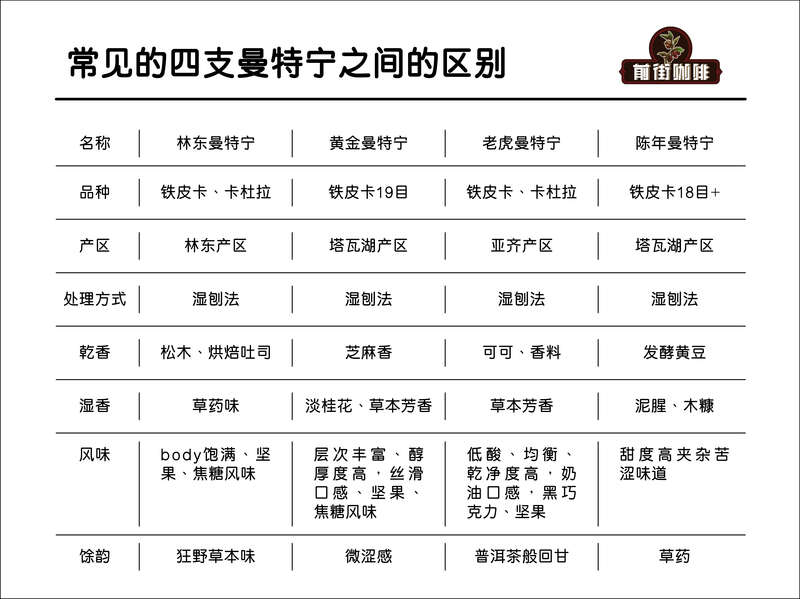
As one of Indonesia’s largest islands, Sumatra is known for its coffee’s low acidity, rich body, and unique herbal and earthy notes, making it especially appealing to those who prefer less acidic brews. When it comes to Sumatra, “Mandheling” is almost an indispensable keyword. This name does not refer to a place of origin but originates from the name of an ethnic group in the region. Common varieties on the market such as Lintong, Golden, Aged, and Tiger Mandheling each have their own characteristics, and this article will detail their differences and the processing methods behind them.
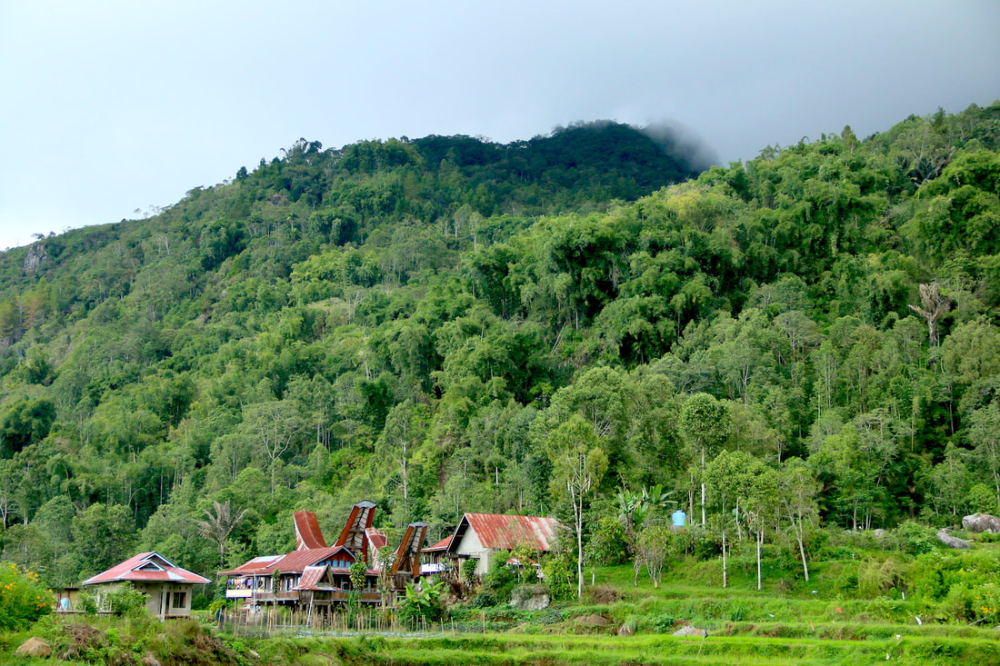
Sumatran coffee is primarily distributed across three core regions: northern Aceh Province, the area around Lake Toba in central Sumatra, and the increasingly noted southern Mangkuraja region. In addition to these three main areas, there are also several small-scale yet promising micro-regions, such as Takengon, Bener Mariah, Lintong, Sidikalang, Dolok Sanggul, and Seribu Dolok surrounding Lake Toba. These areas are mostly managed by smallholder farmers, with planting altitudes generally ranging between 1100 and 1600 meters, and harvest seasons typically concentrated between September and December each year.
Traditionally, Sumatran coffee has been collectively referred to as “Sumatran Mandheling,” but in reality, the term “Mandheling” is not a place name but comes from the name of a local ethnic group. Coffee grades are usually distinguished by cupping quality as Grade 1 or Grade 2, rather than solely based on the appearance of the beans. Since much of it is exported through the port of Medan, prolonged storage and the region’s humid, hot climate often impact the quality of green beans, making preservation and transportation particularly crucial.
The three major producing regions of Sumatra each have unique geographical and microclimatic conditions, resulting in subtle differences in flavor. First, the Aceh Gayo region is located at the northernmost tip of Sumatra, surrounding the beautiful Lake Tawar, with altitudes ranging approximately from 1110 to 1300 meters. The area receives up to 2200 mm of rainfall annually, and the soil is rich volcanic earth full of minerals. Coupled with the prevalence of smallholder farming and shaded cultivation, the coffee from this region often exhibits intense chocolate and dried fruit notes, with a stable and layered flavor profile.
Next is the famous Lake Toba area, with one of its sub-regions, Lintong, being an important birthplace of Sumatran Mandheling. Lake Toba is the world’s largest and deepest volcanic lake, surrounded by rugged terrain with elevations mostly above 900 meters. The coffee in the Lintong region is grown at altitudes of about 1200 to 1500 meters, in a cool climate with fertile soil. The coffee here is mostly planted by tenant farmers under shaded conditions and processed using the wet hulling method, giving it a deep yet vibrant full body, along with a unique regional aroma.
Finally, there is the Mangkuraja region in southern Sumatra. The estate is located on the western slopes of the Bukit Barisan mountain range, at altitudes of 1100 to 1300 meters, and is surrounded by pristine tropical rainforests, clear streams, and natural springs. The coffee from this region has a flavor that lies between soft and bright, with balanced acidity and delicate leather and fruit notes, often leaving a strong impression on experienced coffee tasters and making it an excellent choice for exploring Sumatra’s diversity.
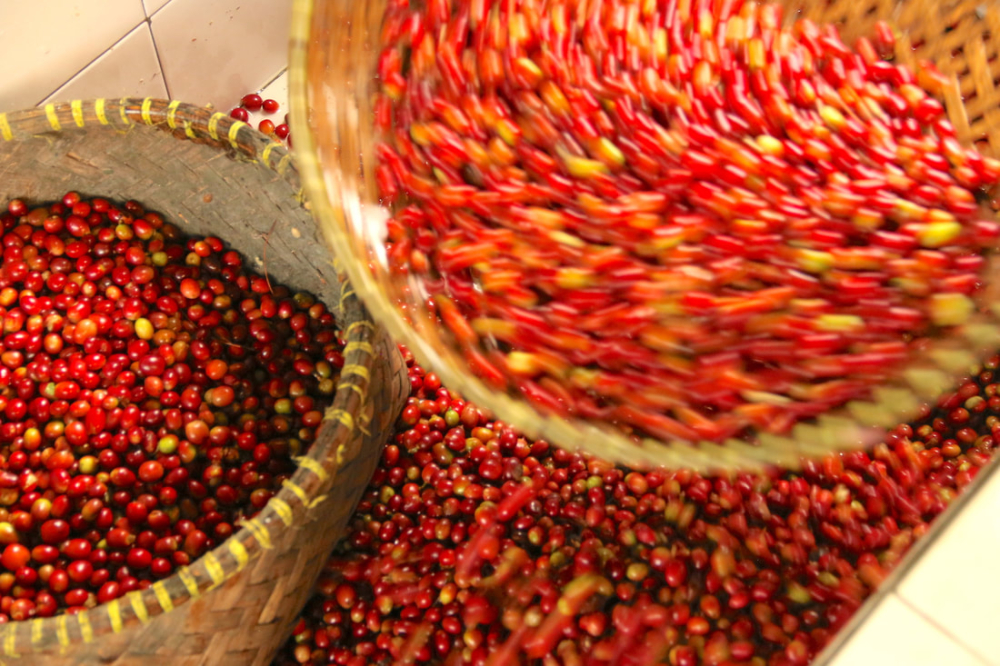
The most representative processing method of Sumatran coffee is undoubtedly “wet hulling.” This traditional technique was developed mainly in response to the region’s humid climate and long drying periods. The steps involve removing the husk (the outer hard shell) when the moisture content of the green beans is still as high as 30% to 50% during the semi-dry stage, and then continuing to sun-dry until fully dry. This method can significantly shorten the overall processing time to 2 to 4 days, effectively reducing acidity while enhancing the body and intensifying rich caramel, spicy, and herbal flavors—sometimes even accompanied by woody or herbal notes—shaping the unique regional characteristics of Sumatran coffee.
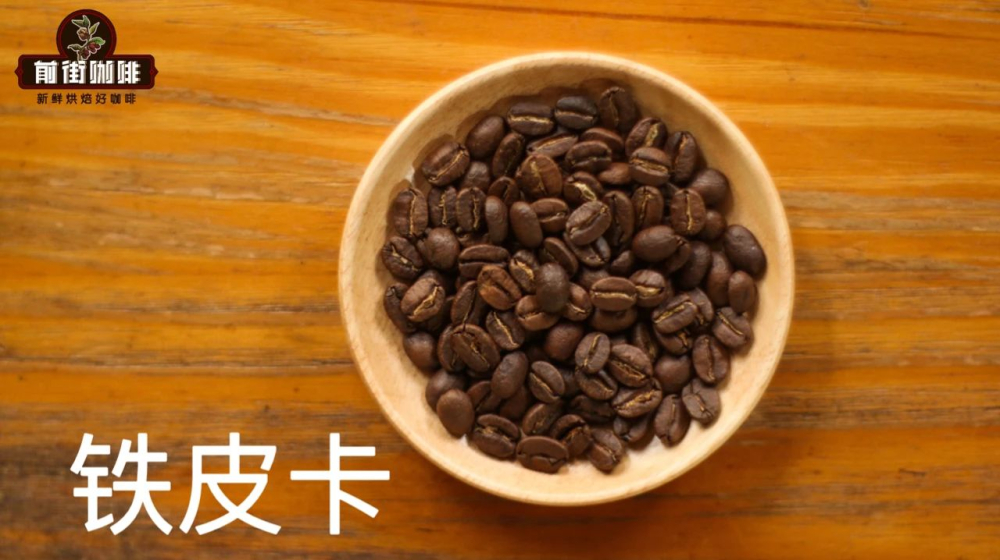
However, wet hulling also comes with risks. Because the beans are not fully stripped of their last two protective layers (beyond the pulp and silver skin, there is still the parchment and silver skin), performing the hulling in a semi-wet state can make the bean structure fragile, leading to exterior cracks or scratches resembling a goat’s hoof, commonly known as “goat hoof beans,” which affect appearance. Additionally, beans that are not fully dry are more susceptible to mold, fungi, and yeast during processing. Nevertheless, these factors can also become potential keys to shaping the special aroma of Mandheling.
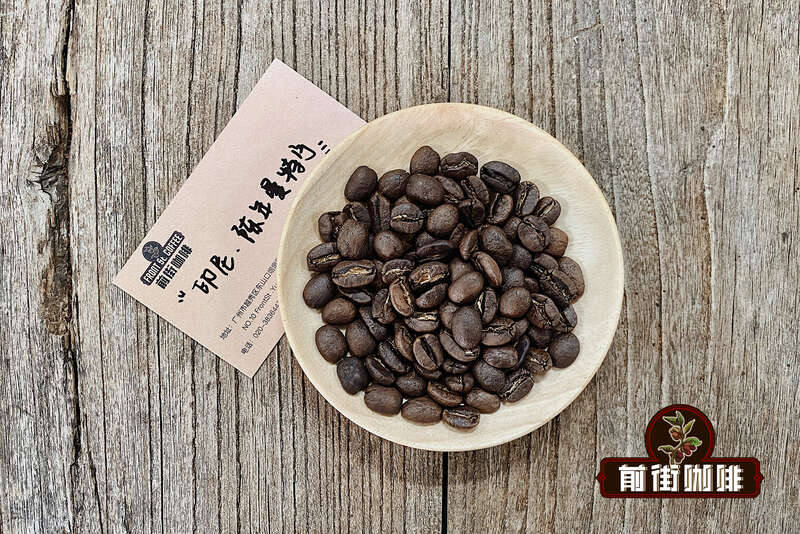
To gain a deeper understanding of the actual flavor profile of Sumatran Mandheling, you might start with the classic Lintong region and the premium PWN Golden Mandheling. Lintong Mandheling is generally grown at altitudes between 1100 and 1600 meters, with varieties mainly being Ateng and TimTim, processed using wet hulling, and classified as Grade 1. It boasts rich caramel, dark chocolate, and roasted bread aromas, with a full body and a lingering finish of spices and cocoa bitterness, making it suitable for those who enjoy a bold body and low acidity.
As for PWN Golden Mandheling, it is the top-tier representative of Sumatran Mandheling, produced in the Aceh Gayo mountains at altitudes of 1100 to 1600 meters, with the Typica variety. This coffee is characterized by a nutty and chocolatey profile and must undergo strict selection and be certified by PWN, hence all commercial products are labeled with the PWN trademark. It is recommended to use a medium-dark roast, paired with a medium-coarse grind (such as 70% passing rate through a Chinese standard No. 20 sieve), and brewed with water at 87°C using the pour over method, which can better highlight the core traits of its nutty and chocolatey flavors.
Practical pour over parameters are suggested as follows: use a KONO filter, 15 grams of coffee, a 1:15 coffee-to-water ratio, and a medium-coarse grind (about 70% passing through a No. 20 sieve). First, wet the filter paper to ensure it adheres properly, pour 30 grams of water for a 30-second bloom, then pour in a circular motion centered until you reach 125 grams and pause briefly. Once the coffee bed settles, continue pouring to 225 grams until the dripping finishes. This parameter helps balance extraction, reduce the risk of over-extraction, and fully showcase the coffee’s body and aroma.
The above content is compiled by CoffeeHunters, a coffee news website.


