








Introduction:The key to an outstanding latte lies not in elaborate latte art, but in the precise pairing and delicate integration of coffee and milk. This article delves into the selection of coffee beans for lattes, types of milk, the range of coffee-to-milk ratios, and provides detailed practical techniques from extraction to latte art integration, helping you master the creation of a classic latte with balanced flavor and layered complexity.
To brew a latte with balanced texture and layered flavor, the key lies in three core elements: ingredient selection, the golden ratio of coffee to milk, and attention to detail in extraction and integration. Whether you're a beginner coffee enthusiast or a barista looking to refine your skills, understanding these fundamental principles will give you more confidence in every cup of latte you make.
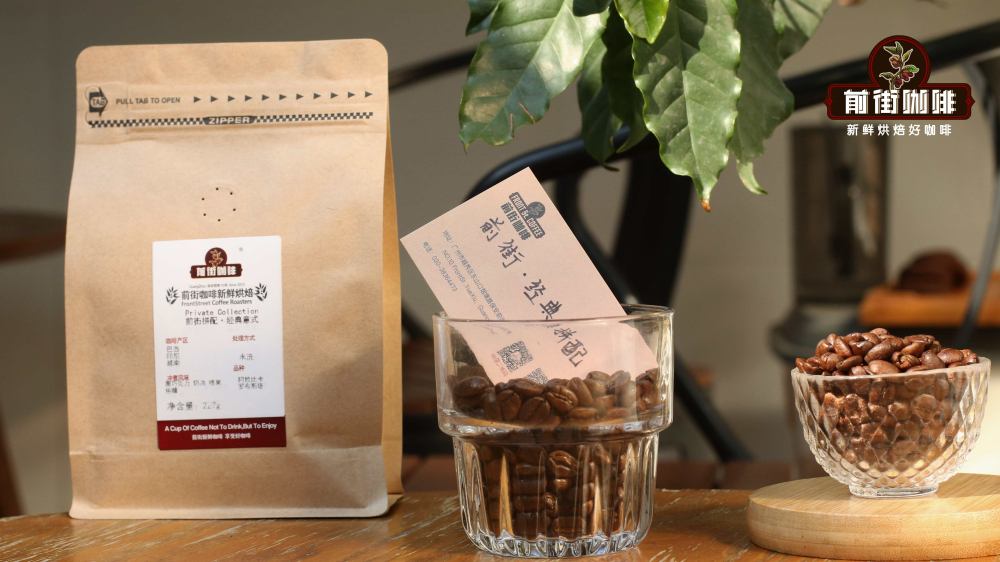
First, choosing the right ingredients is the first step to success. Although lattes are common on the market, the flavors produced by different shops can vary greatly, mainly due to differences in the quality of the coffee beans and milk used. The roast level and flavor profile of the coffee beans directly affect the overall performance. Common espresso blends are mostly medium to dark roasts, bringing out rich notes of caramel, chocolate, and nuts, sometimes accompanied by a buttery smooth texture. For example, some blends combine beans from regions such as Brazil, Indonesia, and Vietnam, using medium-dark roasting to deliver a base that is both full-bodied and sweet, providing a stable flavor framework for the latte.

As for milk, the choice is also extremely particular. Whole fresh milk is the most common option, but in reality, there are many brands on the market with significant differences in taste and thickness. Some have overly strong milky flavors that can easily overpower the delicate aromas of the coffee; others may feel watery, resulting in an overall thin texture. The ideal milk should complement the flavors of the coffee, enhancing its layers without overshadowing them. Therefore, it's recommended to try a few different brands of whole fresh milk to find the one that best matches the coffee beans you're using.
Next is the calibration of the coffee-to-milk ratio. Many people mistakenly believe there’s a fixed formula for lattes, but in fact, there is no one-size-fits-all standard. A commonly recommended ratio range is between 1:5 and 1:8, meaning that for every 40 grams of espresso, you can pair it with 200 to 320 milliliters of steamed milk. The actual ratio still needs to be flexibly adjusted based on the daily extraction condition and flavor profile of the espresso. If you prefer a lighter, sweeter-tasting latte, you can opt for a blend with more pronounced fruity notes, such as one combining beans from Costa Rica, Colombia, and Ethiopia, featuring floral and fruit aromas like rose, citrus, grape, and dried blueberry, paired at a ratio of about 1:6 (e.g., 40 grams of espresso to 240 milliliters of milk), showcasing a soft strawberry and white chocolate flavor.
Finally, the most critical part — the actual brewing process. To make a successful latte, you must first ensure two fundamentals: extracting a stable espresso with a rich crema, and steaming milk to produce fine, velvety microfoam with good flow. It’s recommended to use about 20 grams of coffee grounds to extract 40 grams of espresso, keeping the time between 25 to 30 seconds. This will yield an espresso with both concentration and flavor. As for the milk, it’s advised to steam it to 5 to 6 parts full, maintaining a temperature between 55 to 60°C, with a moderate foam thickness that allows for smooth integration with the coffee.
The integration phase is key to determining whether the latte has a balanced texture. Ideal integration ensures the coffee crema and milk foam are evenly mixed, forming a unified surface color — the so-called "golden circle" — with a smooth surface and no large bubbles. During the process, you can start by gently shaking the coffee cup and milk pitcher to enhance the fluidity of the liquids, which helps achieve more even integration later on.
When performing integrated latte art, there are several practical techniques worth noting. First is the distance between the spout of the pitcher and the coffee surface, which should be maintained at 5 to 10 centimeters. Too low may cause the milk foam to float on the surface, while too high may create unnecessary large bubbles. Second, the integration technique is recommended to be done in a circular motion, with both hands coordinating — the left hand holding the cup and the right hand holding the pitcher — slowly circling and gradually bringing the cup back to an upright position, ensuring every part of the coffee liquid fully integrates with the milk. This not only enhances flavor consistency but also lays a solid foundation for subsequent latte art.

The above content is compiled by CoffeeHunters, a coffee news website.


