







Introduction:Mocha coffee is not just a beverage, but also carries the history of centuries of coffee trade. From its ancient origins at the port of Mocha in Yemen to the classic specialty coffee we know today—made by blending espresso, chocolate, and milk—mocha has always been a classic favorite among coffee lovers. This article will delve into the past and present of mocha, and provide a detailed breakdown of how to make hot and iced mochas using an espresso machine. From ingredient selection and milk foam preparation to blending techniques, it will help you brew a professional-grade mocha at home that rivals those from coffee shops.
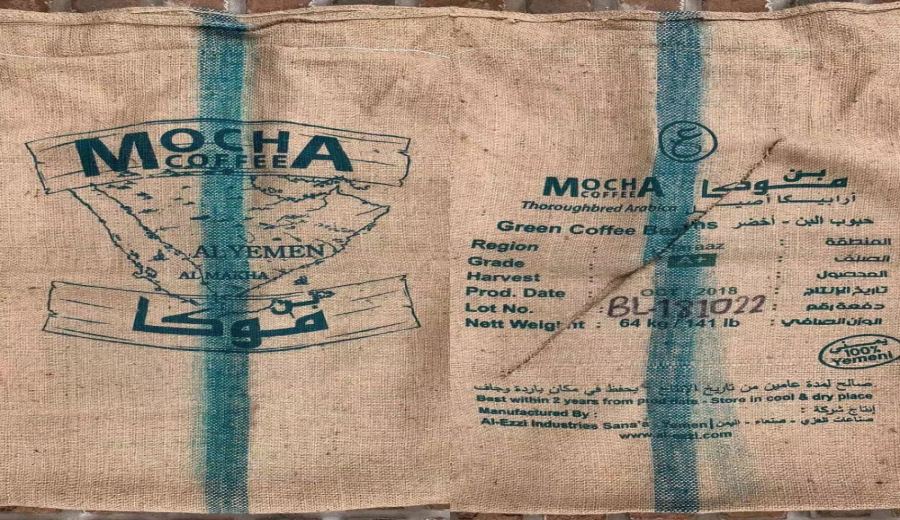
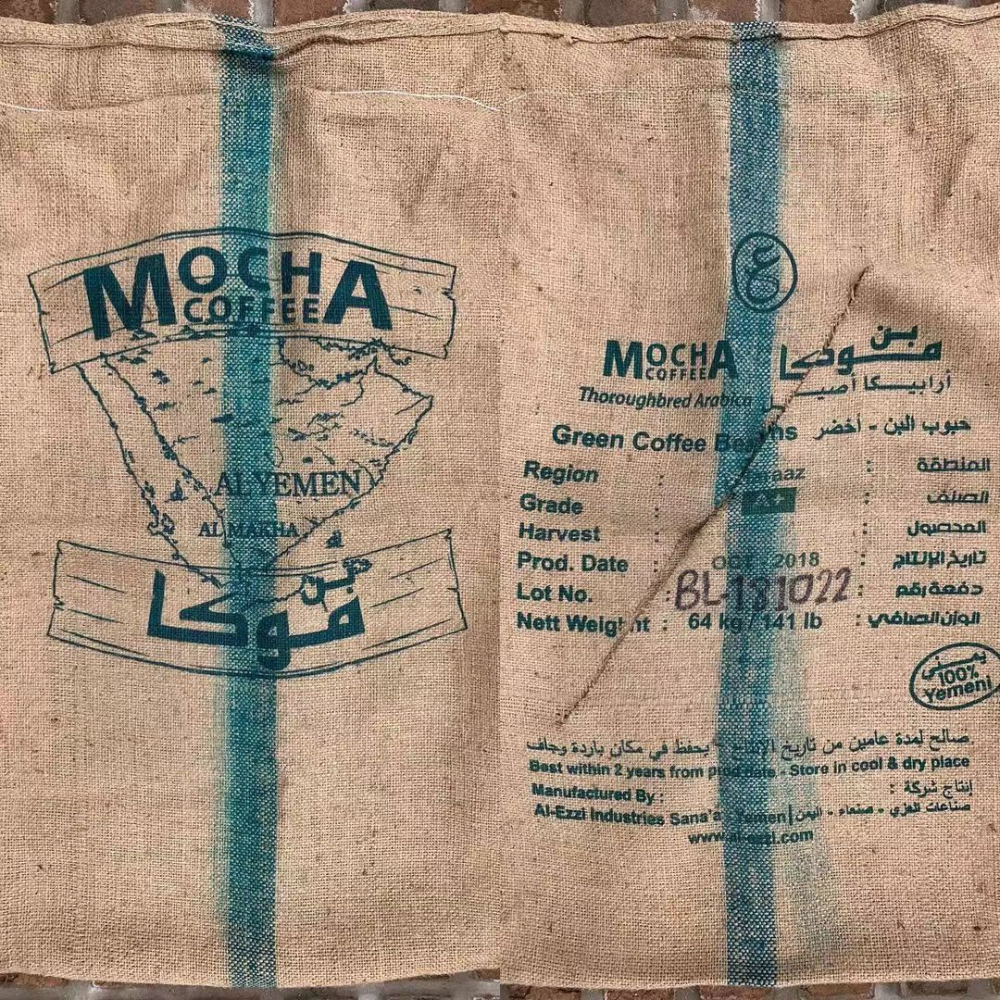
The term "mocha" can be traced back to the port of Mocha in Yemen. Between the 15th and 17th centuries, the Mocha port served as the world’s main gateway for coffee exports, with nearly all exported coffee beans entering the global market through this port. At the time, sacks used to transport coffee were labeled with "MOCHA" to indicate their origin. Over time, Europeans came to refer to coffee from this port as "mocha coffee." As a result, the word "mocha" was once synonymous with coffee itself.
Early mocha coffee beans belonged to the small-grained Arabica variety. Though small in size, they boasted a rich aroma and a unique chocolate-like flavor. After being dark roasted, the acidity and body reached a perfect balance, with a pronounced aftertaste—making it a classic coffee flavor cherished by many connoisseurs. Over time, although the status of the Mocha port declined, the name "mocha" as a type of coffee flavor was preserved, especially when paired with chocolate, becoming a widely loved specialty coffee.
The modern "Italian-style mocha coffee" we are familiar with can be traced back to 18th-century Italy. As global coffee-growing regions expanded, the Mocha port’s dominance in trade gradually weakened, and due to changes in European politics, the supply of mocha beans became increasingly scarce. To recreate the distinctive chocolate notes of the original mocha coffee, some began adding cocoa elements to coffee. With the invention and popularization of the espresso machine, this blend of espresso, chocolate, and milk gradually evolved into the mocha coffee we know today.

If you want to make a smooth, richly chocolatey hot mocha at home, ingredient selection is crucial. First are the chocolate-based ingredients, which commonly include chocolate syrup, unsweetened pure cocoa powder, dark chocolate blocks, milk chocolate, or even cocoa butter fragments. These products vary in flavor, solubility, and price, allowing you to choose based on personal preference and budget.
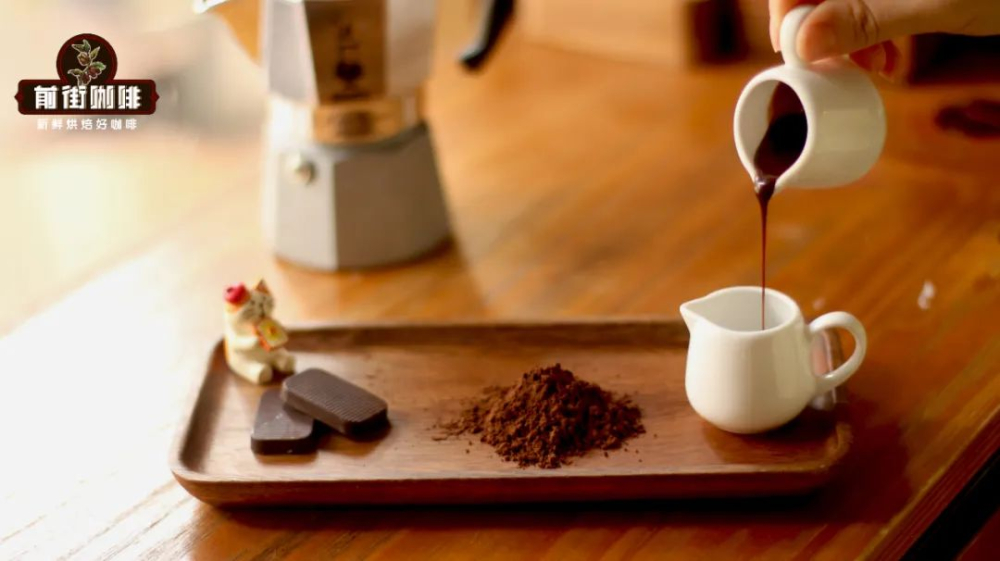
Chocolate syrup, with its natural sweetness, ease of use, and long shelf life, is a popular choice in many coffee shops. It not only enhances the chocolate aroma of coffee but is also suitable for surface decoration and latte art. However, due to its thicker consistency, it can solidify at low temperatures and may develop a slightly grainy texture if not well mixed. If you opt for pure cocoa powder or dark chocolate, you’ll need to add sugar and mix it with hot water first to ensure it blends smoothly with the coffee. Another practical method is to place a milk chocolate block, still in its packaging, into the heating compartment of the coffee machine to melt it into liquid form before use.
As for coffee bean selection, it is recommended to choose beans with a medium to dark roast that exhibit nutty or dark chocolate flavors, whether single-origin or blends. For single-origin beans, consider bold-flavored Brazilian beans, Indonesian Golden Mandheling, or high-altitude beans from Papua New Guinea. If you prefer blends, go for those that emphasize nutty, caramel, and creamy profiles. These pair well with chocolate elements, adding more layers of complexity to your hot mocha.
Once you’ve prepared the chocolate, coffee, and milk, the next step is to blend them perfectly. The required materials include: a double shot of espresso, 200g of chilled fresh milk, about 20g of melted chocolate, a small amount of cocoa powder or chocolate chips, and a cup with a capacity of about 200–300ml. Readers who enjoy a dessert-style drink can also add marshmallows or whipped cream for extra texture.
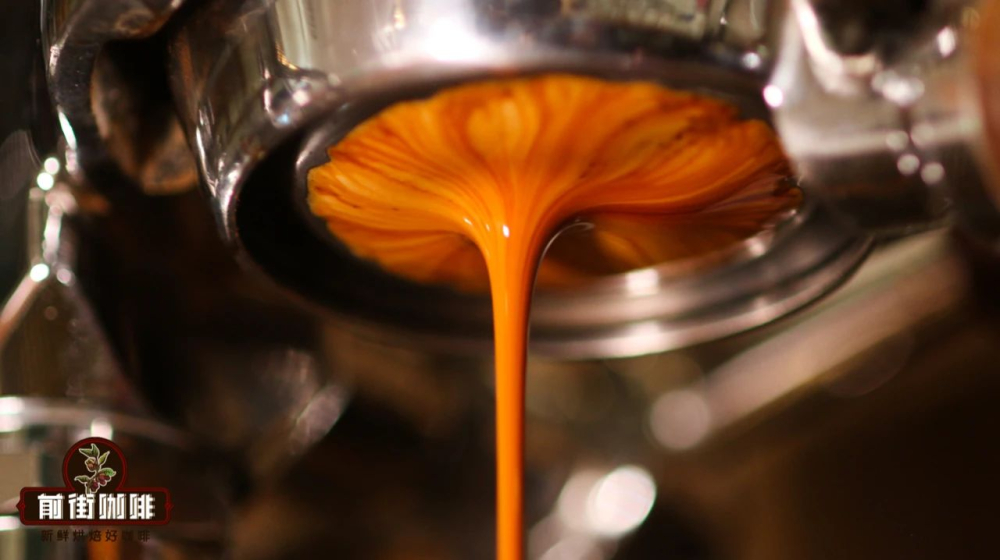
First, pour the melted chocolate into the cup, then extract 37g of espresso using 20g of coffee grounds and quickly stir to combine. Next, froth the fresh milk to about 50–55°C. When the milk frother emits 4–5 squeaking sounds, it indicates it has reached the velveting stage. Use a spoon to scoop some of the milk foam and draw circles on the surface of the chocolate and espresso mixture to create a solid white circle. Finally, slowly pour the remaining hot milk foam into the cup until full, then decorate with cocoa powder or chocolate chips. You can even lightly torch the surface with a flame gun to enhance aroma and visual appeal. If desired, you can also top it with marshmallows for decoration.
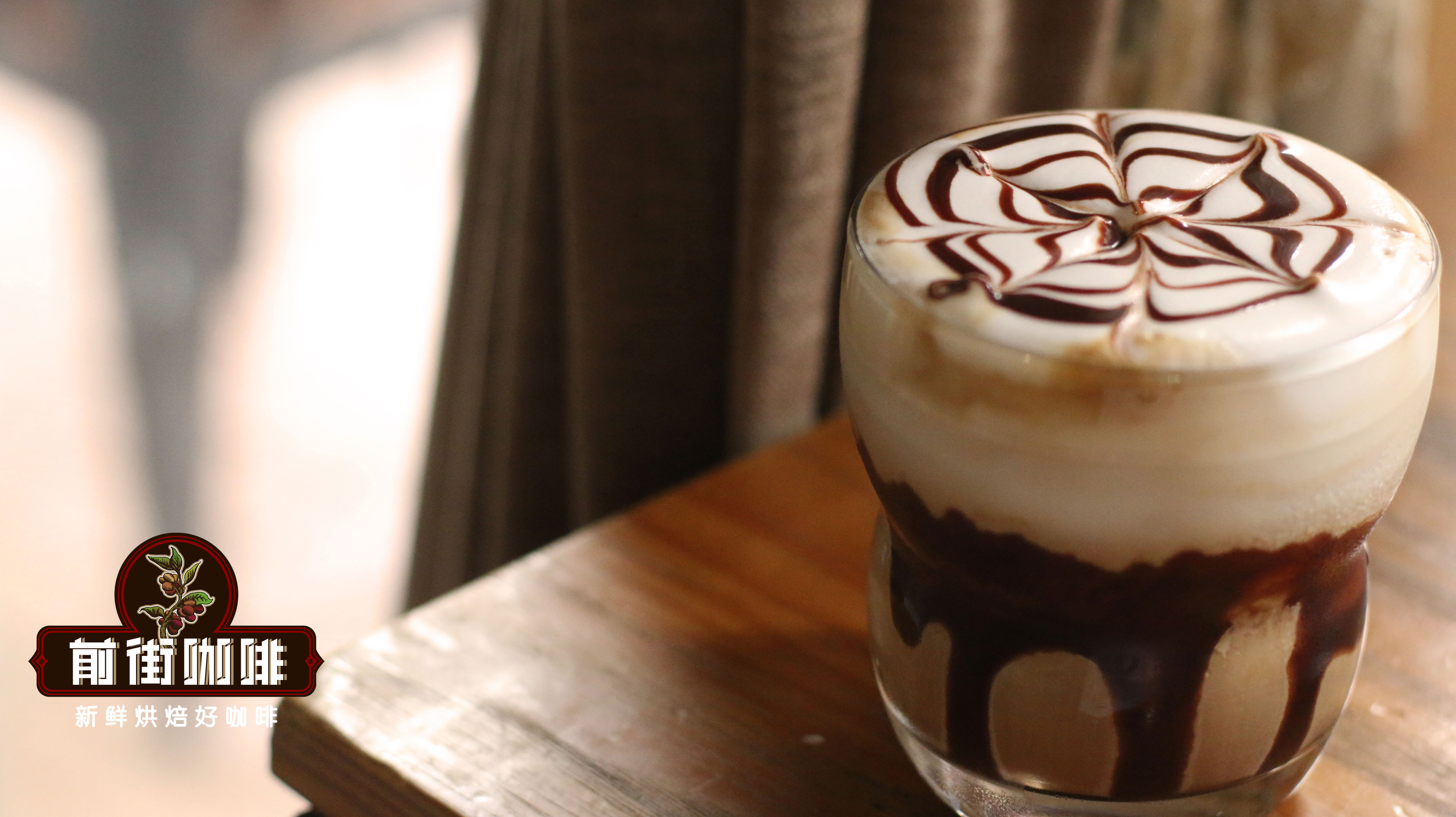
If it’s a hot summer day, iced mocha is often the top choice for many. It’s also simple to make, with the main ingredients being: a double shot of espresso, chocolate syrup, 200g of fresh milk, and ice cubes. First, prepare a clear glass cup, coat the inner wall with chocolate syrup as decoration, then add ice cubes and half of the milk. Next, mix the other half of the espresso with 10g of chocolate syrup and pour it into the cup. Finally, use a French press to froth the remaining milk, remove the surface foam, and pour it into the cup until full. Finish with chocolate syrup for latte art or decoration, and your refreshing and rich iced mocha is ready to enjoy.
The above content is compiled by CoffeeHunters, a coffee news website.


