







Introduction:The flavor extraction of pour over coffee is closely related to grind size. Different particle sizes affect water flow rate, extraction efficiency, and ultimately the taste. Understanding how to adjust grind size according to roast level and using a 0.85mm sieve to examine particle distribution can help you more precisely control extraction parameters and brew coffee with your desired flavor. This article will delve into the impact of grind coarseness on extraction and provide practical adjustment and testing methods.
The extraction outcome of pour over coffee is inseparably linked to the grind coarseness of the coffee grounds. The size of the coffee particles determines how easily water can penetrate the coffee bed, which directly affects the efficiency of flavor release. When the grind is finer, the coffee bed is denser, increasing water resistance and slowing down the flow rate. This extends the extraction time, often resulting in a richer and more intense cup. Conversely, if the grind is too coarse, water flows through too quickly, leading to under-extraction and a weak or thin flavor. So, how do you choose the most suitable grind setting for coffee beans of different roast levels? In the following, we’ll start from the principles of extraction, explore the actual impact of grind coarseness on flavor, explain common manifestations of grinds that are too fine or too coarse in practice, and introduce how to use a 0.85mm sieve to check whether the grind is appropriate.
When adjusting the extraction parameters for pour over coffee, water temperature, grind size, and coffee-to-water ratio are the three most critical factors affecting flavor. Among them, the grind setting not only determines the size of the coffee particles but also influences how evenly and efficiently water interacts with the coffee grounds. So, how do we find the most suitable grind coarseness for coffee beans with different characteristics? Next, we’ll detail the impact of grind size on coffee extraction, as well as practical adjustment strategies.
From practical experience, the impact of grind coarseness on extraction is quite evident. When the grind is set too fine, the stacking between coffee particles is tighter, reducing the gaps in the coffee bed. This increases resistance to water flow, slows down dripping speed, and lengthens the overall extraction time. As a result, more soluble substances are released, and the coffee typically tastes richer and fuller. However, if the grind is overly fine, it may lead to over-extraction, resulting in bitterness or off-flavors.
On the other hand, when the grind is too coarse, the gaps between coffee particles are larger, allowing water to pass through the coffee bed with less resistance and at a faster rate. This shortens the overall extraction time. Due to insufficient contact time, some flavor compounds are not fully extracted, leading to a lower extraction yield. The coffee often tastes lighter, and may even come across as overly bright or lack complexity.
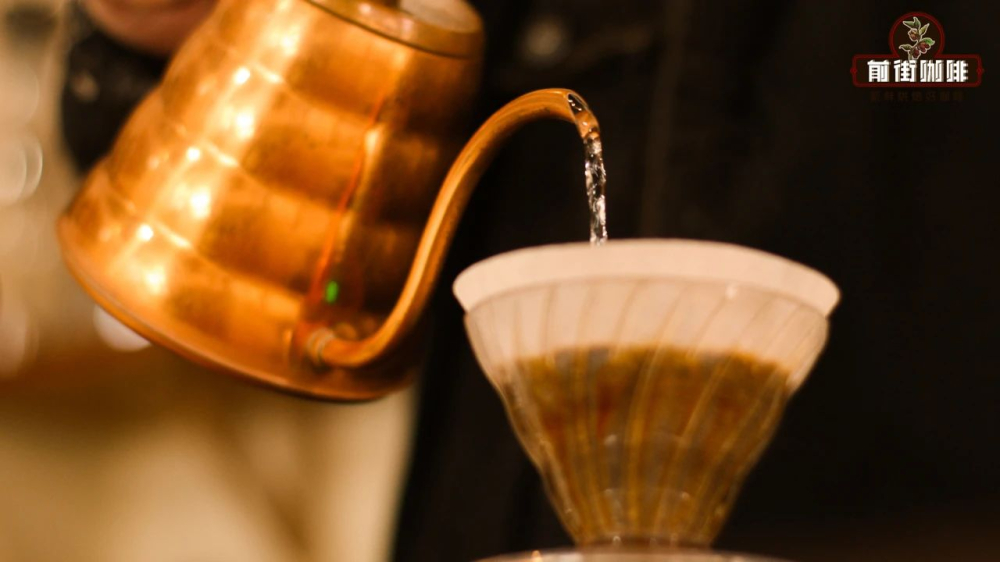
So, what are the specific manifestations of an overly fine grind in practice? First, due to the smaller particle size, the distance between particles is reduced, making it difficult for water to flow through smoothly. This causes a noticeable slowdown in filtration speed and a significant extension in dripping time. Additionally, fine particles tend to clump together, forming a paste-like texture that prevents the coffee bed from being fluffy. Even after brewing, it becomes hard to distinguish individual coffee particles, with the overall coffee bed structure appearing blurred, often compacted or pasty.
Conversely, if the grind is too coarse, the coffee particles are noticeably larger, and the spacing between particles increases. Water flows through the coffee bed with almost no obstruction, drastically shortening the extraction time. In this case, the coffee bed structure is usually looser and may even appear stratified or uneven. The particles lack tight cohesion, and individual grains are often clearly visible, affecting the stability of extraction and the integrity of the flavor.
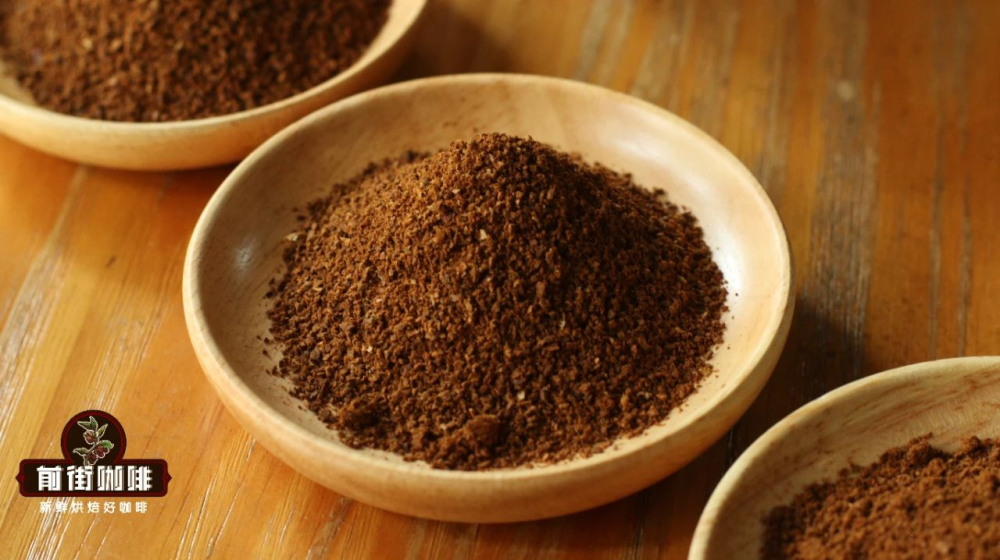
The coarseness of coffee grinding actually reflects the size of the coffee particles and their total surface area after being ground. The finer the coffee is ground, the greater its total surface area, which increases the contact area between water and coffee and helps extract more flavor compounds. However, finer particles also mean that carbon dioxide inside the coffee beans is more likely to be released. If not controlled properly, this may lead to uneven extraction or overly fermented flavors. Therefore, mastering the right grind coarseness is key to balancing extraction efficiency and flavor expression.
In daily pour over coffee preparation, although the coffee grounds may appear uniform, there can still be significant differences in particle size. Generally, the difference between the largest and smallest particles can exceed 0.6mm. Typically, particles larger than 0.85mm are considered coarse, while those smaller than 0.25mm are classified as extremely fine. If these two types of extreme particles make up more than 40% of the total coffee grounds, it may affect the stability of extraction and flavor expression, making them unsuitable for pour over brewing.
To more precisely control grind size, it’s recommended to use a 0.85mm test sieve for screening. The operation is very simple: first weigh out 10 grams of coffee beans, grind them to the preset grind size, then pour the coffee powder into the sieve and sift until no more powder can pass through. Next, weigh the coffee powder that has passed through the sieve. If the passing rate is as high as 75%-80% (i.e., 7.5 to 8 grams of 10 grams of coffee powder pass through), it indicates that the grind size is very suitable for medium to light roasted coffee beans. If the passing rate falls between 65%-70% (i.e., about 6.5 to 7 grams of 10 grams pass through), it’s more suitable for medium to dark roasted beans. If the measured result is outside the ideal range, you can adjust the grinder’s grind coarseness accordingly—reduce the grind size if the passing rate is too high, or increase it if it’s too low, until you achieve the optimal extraction conditions.
The above content is compiled by CoffeeHunters, a coffee news website.


