







Introduction:When coffee enthusiasts shop for green beans, they often come across labels such as "Yirgacheffe G2" or "Kenya Washed AA." These letters and numbers represent the quality grading systems of different origins. Each country grades its green beans based on factors like bean size, defect rate, growing altitude, hardness, and cupping flavor, which ultimately affect the flavor profile and pricing. This article delves into the grading logic and naming conventions of major coffee-producing countries including Ethiopia, Kenya, Colombia, Tanzania, Brazil, and Jamaica, helping you accurately assess the quality potential of each green bean.
Have you ever been puzzled by labels showing G1, G2, AA, or PB when selecting green coffee beans? These are not random markings but rather classifications based on rigorous standards used by producing countries to categorize green coffee quality. From the physical appearance, defect ratio, growing altitude, and bean hardness to the flavor scores from professional cupping, all these factors influence the final grade — and directly determine whether your brewed coffee can showcase the unique characteristics of that origin.
Next, we will focus on major coffee regions such as Ethiopia, Kenya, Tanzania, Colombia, Brazil, and Jamaica, explaining how each uses different evaluation criteria to classify green beans into various grades. We’ll also clarify common misconceptions, giving you a more informed basis for selection and a deeper understanding of the potential and characteristics behind each bean.
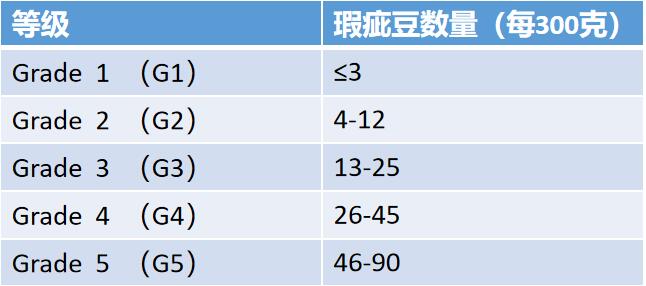
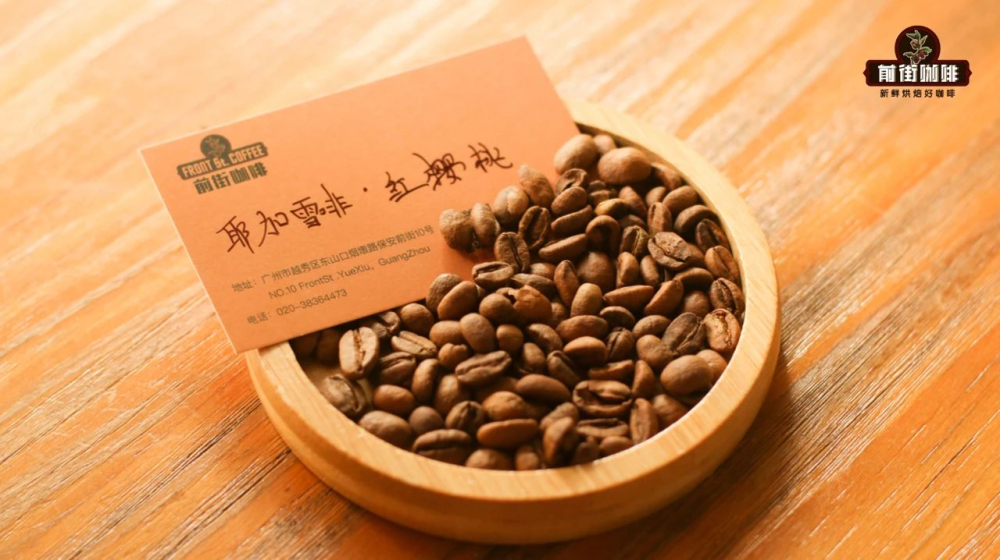
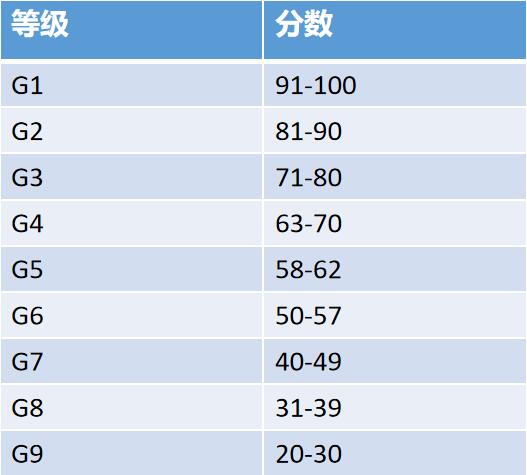
First, let’s look at Ethiopia, a major coffee-producing nation with numerous renowned micro-regions. Its green bean grading system has undergone adjustments over time. Before the establishment of the Ethiopian Commodity Exchange (ECX) in 2008, the grading of green beans was primarily based on the CUPPING AND LIQUORING UNIT (CLU) under the Ministry of Agriculture, using the number of defects in a 300g sample as the main criterion. At that time, washed beans generally fell into G1 to G2 grades, while natural (sun-dried) beans, due to less mature processing techniques, were mostly G3 to G5. However, as processing methods have improved, high-quality natural beans today can also achieve G1 or G2 grades.For example, some premium natural lots from Yirgacheffe, such as red cherries and fruit dings, are classified as the highest grade, G1.These are ideal for coffee lovers seeking rich and layered flavor profiles.
Since the establishment of ECX in 2008, the grading system has shifted to take into account both the physical characteristics of the beans and their cupping flavor performance. ECX classifies coffee into three categories: Specialty, Commercial, and Local/Domestic. Among these, Specialty and Commercial grades are suitable for export, and are divided into nine levels based on combined physical and cupping scores. Physical characteristics account for 40% (such as defect count, appearance size, color, and aroma for washed beans; defect count and aroma are more emphasized for natural beans), while cupping performance makes up 60%.If G1 and G2 beans score 85 points or above in cupping, they are categorized as Q1 Specialty grade; 80–85 points as Q2; and below 80 points remain as G3.These grades influence the final export positioning and market value.
Turning to Kenya in East Africa, its grading system is primarily based on green bean size. The E grade represents the largest beans, with a diameter of about 18 mesh or above. However, these are actually two seeds abnormally fused together, making them defective beans, and they are extremely rare.The AA grade is the most common specialty grade, with a diameter of about 17–18 mesh (approximately 6.7–7.1mm). Though commonly seen as a symbol of high quality, it only refers to size and does not directly equate to the best flavor.The AB grade is the primary export grade, consisting of a mix of A grade (about 6.8mm) and B grade (about 6.2mm), with a diameter of about 15–16 mesh. It is also a popular choice often recommended by many coffee shops. Other grades such as PB (Peaberry, small round beans), TT, T, and C represent smaller, lighter, or higher-defect batches. PB, due to its unique flavor, is often sold separately.
Tanzania’s grading system is very similar to Kenya’s, also primarily evaluating green bean size. In addition, many Central and South American producing countries such as Guatemala, Costa Rica, and Panama grade beans based on altitude and bean hardness. The higher the altitude and the greater the day-night temperature variation, the longer the growth period, resulting in harder beans, typically classified as SHB (Strictly Hard Bean), emphasizing their rich and complex flavor potential. Countries like Honduras, El Salvador, and Nicaragua also directly use altitude as a grading criterion, where higher altitude often indicates better quality.
In Latin America, Colombia uses “screen size” for grading, consistent with many other producing countries, emphasizing the uniformity and integrity of green bean appearance. Brazil, on the other hand, employs the so-called NY grading system, with naming conventions typically structured as “country + region (or port) + grade name + cup quality,” such as Brazil Santos NY.2 FC, which denotes a Grade 2 bean from Brazil’s Santos region, with FC (Fine Cup) being the highest cup quality rating.Brazil considers beans with absolutely no defects to be eligible for NY.1, but since this is practically difficult to achieve, the highest grade in the market is usually NY.2.It is further subdivided into Fine Cup, Fine, Good Cup, Fair Cup, Poor Cup, and Bad Cup based on cupping results.
Finally, Jamaica’s grading is also based on green bean screen size, but the most notable is its Blue Mountain coffee. Blue Mountain No. 1, No. 2, No. 3, and Blue Mountain Peaberry are the world’s only top-tier coffees exported in wooden barrels, available in 70kg, 30kg, and 15kg sizes respectively, while other grades are packed in 60kg sacks. Blue Mountain coffee is famed for its balanced and delicate flavor, making it a highly sought-after collectible among coffee connoisseurs.
In summary, although the grading methods for green coffee beans vary by country, they all revolve around evaluating the physical conditions and flavor potential of the beans. Understanding these grading systems not only helps you make smarter purchasing decisions but also allows you to better appreciate the regional characteristics and processing techniques behind each coffee. Whether you're a beginner or an experienced coffee enthusiast, mastering this knowledge can make your coffee journey richer and more enjoyable.
The above content is compiled by CoffeeHunters, a coffee news website.


