







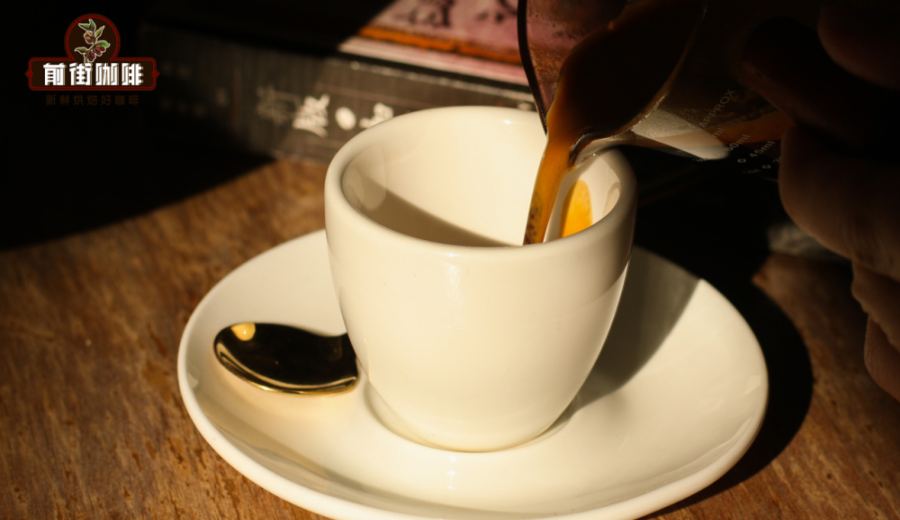
Introduction:Gain an in-depth understanding of the characteristics and advantages of Italian-style espresso blends, and master the key parameters for crafting a professional-grade espresso, including ideal coffee-to-water ratios, water temperature settings, and grind sizes. This article will break down common blend compositions, flavor profiles, and important considerations during the extraction process, helping you—whether at home or in a café setting—brew rich and full-bodied espresso bases.
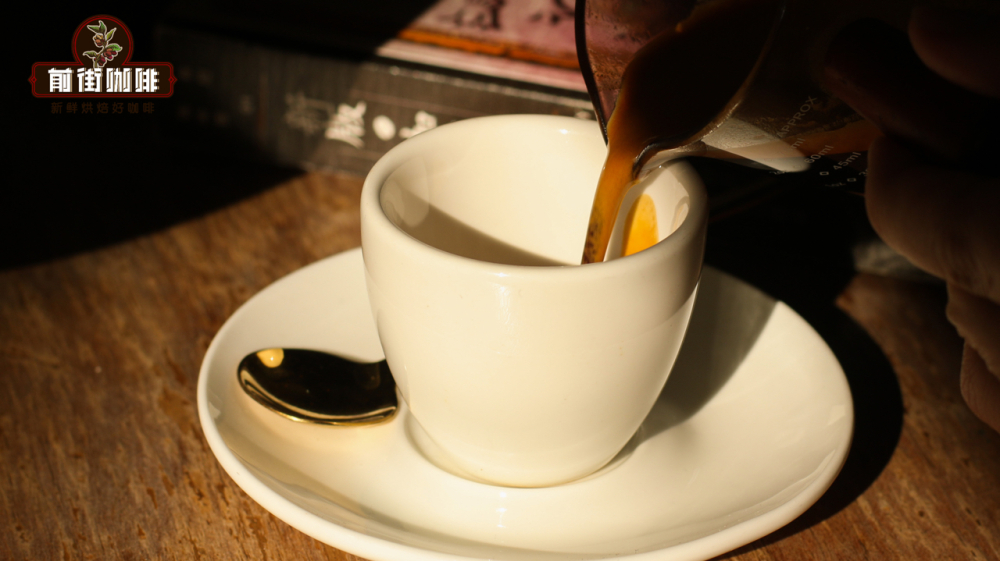
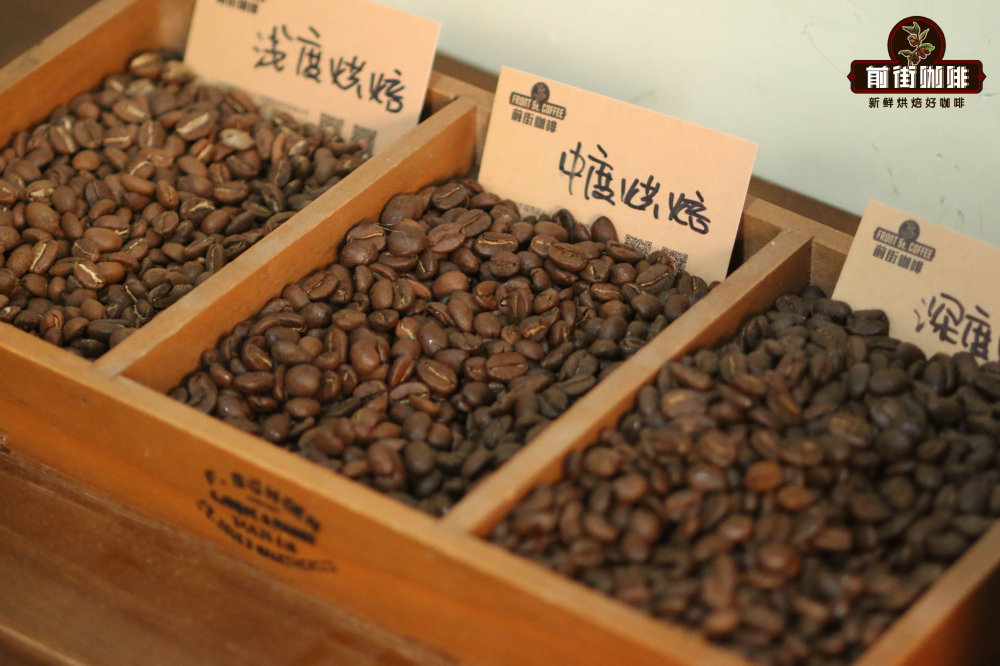
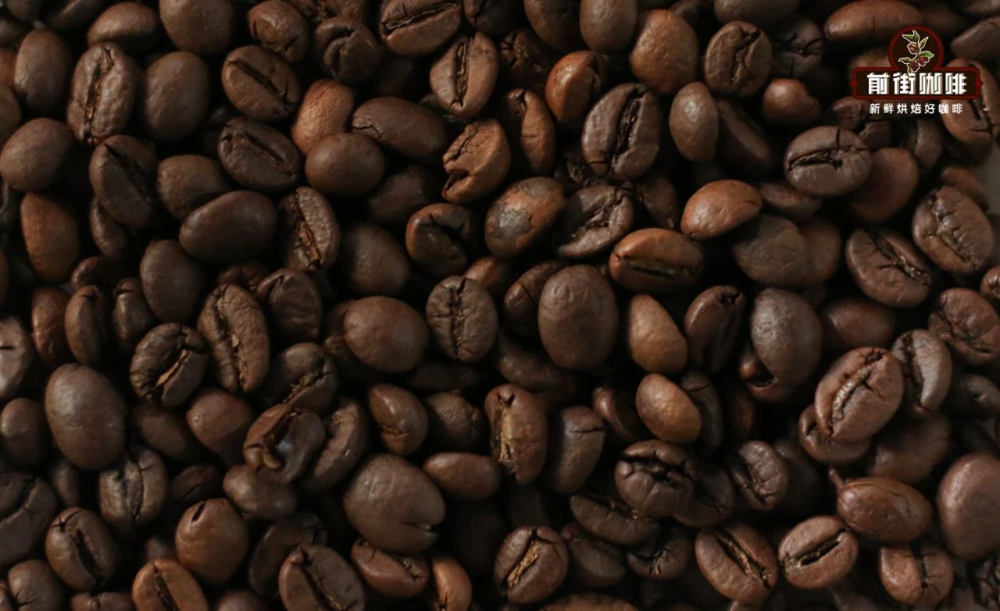
Espresso beans, as the name suggests, are specialty beans specifically designed for making Italian-style coffee. Compared to light-roasted beans suitable for pour over, which emphasize floral and fruity notes, espresso beans are usually medium to dark roasted or even post-second-crack dark roasted to bring out richer, bolder, and slightly bitter flavors, making them ideal for adding milk or other flavoring bases.
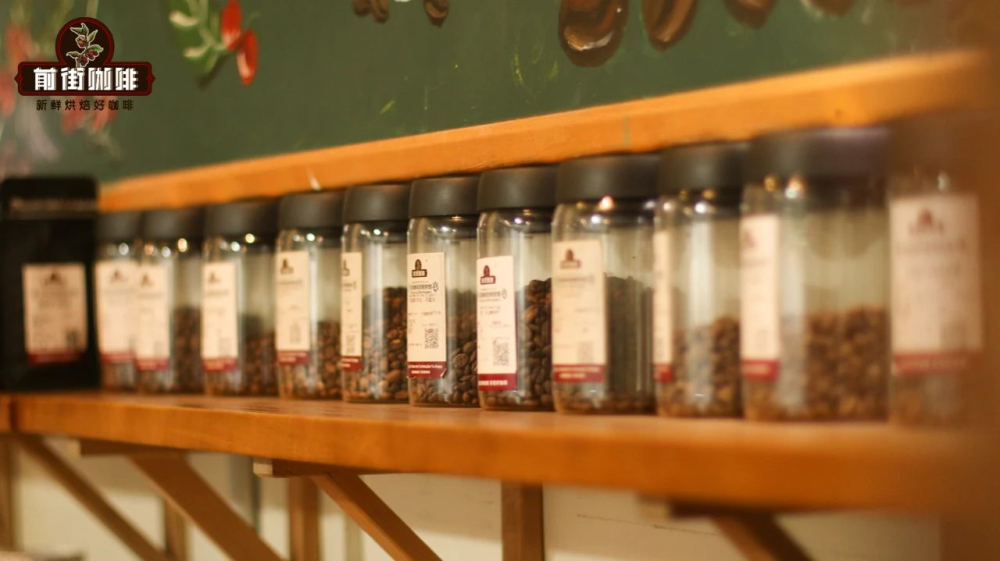
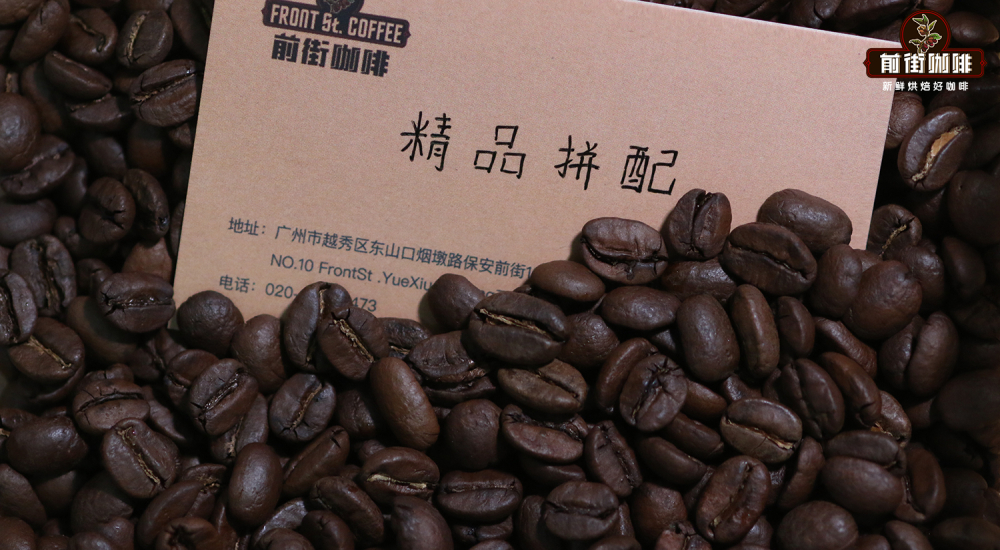
When it comes to bean selection, espresso beans are mostly blends. Blends aren’t exclusive to espresso, but due to their high flavor stability and cost-effectiveness, they have become the mainstream choice for espresso. Blending allows different beans from various regions and varieties to complement each other, achieving a balanced flavor profile, which is key to consistent output for many coffee shops.
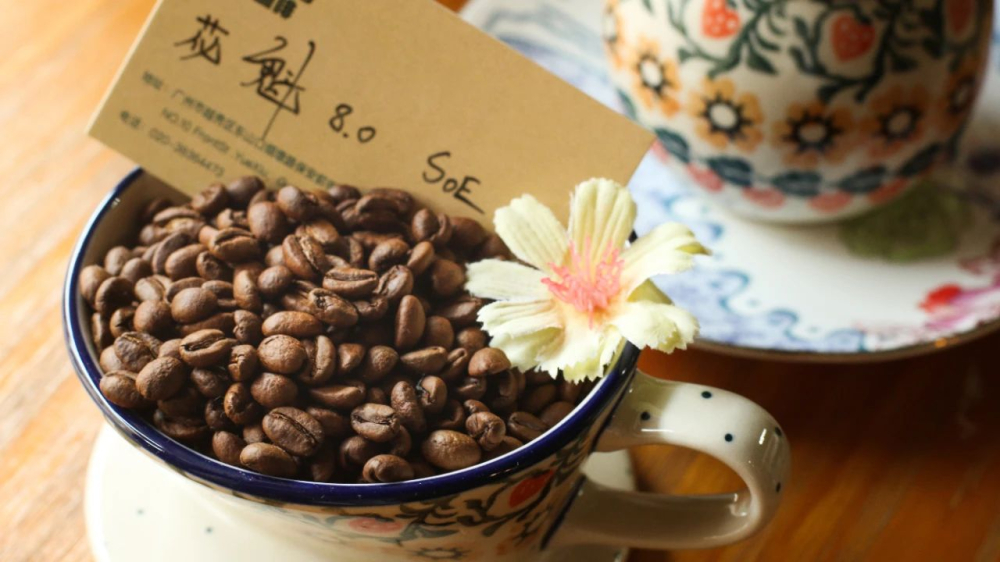
So, which coffee beans are suitable for making espresso? First, it’s important to understand the flavor characteristics of beans from different regions and varieties. Single-origin espresso (SOE) has gained significant attention in recent years—for example, Yirgacheffe with its distinct citrus notes, or Kenyan beans rich in fruity flavors. When brewed via espresso extraction, their unique flavor traits are further amplified. However, the flavor profile of SOEs is often more pronounced, and if roasting or grinding parameters are not properly adjusted, flaws may become more obvious. As such, not every single-origin bean is suitable as an espresso base.
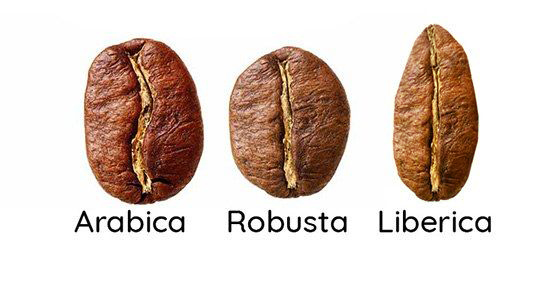
Common espresso blends are typically made from a mix of Robusta and Arabica, or from two or more Arabica varieties. Robusta beans are generally rounder in shape, with a straight centerline, offering intense bitterness, high caffeine content, and rich crema (foam), often used to enhance overall body and intensity. Arabica beans, on the other hand, are longer and oval-shaped, with an S- or C-shaped centerline, and offer complex aromas that vary by region and altitude—showcasing fruity, floral, caramel, or even chocolatey notes—making them well-suited for blends aiming for layered complexity.
In practice, it is recommended to keep the Robusta content in an espresso blend between 10% and 20%. Exceeding this range may lead to noticeable rubbery or off-flavors, negatively affecting the overall taste. Common blend combinations include: 100% Arabica beans like Colombia and Brazil, which offer balanced flavors and are suitable for everyday drinking; or blends with a small amount of Robusta added to enhance crema and intensity, ideal for milk-based coffees like lattes and cappuccinos.
Key parameters for extracting espresso include coffee-to-water ratio, water temperature, and grind size. The following are general recommended ranges:Coffee-to-Water RatioIt is recommended to be between 1:2 and 1:2.5, meaning 20 grams of coffee grounds yield 40 to 50 milliliters of espresso.Water TemperatureGenerally set between 90°C and 92°C, though actual temperature may be slightly adjusted depending on the machine and bean variety.Grind SizeShould be adjusted to very fine to prolong water flow time, typically with an extraction time controlled between 25 and 30 seconds to achieve optimal concentration and body.
Beyond these basic parameters, tamping pressure, coffee dose, and extraction time are also crucial factors influencing the outcome. Common tamping recommendations involve applying even pressure of about 20 to 30 pounds (approximately 9 to 13 kilograms). For a single shot of espresso, use 12 to 14 grams of coffee, and for a double shot, use 20 to 22 grams, yielding approximately 20 to 21 grams and 40 grams of espresso respectively. If the extraction time is too short, it may result in under-extraction, leading to prominent acidity and weak body. If too long, over-extraction can occur, producing bitter and off flavors.
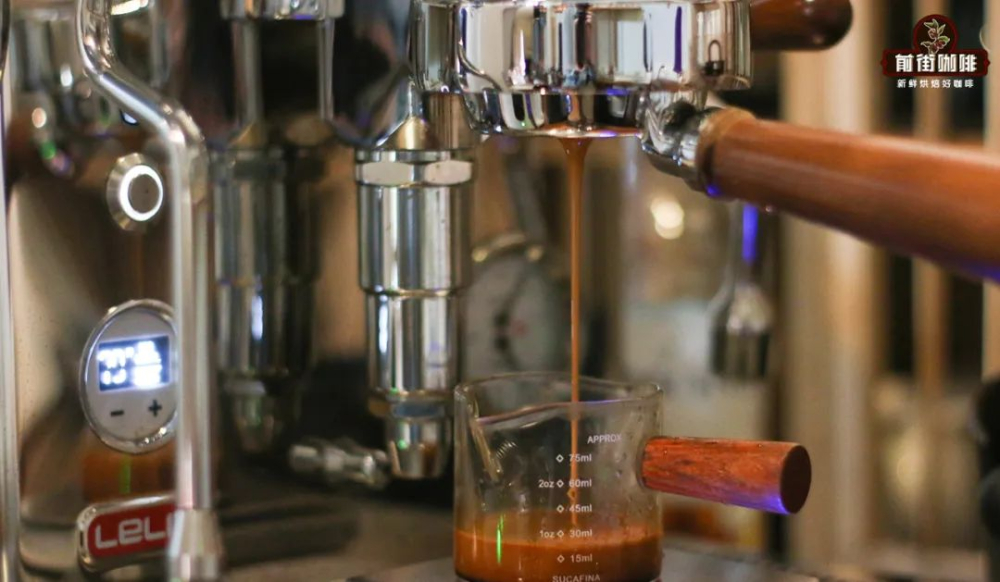
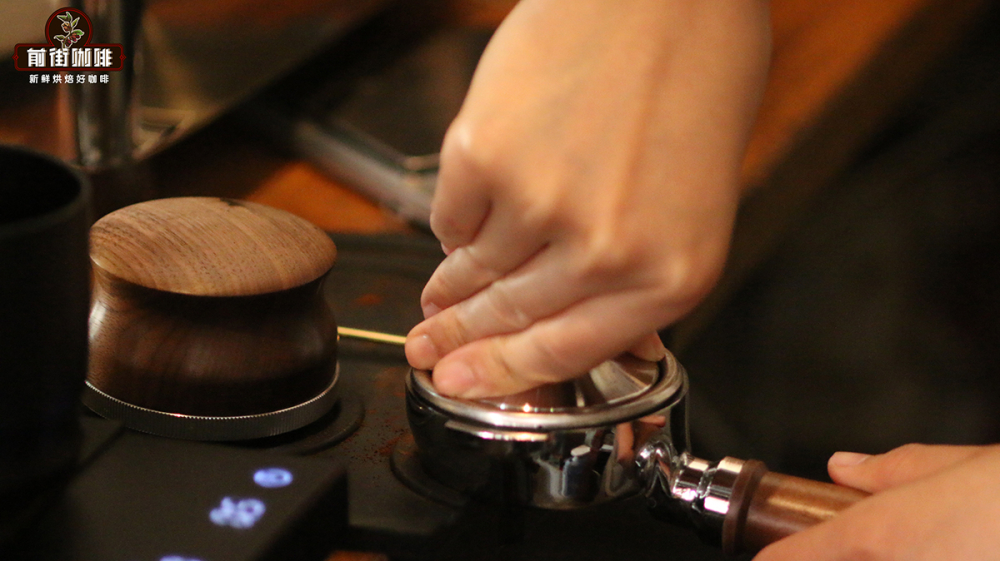
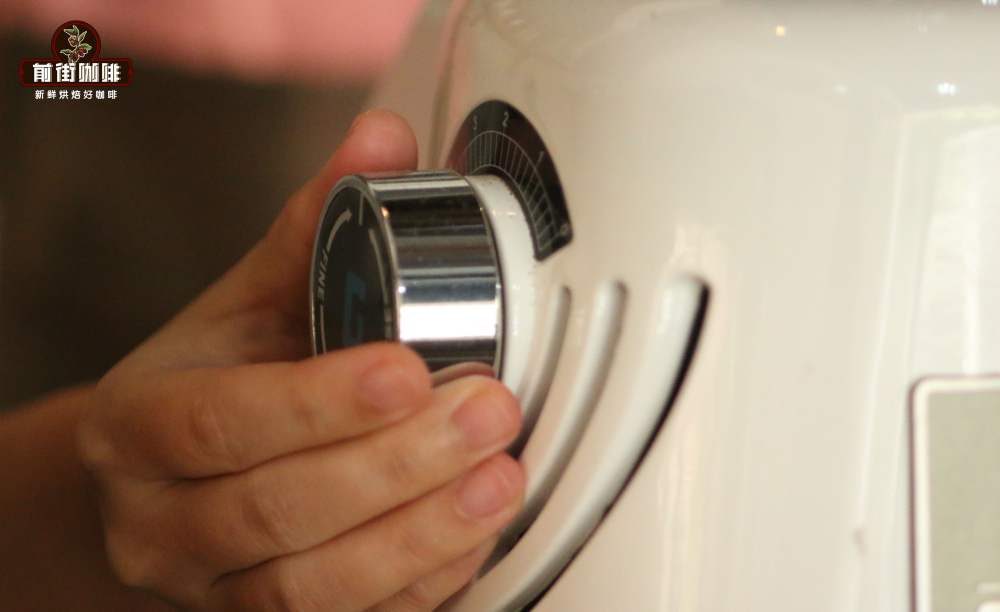
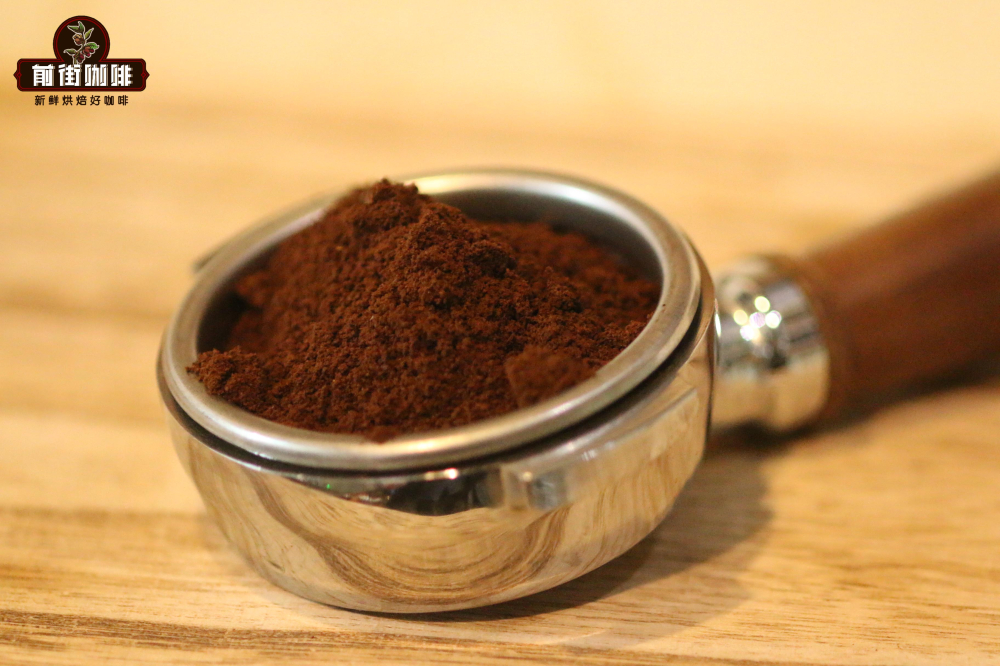
In practice, it is recommended to first dry the portafilter, fill it with an appropriate amount of coffee grounds (e.g., 20 grams), distribute the grounds evenly using a distribution tool, then tamp uniformly with a tamper. Next, attach the portafilter to the machine’s group head, start the extraction, and observe whether the target weight (e.g., 40 grams) is reached within 28 to 32 seconds. An ideal espresso should have a rich body, bright yet non-harsh acidity, noticeable sweetness, along with a lingering aftertaste and a stable crema layer.
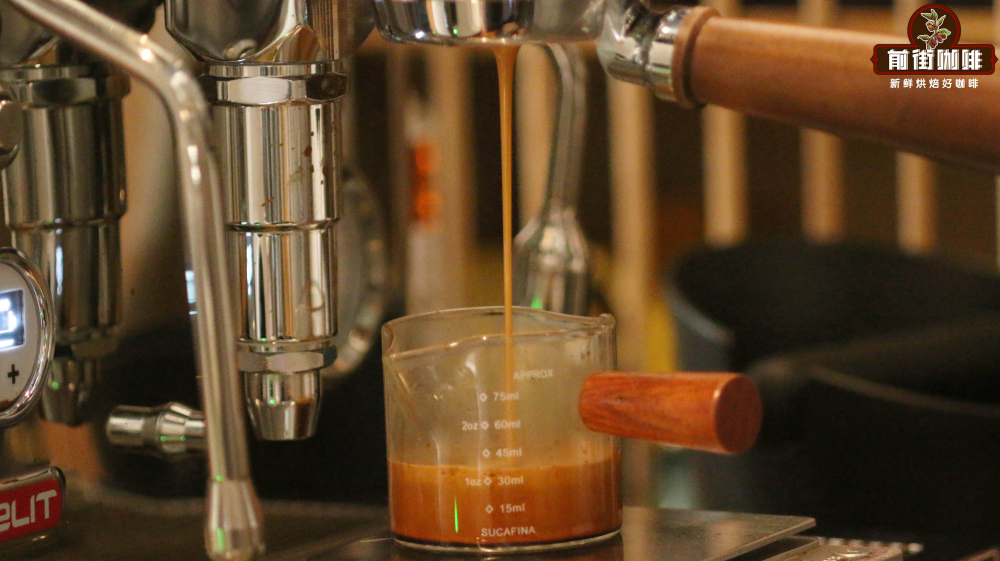
In summary, espresso blends are a popular choice among most coffee enthusiasts and shop owners due to their stable flavors, boldness, and suitability for pairing with milk. Whether you’re just starting out or already experienced, as long as you master core parameters such as coffee-to-water ratio, water temperature, grind size, and extraction time, you can gradually adjust to create your own—or your shop’s—ideal espresso flavor.
The above content is compiled by CoffeeHunters, a coffee news website.

