








Introduction:There are notable differences in bean variety selection between espresso and pour over coffee. Understanding the design logic behind blends can help you better grasp coffee flavors. This article delves into the principles behind espresso blend production, the distinctions from single-origin beans, and the flavor considerations behind blending. It also analyzes common blending methods and practical advice to give you more confidence in selecting beans and extracting coffee.
What Are Espresso Blend Coffee Beans?
Many coffee enthusiasts know that pour over coffee often uses single-origin beans from a specific region—such as Ethiopia’s Yirgacheffe or Indonesia’s Mandheling—each showcasing unique regional flavor characteristics. In contrast, espresso typically uses blends, which are carefully crafted by combining beans from different regions in specific proportions and with harmonious flavor profiles. Blending is not random; it requires balancing acidity, sweetness, bitterness, body, and aroma to create a well-rounded and layered espresso shot.
The Design Philosophy Behind Espresso Blends
Blending coffee is considered an art. Roasters must be familiar with the flavor profiles of beans from different regions and use precise ratios and roasting strategies to allow the unique traits of each bean to complement one another. Typically, blends consist of 2 to 6 types of beans—using too many can dilute their individual characteristics. Blending isn’t limited to different origins; it may also involve mixing beans of varying roast levels or even combining fresh and aged beans to develop a richer flavor spectrum.
Why Use Blended Coffee?
The history of blended beans dates back to Italy, where the popular espresso required a stable and bold foundation. Single-origin beans often have distinct flavors but come with higher risks—for example, excessive acidity or insufficient sweetness. Blending helps balance these traits, delivering a more consistent taste. Moreover, blends usually offer better cost efficiency, are suitable for large-scale use, and can mitigate the impact of annual climate variations on the flavor of single-origin beans, ensuring product stability.
Are Single-Origin Beans Unsuitable for Espresso?
While single-origin beans have standout flavors, the high-pressure extraction of espresso machines can amplify certain characteristics—such as the pronounced acidity of Yirgacheffe or the heavy bitterness of Mandheling—easily leading to flavor imbalance. Blends, on the other hand, can reduce the intensity of extreme flavors through complementary beans, resulting in a more balanced and rich taste. This is why the vast majority of espresso drinks use blended beans.
What Are the Blending Methods? Differences Between Pre-Roast and Post-Roast Blending
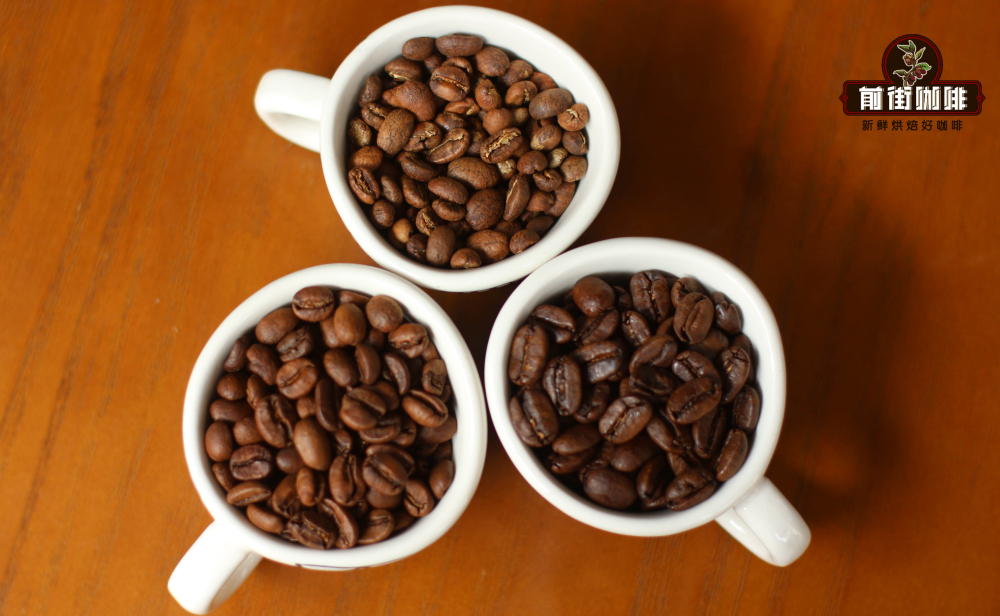
Blending can be divided into pre-roast (生拼) and post-roast (熟拼). Pre-roast blending involves mixing different beans before roasting them together. Its advantage is consistent flavor and simpler quality control, but it requires choosing beans with similar roast levels; otherwise, it may affect their inherent characteristics. Post-roast blending means roasting each bean to its optimal state individually before mixing, allowing each bean’s features to shine fully. However, this method is more complex to manage, requiring attention to different roast dates and resting times. Both approaches have pros and cons, with the goal being to achieve the best possible flavor expression.
Blending Strategies: Combinations of Origins and Varieties
Blends can be designed based on origin or variety. Origin-based blends often combine the fruity acidity of African beans with the sweetness of Central American beans—for example, pairing Honduras Sherry with Yirgacheffe Natural. The former provides a rich, wine-like body, while the latter adds layers of bright fruit acidity. Variety-based blends might mix specialty varieties like Geisha, though they’re often labeled as blends, mainly to highlight specific flavors. It’s worth noting that variety blending still differs from traditional blending, but both can deepen the complexity of coffee flavor profiles.

Analysis of Four Classic Espresso Blends
In practice, blends can be categorized by flavor and purpose. For instance, the ‘Dark Cocoa Blend,’ primarily composed of Yunnan and Brazilian beans in a 3:7 ratio, offers a mild flavor with chocolate and nutty notes, suitable for budget-conscious shops or home use. The ‘Commercial Blend’ incorporates a small amount of Robusta, providing intense caramel and cocoa aromas, ideal for cafés with high daily output. The ‘Premium Blend’ consists of Colombian and Brazilian beans, balancing acidity and sweetness with good crema performance. The ‘Sunflower Warmth Blend’ combines Honduras Sherry and Yirgacheffe Red Cherry in a 6:4 ratio, showcasing rich fruit acidity, berry aromas, and a strong chocolate finish—making it a top choice for many espresso drinks.
Understanding the principles and practical applications of blended beans can help you select the most suitable coffee beans more precisely. Whether for home brewing or café use, you can find the perfect match tailored to your needs.




The above content is compiled by CoffeeHunters, a coffee news website.

