







Introduction:As a representative of premium Sumatran coffee, Golden Mandheling is renowned for its full-bodied and robust flavor profile, along with its distinctive spicy and dark chocolate aftertaste. This article delves into the background of its varietal evolution, the characteristics of Indonesia’s wet-hulling process, and how to identify authentic Golden Mandheling produced by the PWN company. It also provides detailed pour over parameters, including dosage, water temperature, brew ratio, and a three-stage extraction method, helping you easily brew a well-balanced and layered cup of Mandheling.
Golden Mandheling is one of the top-tier Arabica coffees from Sumatra, Indonesia. Although it is often mistakenly thought to originate from the Typica variety, most of what is available today is actually made from the locally common Catimor variety (known as Ateng in Indonesia). The history of Indonesian coffee dates back to the late 17th century when the Dutch introduced Typica from India and successfully planted it in Java, gradually expanding cultivation to Sumatra, Sulawesi, and other regions. However, the leaf rust epidemic of 1869 nearly wiped out most Typica-growing areas, prompting farmers and the government to seek more disease-resistant alternatives.
To compensate for yield and disease resistance, Indonesia gradually introduced Robusta, followed by hybrid varieties such as Tim Tim and Ateng (i.e., Catimor). These varieties not only adapted to Sumatra’s high humidity and rainy climate but also imparted unique herbal, spicy, and woody aromas to the coffee — key contributors to the region’s signature flavor profile. The wet-hulling process was thus developed as a special processing method tailored to these varieties and climatic conditions.
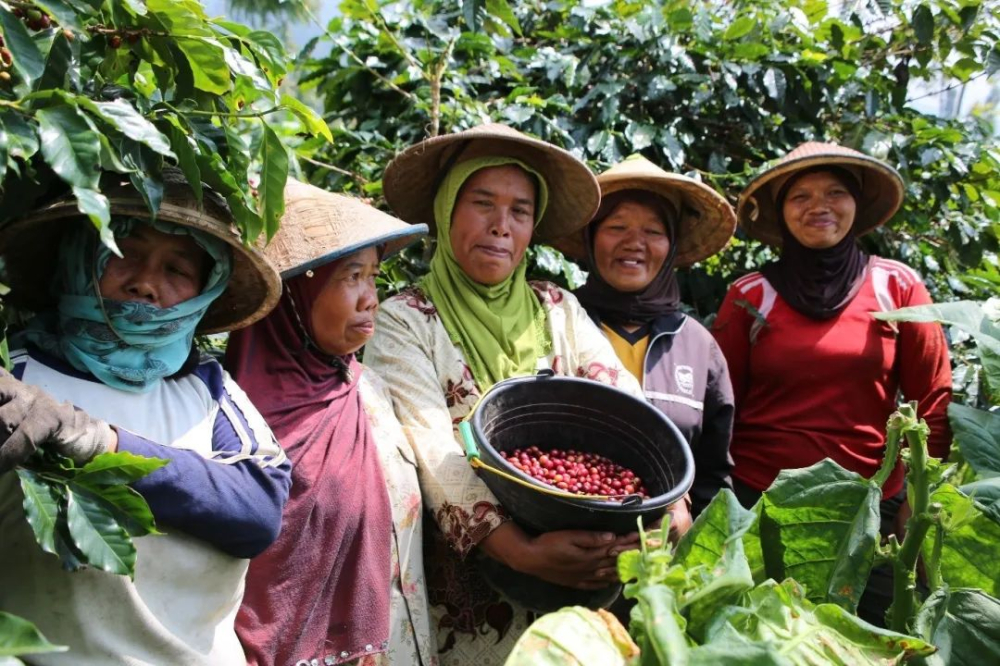
Indonesia’s average annual humidity is relatively high, ranging between 70% and 90%, making traditional washed processing unfavorable as green beans are prone to mold during prolonged drying. As a result, the wet-hulling method was developed locally to shorten processing time while creating a rich and layered regional character. This method involves first removing the coffee cherry pulp, followed by about 3 hours of fermentation and washing. The beans, still wrapped in their parchment, undergo only a brief initial drying phase until their moisture content reaches approximately 20–24%. At this point, the outer parchment layer is removed before the beans continue drying to the target moisture level of 13%. Because the parchment is removed early, the beans are more susceptible to external moisture during subsequent drying, often resulting in pressure marks or cracks that give them the distinctive “elephant ear” appearance. Nevertheless, wet-hulled coffee typically exhibits intense earthy, cedar, spicy, and herbal “fermented” notes — the captivating flavor traits that define Sumatran coffee.
The story of Golden Mandheling dates back to World War II when Japan occupied Sumatra. Japanese soldiers first encountered Mandheling coffee processed via wet-hulling and were deeply impressed by its deep, bold flavors. Legend has it that when one soldier asked the café owner for the name of the coffee, a language barrier led to a misunderstanding — the owner mentioned the region “Mandailing,” which the soldier misheard as “Mandheling.” After the war, the soldier commissioned an Indonesian coffee broker to procure large quantities of this coffee, which received high praise in the Japanese market. This success led to the establishment of the PWN Coffee Company, which remains the sole authorized producer of genuine Golden Mandheling today.
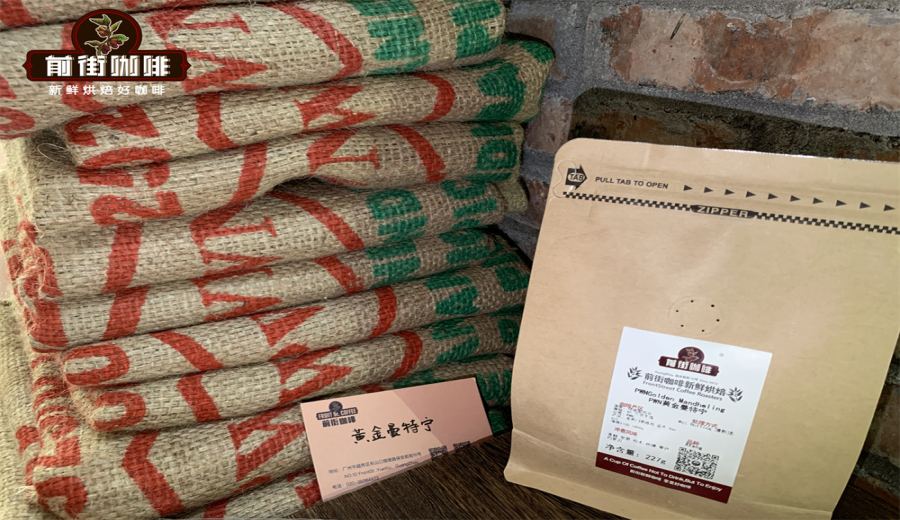
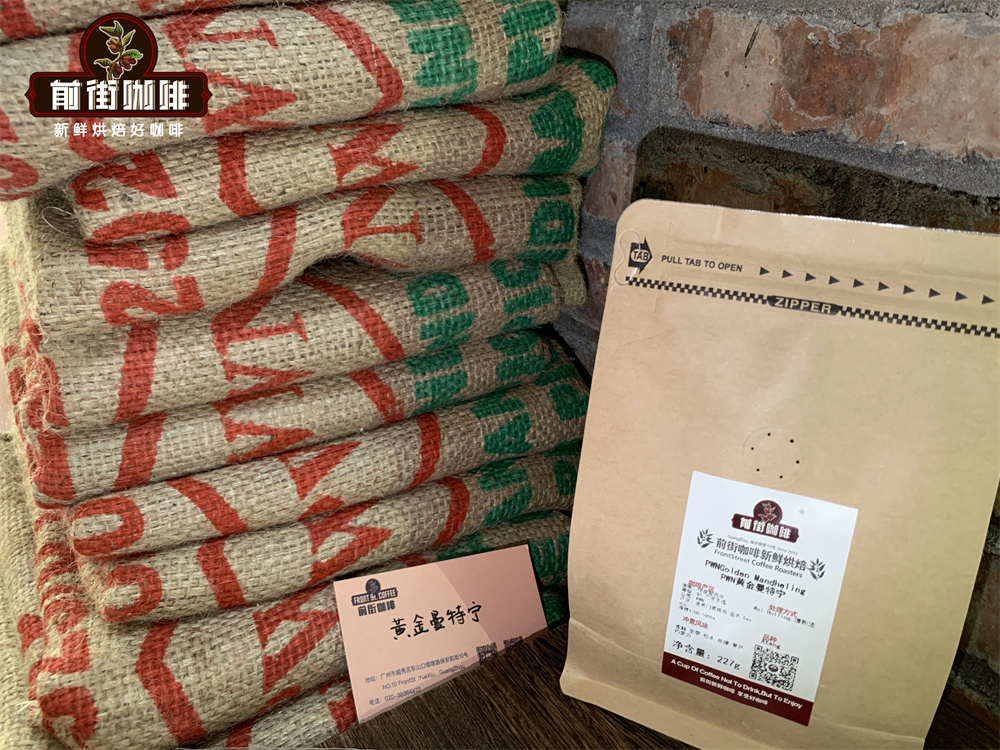
The PWN company rigorously selects high-quality Mandheling green beans from Sumatra’s growing regions and employs multiple rounds of manual sorting to remove defective beans. This ensures that every bean is uniform in size, intact in appearance, and minimally affected by impurities or off-flavors. Many so-called “Golden Mandheling” coffees on the market are not actually produced by PWN. Authentic versions must bear the official PWN jute sack logo and come with origin certification documents. When purchasing, it is advisable to carefully verify these two pieces of information to confirm they are from the original PWN factory and avoid counterfeit products.
In terms of brewing, Golden Mandheling’s full-bodied and robust nature makes it especially well-suited for pour over methods that highlight its delicate spicy, dark chocolate, and nutty notes. We recommend using a KONO filter cone, whose structural design prolongs brew time, enhancing concentration and body — particularly ideal for dark roasts or bold Sumatran beans. Using 15 grams of coffee grounds with a 1:15 brew ratio (which can be fine-tuned to 1:13–1:17 based on taste preference), a water temperature of 87°C, and a medium-fine grind (approximately equivalent to 70% extraction through a #20 standard sieve in Taiwan) will fully bring out the layered richness and depth of Mandheling.
Here is a specific three-stage extraction recommendation: First, fully wet the filter cone to ensure the paper adheres snugly to the walls, then add the coffee grounds and gently level them. The first step involves pouring 30 grams of hot water for a 30-second bloom, during which you may observe the noticeable expansion of dark roasted beans. Next, steadily pour the second stage until you reach a total of 125 grams. Once the water level drops by about half, proceed to pour the third stage of 100 grams. Maintain a steady, thin stream of water throughout to avoid localized over-extraction or channeling. Once all the coffee has dripped through, gently swirl the coffee in the server before serving.
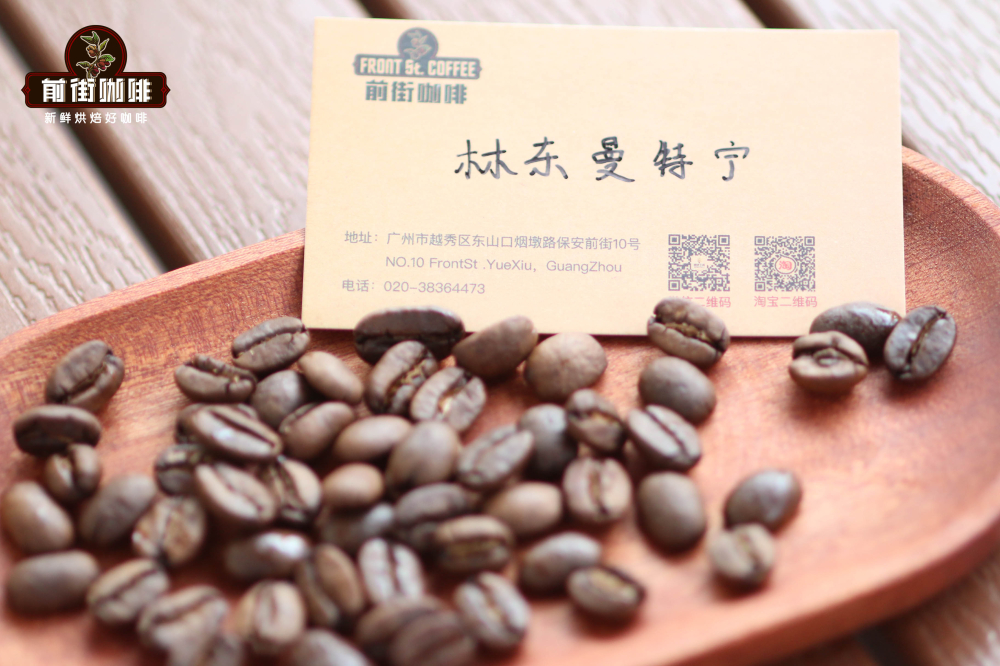
The brewed Golden Mandheling delivers a pronounced flavor of cedar, spices, and dark chocolate on the palate, with a long-lasting aftertaste accompanied by subtle caramel sweetness and nutty notes. The overall profile is balanced and profound, making it an excellent choice for those who enjoy medium-to-dark roasts and strong regional flavor profiles. Be sure to use freshly roasted beans, ideally within 5 to 14 days post-roast, to achieve the best flavor experience.
The above content is compiled by CoffeeHunters, a coffee news website.


