







Introduction:Since its debut at Panama's Hacienda Esmeralda, Geisha coffee has become the sought-after bean for specialty coffee enthusiasts worldwide. However, Geisha from different regions exhibits distinctly varied flavor profiles due to differences in geology, climate, and processing methods. This article delves into the growing environments, processing characteristics, and tasting experiences of Geisha from three major regions—Panama, Costa Rica, and Guatemala—from altitude and microclimate to the influence of washed, natural, and honey processing, helping readers grasp the unique charm and brewing recommendations of Geisha from each origin.
Geisha coffee originally hails from the Gesha forest in Ethiopia, where it was first discovered in 1931. It was then sent to the Kenya Coffee Research Institute before being introduced to Uganda, Tanzania, and Costa Rica. It wasn’t until around 1960 that it made its way to Panama. The variety truly rose to fame in 2004 when Hacienda Esmeralda in Panama won the Best of Panama (BOP) international competition with this cultivar, establishing its top-tier status in the specialty coffee world.
Although Colombia, Costa Rica, Guatemala, and even Yunnan, China, now grow Geisha, the terroir varies greatly, resulting in distinct cup profiles. Among them, Geisha from Panama, Costa Rica, and Guatemala, due to differences in altitude, climate, and processing techniques, showcase remarkably diverse aromas and flavor layers—making them especially worthy of deeper exploration.
The most renowned Geisha-growing region in Panama is undoubtedly Boquete, located in the Chiriquí Province, bordering Costa Rica and close to the Barú volcano. The volcanic soil is rich in minerals, and combined with high elevation and cool mountainous climate, it creates ideal growing conditions for Geisha coffee. Boquete’s varied terrain gives rise to diverse microclimates, with significant day-night temperature differences and evenly distributed rainfall, leading to slower coffee tree growth that aids in flavor compound accumulation.
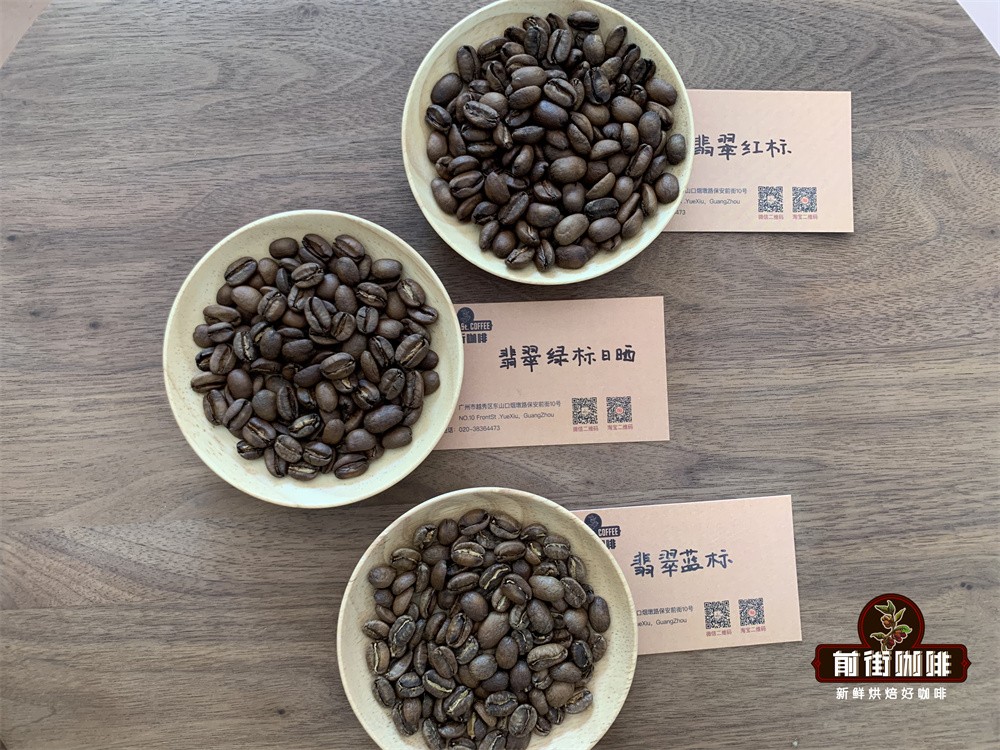
Among the many farms in Boquete, the Geisha from Hacienda Esmeralda has long been a benchmark in the specialty market. Its Red Label lots typically come from the high-altitude Jaramillo and Canas Verdes blocks, grown between 1600 and 1800 meters, often scoring above 90 points in cupping. The Red Label Geisha is mostly processed using the natural method, known for its pronounced rose floral notes and berry-like acidity and sweetness—it’s a dream coffee for many enthusiasts.
The Green Label lots, while not auctioned, are equally outstanding. These Geishas usually consist of beans from various plots, also grown between 1600–1800 meters, and include both washed and natural processing methods. The washed Green Label Geisha showcases bright citrus, floral, and fruity acidity, with a clean and refreshing profile; the natural version retains a fresh base while adding more substantial fruit body and a layered, sweet complexity.
For a more affordable way to experience the charm of Panamanian Geisha, Geisha beans from other farms in the Boquete region are also great choices. They share the same advantages of high altitude and volcanic soil, offering clear citrus notes, honey-like sweetness, and a soft tea-like finish.
Although Costa Rica isn’t the birthplace of Geisha, its coffee industry is well-developed—especially in the Tarrazú region, where fertile volcanic soil, high altitude, and a humid climate are perfect for Geisha cultivation. Miramar Estate is one of the local representatives, and its Geisha blend combines Geisha with varieties like ET47, SL28, and Maico. ET47 is a lab-numbered variety commonly found in Costa Rica’s high-altitude areas.
Costa Rica is famed for its honey processing, particularly red honey processing. This method retains 100% of the fruit mucilage but doesn’t use heavy washing, demanding highly precise control over fermentation and drying. This process imparts a richer sweetness and fruit aroma while preserving Geisha’s distinctive floral character.
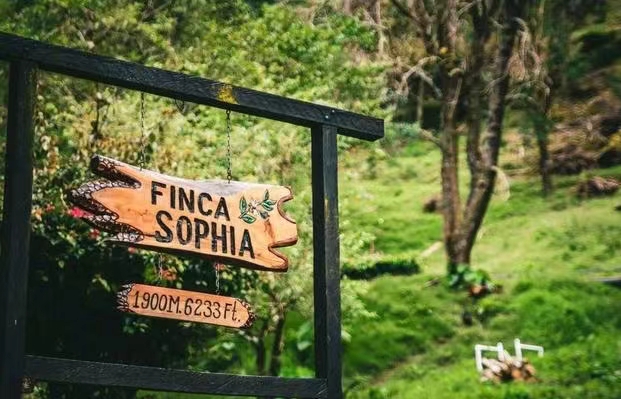
Guatemalan Geisha is represented by the Finca Injerto estate. Managed by the Aguirre family since 1900, the farm is located on the high-altitude plateau of Huehuetenango, certified by Rainforest Alliance, and committed to organic and eco-friendly cultivation. Here, Geisha is typically grown at elevations between 1500 and 1800 meters, with a dry climate, abundant sunshine, and notable day-night temperature variations, resulting in coffee with intense spice, caramel, and tropical fruit notes.
In terms of processing, Panamanian Geisha mainly uses natural and washed methods, highlighting bright acidity and floral-fruity notes; Costa Rica favors honey processing to enhance sweetness and fruit body; Guatemala often employs traditional washed or natural processes to underscore a rich, complex, spicy finish. Though all three regions grow Geisha, their unique terroirs and post-harvest choices lead to vastly different cup profiles.
For brewing, it’s recommended to use a medium-fine grind (e.g., 80% passing through a 20-mesh sieve), paired with a V60 dripper, at a coffee-to-water ratio of 1:15, with water temperature controlled around 91°C. Use a three-stage pour: start with a bloom using twice the coffee’s weight in water (about 30 grams) for 30 seconds, then pour in stages up to 125 grams and 225 grams, with total brew time around 2 minutes. This helps fully express Geisha’s delicate aromas and layered flavors.
Overall, Panamanian Geisha excels with elegant floral notes, bright acidity, and a tea-like finish; Costa Rican Geisha showcases rich fruitiness and sweet fruit body; Guatemalan Geisha stands out with a full-bodied base and spicy, caramel finish. Whether you’re a beginner or a seasoned coffee lover, you can choose the origin and processing style that best suits your taste preferences to explore the diverse charm of Geisha.
The above content is compiled by CoffeeHunters, a coffee news website.


