








Introduction:Mastering coffee grind size is the first step to brewing your ideal cup. This article dives deep into the real-world relationship between grinder settings 1–10 and actual particle fineness, detailing the precise grind ranges needed for various brewing methods such as pour over and French press, and providing specific EK43 grinder scale references. Additionally, through a hands-on tutorial using a 0.85mm sieve, it teaches you how to verify grind uniformity yourself and solve common issues like over-extraction or under-extraction.
The soul of coffee flavor starts with the grind. Particles that are too fine can release excessive bitter and astringent compounds, while overly coarse particles may result in weak flavor — and the commonly seen 1 to 10 grind settings on grinders are the key to adjusting this delicate balance. Many coffee enthusiasts are often puzzled by these numbers: does a smaller number mean a coarser or finer grind? How should different brewing methods correspond to the appropriate grind size? Starting from fundamental principles and combining practical experience, we will guide you through a systematic understanding of how grind fineness affects the brew, along with practical calibration references for the EK43 grinder.
The fineness or coarseness of coffee grinding is essentially a means of controlling the efficiency of water contact with coffee grounds.The finer the particles, the greater the total surface area, and the faster the water extraction speed, which can release more flavor compounds but risks over-extraction;the coarser the particles, the longer the extraction time, the more moderate the flavor release but potentially insufficient. These physical differences directly affect the final coffee's concentration, acidity-sweetness balance, and aftertaste performance.
Regarding the common question "Which number from 1 to 10 represents the finest coffee grind?", the answer is:The smaller the number usually indicates a finer grind. But be aware that the scale logic varies significantly between grinder brands — some models reach an extremely fine setting at 3, while others require a 1 to achieve the same effect. Therefore, one shouldn’t rely solely on numbers but must judge based on actual sieving results or brewing feedback.
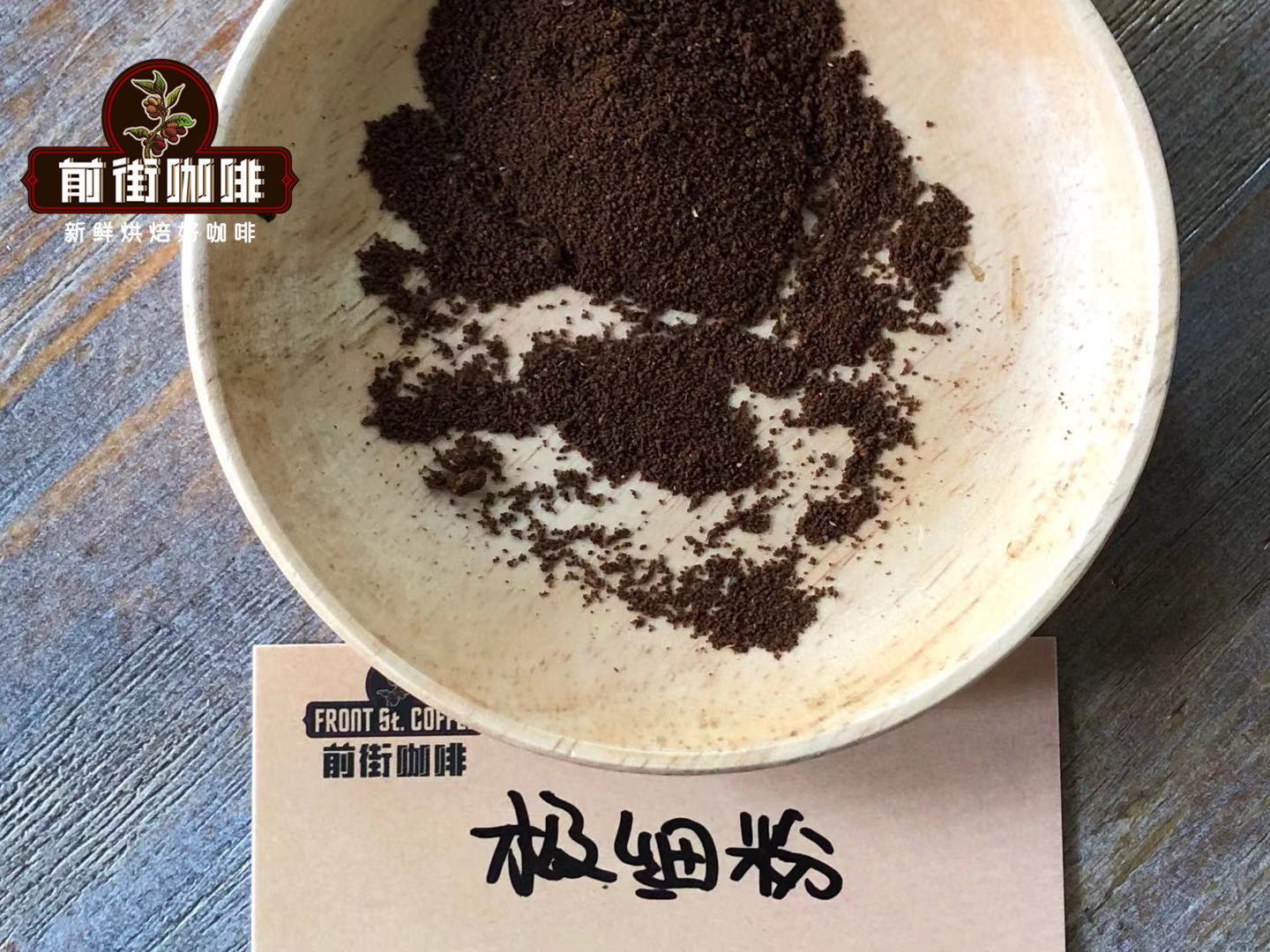
Common grind categories can generally be divided into three types of grinders: those specialized for espresso with ultra-fine grinds (supporting high-pressure extraction with a 1:2 or higher coffee-to-water ratio), medium-range grinders suitable for most brewing methods (covering everything from pour over to French press), and professional-grade equipment that covers the full spectrum. When categorized by actual use cases, the Turkish coffee pot requires the finest grind (nearly powder-like), followed by espresso (finely ground sugar-sized), medium-fine grinds suitable for pour over/drip (like fine sugar), siphon pots slightly coarser (coarse sugar), and French press the coarsest (similar to sea salt grains).
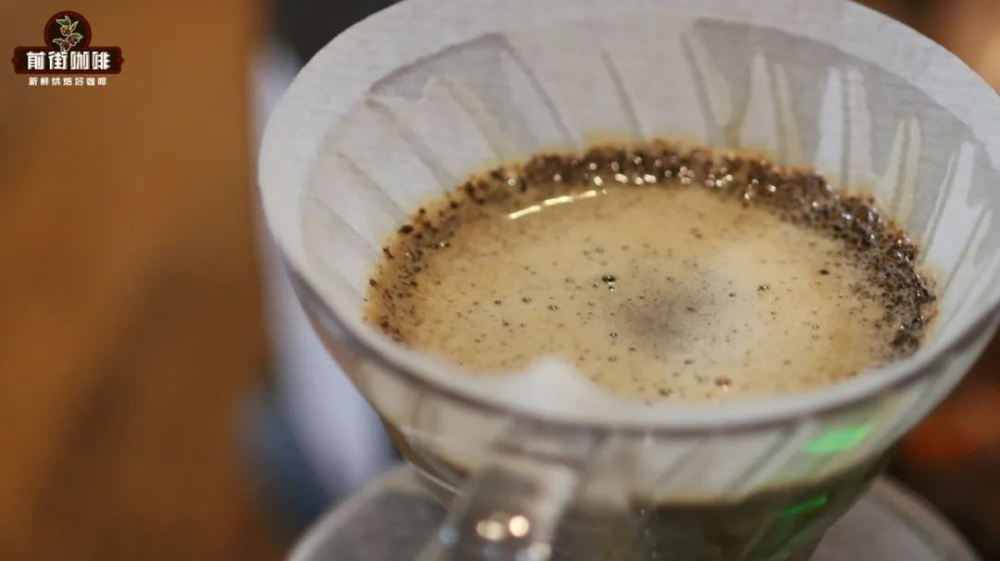
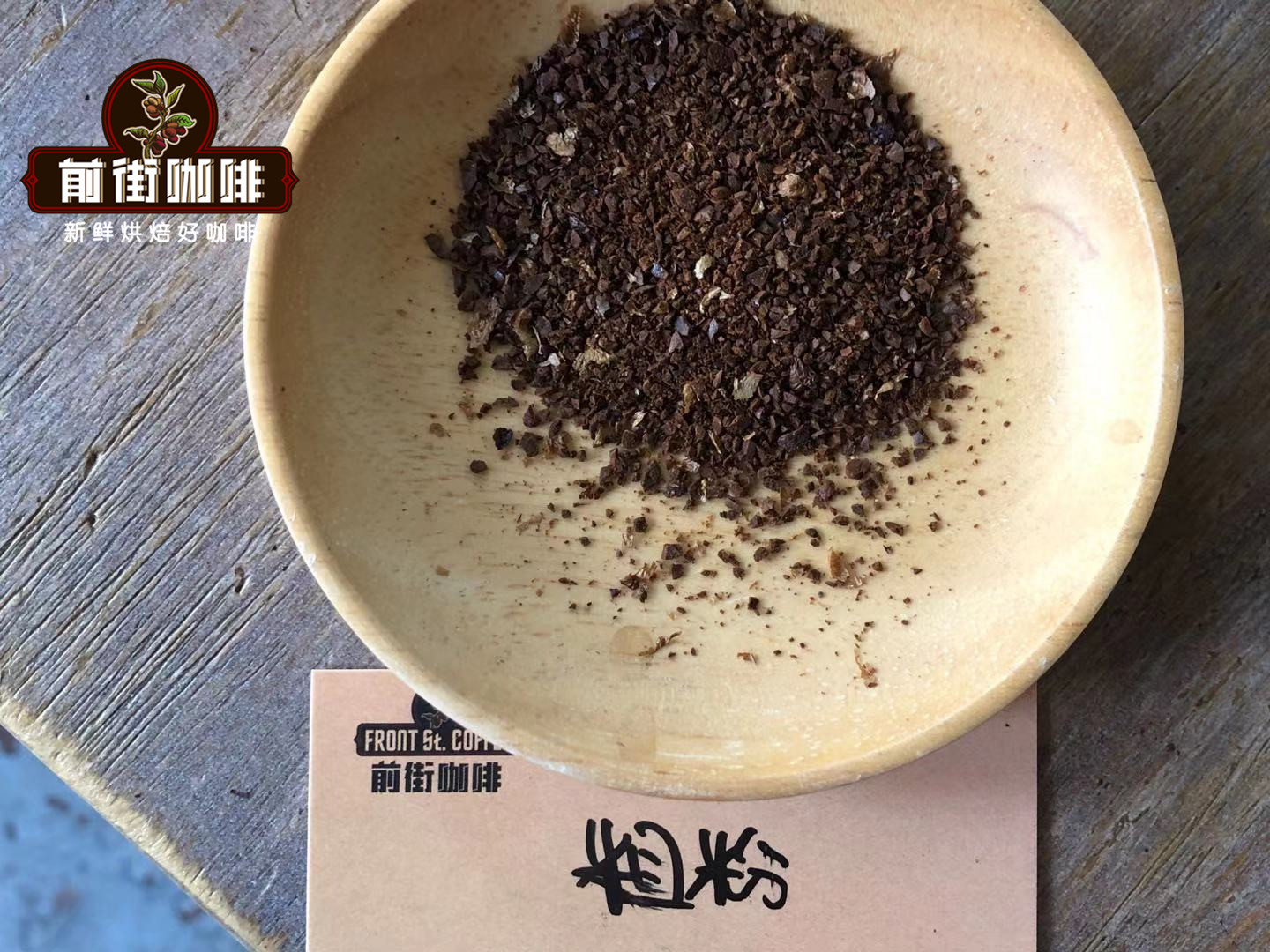
Taking pour over coffee as an example, its approximately 2-minute extraction time (1–3 minutes is common) requiresmedium-coarse coffee particles—too fine will impede water flow and over-extract bitterness; too coarse allows water to pass through too quickly, resulting in under-extracted flavor. Practical experience shows that medium-light roasted beans (e.g., washed-process fruity types) suit medium-fine grinds (about 80% passing through a 0.85mm sieve, corresponding to EK43s scale setting 10), balancing acidity, sweetness, and caramel notes; whereas medium-dark roasts (e.g., Indonesian Mandheling and other bold types) are better with medium-coarse grinds (70% sieve passing rate, EK43s scale 10.5), avoiding unnecessary astringency from prolonged extraction.
Practical tip on "How to adjust coffee grind size from 1 to 10": Since each grinder’s mechanical structure differs, the same number can correspond to vastly different actual grind sizes. Beginners are advised toverify with a 0.85mm 20-mesh sieve—take 10g of coffee beans, grind them at your preset setting, then pour the grounds onto the sieve and gently shake until no more particles pass through. Weigh the coffee powder that passed through:8g passing is medium-fine (suitable for medium-light roasts), 7g is medium-coarse (suitable for medium-dark roasts). If the passing rate is too high (grounds too fine), adjust to a coarser setting; if too low, go finer.
Sieve operation details: Prepare a clean sieve and a receiving tray, evenly pour the pre-ground coffee into the sieve, and gently shake in a horizontal circular motion for about 30–60 seconds. Avoid shaking too hard to prevent fine particles from flying away, or too little shaking, which can affect accuracy. If no professional sieve is available at home, you can observe the brewing water flow rate for assistance —fast water flow indicates grounds are too coarse, while excessively slow dripping may mean they’re too fine.
Ideal passing rate references for different brewing methods: pour over and siphon recommend 80% passing rate (medium-fine), American drip 75–80% (slightly coarser than pour over), cupping standard 70–75% (even coarser), and French press 65–70% (coarsest). These values can serve as supplementary indicators when adjusting grind size.
Grind uniformity is equally crucial.The more concentrated the particle size distribution, the better the grind quality—if there is a mix of many extremely fine particles and coarse ones, extraction becomes uneven: fines over-release bitterness, while coarse particles leave flavor behind. Observe the residue in the brewing bed: if you see noticeable unexpanded coarse particles at the bottom, or a buildup of fines in the filter, you may need to check the grinder burrs’ condition or consider upgrading your equipment.
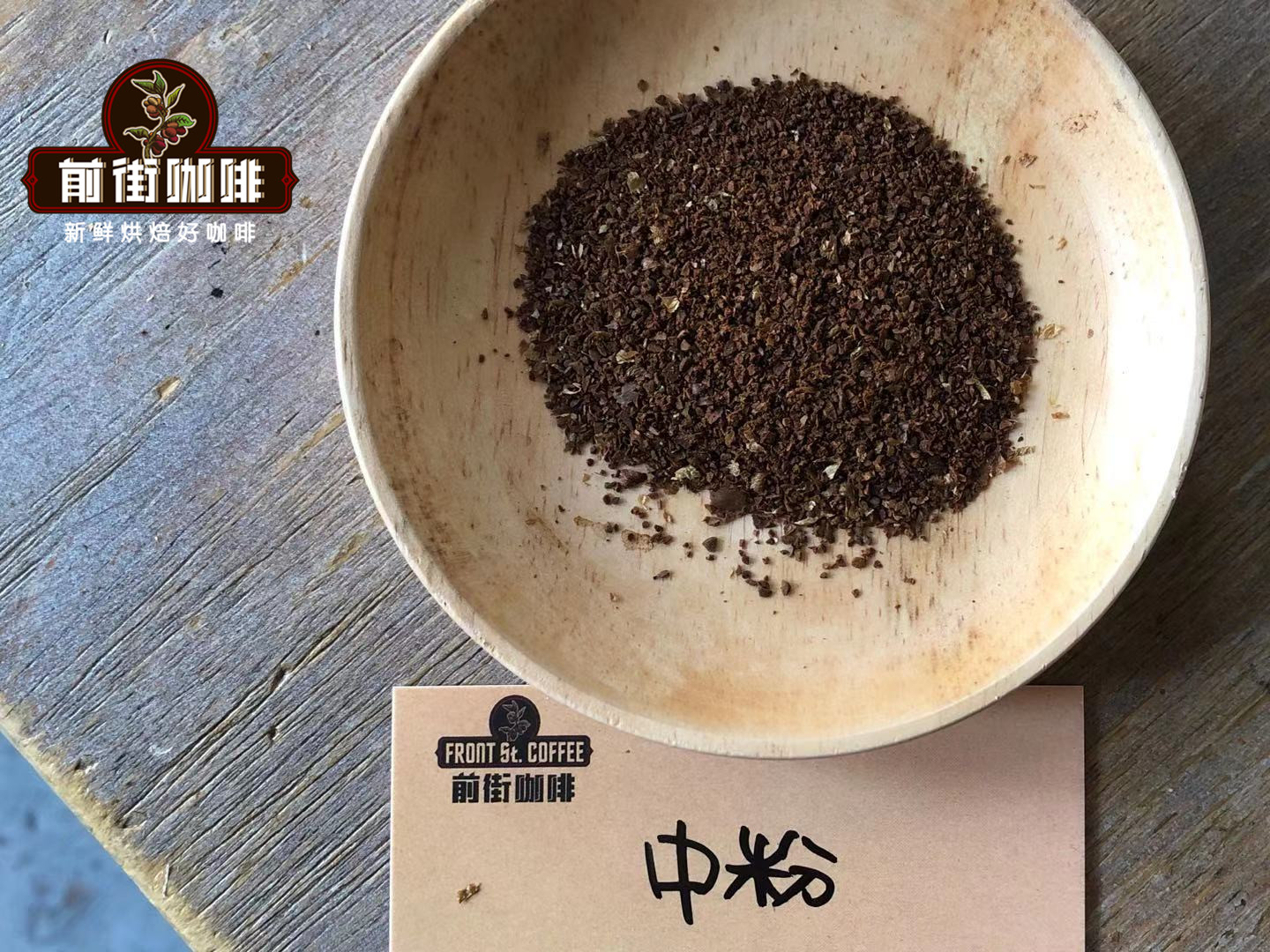
The EK43 grinder, recognized in the industry as a high-precision device, has grind scale settings that offer a reference: for pour over medium-fine, it typically falls around scale 10 (corresponding to 80% passing through a 0.85mm sieve), while medium-coarse is scale 10.5 (70% passing rate). But remember, these figures are only starting points — final adjustments should be made according to the actual flavor performance, including observing extraction time, taste assessment of acidity-sweetness-bitterness balance, and checking the state of the coffee bed.
The above content is compiled by CoffeeHunters, a coffee news website.


