







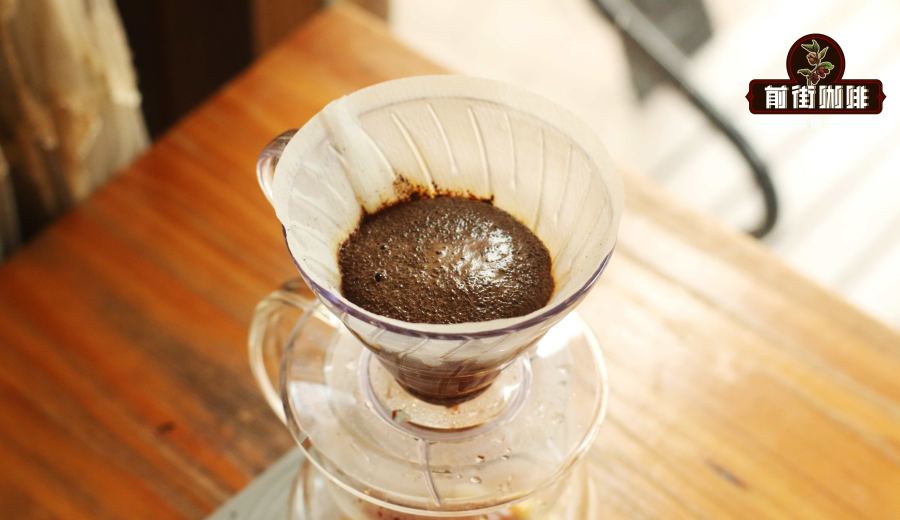
Introduction:Do you need to bloom when using an immersion brewer like the Clever Dripper? This article tests two coffee varieties—Yirgacheffe and Mandheling—comparing the extraction results of a 30-second bloom versus direct pouring over four minutes. From brew ratios (1:15) to water temperature control, we break down the reasons behind flavor differences and share beginner-friendly stirring techniques and practical tips to help you achieve better coffee with the Clever Dripper.
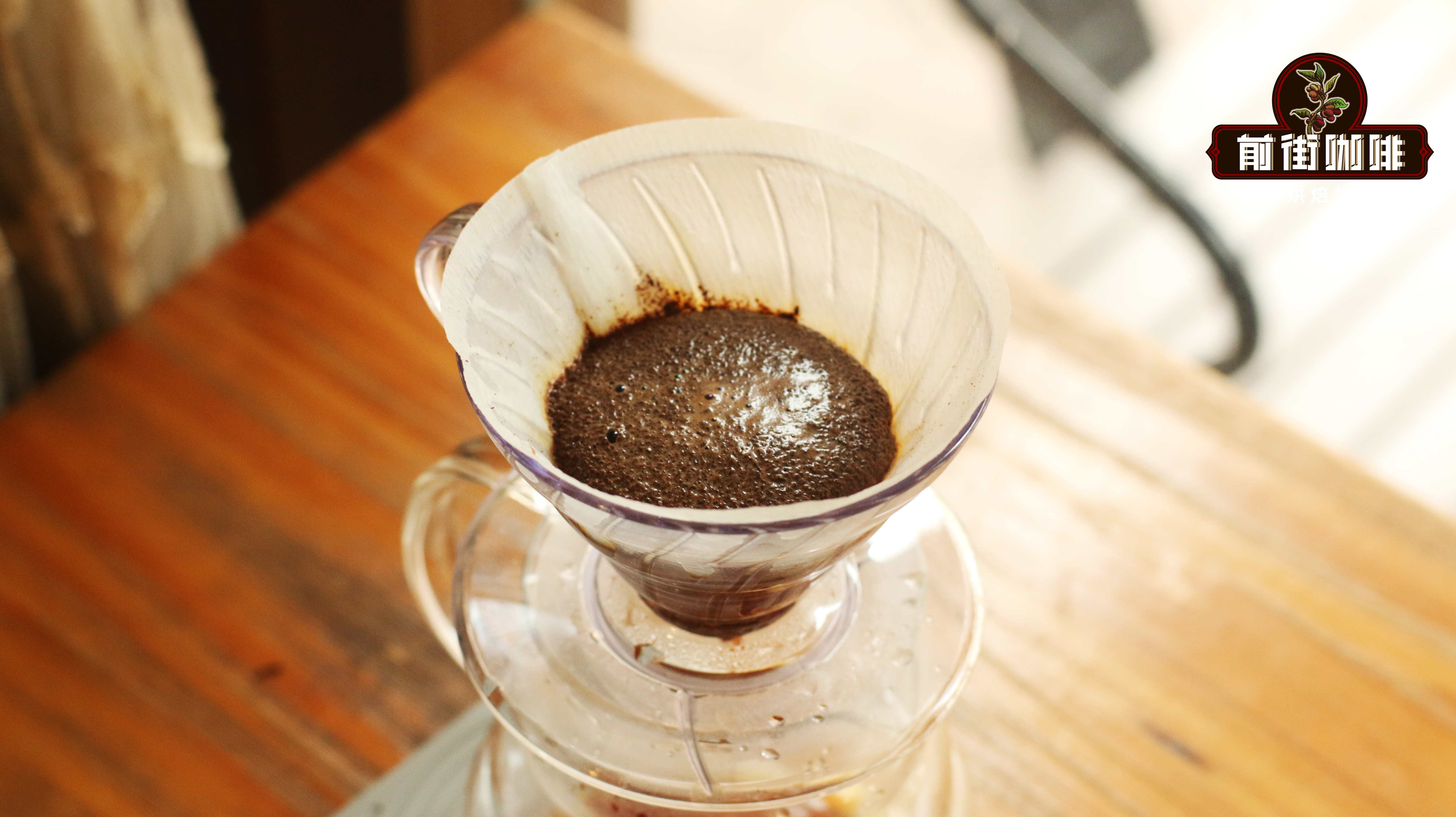
Many pour-over enthusiasts are accustomed to blooming before brewing, but is this step still necessary when using an immersion device like the Clever Dripper? Immersion brewing relies on fully soaking the coffee grounds to extract flavors, but a proper pre-soaking process can significantly influence the final taste.
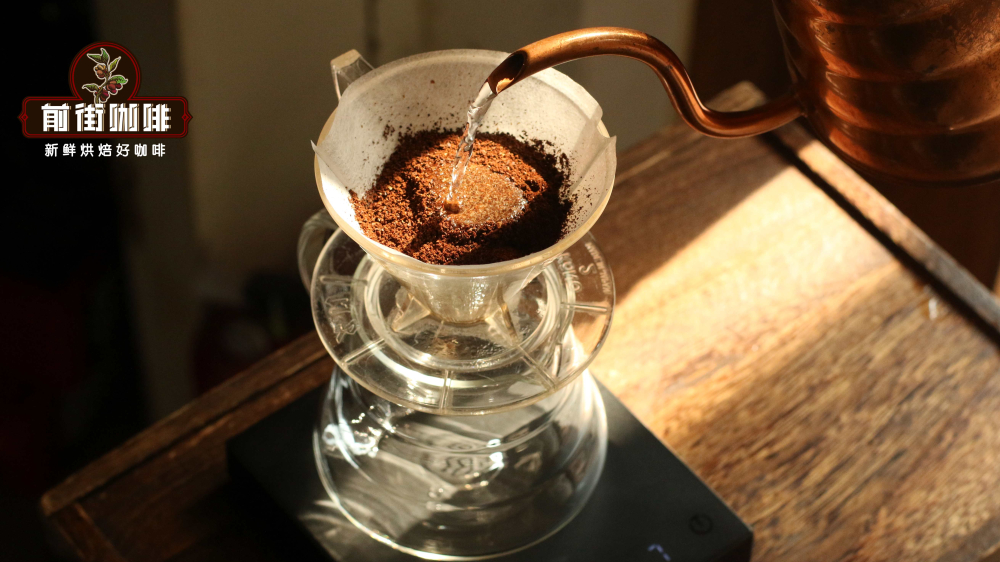
So-called blooming involves evenly sprinkling a small amount of hot water (about twice the weight of the coffee grounds) over the grounds before the main pour. This step activates the coffee cells, releases CO₂, and helps form a uniform filtration structure. In immersion brewing, this concept translates into "pre-wetting"—briefly pouring water to expand the coffee grounds and create better water pathways.

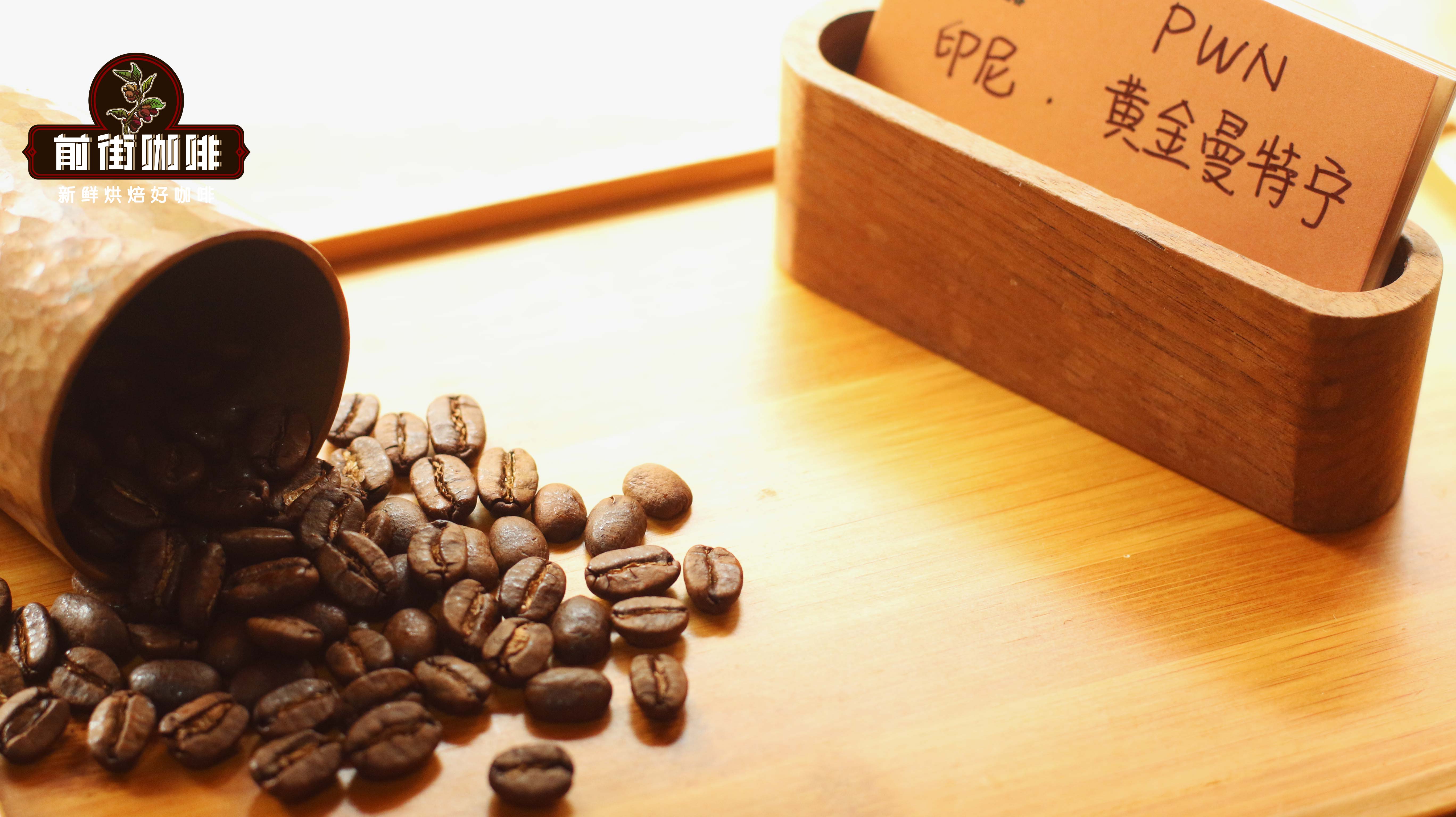
For this test, we selected two representative beans: Ethiopia Yirgacheffe Red Cherry (natural process) and Indonesia PWN Golden Mandheling. We used two methods: “30-second bloom + pouring to 225g” and “direct pouring to 225g.” Grind size was adjusted based on bean characteristics—Yirgacheffe used a medium-fine grind (80% through a #20 sieve), while Mandheling used a medium grind (70% through), with a consistent brew ratio of 1:15.
Details for the blooming group: First, 30g of hot water (92°C for Yirgacheffe / 88°C for Mandheling) was poured to bloom for 30 seconds, followed by pouring to a total of 225g. Total brew time was controlled at 4 minutes (including the bloom). The control group received 225g of hot water directly and was left to steep for 4 minutes. Both groups were filtered into a server after the designated time.
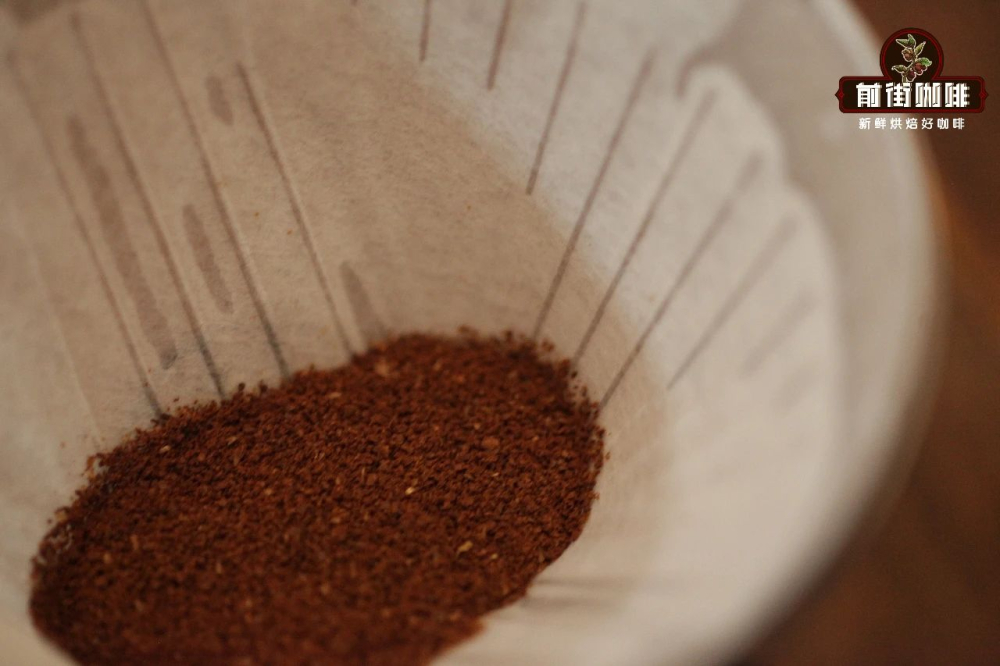
In terms of flavor, the Yirgacheffe blooming group exhibited more pronounced berry sweetness and fermentation notes (TDS 1.37%), with a full-bodied and layered mouthfeel. The direct pour group highlighted citrus and berry acidity (TDS 1.33%) with a brighter, more balanced profile. For Mandheling, the bloomed version enhanced nutty and cocoa tones (TDS 1.40%), with herbal notes in the aftertaste. The direct pour group presented softer cane sugar and chocolate flavors (TDS 1.33%), offering a smoother drinking experience.
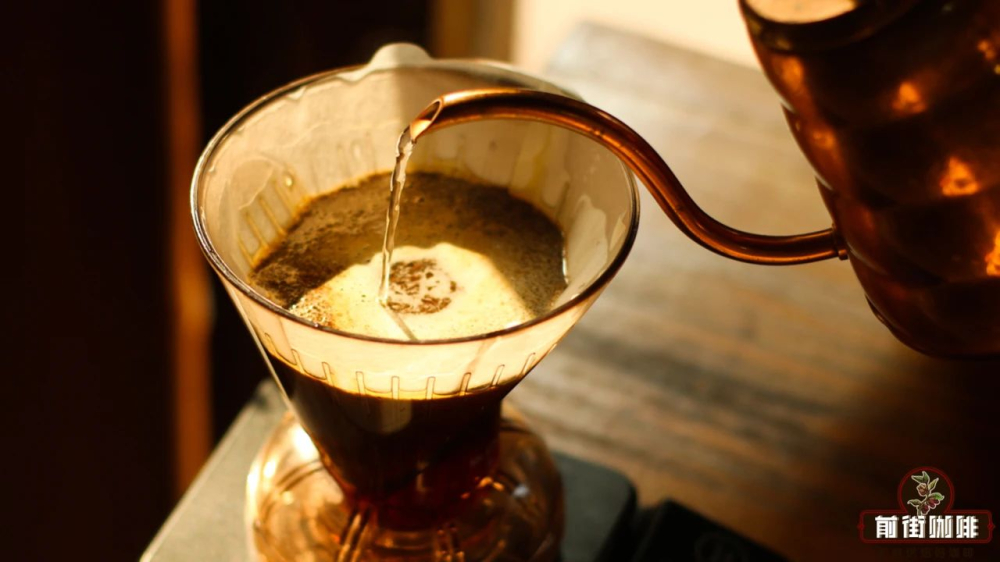
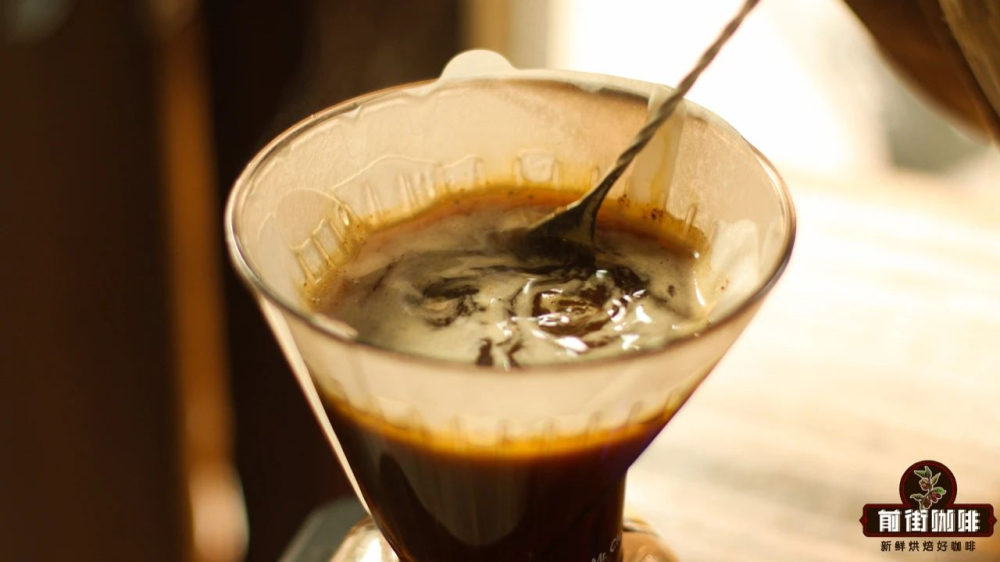
Experimental data shows that blooming can enhance coffee intensity and flavor complexity, likely due to the “water flow agitation effect”—the impact of water after blooming stirs the coffee bed more evenly compared to a single large pour, improving extraction efficiency. Additionally,a factor often overlooked by beginnersis stirring. Gently stirring the coffee bed with a clean bamboo spoon or dedicated stirrer ensures all grounds are evenly saturated, further optimizing extraction consistency.
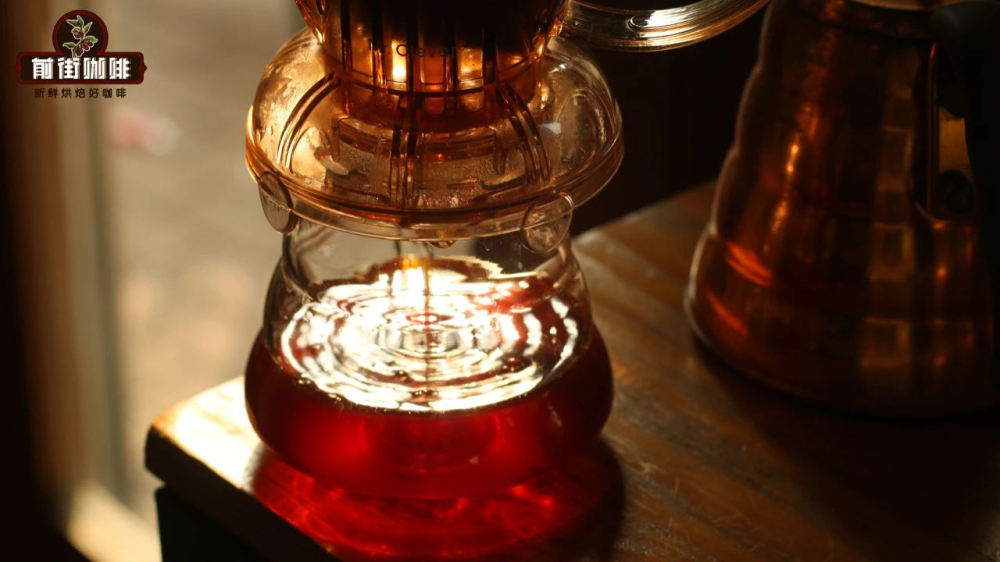
In summary, although immersion brewing is less dependent on blooming than pour-over methods, a proper pre-treatment can still bring noticeable flavor improvements. It’s recommended to adjust based on bean roast level: light roasts (like Yirgacheffe) can benefit from a short bloom to highlight fruity notes, while dark roasts (like Mandheling) can be directly poured to emphasize a rich body. Don’t forget to pair these with appropriate grind size and water temperature settings to get the best results from your Clever Dripper.
The above content is compiled by CoffeeHunters, a coffee news website.


