







Introduction:Want to brew professional-level coffee with a home drip coffee maker? This article explains in detail the 1:18.18 coffee-to-water ratio principle of the Golden Cup standard, techniques for adjusting grind size according to different roast levels, and provides a complete process from equipment structure to practical operation. Specifically tailored to the needs of Taiwanese and overseas Chinese users, it offers coffee bean selection suggestions that balance acidity, sweetness, and a rich mouthfeel, and concludes with a demonstration of the standard brewing steps using the Strawberry Candy blend.
If you want to easily enjoy a well-balanced cup of Americano coffee at home, a drip coffee maker is one of the most cost-effective choices. This type of machine not only consistently delivers the fundamental characteristics of coffee but also allows for parameter adjustments to suit various flavor preferences. This article will systematically analyze the device structure, scientifically set extraction parameters, recommend suitable beans based on different taste preferences, and finally demonstrate the complete brewing process.
The core components of a typical drip coffee maker include a water reservoir, a filter basket holder, and a glass coffee pot. Although the operation seems simple—adding coffee grounds, pouring water, and starting the machine—to achieve ideal extraction results, you need to master three key elements: an accurate coffee-to-water ratio, a grind size matched to the roast level, and proper brewing water temperature control.
Regarding the coffee-to-water ratio, the internationally recognized Golden Cup standard is 1:18.18, meaning 1 gram of coffee grounds to 18.18 milliliters of water. This ratio yields a coffee concentration of about 1.15%-1.35%, which can fully showcase the flavor layers without being overly strong. If you prefer a stronger taste, you can adjust the ratio to 1:15-1:16; for a lighter flavor, extending it to 1:18-1:20 is also acceptable. In practice, it’s recommended to first measure a baseline value with an electronic scale, then fine-tune the water level mark according to your personal taste.
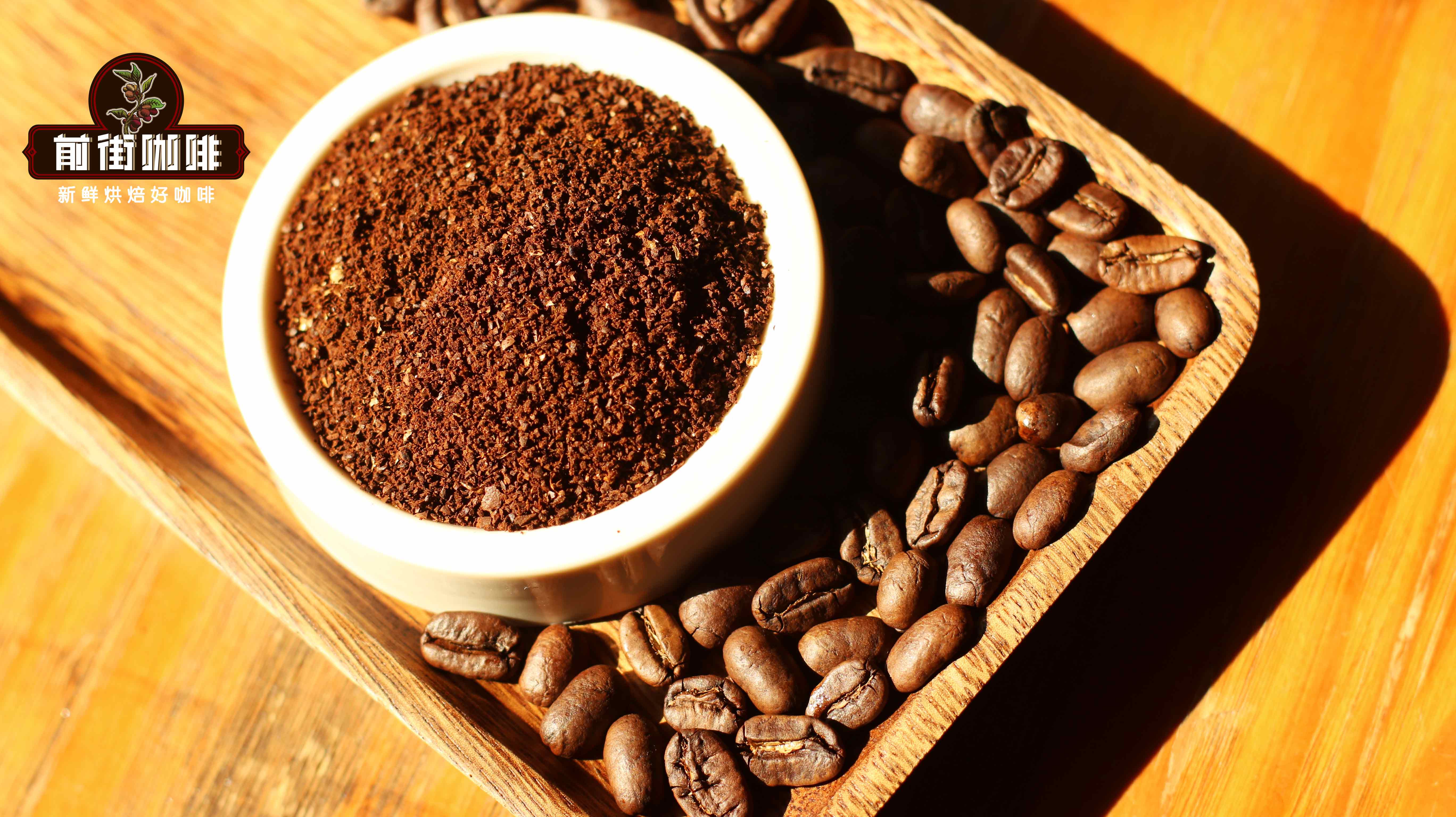
The grind size setting directly affects the efficiency of water-to-coffee contact. For drip extraction, a medium-coarse grind similar to pour over is appropriate, equivalent to a setting of 8-10 (referencing common grinder scales). Lighter roasted beans, due to their higher density, require a slightly finer grind (about 75% passing through a #20 sieve), while darker roasts are recommended to be loosened to a 70% passing rate to prevent over-extraction. It’s worth noting that even if the same coffee beans are used, changing the grind coarseness—even while maintaining the same coffee-to-water ratio—can lead to significant differences in flavor expression.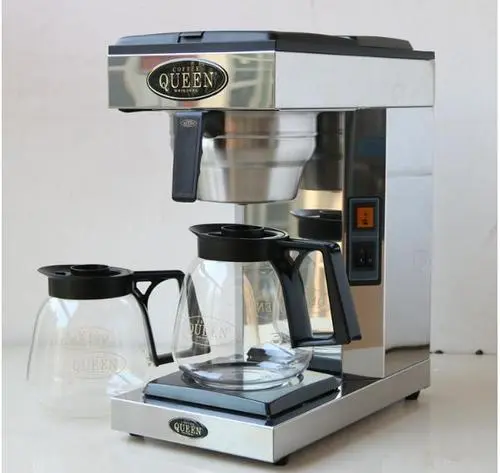
Advanced users can opt for a KRUVE vibrating sieve set for precise grading, ensuring uniform particle size consistency across all coffee grounds. This tool set contains multiple sieve screens with different hole sizes. To use, pour the coffee grounds onto the top sieve and gently shake for about 30 seconds to separate out the target particle size range. It’s especially suitable for users who demand high stability in extraction.
Regarding water quality and temperature, most home models have built-in heating tubes that maintain the water temperature within the 90-96°C range. If using preheated bottled water, it’s recommended to control the injection temperature to no more than 93°C to avoid scalding the coffee grounds layer. During the brewing process, hot water is reheated through a U-shaped heating tube and then sprayed out in an umbrella pattern, ensuring all coffee grounds are evenly saturated.
Flavor bean recommendations are categorized by roast characteristics: for those who prefer bright fruity acidity, options include Sun-Dried Huacai (Costa Rica, with a creamy strawberry tone) or Washed Hua Die Hu (Ethiopia, with distinct citrus floral notes); for balanced flavor profiles, Brazilian Queen Estate (nutty chocolate base) and Strawberry Candy blend (blending rose and dried fruit flavors) are recommended; for those who enjoy a fuller body, Golden Mandheling (Sumatra, with black sugar and spice aftertaste) can be tried.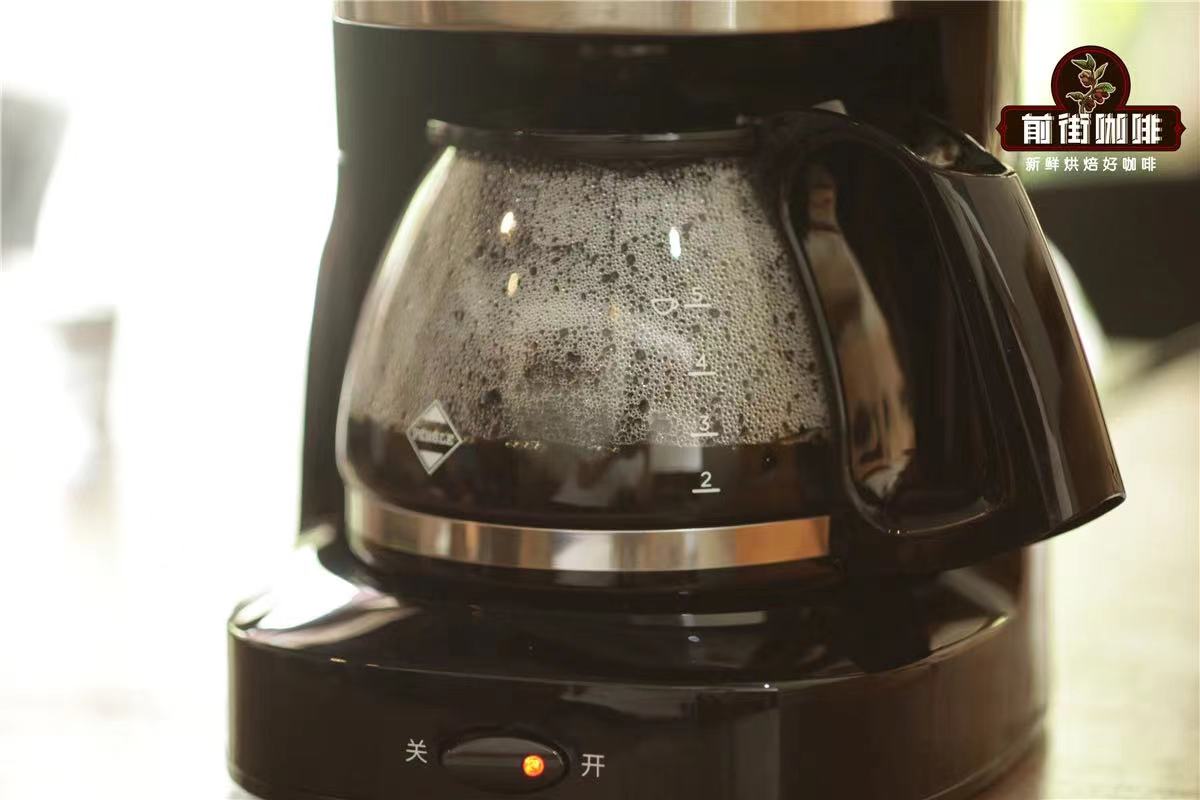
Demonstrating the standard brewing process with the Strawberry Candy blend: Take 20 grams of medium-light roasted coffee grounds (recommended 80% passing through a #20 sieve), pour in 400 milliliters of 93°C hot water, and set the coffee-to-water ratio at 1:20. Place the filter basket on the machine’s holder, add the coffee grounds, and start the extraction program. Observe that an extraction time of about 5-8 minutes is ideal; too short may result in under-extraction, while too long can easily lead to bitterness.
When making iced Americano, the ratio can be adjusted to 1:12-1:15, and a suitable amount of ice cubes can be placed in the glass pot in advance. Note that when calculating the total liquid volume, the melted ice volume must be included. It’s recommended to reduce the initial water volume by 20% to compensate for the ice volume. This method effectively slows down the oxidation rate of the coffee while delivering a brighter acidity.
The advantage of a drip coffee maker is that it delivers stable results without requiring complex techniques. Whether it’s a refreshing combination with breakfast bread or a mid-afternoon pick-me-up with a medium-dark roast choice, as long as you grasp the basic logic of parameters, you can make simple adjustments to achieve a coffee experience that suits your personal preferences. Regularly clean the filter and water tank to avoid residue affecting the flavor, and you can enjoy professional-grade home coffee moments for the long term.
The above content is compiled by CoffeeHunters, a coffee news website.


